
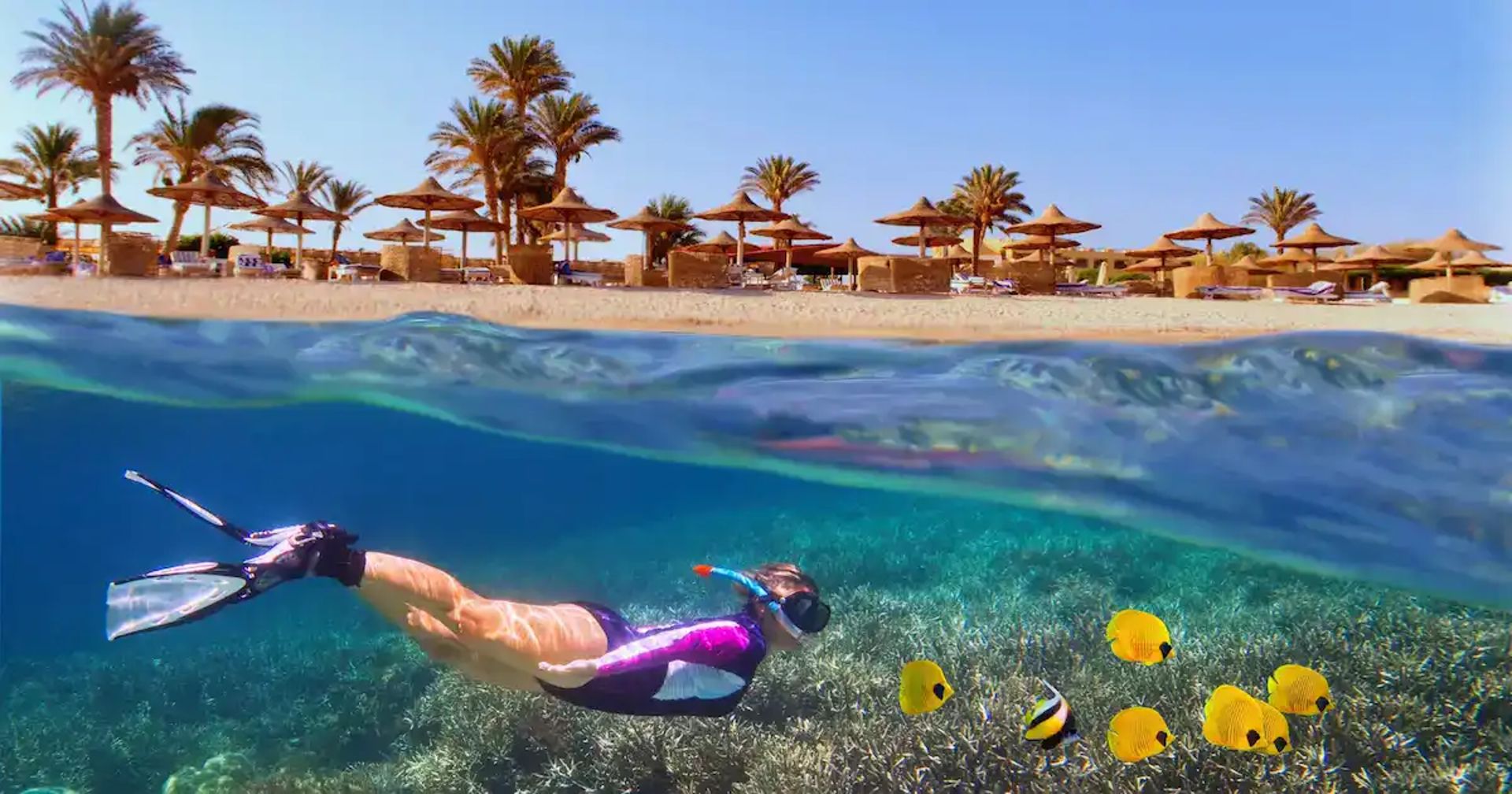
Wadi El Gemal means the valley of the camels. The national park is one of the larger protected areas on Egypt's Red Sea coast, and it runs from the sea inland into the mountains. Most visitors see only a slice of it, but even that slice is memorable.
It is a good choice if you want a quieter day than a boat trip, with sand, shade of a sort and a calm beach.
What the park protects
The park covers a dry wadi, scrub, mangroves along the coast and coral reefs offshore. Mangroves are a rare sight on the Red Sea, and they shelter young fish and birds. Inland, the valley is home to desert animals such as gazelles, though they are shy and hard to spot.
Parks like this exist because the coast is fragile. Entry rules help limit the damage that crowds can do, so please follow your guide's advice.
The name refers to camels, which have long moved through this valley. Bedouin communities live in and around the park, and their knowledge of the land shaped how it is used. Respecting local customs and rubbish rules keeps the place in good shape.
How the day runs
- 08:00 – pick-up from your hotel
- 09:30 – enter the park and stop at the visitor area
- 10:30 – drive through the wadi and along the mangrove coast
- 11:30 – arrive at Sharm El Luli beach to swim and snorkel
- 13:30 – lunch at the beach
- 14:30 – free time on the sand
- 15:30 – drive back
- 17:00 – transfer to your hotel
The visitor area is a good place to learn a little about the park before you drive on. Staff and guides can explain what lives here and how the area is managed. Bring a small notebook if you like to remember such details.
Sharm El Luli beach
Sharm El Luli is the highlight of the day. The sand is pale, the water is clear and the bay is sheltered. You can swim, snorkel over small coral patches and rest on the beach. Turtles are sometimes seen in the area, but we never promise it.
Facilities are simple, which is part of the charm. Bring what you need for a day on the sand, and keep your sun protection on.
If you prefer not to snorkel, the beach is still a fine place to spend a few hours. Walk the shoreline, float in the shallows or simply sit. Many guests tell us the calm of the place was the best part.
Where Hamata fits in
Hamata is a village and harbor farther south. It is the starting point for boat trips to the Qulaan Islands and for the long drive to Sataya. If you like the feel of the park, a Hamata boat day makes a good partner trip on another date.
Hamata is a small place with a working harbor, and the boats you see there serve the trips to the islands. The scenery along the way gives a sense of how remote this coast is.
When to go
The park can be visited all year. Winter is cooler on land, with water about 22 to 24 degrees Celsius, and summer is hot with warm water of about 28 to 30 degrees by late summer. In summer, bring extra water and plan to spend the middle of the day in the sea.
Wherever you go in the park, stay on the marked paths and in the areas your guide recommends. The ground is fragile, and tracks that look harmless can scar the desert for years.
Plan with us
Wadi El Gemal National Park: a visitor's guide
A guide to Wadi El Gemal National Park near Marsa Alam: Sharm El Luli beach, mangroves, the wadi, Hamata and what a day visit involves.