
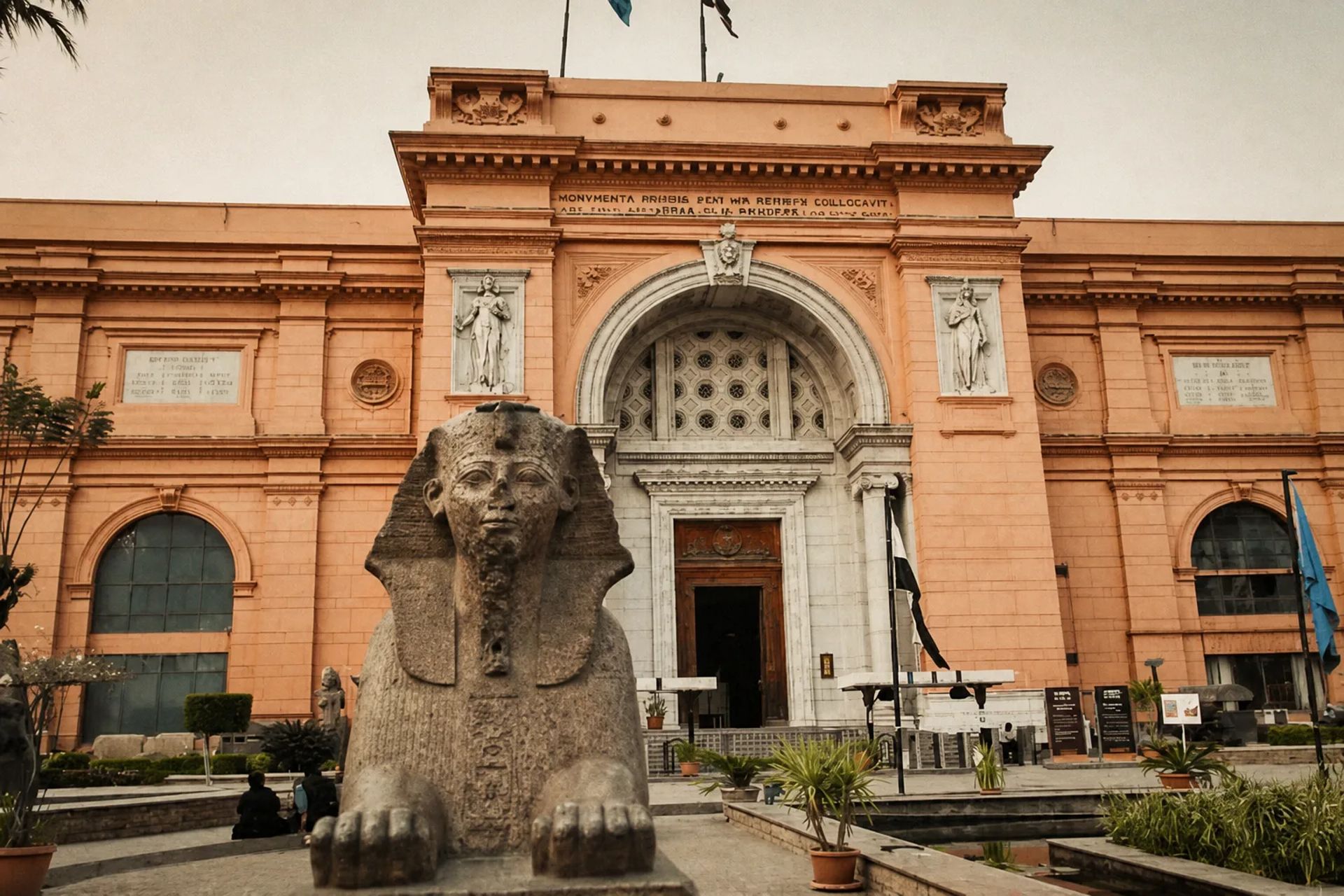
Egypt attractions & tickets
Egypt Attractions & Tickets
Entry tickets for Egypt's headline sites – the Pyramids, the Valley of the Kings, the Grand Egyptian Museum, Abu Simbel and a hundred more – with what each one costs, what to see inside, and a booking that skips the queue.
Tickets, honestly
One country, a hundred separate gates
Almost every ancient site in Egypt charges its own entry, and the best rooms inside the pyramids, the tombs and the museums often cost extra again. The prices change, the open tombs rotate, and the capped tickets sell out. We keep track of all of it. Choose a city below for its top historical sites, what each ticket buys you, and a direct link to book – then we add an Egyptologist and handle the queue.
Five thousand years, one river
The story through time
The sites are not scattered at random. Follow the Nile south to north and you also travel forward in time, from the first pyramids to the last temples, from a Greek city on the sea to the museums of today. Five thousand years, one river. Here is the order the country was built in, and where to pick up each chapter.
Old Kingdom · c. 2670–2180 BC
The age of pyramids
Egypt invents monumental stone. At Saqqara, Imhotep stacks the first pyramid for Djoser around 2670 BC; within a century Sneferu perfects the form at Dahshur and Khufu raises the Great Pyramid at Giza, around 2560 BC.
Saqqara · Dahshur · Giza · Memphis
Middle Kingdom · c. 2055–1650 BC
The river reasserts itself
After a fractured century the country reunites and looks south. Provincial nobles cut painted cliff tombs at Beni Hassan, and the first shrines rise at Karnak, the seed of what Thebes will become.
Beni Hassan · early Karnak
New Kingdom · c. 1550–1070 BC
Thebes and the empire
Egypt's golden age. The pharaohs pour the spoils of empire into Karnak and Luxor Temple, hide their tombs in the Valley of the Kings, and Ramses II cuts Abu Simbel from a cliff around 1264 BC. Akhenaten breaks away to build Amarna for a single god.
Karnak · Luxor · Valley of the Kings · Abu Simbel · Amarna
Late & Ptolemaic · c. 700–30 BC
The last temples
Foreign dynasties rule, but build Egyptian. The temples we see most whole today are among the youngest: Philae, Edfu, Kom Ombo and Dendera, raised under the Ptolemies who followed Alexander.
Philae · Edfu · Kom Ombo · Dendera
Graeco-Roman · 332 BC – AD 640
Alexandria, facing the sea
Alexander founds his city in 331 BC and it becomes the mind of the ancient world. Greek and Egyptian fuse underground at the Kom el-Shoqafa catacombs; Rome leaves Pompey's Pillar and a buried theater.
Catacombs · Pompey's Pillar · Qaitbay
Coptic & Islamic Cairo · AD 640 – 1900
A new capital rises
After Rome come the churches of Coptic Cairo and, from 641, the mosques. Saladin fortifies the Citadel; the Mamluks raise Sultan Hassan; Muhammad Ali crowns the skyline. Medieval Cairo is a living museum.
Coptic Cairo · the great mosques · the Citadel
Today · 1902 – now
The collections come home
The modern museums gather five thousand years in a day: the Egyptian Museum on Tahrir since 1902, the Royal Mummies in the new National Museum of Civilization, and the Grand Egyptian Museum beside the pyramids holding all of Tutankhamun at last.
GEM · Egyptian Museum · NMEC
Find your bearings
Egypt, along the Nile
Almost every great site sits within sight of the Nile, and the river is the easiest way to hold the country in your head. It runs south to north, so a trip up the valley doubles as a walk back through time: Abu Simbel and Aswan in the deep south, Luxor and the Middle Egypt temples in the center, Cairo and Giza at the Delta, and Alexandria out on the Mediterranean. Tap a city to open its sites and tickets.
By city
Where are you going?
Each city page lists its top historical sites, what every ticket buys, and a direct link to book.
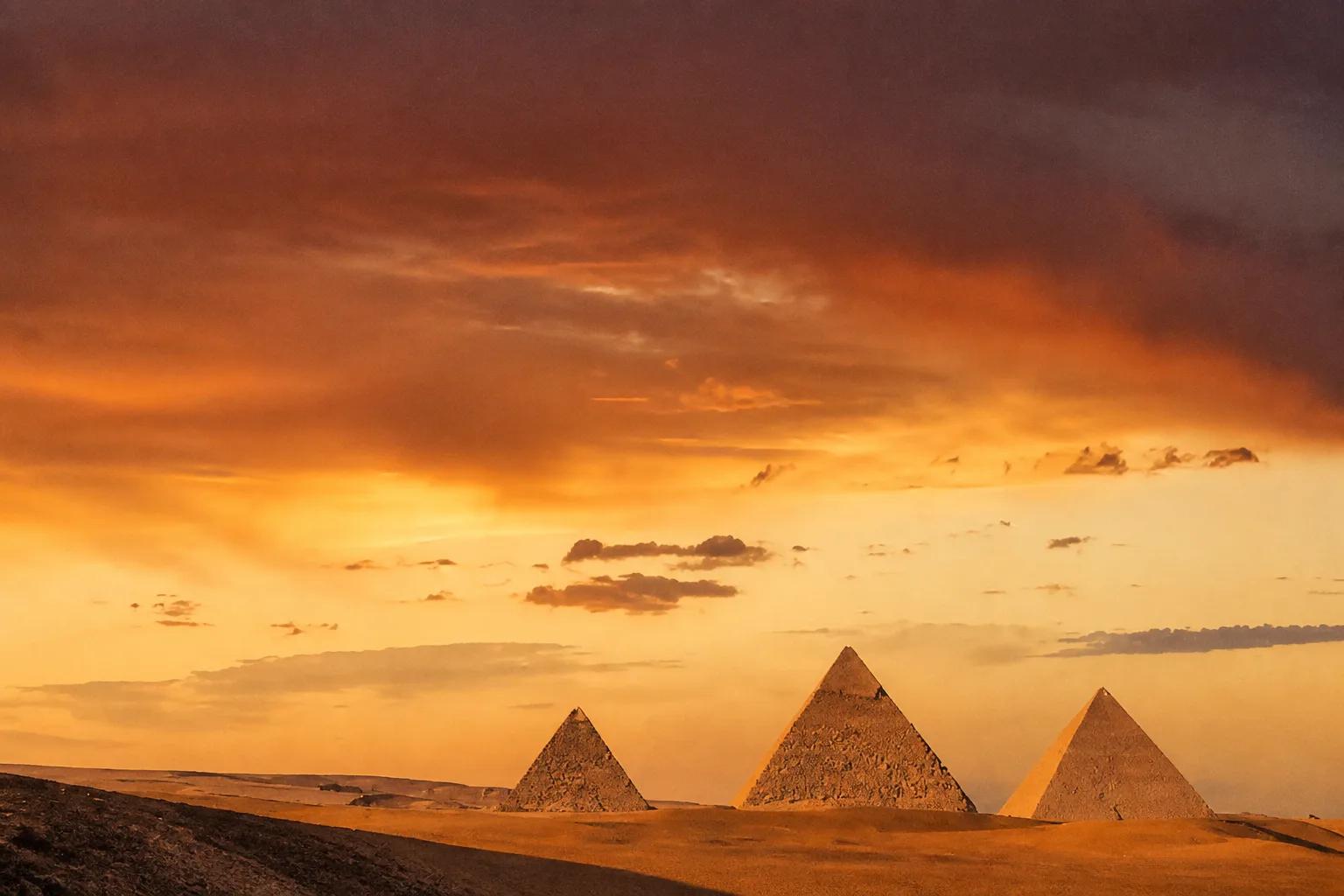
The pyramid fields
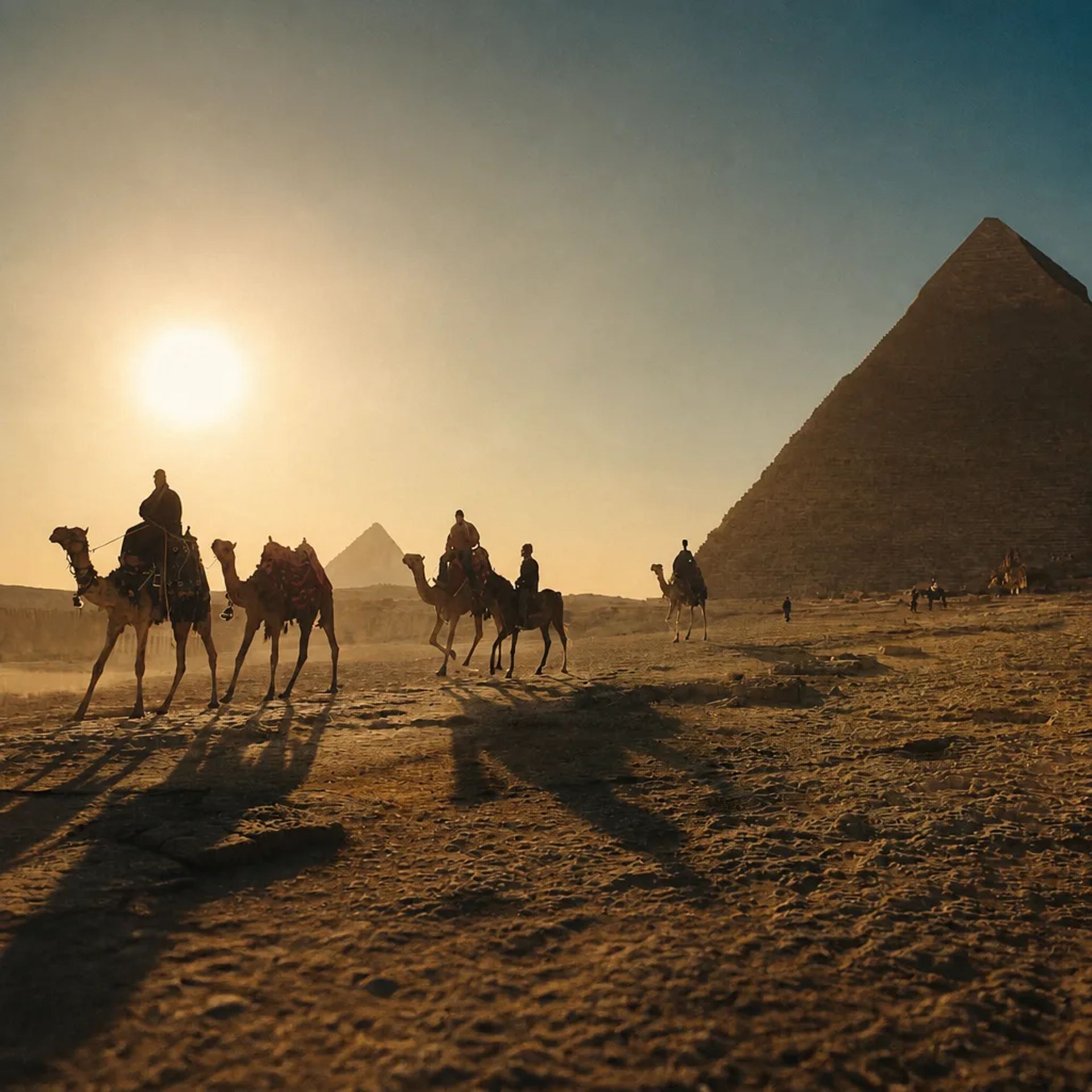
Giza & the Pyramids
The plateau pass, the Great Pyramid interior, and the Memphis necropolis at Saqqara and Dahshur.
Giza & the Pyramids tickets
24 city sites
Cairo
The Grand Egyptian Museum, the Tahrir museum, the Royal Mummies, the Citadel and Islamic and Coptic Cairo.
Cairo tickets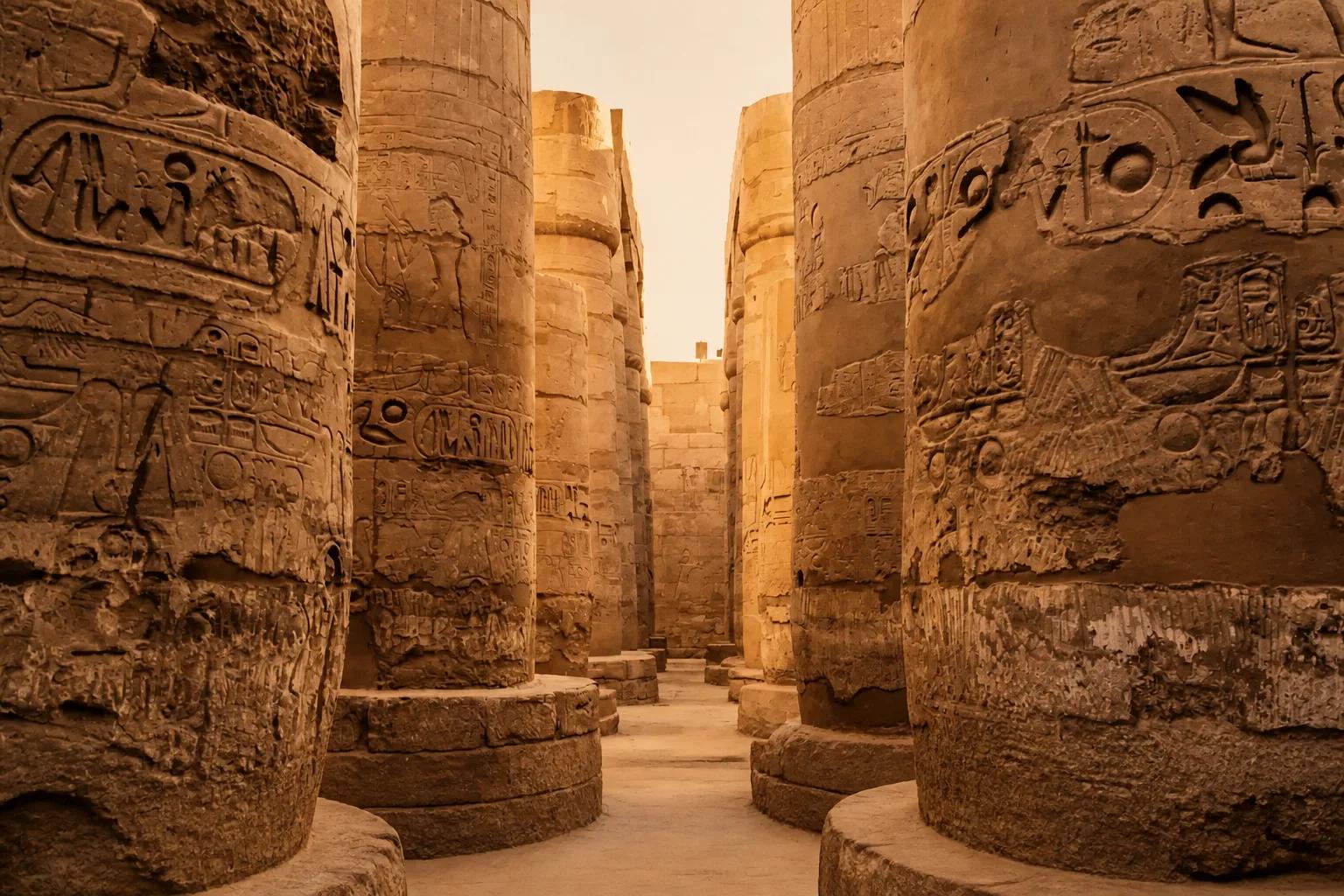
Both banks
Luxor
Karnak and Luxor Temple, the Valley of the Kings, and the premium tombs of Seti I, Tutankhamun and Nefertari.
Luxor tickets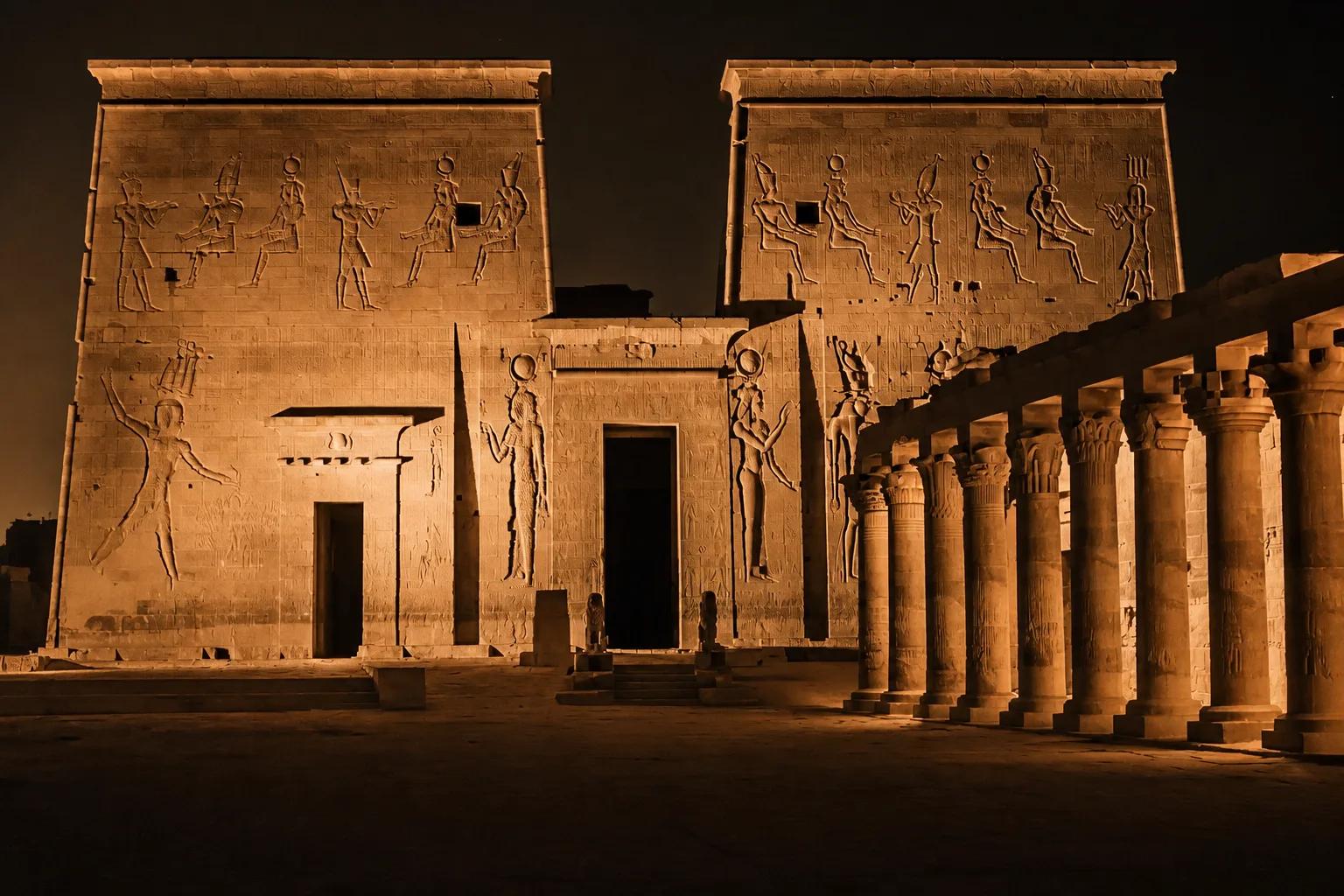
Nubia & the south
Aswan & Abu Simbel
Philae on its island, Abu Simbel above the lake, Kom Ombo and Edfu, the High Dam and the Unfinished Obelisk.
Aswan & Abu Simbel tickets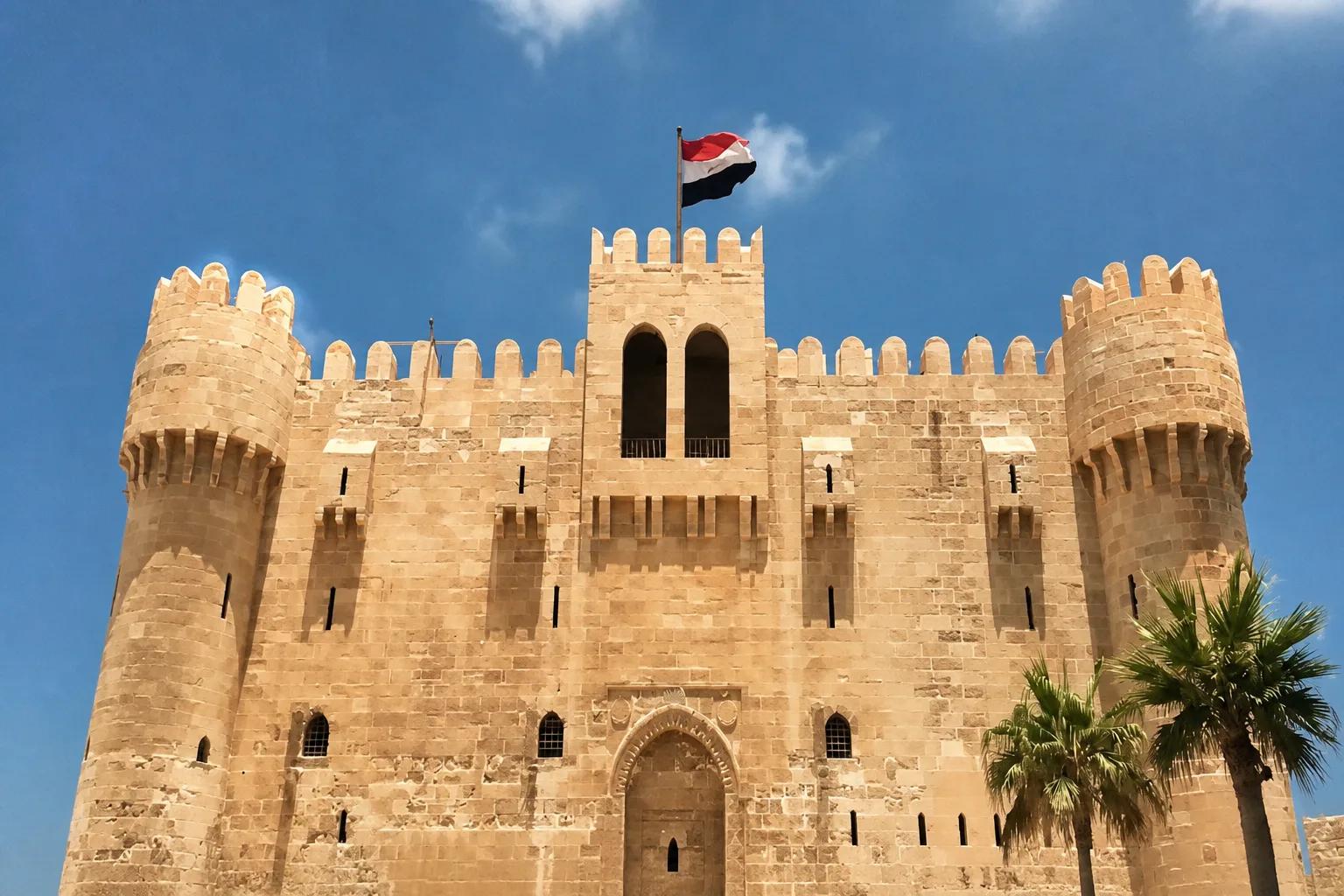
The Graeco-Roman coast
Alexandria
The Catacombs of Kom el-Shoqafa, Pompey's Pillar, the Qaitbay fort and the Bibliotheca Alexandrina.
Alexandria tickets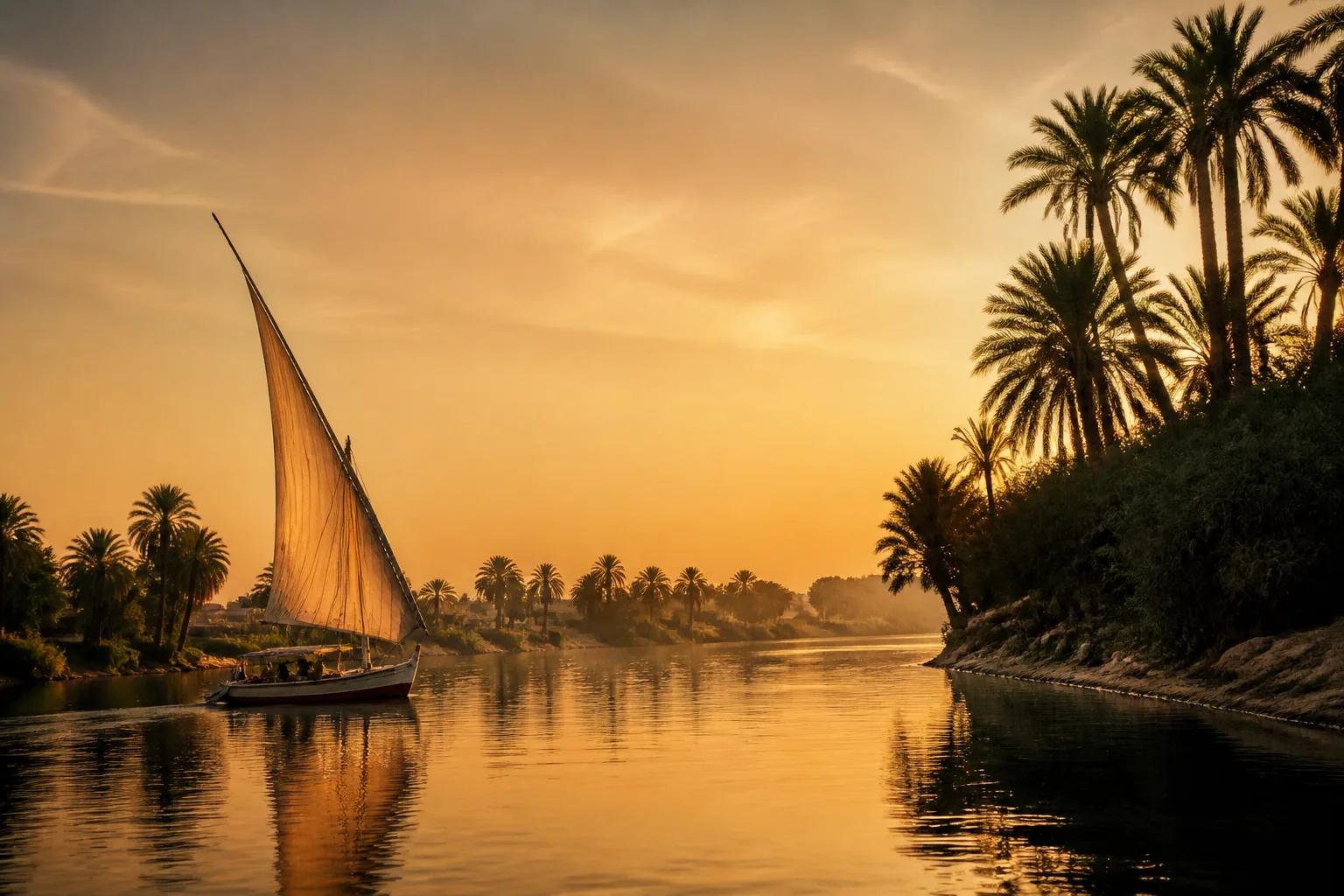
Off the trail
Middle Egypt & the Nile Valley
Dendera and Abydos near Luxor, and the deep-cut sites of Amarna and Beni Hassan few travelers reach.
Middle Egypt & the Nile Valley ticketsThe ground rules
How attraction tickets work in Egypt
A few things that are true of tickets everywhere in Egypt.
One site, one ticket
There is no national pass. Each monument charges its own entry, and the best inner rooms – the Great Pyramid chamber, Seti I's tomb, the Royal Mummies – cost extra on top. We assemble the right set for your route so you are not buying at every gate.
The good tickets are capped
Entry into the Great Pyramid, the tomb of Nefertari and a handful of others is limited each day and sells out. We hold the capped tickets ahead of your date rather than gambling on the gate.
Photography costs, sometimes
Many sites sell a separate camera or phone pass, and some paid inner rooms ban photography altogether. We tell you which before you go, so the rule is not a surprise at the desk.
A guide is what the ticket is missing
An entry ticket gets you through the gate; an Egyptologist tells you what you are looking at. On unlabelled museum cases and unsigned tomb walls, it is the difference between seeing and understanding. We add one to any booking.
The organized way
We do more than the ticket
We can book any ticket on these pages, but most travelers let us run the whole trip: private day tours with a licensed Egyptologist and all entrance fees included, hotels at our net rates, flight-tracked transfers, and Nile cruises with the temples built in. Cairo · Luxor · Aswan · Hurghada · Marsa Alam · Sharm El Sheikh, on the ground since 1988.
Guided day tours
Private tours with a licensed Egyptologist and every entrance fee included, in every city on these pages.
Browse day toursHotels in Egypt
Hand-picked hotels at our net rates, matched to where you want to spend your mornings.
Find a hotelAirport transfers
Private, flight-tracked meet-and-greet from the airport to your hotel door.
Airport transfersNile cruises & packages
Sail Luxor to Aswan with the temples, full board and an Egyptologist built in.
Nile cruisesCommon questions
Egypt attraction tickets, answered
01Do I buy a separate ticket for every attraction in Egypt?+
Yes, in most cases. Egypt has no nationwide pass, so each major site charges its own entry, and the finest inner rooms – inside the Great Pyramid, the premium tombs at Luxor, the Royal Mummies in Cairo – carry an extra ticket on top of the door. A few clusters share one ticket, such as Al-Muizz Street in Cairo. We put the right combination together for your itinerary and book it as one plan.
02Which Egypt attraction tickets sell out or need booking ahead?+
The capped ones. Entry into the Great Pyramid of Khufu is limited each day and regularly sells out; the tomb of Nefertari in Luxor caps both numbers and minutes inside; the Abu Simbel Sun Festival is dated and heavily booked. For these we secure the ticket before your date rather than relying on the gate. Most other sites you can buy on the day, but a guide and skip-the-line entry still save the queue.
03Are tickets cheaper if I book a tour instead of going alone?+
The entry price is the same either way – it is set by the Ministry. What a booking with us adds is the queue handled, the capped tickets held in advance, the camera passes sorted, and an Egyptologist to read the site. For the big museums and the tombs, that guide is what turns a ticket into an experience, and it is the part you cannot buy at the gate.
04Can I get skip-the-line tickets for the Pyramids and the Valley of the Kings?+
Yes – we book entry for the Giza plateau, the inner-pyramid tickets, the Valley of the Kings and the premium tombs, hold the capped ones ahead, and bring you in with a guide so the queue and the camera passes are ours to manage. Choose Giza or Luxor above for the full site list and current pricing.
05Do attraction tickets include a guide?+
Not by default – an entry ticket is just the gate. We add a licensed Egyptologist to any booking, which on Egypt's unlabelled museum cases and unsigned tomb walls is the difference between walking through and understanding what you are seeing. Tell us the sites and we will say where a guide earns its keep and where you are fine alone.
Tickets & guides
Plan your Egypt sites
Tell us where you are going and which sites you want, and we send the tickets, hold the capped ones ahead, add a guide where it counts, and route the days around the crowds. Cairo · Luxor · Aswan · Hurghada · Marsa Alam · Sharm El Sheikh, on the ground since 1988.