Skip to content
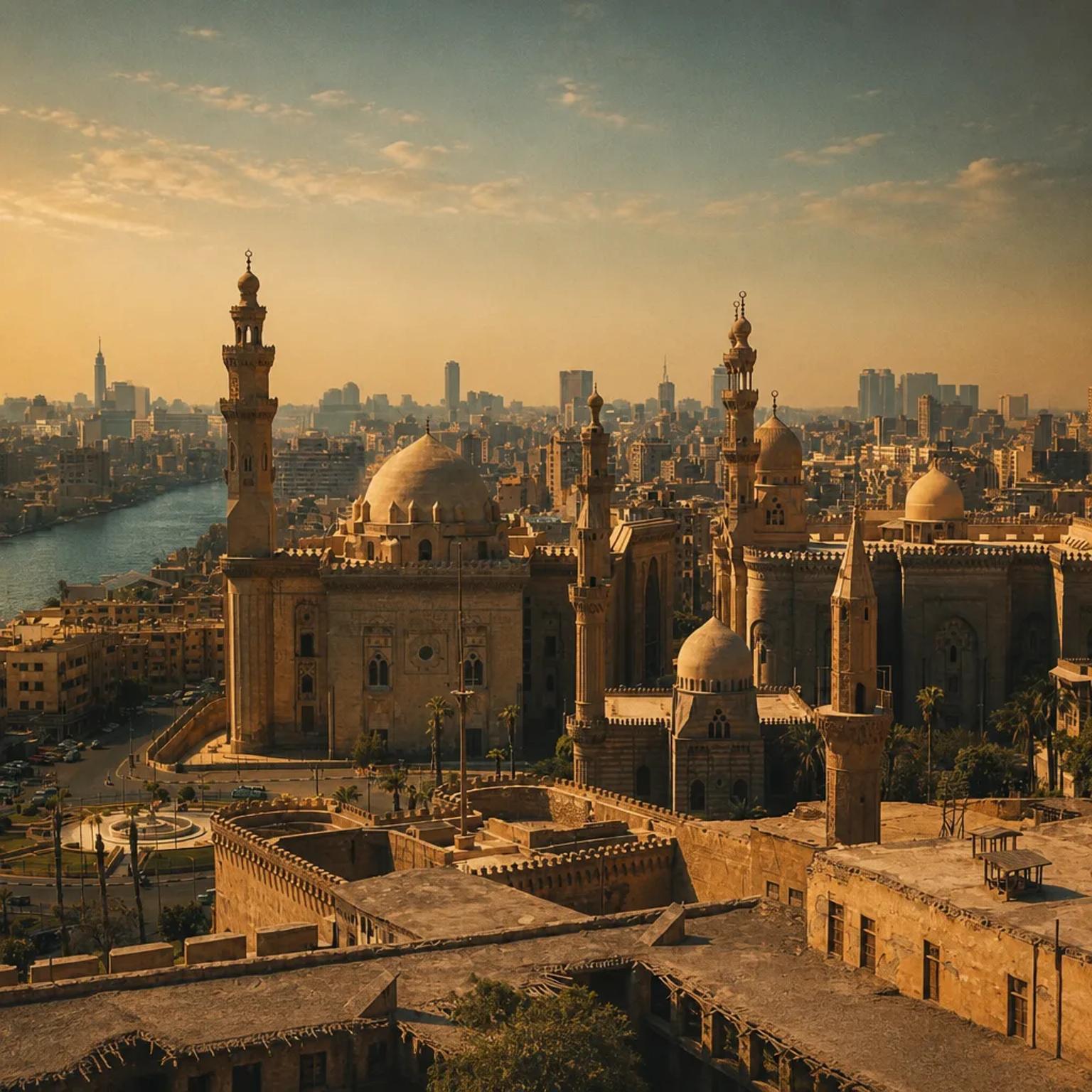
Karnak Temple and the Nile at Luxor in golden light

Upper Egypt · Destination guide

Luxor

Ancient Thebes rebuilt in stone – Karnak, the Valley of the Kings and the Nile all within a few miles of each other.

Region
Upper Egypt, on the Nile
Best for
Temples & tombs · archaeology
Ideal stay
2–3 nights
When to go
October–April
Airport
Luxor (LXR)
Pairs with
Aswan · a Nile cruise · Cairo

Get your bearings

What Luxor actually is

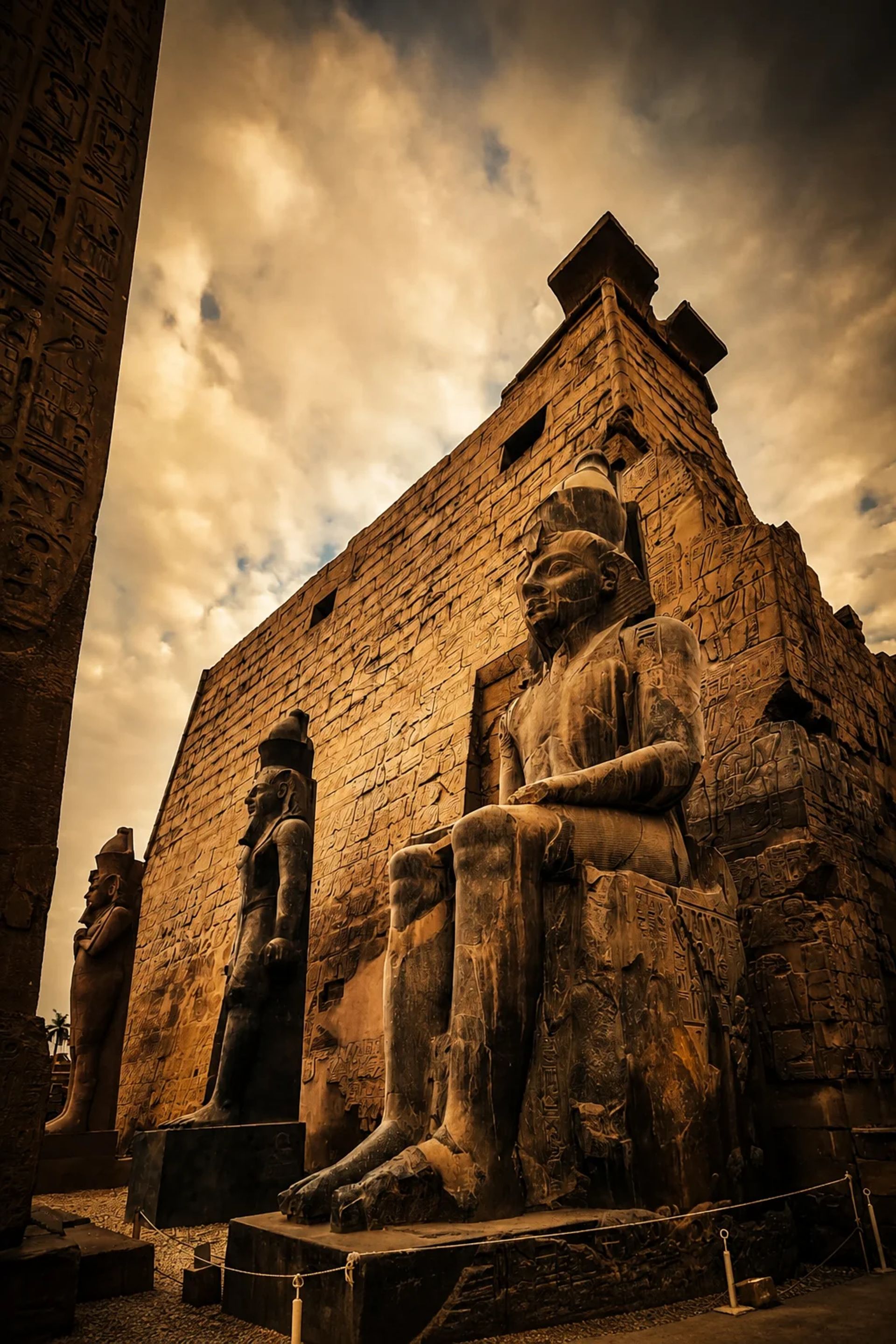
Luxor stands on the site of Thebes, capital of Egypt at the height of its power, and it packs more ancient monuments per square mile than any other town on the Nile. The Nile splits the town in two: the East Bank, where the living built Karnak and Luxor Temple, and the West Bank, where they buried their kings in the hills above the floodplain.

Karnak alone is the largest religious complex ever built – a forest of stone columns added to by pharaoh after pharaoh for two thousand years. Across the river, the Valley of the Kings hides the rock-cut tombs of Tutankhamun, Seti I and Ramses VI, their painted ceilings still bright after three thousand years.

Most travelers reach Luxor by a short flight from Cairo and use it as the northern end of a Nile cruise down to Aswan. Two nights covers the headline sites; three lets you cross the river slowly, drift up at dawn in a balloon, and give Karnak the morning it deserves.

What you're really here to see

The landmarks that make Luxor

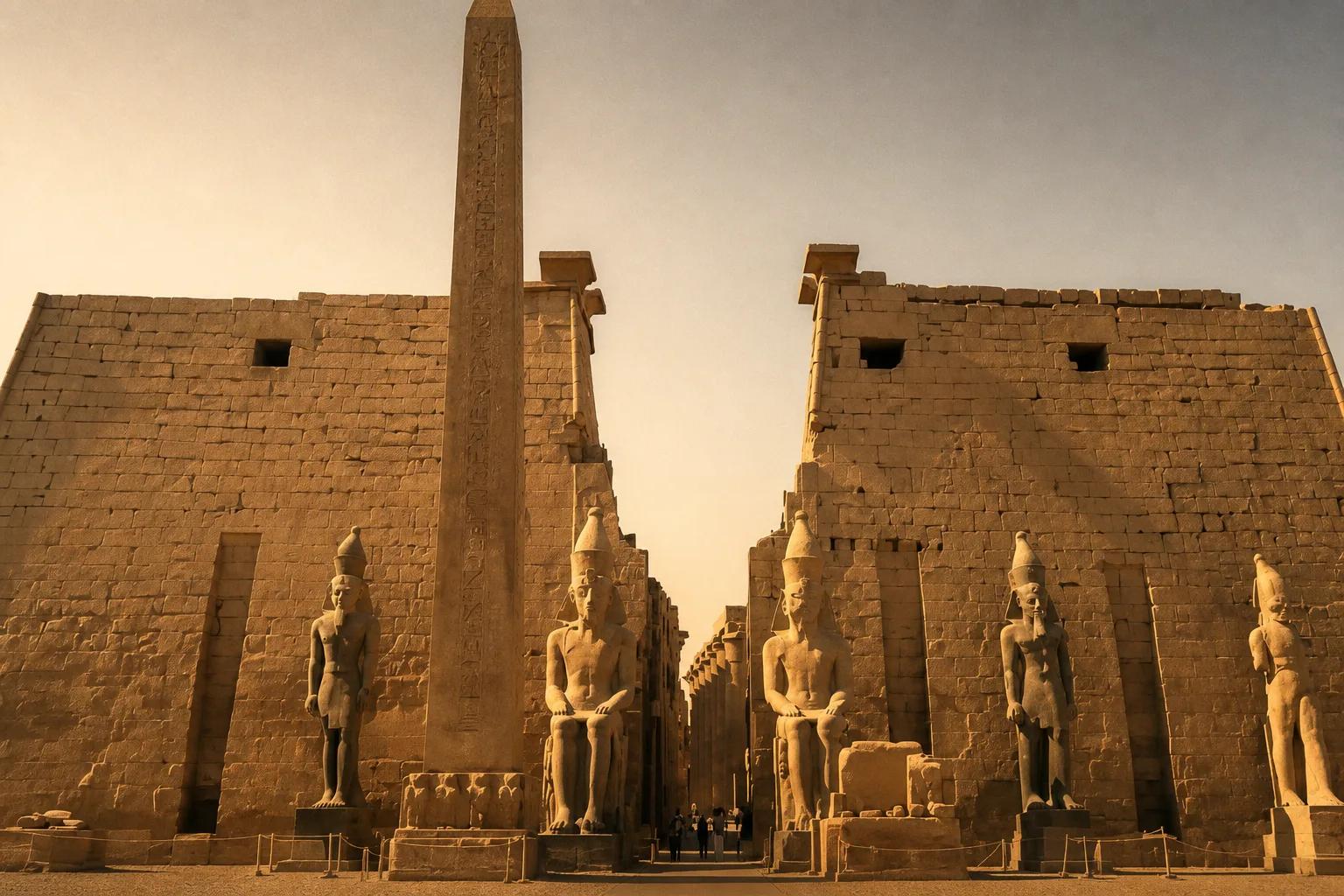
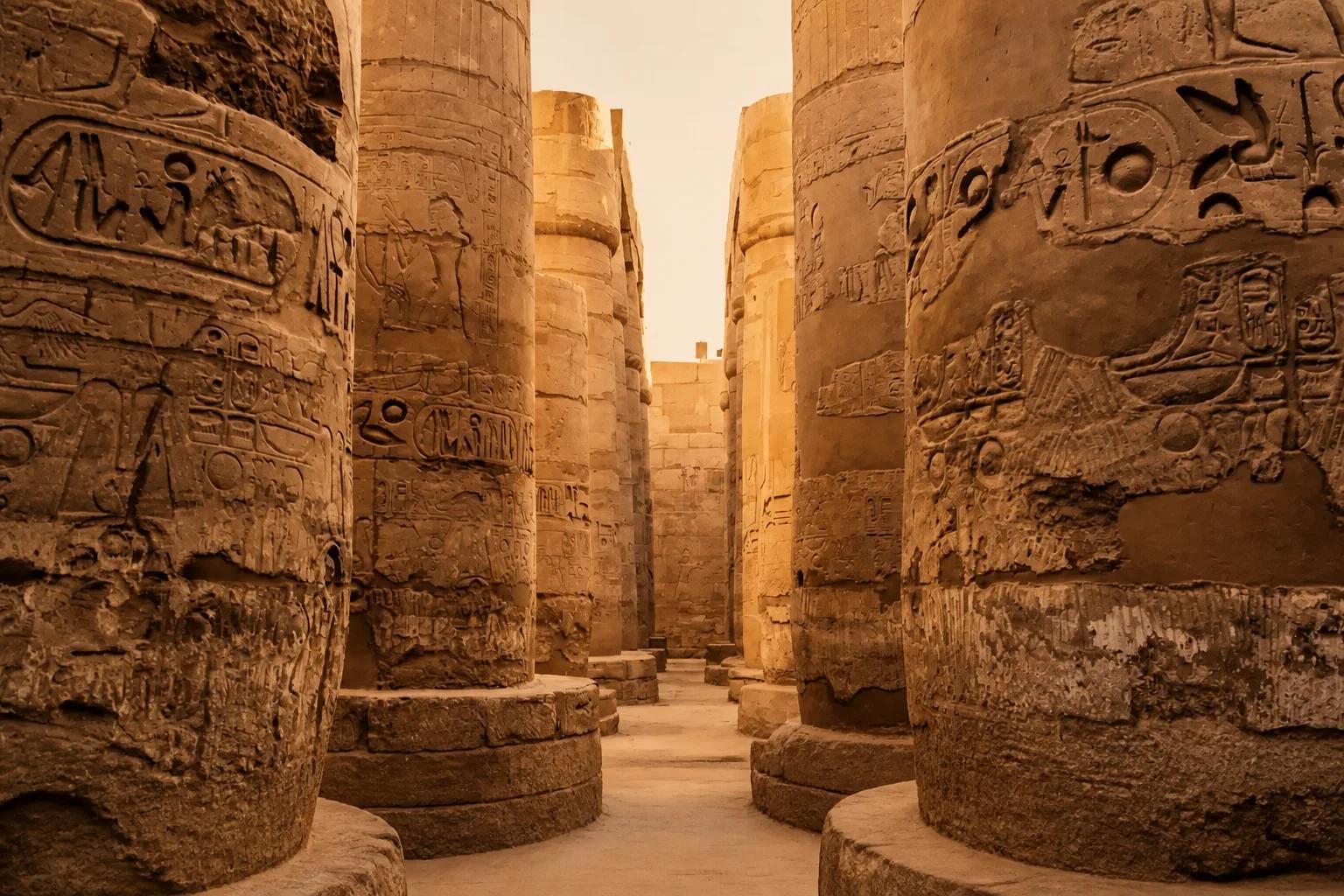
The Great Hypostyle Hall of columns at Karnak Temple01

Karnak Temple

The largest religious building ever raised, expanded by thirty pharaohs over two millennia. The Great Hypostyle Hall packs 134 columns so vast that a dozen people can stand on a single capital. Go early, before the light goes flat and the coaches arrive.

Half day · go at opening
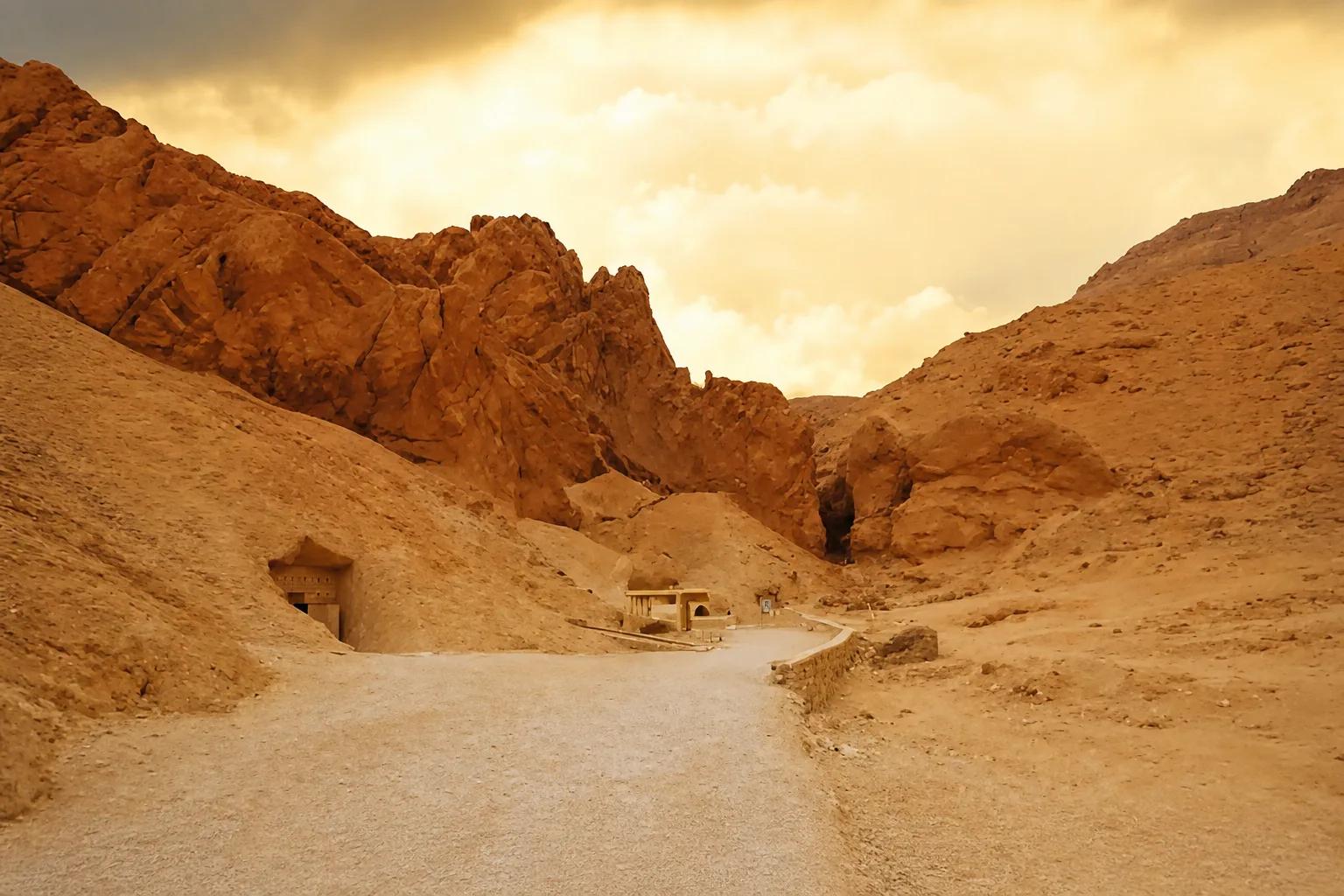
Painted corridor inside a royal tomb in the Valley of the Kings02

The Valley of the Kings

Sixty-three tombs cut into the limestone of the West Bank, including Tutankhamun's. The painted walls still carry their original color – gods, star-ceilings and the king's journey through the underworld, rendered for an audience of one.

Tickets cover 3 tombs

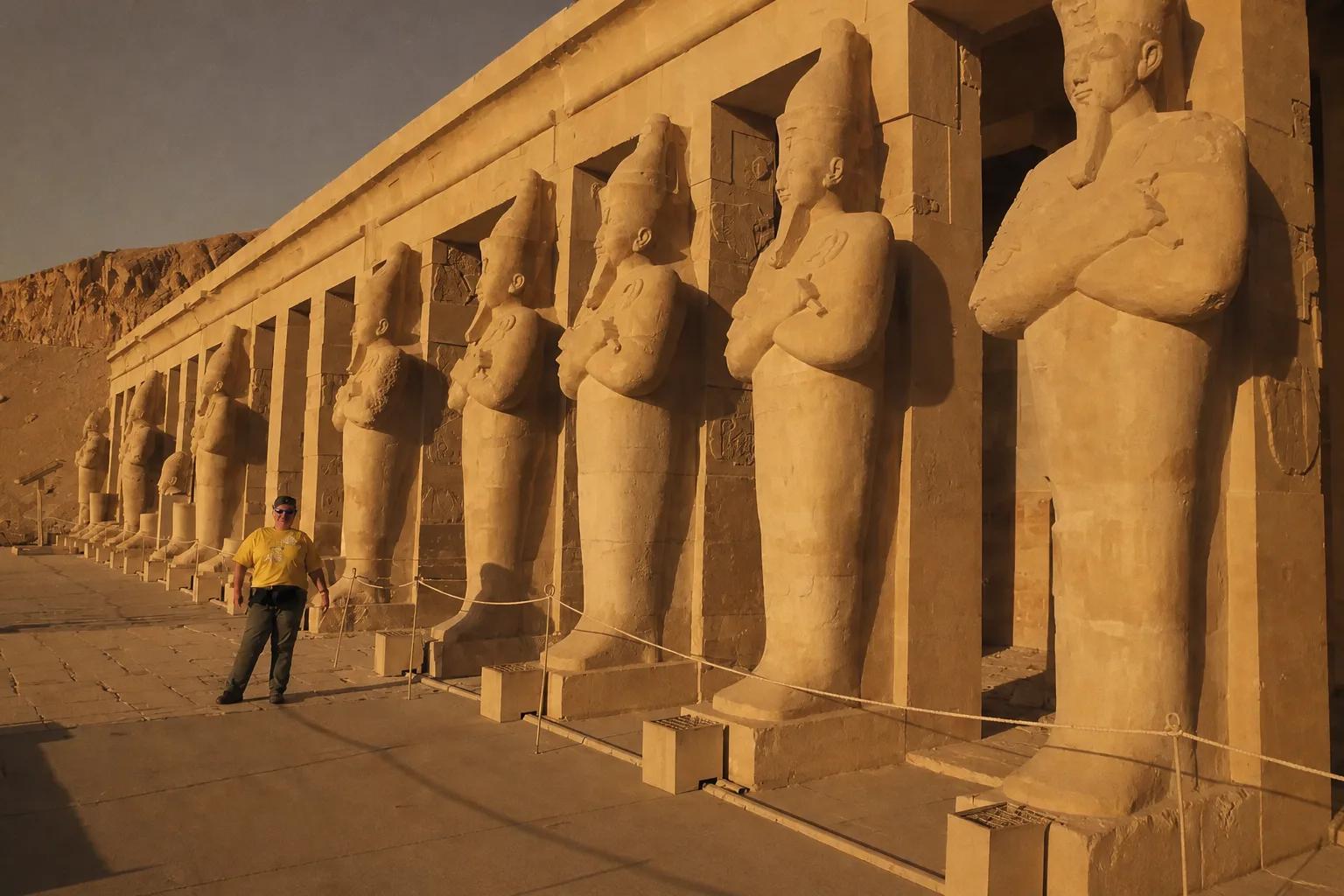
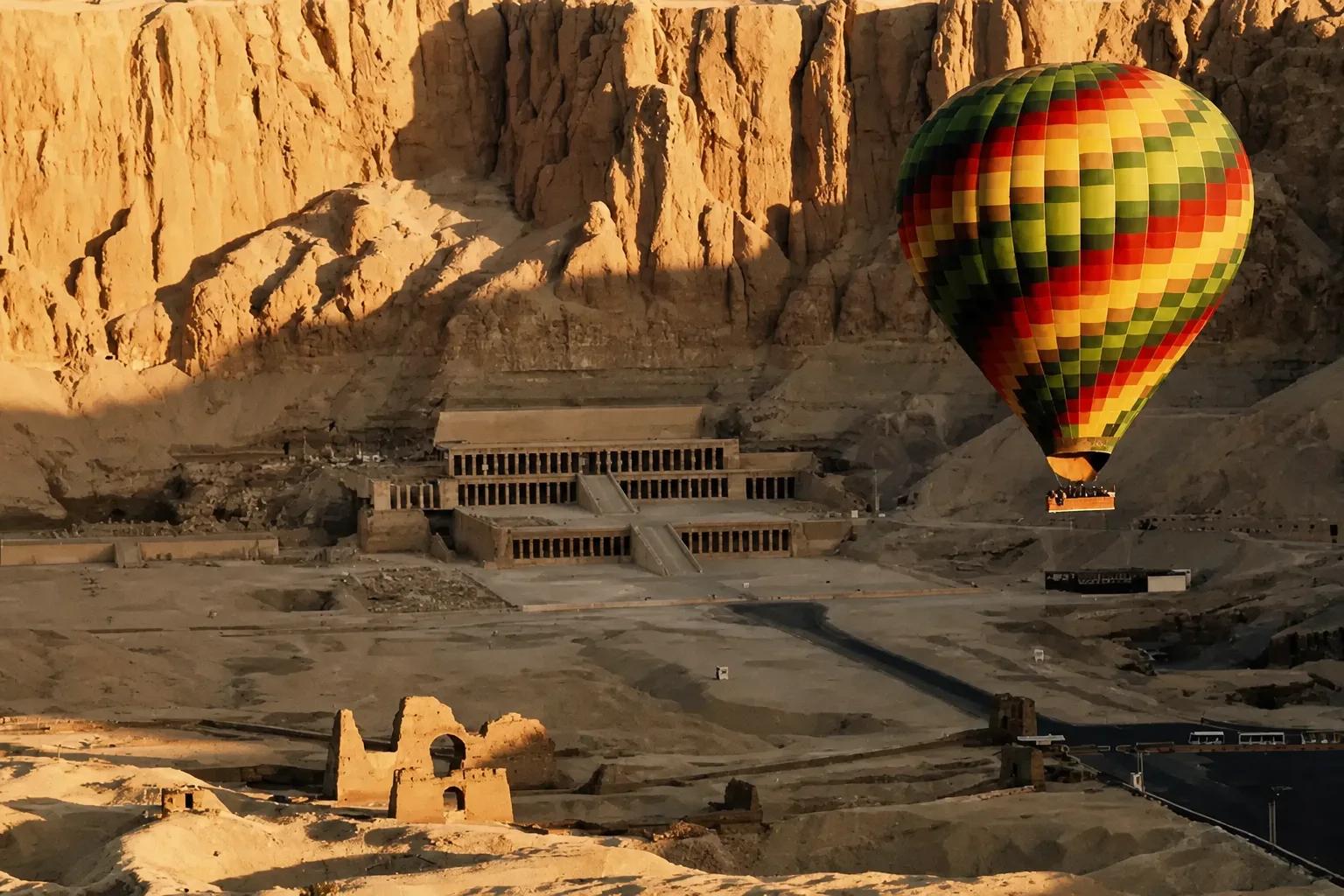
The colonnaded terraces of Hatshepsut's temple at Deir el-Bahari03

The Temple of Hatshepsut

Egypt's most architecturally modern monument, three colonnaded terraces rising straight out of the cliff at Deir el-Bahari. Built for the woman who ruled as pharaoh, it looks more like something from the 20th century than the 15th century BC.

1–2 hours

Luxor Temple floodlit at night beside the Nile04

Luxor Temple

Right in the heart of town and best after dark, when the floodlights catch the colonnade and the avenue of sphinxes that once ran the full three kilometers to Karnak. An easy walk from most hotels for a cool evening hour.

Best at night

Time to allow

How many days in Luxor?

Luxor is denser than it looks. The honest math on how long to give it.

1 dayThe flying visit

Karnak and the Valley of the Kings in a single hard day – common on a cruise turnaround, but both get short-changed.

2 daysThe core

East Bank one day (Karnak, Luxor Temple), West Bank the next (Valley of the Kings, Hatshepsut, the Colossi of Memnon). The right minimum.

3 daysThe proper visit

Add a dawn balloon over the West Bank, the workers' village at Deir el-Medina, and the quieter tombs of the nobles.

Cruise baseLuxor to Aswan

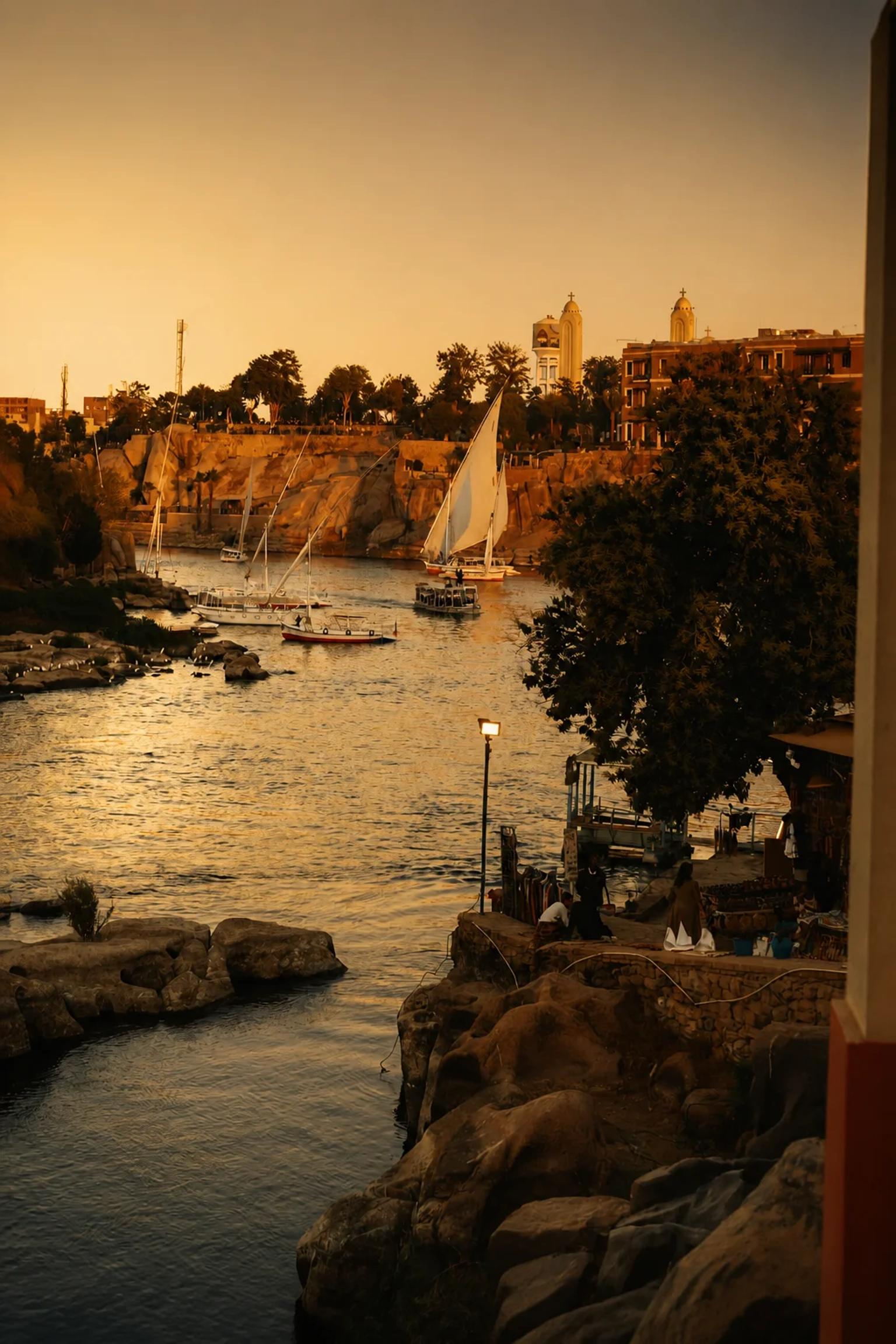
Start a 3–4 night Nile cruise here and let the boat carry you south past Edfu and Kom Ombo to Aswan.

Where it fits

Luxor in your itinerary

Luxor is the northern hinge of Upper Egypt – the start of the river journey and a short hop from Cairo.

South by river

Board a 3–4 night Nile cruise to Aswan, stopping at Edfu and Kom Ombo along the way.

North to Cairo

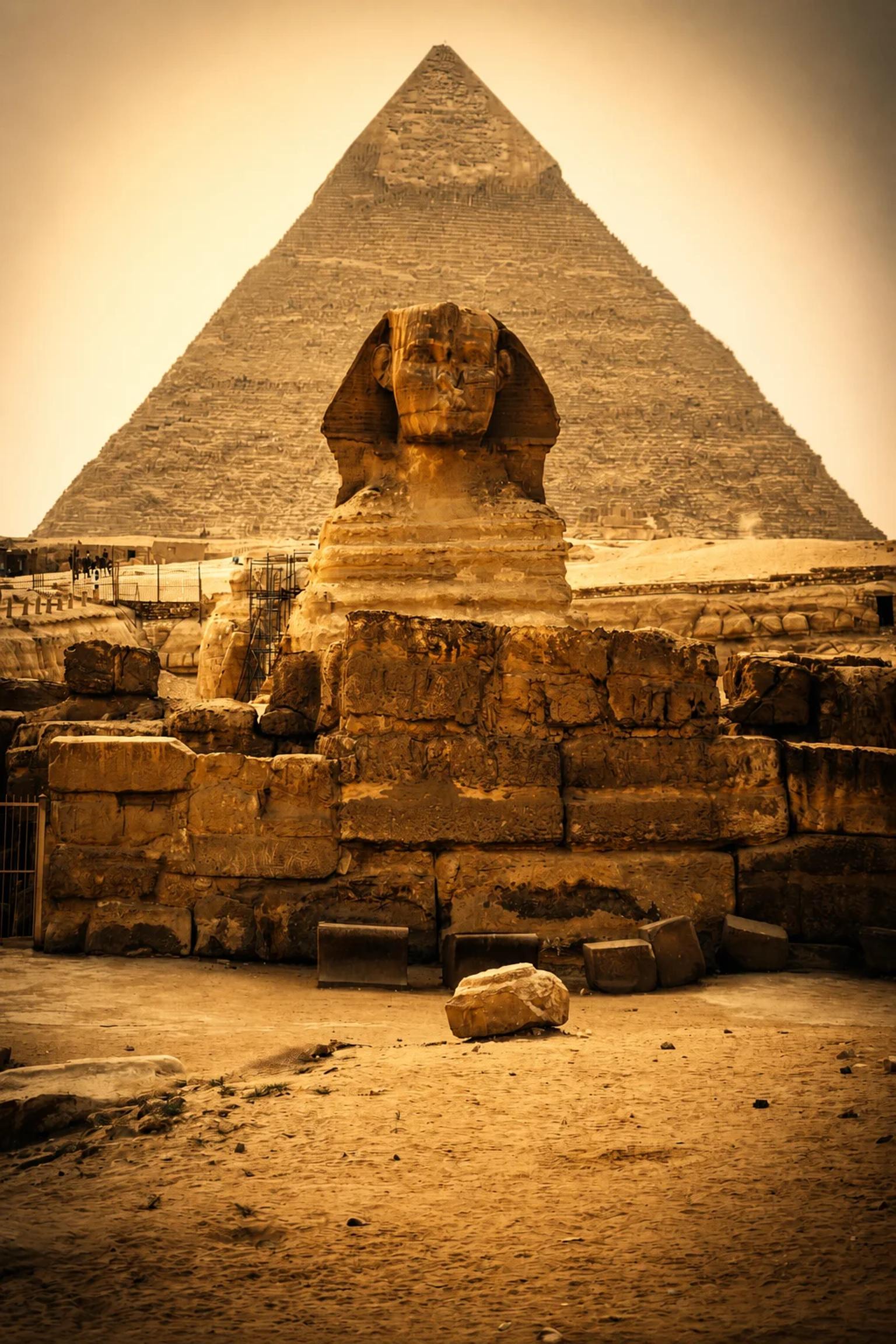
A 70-minute flight returns you to the Pyramids and the Grand Egyptian Museum.

Up at dawn

A sunrise hot-air balloon over the Valley of the Kings and the green floodplain – Luxor's signature morning.

On to the Red Sea

Hurghada is a 4-hour drive or short flight for a beach finish after the temples.

From the catalog

Tours that start in Luxor

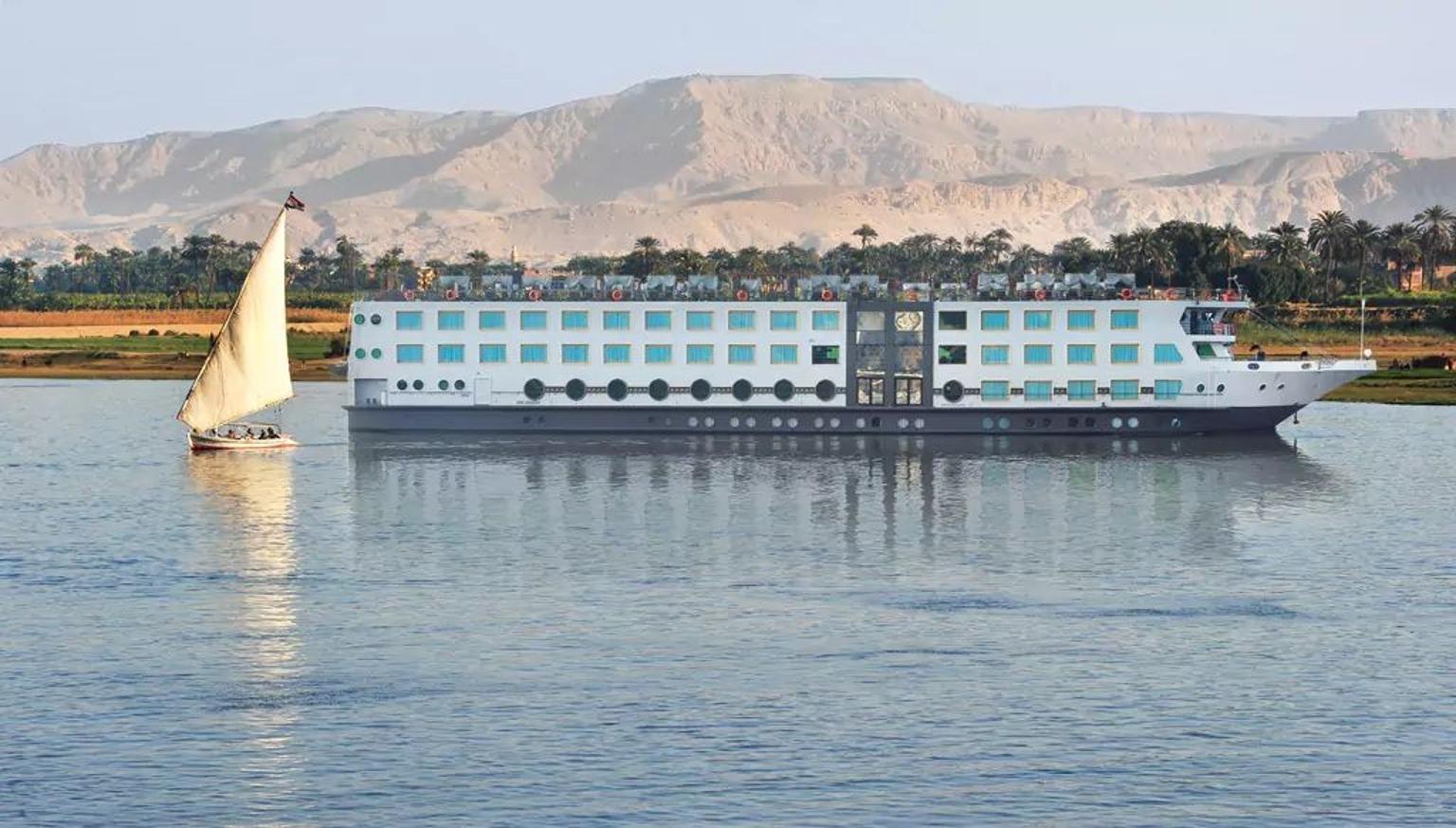
Esplanade Nile Cruise

Esplanade Nile Cruise

The Esplanade sails between Luxor and Aswan, calling at Karnak, Luxor, the Valley of the Kings, Edfu, Kom Ombo, and Philae. We are a licensed Egyptian tour operator and we arrange meet-and-assist, private modern transfers, and guided excursions with an English-speaking Egyptologist. Excursions run with groups capped at eight guests per Egyptologist, keeping commentary focused and the pace flexible. Onboard meals are full board, and evenings include Egyptian folkloric performances and relaxed time on deck. The itinerary also offers an optional Abu Simbel excursion from Aswan on disembarkation day. Unlike standard mass-market sailings, our shore visits are private, timed to avoid the busiest periods where possible.

On request7 Nights
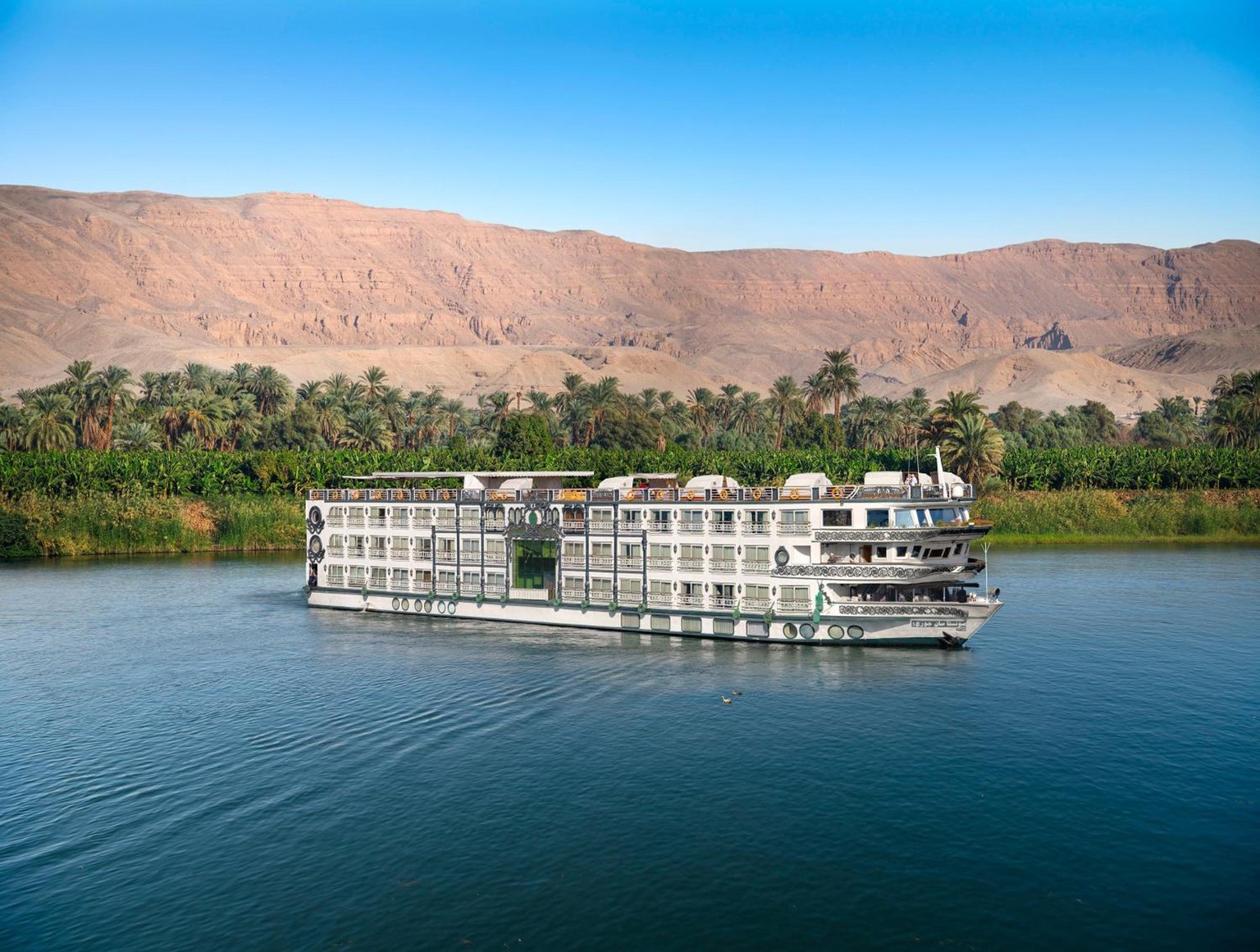
Sonesta Star Goddess Nile Cruise

Sonesta Star Goddess Nile Cruise

Sonesta Star Goddess Nile Cruise is a five-star Nile river vessel with spacious suites, each offering a private Nile-view balcony. The vessel features a sun deck, a lounge bar, a dining room, and an onboard shore-excursion program calling at Karnak, Luxor Temple, Edfu (Temple of Horus), Kom Ombo, Philae and the Valley of the Kings. We arrange this cruise for you, including full board meals from embarkation lunch through disembarkation breakfast; drinks (including water) and gratuities are typically extra. Unlike mass coach tours, the ship’s program alternates sailing and guided shore visits for calmer sightseeing pacing.

From $1,9577 Nights
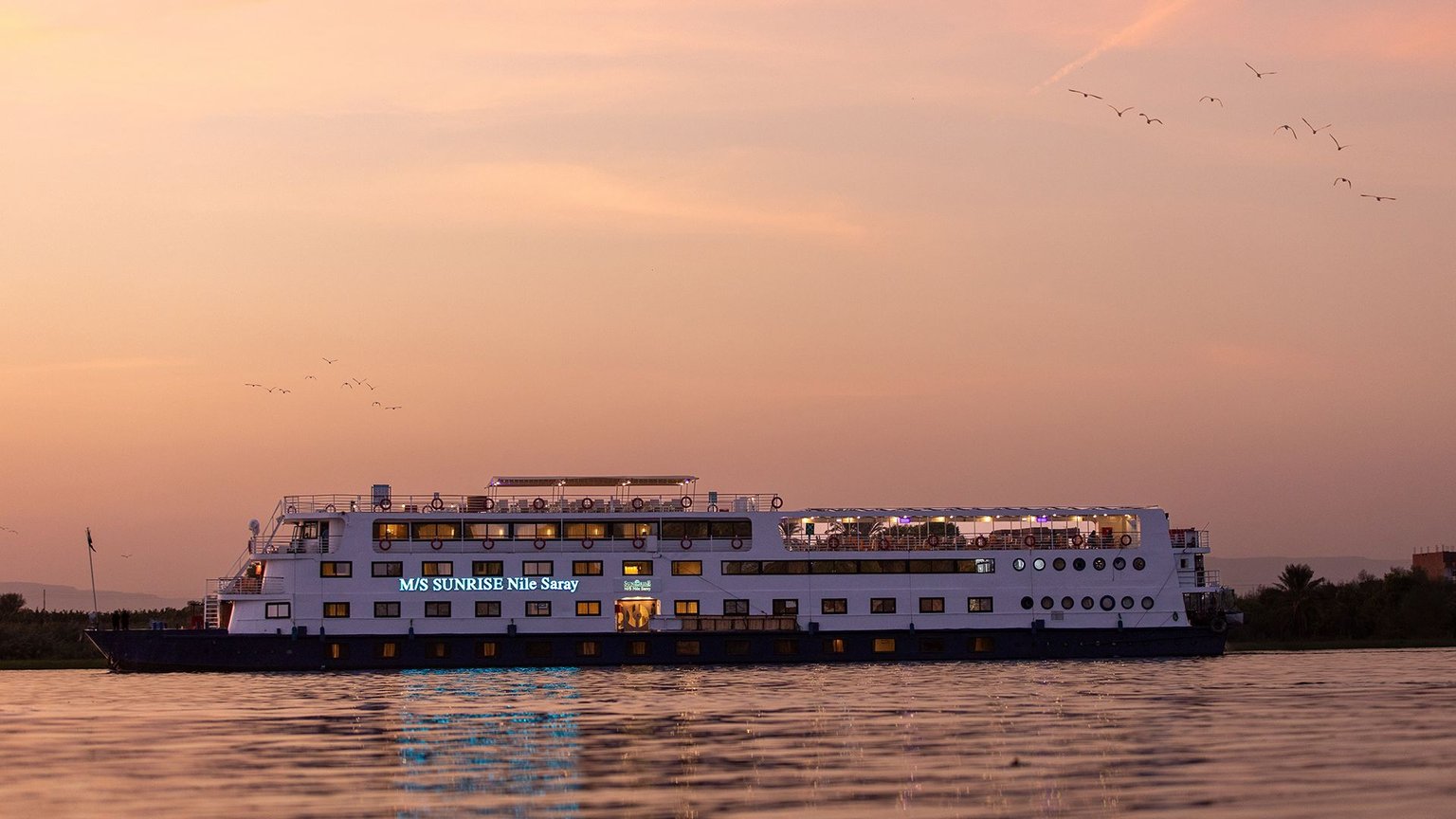
Nile Saray Nile Cruise

Nile Saray Nile Cruise

M/S Nile Saray is a 5-star Nile cruise ship that entered service in 1990 and was renovated in 2009. Its 57 cabins include 55 Standard Cabins measuring 16 m² and two Junior Suites measuring 30 m²; both categories have twin or double beds and private bathrooms. The ship has an international buffet restaurant, a bar open from 10:00 a.m. to midnight, and a sun deck with a pool and 90 loungers. A free onboard gym and evening entertainment are also available. The cruise program includes selected guided shore excursions at sites such as Karnak Temple and the Valley of the Kings. We arrange cruise bookings and on-the-ground sightseeing; the cruise ship is operated by its own operator.

From $1,0997 Nights
Sonesta St. George I Nile Cruise

Sonesta St. George I Nile Cruise

This 5-star Nile river cruise links Luxor and Aswan with sailing days and shore excursions at Egypt’s major riverside sites. The program includes visits to Karnak Temple, Luxor Temple, the Temple of Horus at Edfu, Kom Ombo, Philae and the Valley of the Kings. Full board runs from lunch on embarkation day through breakfast on disembarkation day. Drinks (including water) are generally extra. Discovery Tours Egypt selects and arranges the cruise with the vessel’s owning cruise line, so cabin allocation and sailing details are confirmed at booking.

From $2,3287 Nights
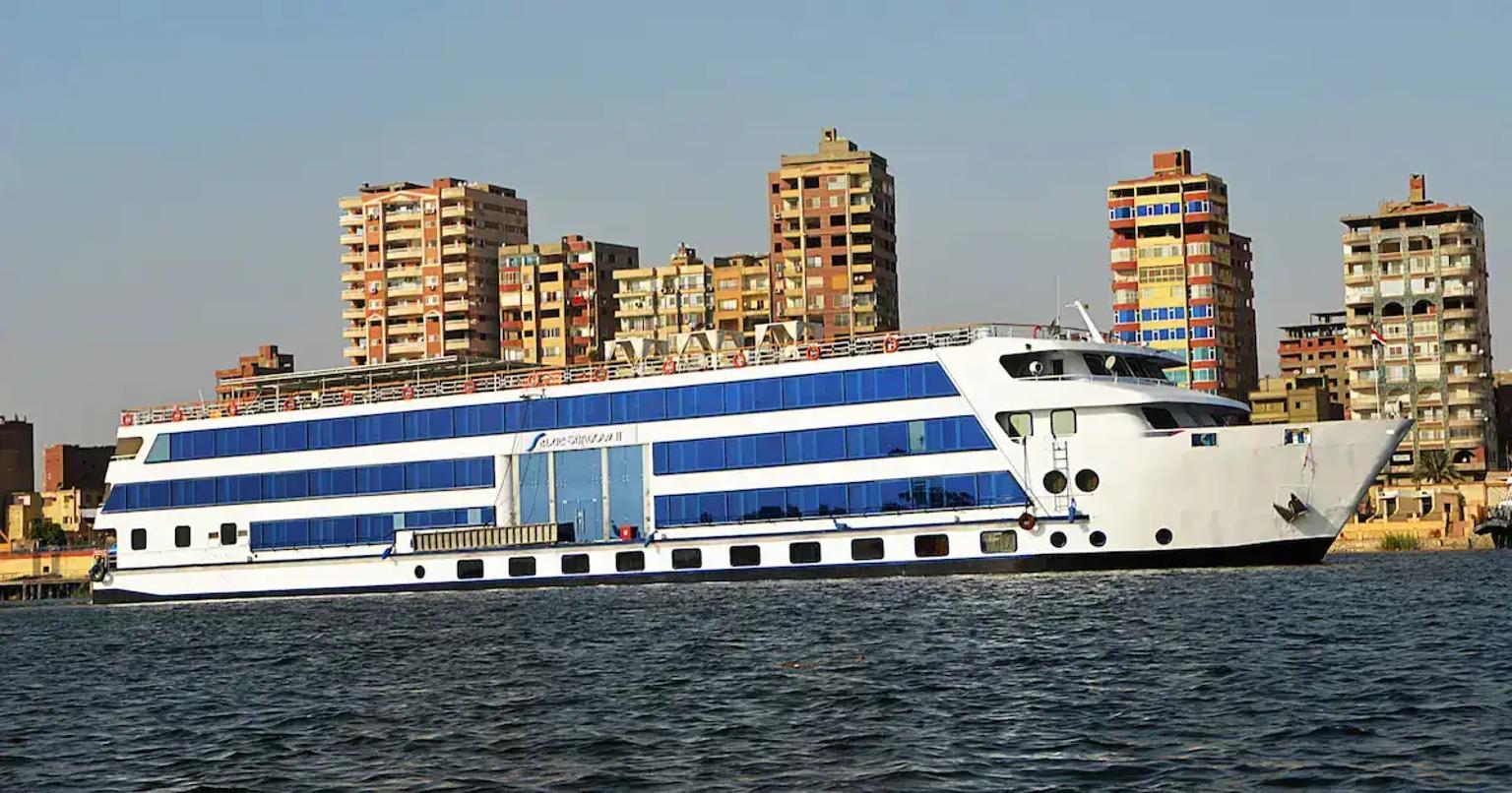
Blue Shadow I Nile Cruise

Blue Shadow I Nile Cruise

We run small-group departures, maximum eight guests, with English-speaking Egyptologists guiding all listed tours. Full-board meals are served onboard, and we provide meet-and-assist on arrival, air-conditioned transfers and entrance fees to the listed sites. The Aswan disembarkation includes an optional Abu Simbel excursion. Arranged by Discovery Tours Egypt, a licensed Egyptian tour operator, we arrange all on-the-ground details and local guides for each excursion.

From $1,0997 Nights
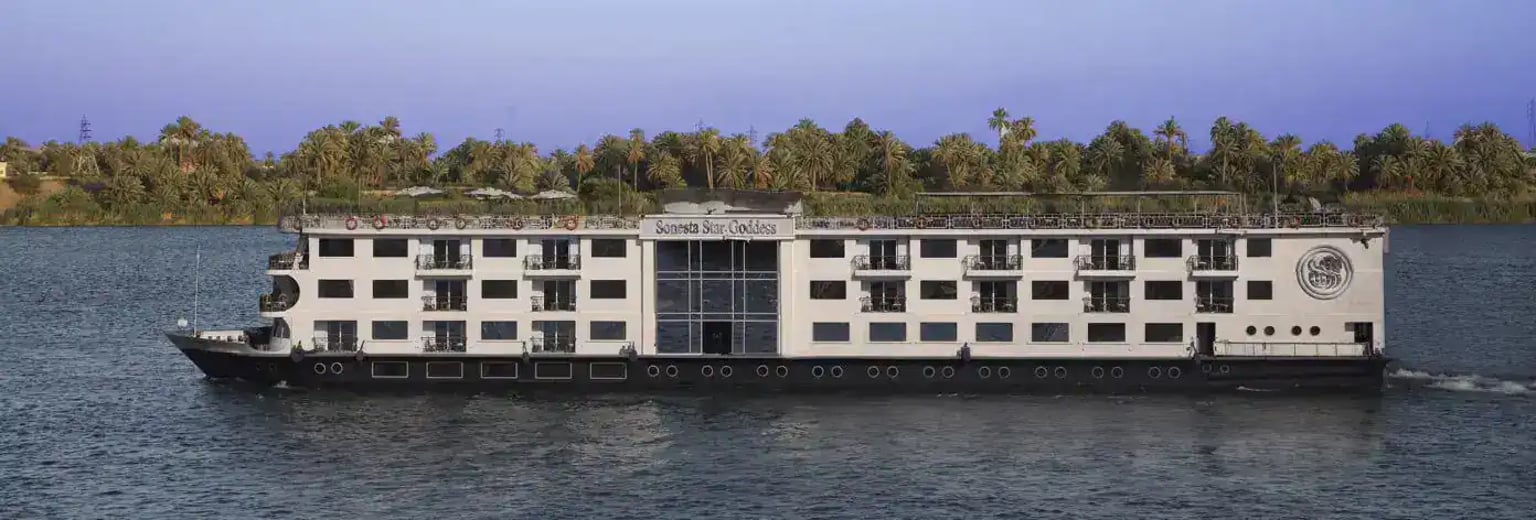
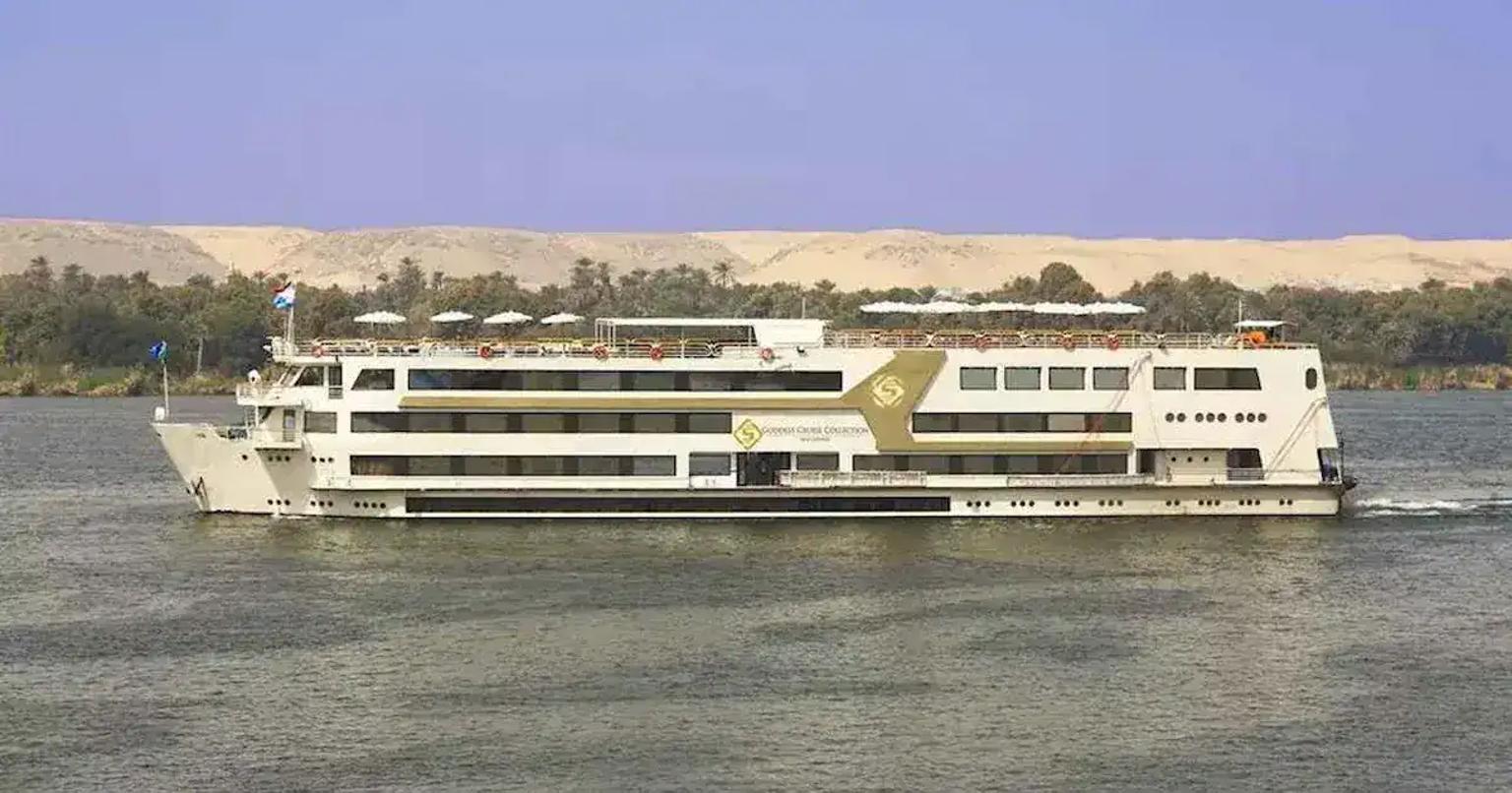
Sonesta Nile Goddess Nile Cruise

Sonesta Nile Goddess Nile Cruise

We operate this cruise as a licensed Egyptian tour operator and run Egyptologist-led, private shore excursions rather than coach-based group stops. Typical calls include Karnak, Luxor Temple and Luxor West Bank (Valley of the Kings, Hatshepsut); northbound sailings often visit Edfu and Kom Ombo. We handle all private transfers, embarkation formalities and daily briefing by our Egyptologists. Trade-offs: expect early starts, walking on uneven ancient stone, and limited shade at midday ashore.

From $1,2167 Nights
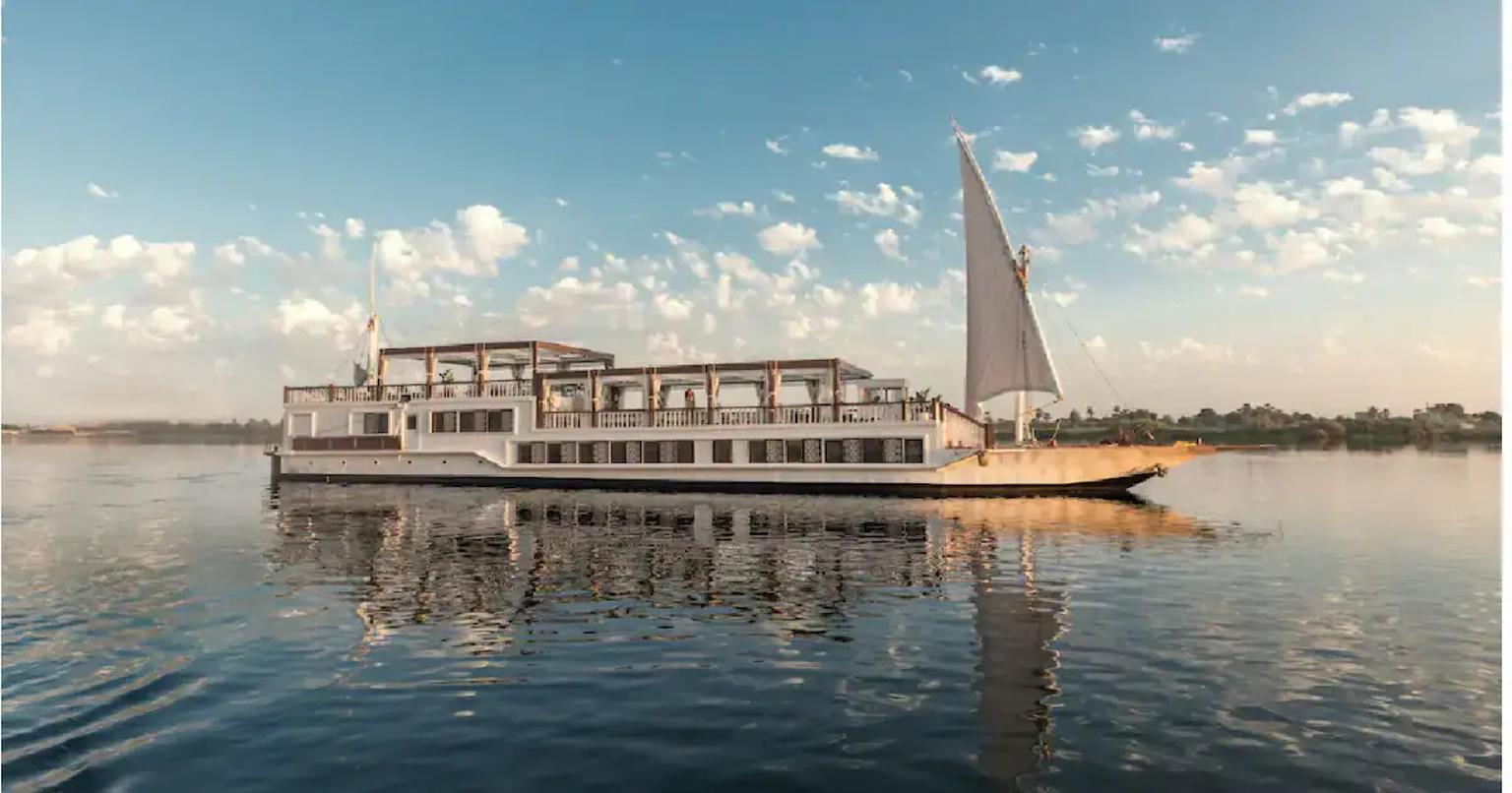
Zahra Dahabiya

Zahra Dahabiya

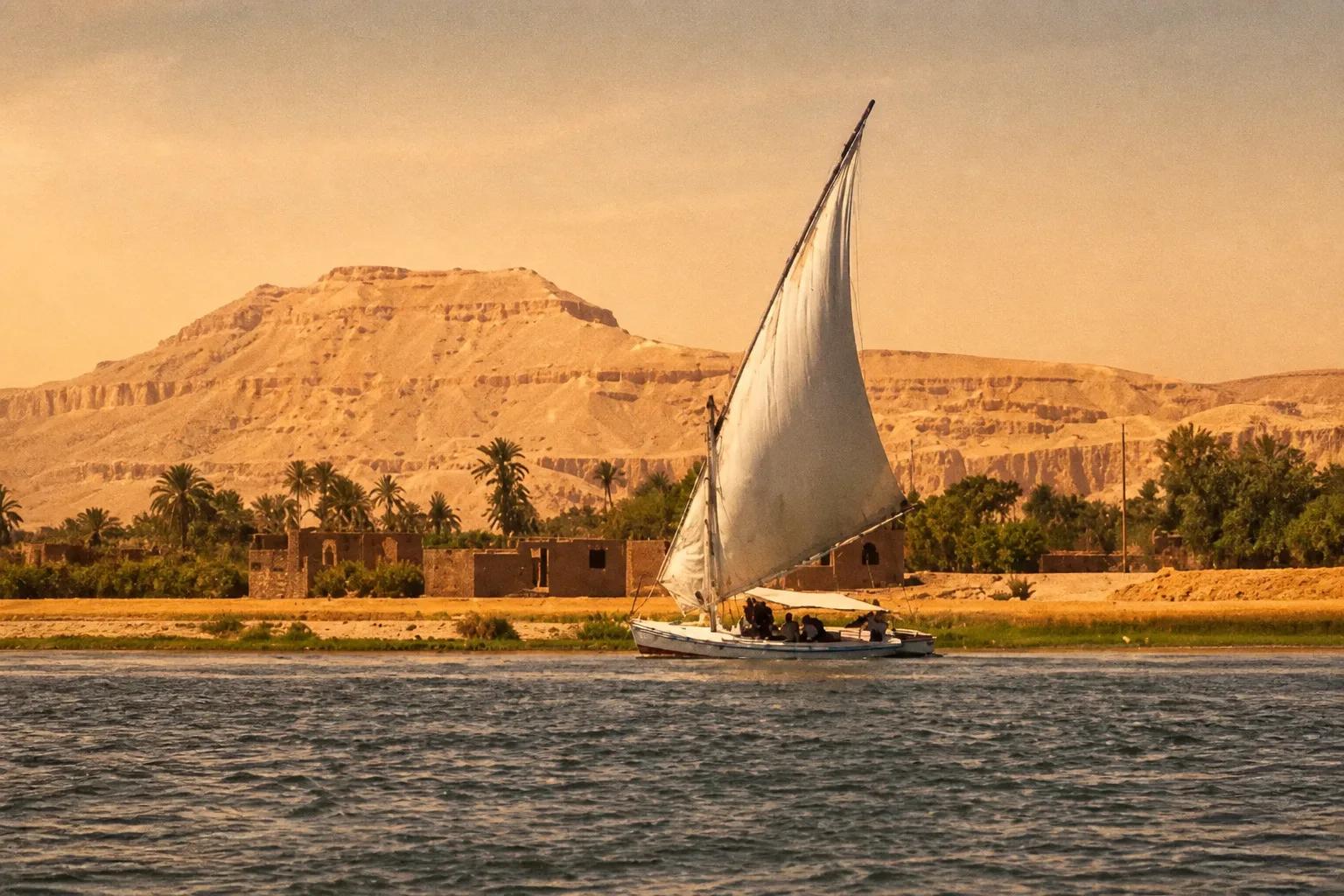
Zahra Dahabiya is a traditional dahabiya sailing from Luxor to Aswan, calling at Karnak, Edfu, Kom Ombo, and Philae. Each day pairs guided visits to named monuments with long stretches on the river, from a sunset walk at Luxor Temple to an overnight anchorage on a Nile island. You pass through Esna Lock, travel by horse carriage to the Temple of Horus at Edfu, and explore Kom Ombo’s double temple and a Nubian village. Aswan concludes with Philae and optional excursions to the High Dam or Abu Simbel. We limit each cruise to about 10–14 guests, keeping shore visits quieter and schedules flexible. Unlike faster motor cruises, a dahabiya sails more slowly, allowing extended time ashore at Edfu and Kom Ombo. We are a licensed Egyptian tour operator with Cairo-based advisors.

From $1,6843 Nights
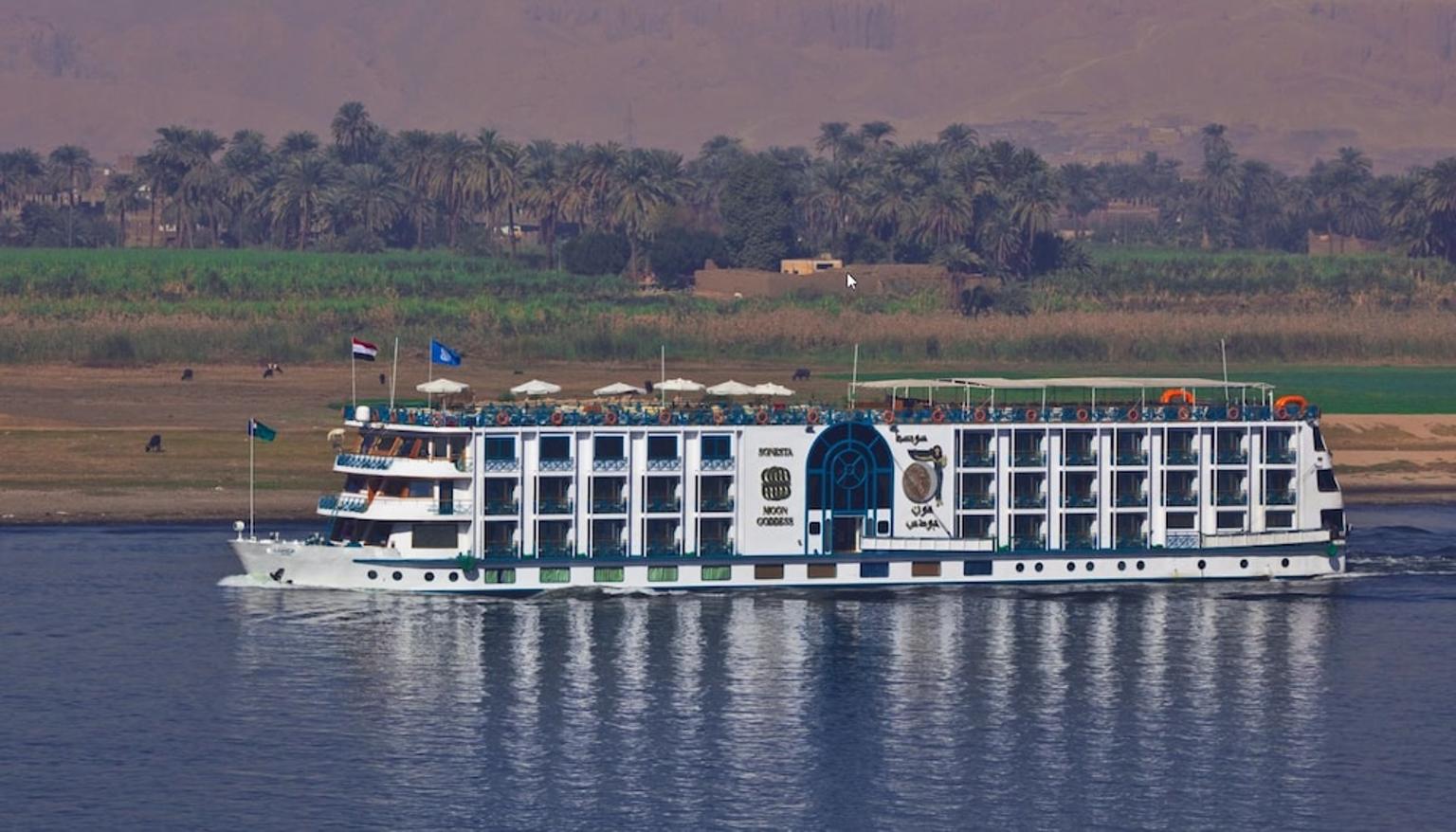
Sonesta Moon Goddess Nile Cruise

Sonesta Moon Goddess Nile Cruise

I walk you through the West Bank at first light–Valley of the Kings and Hatshepsut–so soft morning sun reads the painted reliefs better and tour groups are thinner. After lunch you cross the Esna lock; the lock passage and crew work take about 30–45 minutes. The vessel cruises south through stretch-views of date-palms and small river farms, stopping at Edfu for a focused 90–120 minute visit to Horus’s temple, then at Kom Ombo to read the dual sanctuaries carved for Sobek and Haroeris. In Aswan we make time for Philae island by motorboat and the quarries with the Unfinished Obelisk. Cabins are river-cruise scale–compact and functional, with en suite facilities and daily housekeeping–not ocean-liner space. Meals are full board on board; breakfast, lunch and dinner follow a mix of international and local dishes. Expect early starts and warm midday sun; dress in layers for morning tombs and bring comfortable walking shoes for uneven stone surfaces. I brief the route each evening so you know timings for the next day’s temple visits, transfers to the pier, and any optional extras like a felucca ride in Aswan. This schedule balances on-board cruising time with practical walking time at each site to let inscriptions and architectural details register properly.

From $1,4897 Nights
3-Day Egypt Short Break: Cairo & Luxor

3-Day Egypt Short Break: Cairo & Luxor

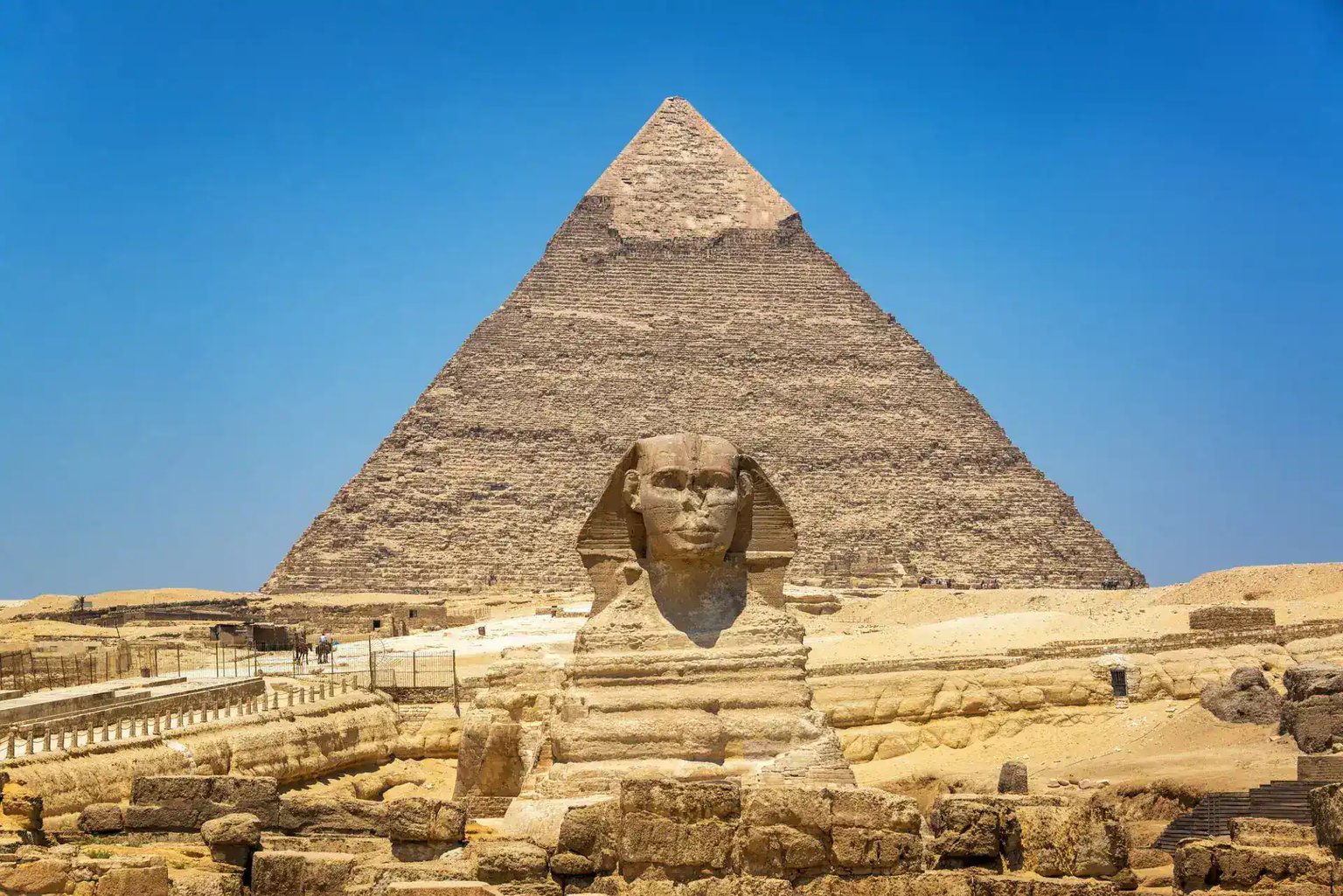
A three-day Egypt short break for travelers with limited time. It starts with Cairo by night, then a half-day visit to the Giza Pyramids and the Sphinx, a domestic flight to Luxor and a private motorboat ride to Banana Island at sunset. On the last day you tour Karnak Temple with a private licensed Egyptologist and fly back to Cairo for your departure. Two domestic flights, two hotel nights with breakfast and all transfers are included. It is a short, busy trip that gives a first taste of ancient and modern Egypt.

From $1,0133 Days

Best time to visit

When to go to Luxor

Luxor sits in the desert south, so the seasons bite harder than on the coast.

October–April · best

22–30°C and clear – ideal for long mornings among the temples. Peak season; book the balloon and hotels ahead, especially December and February.

May–September · very hot

40–45°C by midday. Sightseeing is a dawn-only affair, but prices fall sharply and the sites are nearly empty before 9am.

Sound & light

Karnak's evening show is a gentle way to see the complex lit up once the heat drops – worth an hour on a first night.

Balloon weather

Flights run almost year-round but cancel in high wind. Build a spare morning into the plan if the balloon is a must.

The practical part

Getting there & around

Small, walkable and split by the river – the practical part.

01

Getting in

Luxor has its own airport (LXR), about 20 minutes from the East Bank, with several daily flights from Cairo and seasonal international charters.

02

Crossing the river

The West Bank tombs are a short drive over the bridge or a few minutes by local ferry. We run the West Bank as a guided half-day by private car.

03

Getting around

The East Bank sites are walkable or a quick caleche ride; the West Bank needs a car. A private Egyptologist turns the tombs from pretty to legible.

04

Tickets

Valley of the Kings entry covers three tombs; Tutankhamun, Seti I and Nefertari carry separate tickets. We pre-arrange the ones worth the upgrade.

Common questions

Luxor, answered

01How many days should I spend in Luxor?+

Two full days is the comfortable minimum – one for the East Bank (Karnak and Luxor Temple) and one for the West Bank (the Valley of the Kings, Hatshepsut and the Colossi of Memnon). A third day adds the dawn balloon and the quieter tombs.

02What's the difference between Karnak and Luxor Temple?+

Karnak is the vast temple complex on the edge of town, built over two thousand years; Luxor Temple is the smaller, elegant one in the center, best seen floodlit at night. An avenue of sphinxes once connected the two.

03Is the Valley of the Kings worth it?+

Yes. Your ticket covers three tombs, and the painted walls are extraordinary – gods, hieroglyphs and star-ceilings still in their original color. Tutankhamun's tomb and the long, deep tomb of Seti I are worth the separate tickets.

04How do I get from Luxor to Aswan?+

By Nile cruise – a 3–4 night sailing south past Edfu and Kom Ombo is the classic way and the most scenic. There's also a 3-hour drive or a short domestic flight if you're not cruising.

05Is the hot-air balloon in Luxor safe?+

Operators are licensed and fly at dawn in calm conditions, cancelling in high wind. It's one of the most popular things to do in Luxor – at sunrise the temples and the green floodplain spread below you and the Nile catches the first light.

06Which side of the river should I stay on?+

The East Bank has most hotels, restaurants and the two big temples within walking distance – the easy choice for a first visit. The West Bank is quieter and closer to the tombs, better for a second stay or a slower pace.

Read next

More on Luxor

Plan your trip

Build your Luxor trip with our Egyptologists

Tell us your dates and what you want out of Luxor – we'll send a private, tailored itinerary within 24 hours. Cairo · Luxor · Aswan · Hurghada · Marsa Alam · Sharm El Sheikh, on the ground since 1988.

Plan my Luxor trip