
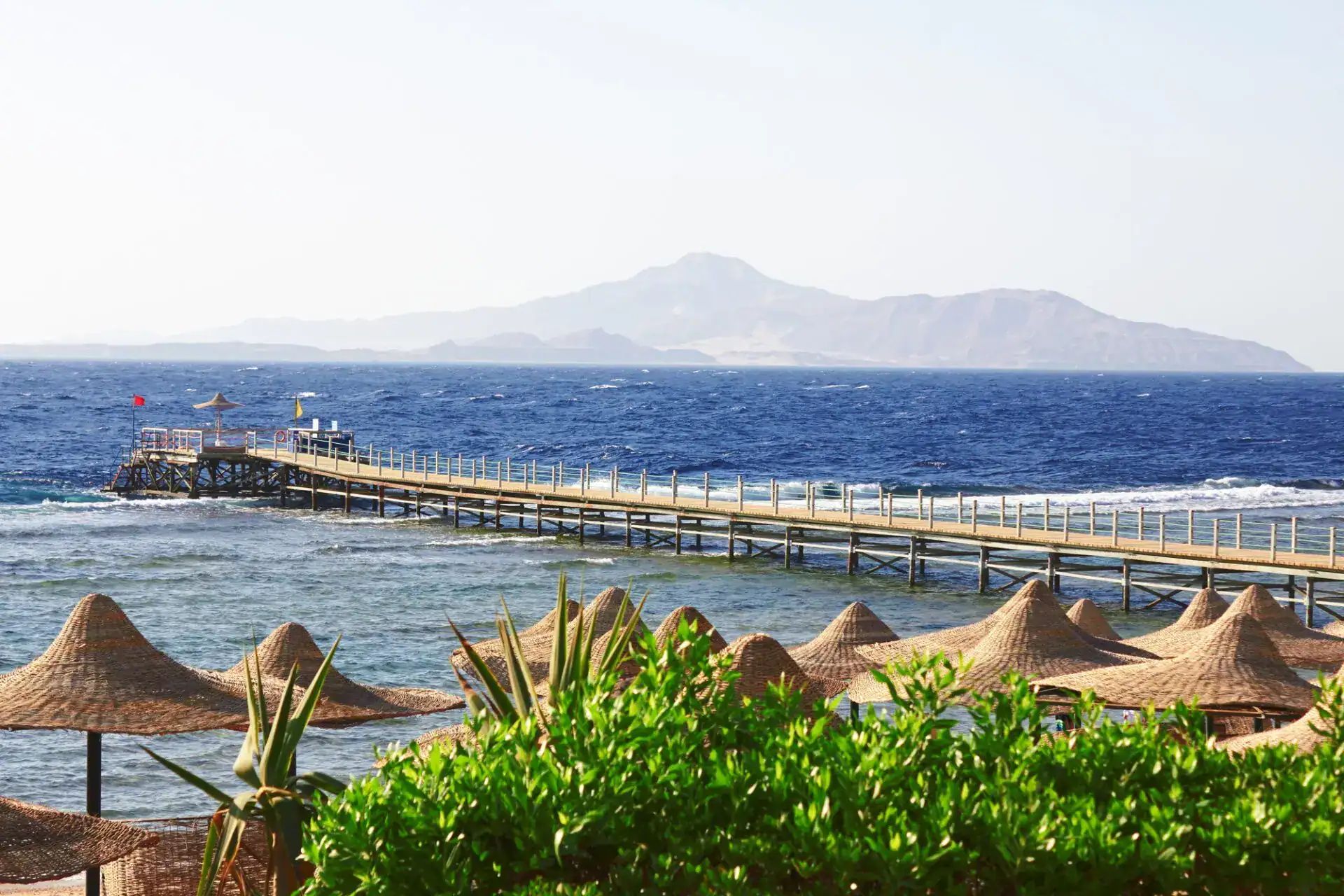
Marsa Alam sits far south on Egypt's Red Sea coast, and the weather here is mostly dry and sunny. There is no rainy season to avoid. What changes through the year is the heat, the wind and the temperature of the sea.
Here is the year in four plain stages, so you can match your dates to your plans.
December to February: cool water, more wind
This is the coolest stretch. Days are pleasant and often sunny, and evenings in the desert turn chilly. The water drops to about 22 to 24 degrees Celsius, which feels cold when you first get in and fine once you are moving.
Wind is more common in these months, and it can make the boat ride bumpier. Some trips are shifted or canceled when the port authority holds boats back. The upside is clear air for stargazing and comfortable weather for the Nile temples.
A thin wetsuit top, or even a long-sleeved rash vest, makes a big difference to comfort in these months. You can rent or buy one locally, but fit varies, so bringing your own is easier. Hot showers at the hotel feel wonderful after a morning on the water.
March to May: warming up
Spring is a favorite with our guides. The sea warms, the wind eases, and the days are warm without being harsh. Visibility is often good, and turtle bays and reefs are pleasant at any hour.
By May, midday gets properly hot. Start sea trips early, keep the afternoon for shade, and save the quad and camel evenings for after sunset.
Spring light is also kind to photographers. The air is clear, the colors are strong and the sun is not yet at its fiercest. Many of our returning guests choose March or April for exactly this reason.
June to September: hot land, warm sea
Summers are hot on land, and the desert and the Nile valley can be hard going in the middle of the day. The sea, by contrast, is at its warmest, reaching about 28 to 30 degrees by late summer. Snorkeling feels like a bath.
If you visit in summer, shape each day around the heat. Be on the water in the morning, rest after lunch, and go out again once the sun drops. We do not suggest Luxor or Aswan in the peak of summer unless you are used to heat.
Hotel pools and shaded beaches matter a lot at this time of year. If you visit in summer, choose a resort with a good house reef or a shaded sea entry, so you can get in the water without a long walk in the heat.
October and November: settled and easy
Autumn is the other sweet spot. The sea still holds the summer warmth, the air has cooled, and the wind is usually gentle. It is a very good time for diving, long boat days and the Sataya trip.
These months also suit travelers who want a long boat day without a cold wind. The sea has had months to warm, so even a full eight-hour day on a boat feels comfortable. Sataya and Samadai are both popular in this window.
Matching the season to the trip
- Snorkeling and turtles – spring and autumn for comfort, summer for the warmest water
- Diving – any month, with a thin wetsuit in winter
- Desert evenings – winter and spring for the coolest air and clearest stars
- Nile temples – winter and early spring, when the day is cooler
- Families with small children – spring and autumn
Whatever the month, mornings are the best time on the water and evenings are the best time in the desert. Build your plan around those two rhythms and the season matters a little less.
Plan with us
Best time to visit Marsa Alam, month by month
When to visit Marsa Alam: sea temperature, heat, wind and crowds by season, plus which months suit snorkeling, diving, families and the desert.