
Mortuary Temple of Hatshepsut (Deir el‑Bahari), Luxor
At a glance
- Departs
- Daily
The short answer
Mortuary Temple of Hatshepsut Entry Ticket is a 1-day attraction ticket covering the terraced temple, chapels, and courtyards at Deir el-Bahari in Luxor, arranged through Discovery Tours Egypt.
- Archaeology & history
- Cultural
Snapshot
Good to know
- Destinations
- Luxor
Best time to go
The most comfortable months are October to April, when daytime temperatures in Luxor are generally milder and sightseeing is easier. From May to September, heat can be intense, so an early morning visit is best. Religious holidays and peak winter travel periods can increase crowds, and Ramadan may affect some local services and opening patterns.
02Overview
A first look
Deir el‑Bahari is the mortuary temple commissioned by Pharaoh Hatshepsut and designed by Senenmut, built in the 15th century BCE. It sits on Luxor’s West Bank opposite the Valley of the Kings and is part of the Ancient Thebes UNESCO World Heritage Site.
Background
The facts
The Mortuary Temple of Hatshepsut at Deir el-Bahari is one of the best-known monuments on Luxor’s West Bank. It was built in the 18th Dynasty for Pharaoh Hatshepsut, who ruled in the 15th century BCE, and its terraced layout was designed against the limestone cliffs of Deir el-Bahari. The complex is important for understanding royal mortuary architecture in New Kingdom Egypt and for its surviving reliefs, chapels, and statuary.
Admission grants access to the temple terraces, inner courts, chapels, and the main visitor areas open to the public. Visitors can see carved scenes associated with Hatshepsut’s reign, including depictions of the expedition to Punt, along with remains set within the original cliffside setting. Some parts of the ancient complex are not open to general admission, and access conditions can change according to conservation work.
Opening hours vary seasonally, so the official site or ticket gate should be checked before visiting. Early morning is usually the most practical time, both for lower temperatures and lighter crowd levels, especially in the hotter months from May to September. The site lies on the West Bank of Luxor, close to other major monuments such as the Valley of the Kings and the Temple of Medinet Habu.
Suited to
Is this for you?
Yes, if
- This ticket suits independent travelers, history-focused visitors, and photographers who want time to study one of Egypt’s most distinctive New Kingdom monuments. It is also appropriate for families with older children and adults who are comfortable with walking on uneven ground and spending time outdoors in warm conditions.
What lingers
- 01Mortuary Temple of Hatshepsut at Deir el-Bahari – terraces by Senenmut displaying Punt expedition and divine birth relief cycles.
- 02Located on Luxor's West Bank, immediately below limestone cliffs and opposite the Valley of the Kings area.
- 03Our Egyptologists interpret the porticoes' hieroglyphic scenes; we recommend 45–60 minutes for a focused visit.
- 04Unlike cruise-ship shore excursions, we schedule early-morning visits to Hatshepsut to avoid coach crowds and heat.
- 05Limited shade on the terraces and uneven ancient stone steps – expect short stair climbs and an uphill return.
The fine print
What's included – and what isn't
Included
- Entry ticket to the Mortuary Temple of Hatshepsut (Deir el-Bahari), delivered by email as a PDF
Not included
- Professional Egyptologist guide (book separately if required)
- Transport to and from the site
- Meals and drinks
- Photography permit where applicable; check rules at the entrance
- Pyramid or tomb interior entrance fees not listed as included
Asked & answered
Frequent questions
01How long should I plan for a visit to the Mortuary Temple of Hatshepsut?
Plan 45–75 minutes for the mortuary temple at Deir el-Bahari. Deir el-Bahari sits on the Luxor West Bank within the UNESCO Ancient Thebes with its Necropolis property. Our Egyptologists typically allow time for the three terraces, the reliefs, and short interpretation; if combined with the Valley of the Kings or other West Bank sites, allow a half day.02Is the Mortuary Temple of Hatshepsut wheelchair accessible?
The site has terraces reached by ramps and steps; full wheelchair access is limited. The lower terrace and immediate approach are easier for wheelchairs, but upper terraces include steep ramps and uneven ancient stone. We can arrange closer vehicle drop-offs and staff assistance, yet some viewpoints remain inaccessible to standard wheelchairs.03Can I take photographs and use a tripod at Deir el-Bahari?
Photography for personal use is generally permitted; tripods and commercial filming usually require a permit. Flash is sometimes restricted near painted reliefs and sensitive surfaces. If you need a tripod or plan professional filming, we can secure the necessary permissions in advance.04Should I buy tickets in advance or at the site for Hatshepsut Temple?
You can buy tickets at the site, but during high season we recommend booking in advance. Site entrance fees are usually included when we arrange a guided visit; premium or special-access areas (if offered) may carry extra charges. Booking ahead guarantees preferred time slots and avoids long queues.05What should I wear and bring for a visit to the Mortuary Temple of Hatshepsut?
Wear sun-protective clothing, sturdy shoes, and modest dress for visiting Egyptian temples. Bring a hat, sunscreen, plenty of water, and sunglasses; there is limited shade at midday and walking is on uneven stone. Temples expect shoulders and knees to be covered for respectful entry.06When is the best time of day to visit Deir el-Bahari?
Early morning or late afternoon are best to avoid heat and the largest crowds. We schedule many visits at first light for cooler temperatures and better lighting on Hatshepsut’s terraces; midday brings strong sun and limited shade. Unlike large group bus circuits, we aim to reduce waiting and crowding on the terraces.
Product ID: TKT-LUX-328369
You Might Also Like
 Luxor
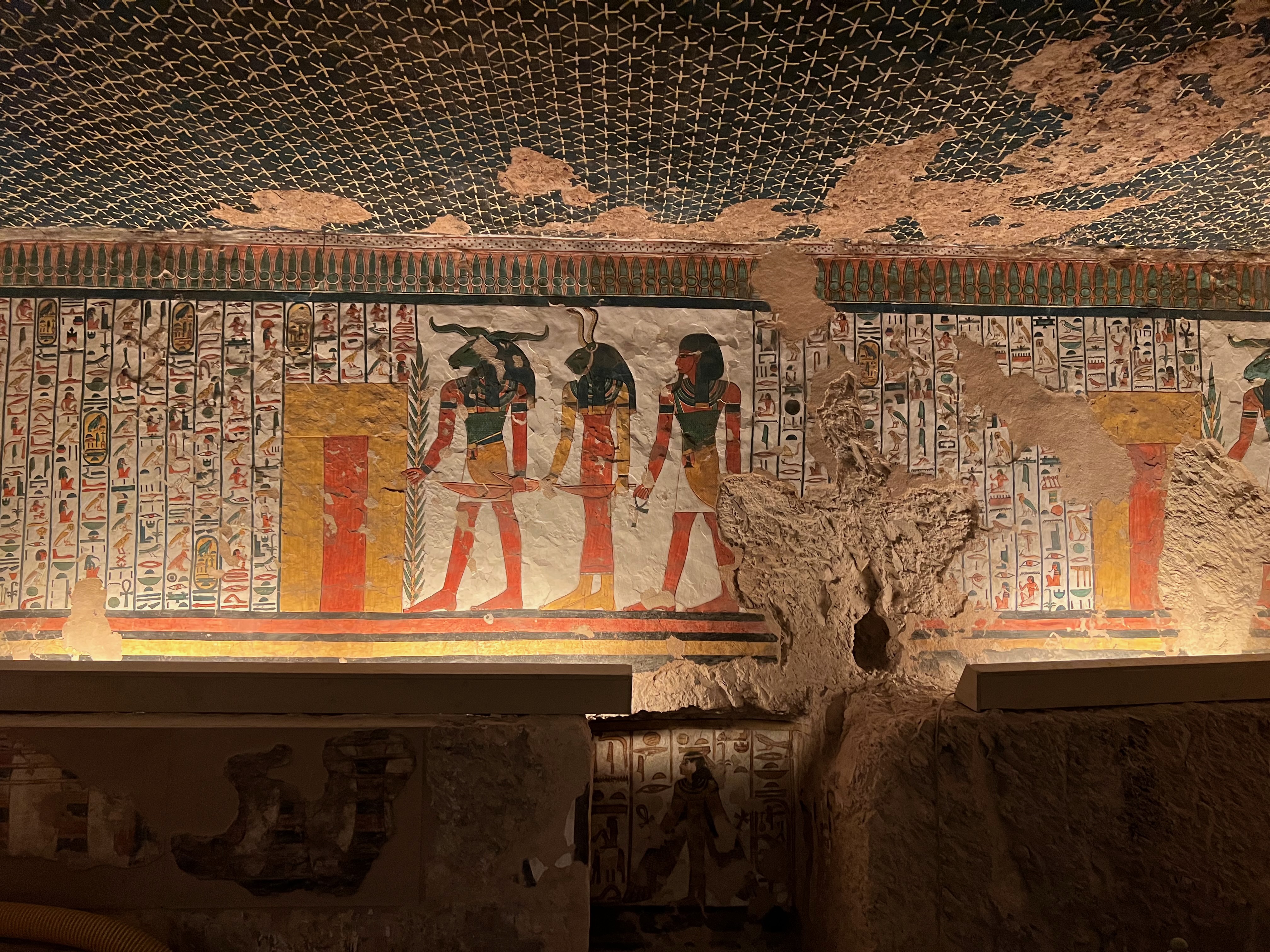
LuxorTomb of Nefertari, Valley of the Queens – Luxor
The Tomb of Nefertari (QV66) sits in the Valley of the Queens on Luxor's West Bank and is part of Thebes UNESCO World Heritage Site. Nefertari's burial chamber contains some of the best-preserved New Kingdom wall paintings; access is tightly controlled to protect the pigments. We do not include premium-tomb access by default – we reserve timed slots and book the separate ticket on request to avoid last-minute sold-out visits. Unlike mass coach tours, we limit group size and time inside so visitors do not queue in the doorway. Practical trade-offs: no photography, low ceilings and uneven stone steps, and only short supervised visits are permitted. We are a licensed Egyptian tour operator and can add QV66 to a private West Bank program.
From $76
 Luxor
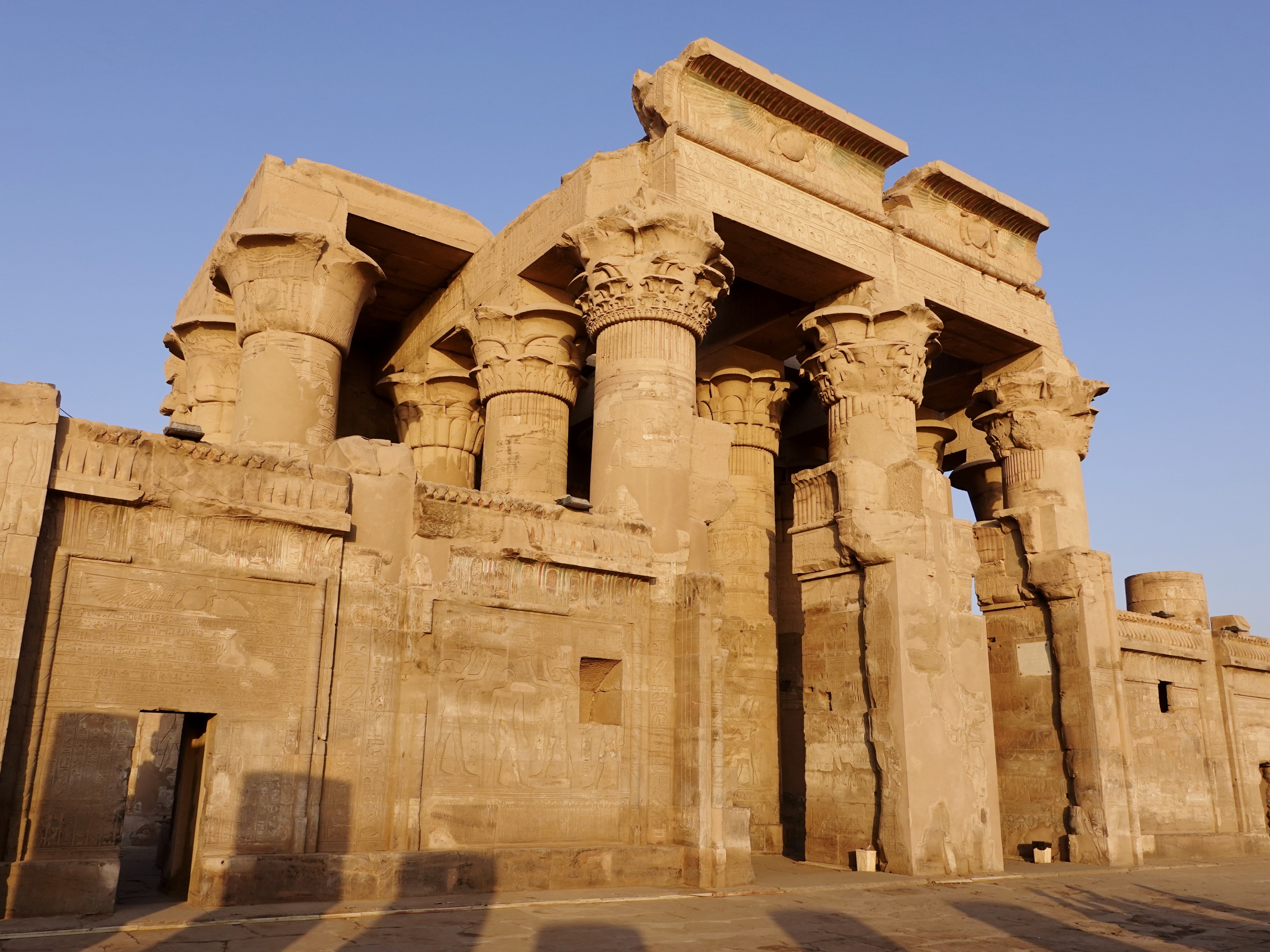
LuxorTemple of Kom Ombo Entry Ticket
This entry ticket grants access to the Temple of Kom Ombo, the late Ptolemaic temple complex beside the Nile noted for its double dedication to Sobek and Horus. The site is remarkable for its mirrored sanctuaries and well-preserved reliefs illustrating medical instruments and crocodile mummies. Access is arranged through Discovery Tours Egypt, with a PDF ticket sent by email after booking. Unlike larger Luxor temples, Kom Ombo can be visited in a focused 45–90 minute visit, making it suitable as a short stop en route between Luxor and Aswan.
From $14
 Luxor
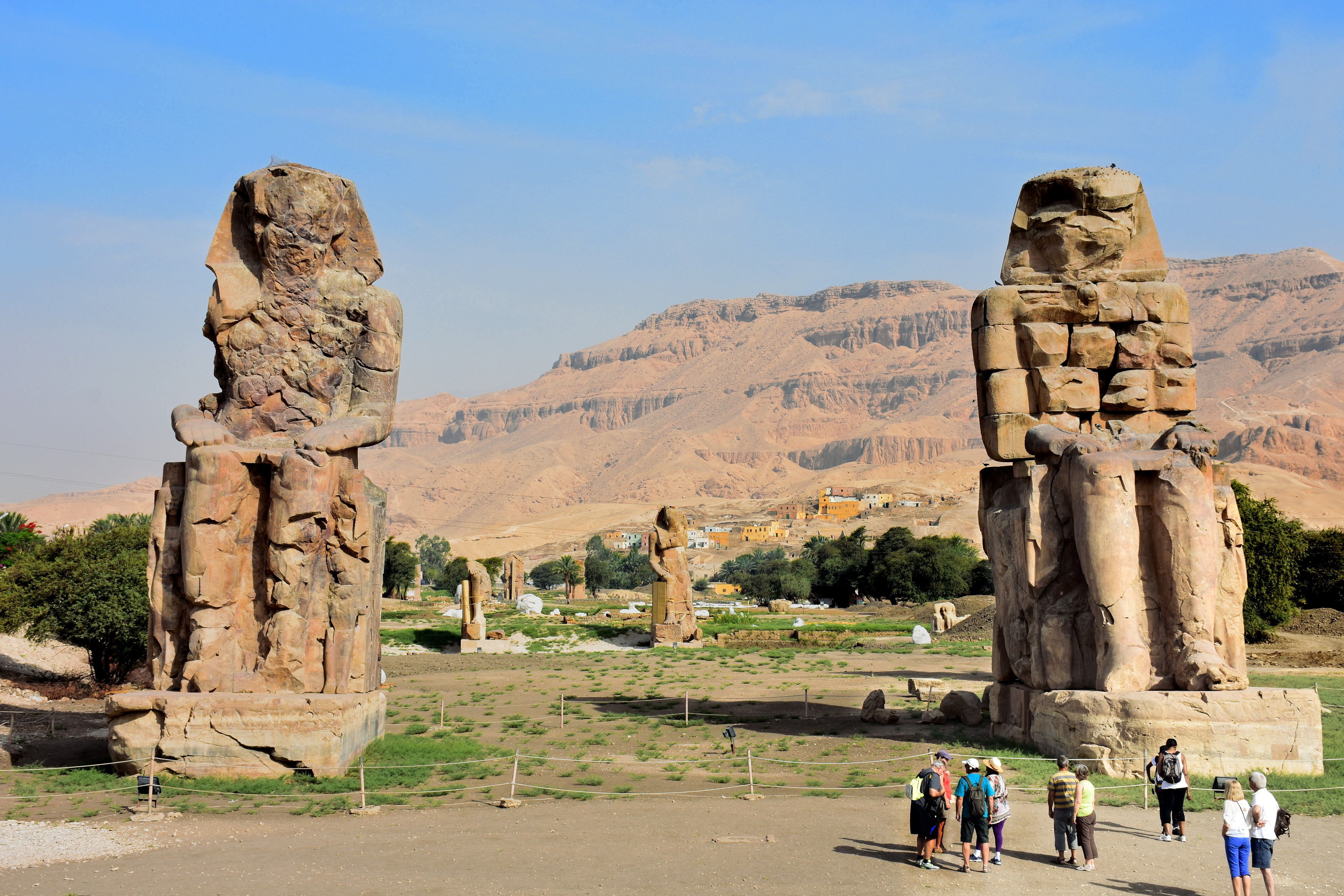
LuxorColossi of Memnon (Luxor West Bank)
The Colossi of Memnon are two 18‑meter seated quartzite statues of Pharaoh Amenhotep III, carved around 1350 BCE and standing on Luxor’s West Bank. We treat this site as a focused, interpretive stop rather than a full‑day attraction; most guests combine it with Medinet Habu or the Ramesseum so you see nearby sites properly, not rushed. As a licensed Egyptian tour operator, we include a local Egyptologist or guide, the standard entrance ticket, and door‑to‑door transfer from your West Bank hotel or cruise berth. Note the trade‑offs: limited shade at midday and uneven ancient stone underfoot make mornings or late afternoons preferable.
From $3