
Colossi of Memnon (Luxor West Bank)
At a glance
- Departs
- Daily
The short answer
Colossi of Memnon Entry Ticket is a 1-day attraction admission covering the seated statues of Amenhotep III on Luxor’s West Bank, arranged through Discovery Tours Egypt.
- Archaeology & history
- Cultural
Snapshot
Good to know
- Destinations
- Luxor
Best time to go
The most comfortable months are usually October to April, when daytime temperatures in Luxor are lower and outdoor sightseeing is easier. In summer, morning visits are preferable because midday heat can be intense; during Ramadan and public holidays, opening hours and visitor flow may differ, so checking ahead is recommended.
02Overview
A first look
Two 18‑meter statues known as the Colossi of Memnon stand on Luxor’s West Bank, representing Amenhotep III. They originally flanked the approach to his funerary temple and face the Nile.
Background
The facts
The Colossi of Memnon are two seated quartzite statues of Pharaoh Amenhotep III on Luxor’s West Bank, opposite modern Luxor. They originally stood at the entrance to his mortuary temple, built during the 18th Dynasty in the 14th century BCE; most of the temple complex is now lost, with only foundations and scattered remains surviving around the site.
The statues are approximately 17 meters tall and are among the best-known monuments in the Theban Necropolis. They were repaired in Roman times after earthquake damage, and their weathered surfaces preserve traces of ancient inscriptions and later restorations. The monument is a standalone stop and is often combined with nearby West Bank sites, but it can also be visited independently.
This entry ticket grants access to the monument platform and immediate surrounding area. Opening hours can vary seasonally, and site procedures may change on holidays or during busy periods, so visitors should check the latest schedule before arrival and allow extra time for the security check and ticket window.
The site is easy to reach from central Luxor by taxi or local transport, with the West Bank ferry area and the Theban Necropolis serving as common reference points for navigation. Because this is an open-air monument, the visit usually takes less time than a major tomb complex, but timing still matters because heat and light conditions affect comfort and photography.
Suited to
Is this for you?
Yes, if
- This is suitable for independent travelers who want a short West Bank stop without a full-day schedule, especially adults interested in New Kingdom history and monumental sculpture. It also suits visitors with moderate mobility who can manage uneven ground and standing outdoors in warm weather.
What lingers
- 01Two 18‑meter sandstone statues of Amenhotep III on Luxor West Bank; visible remains of the mortuary temple.
- 02Part of UNESCO’s 'Ancient Thebes with its Necropolis' listing; archaeological context links to the Valley of the Kings.
- 03Best visited at sunrise or late afternoon – limited shade and significant heat at midday on the West Bank.
- 04The so‑called 'singing' northern statue's acoustic cracks date to an 18th‑century seismic restoration; modern sound no longer occurs.
- 05Quick site: typical visit 15–30 minutes; combine with nearby Ramesseum or Medinet Habu for a full West Bank afternoon.
The fine print
What's included – and what isn't
Included
- Colossi of Memnon entry ticket (site admission)
Not included
- Transport to or from the site
- Professional Egyptologist guide (book separately if required)
- Audio guide unless explicitly listed
- Photography permits if required by the venue
- Printed ticket, if the venue requires a paper copy; tickets are sent by email as a PDF after booking
Asked & answered
Frequent questions
01How tall are the Colossi of Memnon?
Each Colossus stands about 18 meters (59 feet) high. They are monumental seated statues of Pharaoh Amenhotep III that marked his mortuary temple on Luxor’s West Bank. The pair has survived millennia of damage and restoration; you view them from ground level only.02Where are the Colossi of Memnon located?
They stand on Luxor’s West Bank, beside the remains of Amenhotep III’s mortuary temple. The site lies within the UNESCO World Heritage listing “Ancient Thebes with its Necropolis.” Compared with Valley of the Kings visits, the Colossi are an outdoor, low‑walk site and usually require less stair negotiation.03Are tickets required to visit the Colossi of Memnon?
Yes – standard archaeological site entrance fees apply and a ticket is required to access the area. Our Colossi of Memnon attraction ticket includes the standard site entrance fee; check your booking confirmation for inclusions. We do not bundle the Colossi into rushed multi‑site stops–our tickets allow time to photograph and walk the immediate area.04Can you climb or touch the Colossi of Memnon?
Climbing or sitting on the statues is prohibited for conservation and safety reasons. Visitors may approach the statues within designated areas but must follow onsite signage and officials’ instructions. Physical barriers and guards can be present during busy periods.05When is the best time to visit the Colossi of Memnon?
Early morning or late afternoon provides cooler temperatures and more defined photographic light. The site has limited shade at midday and can be hottest and brightest between 11:00 and 15:00; crowds from cruises often arrive mid‑day. Unlike typical cruise stop timetables, we schedule West Bank visits to avoid peak heat and peak crowds when operationally possible.06What should I bring to visit the Colossi of Memnon?
Bring sun protection (hat, sunscreen), a refillable water bottle, and sturdy shoes for uneven sand and stone. The area has limited shade and few facilities; modest dress is advised if you plan to visit nearby temples. We can arrange transfers, a guide, or shaded transport on request.
Product ID: TKT-LUX-275653
You Might Also Like
 Luxor
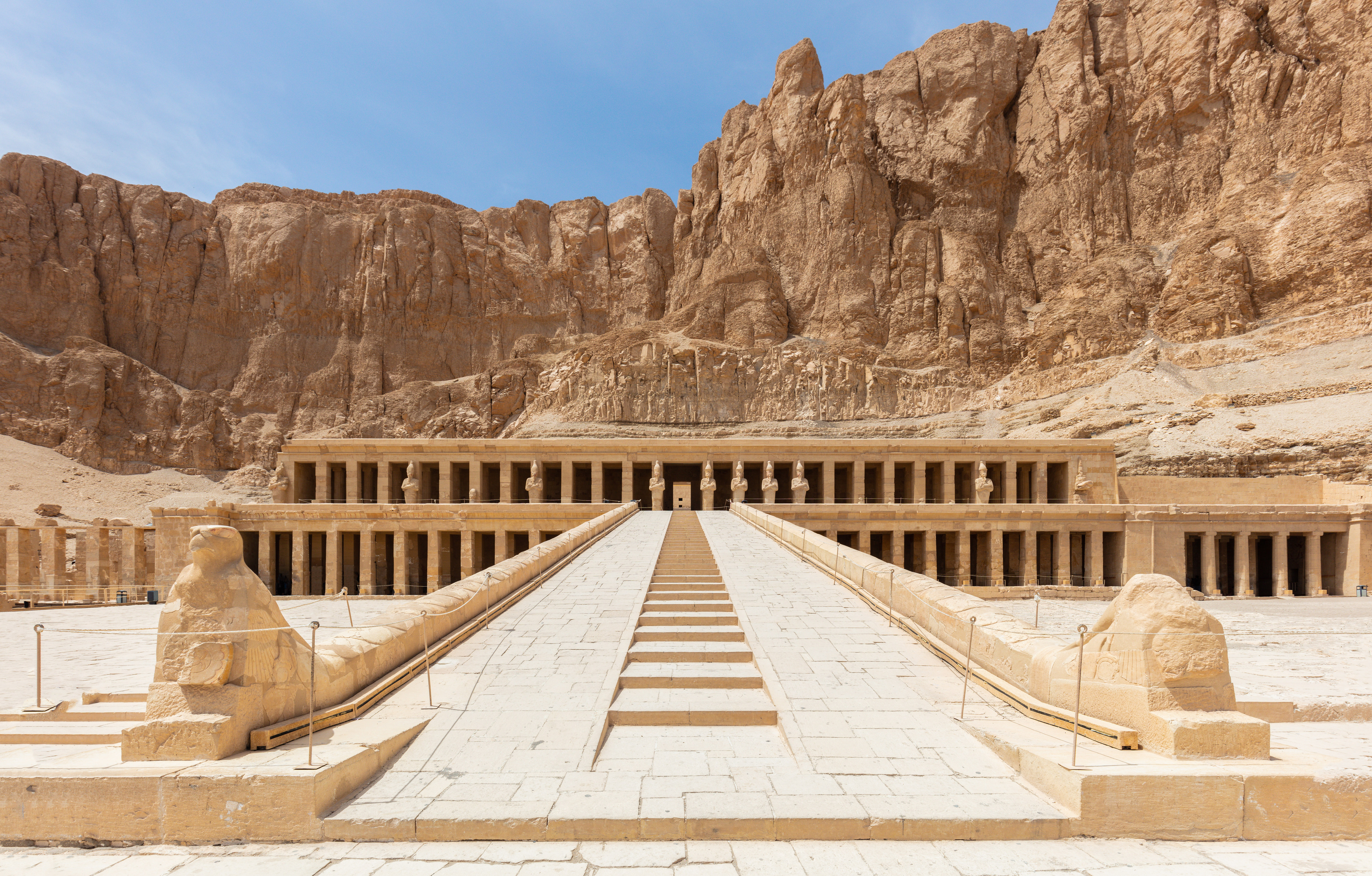
LuxorMortuary Temple of Hatshepsut (Deir el‑Bahari), Luxor
Visit the Mortuary Temple of Hatshepsut (Deir el‑Bahari) on Luxor’s West Bank; a private Egyptologist and the standard site ticket are included. We are a licensed Egyptian tour operator and we do not run large coach tours; we schedule private visits at first light to view the terraces and reliefs before heat and crowds. Unlike typical cruise-run stopovers, our timing allows more sustained interpretation of Senenmut’s architecture and Hatshepsut’s relief programs. Trade-offs: the terraces involve many steps and offer limited shade, so early starts and sensible footwear are necessary.
From $13
 Luxor
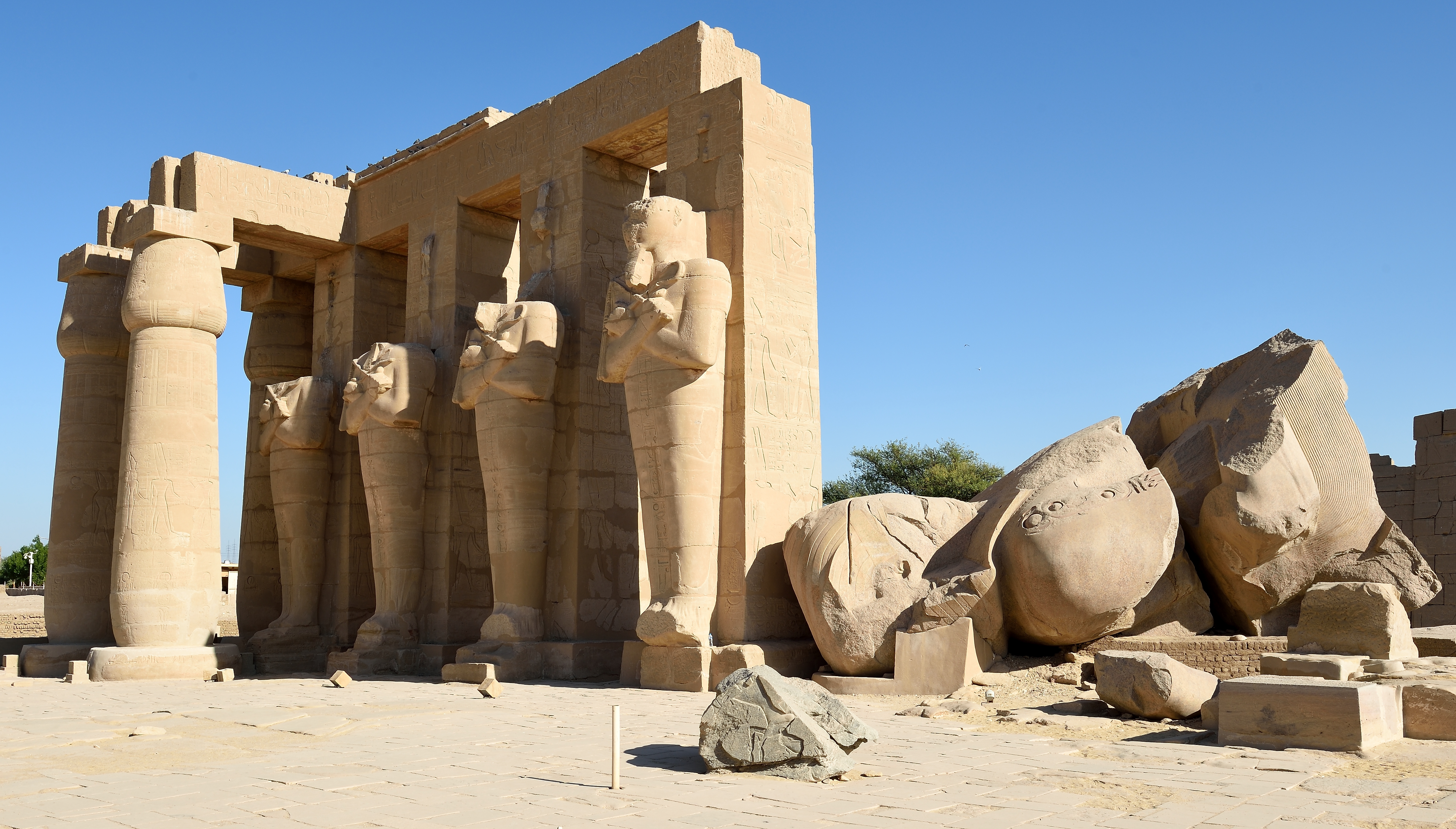
LuxorRamesseum (Mortuary Temple of Ramses II), Luxor West Bank
The Ramesseum is the mortuary temple of Ramses II on Luxor's West Bank, noted for its ruined colossus and battle reliefs. We arrange private visits with an Egyptologist who interprets the Battle of Kadesh scenes and the temple’s foundation inscriptions. Standard site entrance fee is included. We are a licensed Egyptian tour operator and provide a private car and driver for West Bank pickups or East Bank transfers on request. Unlike rushed group-bus stops, we allocate time for close study and photography of reliefs. Trade-offs: limited shade at midday, uneven ancient stone underfoot, and occasional conservation closures of sections.
From $6
 Luxor
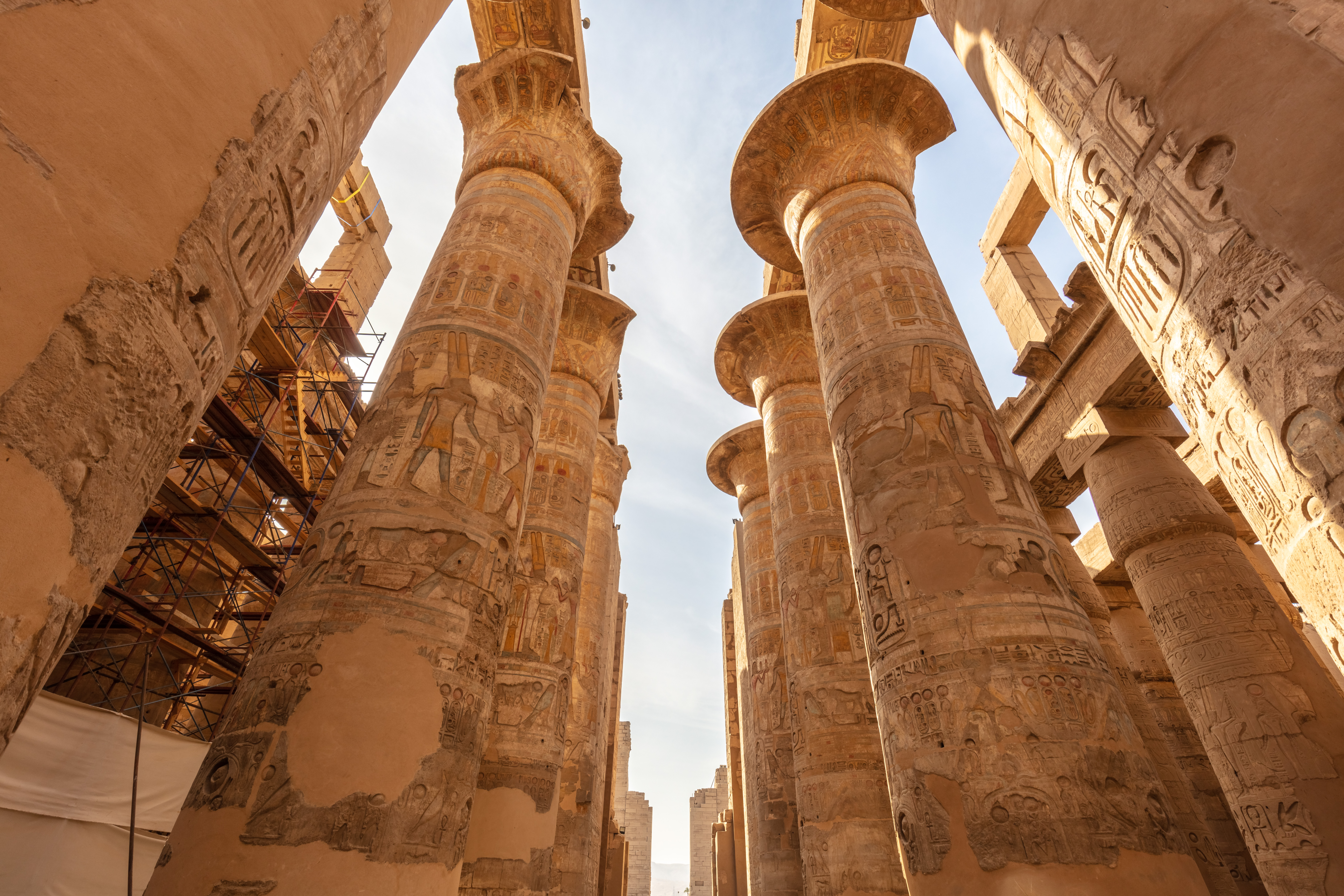
LuxorKarnak Temples (includes the Sacred Lake) – Luxor
This guided visit covers Karnak Temples and the Sacred Lake in Luxor, with timed entry and commentary from our Egyptologist. Karnak is part of the UNESCO World Heritage Site "Ancient Thebes with its Necropolis" (inscribed 1979). We recommend 90–120 minutes on site; expect up to 2 kilometers of walking across uneven ancient stone. Your driver meets you at hotels on Luxor's east bank; the complex lies about 2.5 km north of Luxor Temple (roughly a 10‑minute drive). Unlike rushed coach tours and cruise-ship day runs, our visit is Egyptologist-led and includes the Sacred Lake and the Avenue of Sphinxes where visitor access is open. We are a licensed Egyptian tour operator; standard site entrance fees are included. Limited shade at midday and strong sun are trade-offs; bring sun protection and sturdy walking shoes.
From $18