
Temple of Kom Ombo Entry Ticket
At a glance
- Departs
- Daily
The short answer
Temple of Kom Ombo Entry Ticket is a 1-day attraction ticket covering the Temple of Kom Ombo in Luxor, arranged through Discovery Tours Egypt.
- Archaeology & history
- Cultural
Snapshot
Good to know
- Destinations
- Luxor
Best time to go
The most comfortable months are generally October to April, when daytime temperatures in Upper Egypt are milder and outdoor sightseeing is easier. From May to September, heat can be intense, so earlier arrival is preferable. During Ramadan and major public holidays, opening patterns and visitor flow may change, so checking current hours in advance is recommended.
02Overview
A first look
Kom Ombo is a temple built twice in one: a perfectly symmetrical double sanctuary on a bend of the Nile, its southern half sacred to the crocodile god Sobek, its northern half to the falcon god Haroeris. Between the columns you'll find some of Egypt's most curious reliefs — a carved set of surgical instruments among them — and the adjoining Crocodile Museum holds mummified crocodiles from the sacred menagerie.
Your entry ticket is emailed as a PDF ahead of your visit. The temple is loveliest toward sunset, when cruise crowds thin; guiding can be arranged separately.
Background
The facts
The Temple of Kom Ombo is a late Ptolemaic temple complex on the Nile, best known for its unusual double dedication to Sobek, the crocodile god, and Horus the Elder. Construction began under Ptolemy VI Philometor in the 2nd century BCE and continued in later Ptolemaic and Roman periods, which is why the temple contains both Egyptian religious forms and Greco-Roman additions.
The monument is arranged symmetrically, with two parallel entrances, courtyards, halls, and sanctuaries laid out on a mirrored axis. Visitors can identify the twin sanctuaries, reliefs of surgical instruments, a raised mammisi, and the remains of a nilometer, which was used to measure Nile flood levels. Crocodile mummies and related cult material are associated with the site’s Sobek tradition and are commonly referenced in interpretive displays.
This ticket grants single admission to the temple complex at the main entrance gate. It does not include any private transportation, audio guide unless separately arranged, or special access to premium areas that may require an additional fee. Kom Ombo is often visited as a short stop because the compact site can usually be seen in about 45 to 90 minutes.
Opening hours can vary by season and official site policy, so visitors should check current times before arrival or plan to arrive early in the day. The site is exposed and open-air, so the best visiting conditions are usually outside the midday heat, especially in summer months.
Suited to
Is this for you?
Yes, if
- This ticket suits independent travelers, history readers, and visitors who want a compact ancient-site stop rather than a full-length temple circuit. It is also practical for adults and older children who can manage uneven stone surfaces and short periods of walking in open sun.
What lingers
- 01Admission to the twin sanctuaries dedicated to Sobek and Horus
- 02See carved reliefs showing surgical instruments and crocodile cult material
- 03Visit the raised mammisi and the Nilometer remains on site
- 04Compact site footprint, typically visitable in 45–90 minutes
The fine print
What's included – and what isn't
Included
- Entry Ticket to the Temple of Kom Ombo (single admission)
Not included
- Professional Egyptologist guide (book separately if required)
- Transport to and from the site
- Meals and personal expenses
- Photography permit (if applicable)
- Gratuities
- Printed ticket not included, a PDF is emailed after booking; please print your ticket if the venue requires a paper copy
Asked & answered
Frequent questions
01What does my Kom Ombo Temple entry ticket include?
Your ticket grants you general admission to the Temple of Kom Ombo, allowing access to the main temple complex and its courtyards. This includes viewing the unique double design dedicated to Sobek and Horus the Elder.02Are there any parts of Kom Ombo Temple not covered by the standard ticket?
The standard entry ticket covers the main temple area. Access to specific restricted sections, if any, or special exhibitions would require a separate arrangement or an additional fee at the site. Audio guides are also not included.03What are the typical opening hours for Kom Ombo Temple?
Kom Ombo Temple's opening hours vary seasonally, generally from early morning until sunset. We recommend checking the official Ministry of Antiquities website or arriving shortly after sunrise for the most tranquil experience.04What is the best time of day to visit Kom Ombo Temple?
The best time to visit Kom Ombo Temple is in the early morning, shortly after it opens, or in the late afternoon before sunset. These times offer cooler temperatures and fewer crowds, enhancing your experience.05What should I wear when visiting Kom Ombo Temple?
We recommend wearing comfortable walking shoes, as you will be on uneven ancient stone surfaces. Light, breathable clothing is advisable, along with a hat and sunglasses for sun protection, as shade is limited.06What is the photography policy at Kom Ombo Temple?
Photography rules at Kom Ombo Temple typically permit non-flash photography for personal use in most areas. However, policies can change, so it is always best to confirm any specific restrictions upon entry.07Is Kom Ombo Temple accessible for visitors with mobility concerns?
Kom Ombo Temple involves walking on ancient, uneven surfaces and some steps, which may present challenges for visitors with significant mobility concerns. There are limited ramps, and assistance may be required in certain areas.08How do I receive and use my Kom Ombo Temple entry ticket?
Your entry ticket will be delivered as a PDF attachment via email after your booking is confirmed. Please print your ticket and present it at the main entrance gate of Kom Ombo Temple for admission.09Can children visit Kom Ombo Temple, and are there specific ticket categories?
Children are welcome at Kom Ombo Temple. Concession pricing for children is usually available, with specific age ranges determining eligibility. Please check the ticket categories when booking.10What makes Kom Ombo Temple unique compared to other Egyptian temples?
Kom Ombo Temple is unique for its symmetrical double design, with two parallel sanctuaries, halls, and entrances dedicated to two different deities: Sobek, the crocodile god, and Horus the Elder, the falcon god.
Product ID: TKT-LUX-410103
You Might Also Like
 Luxor
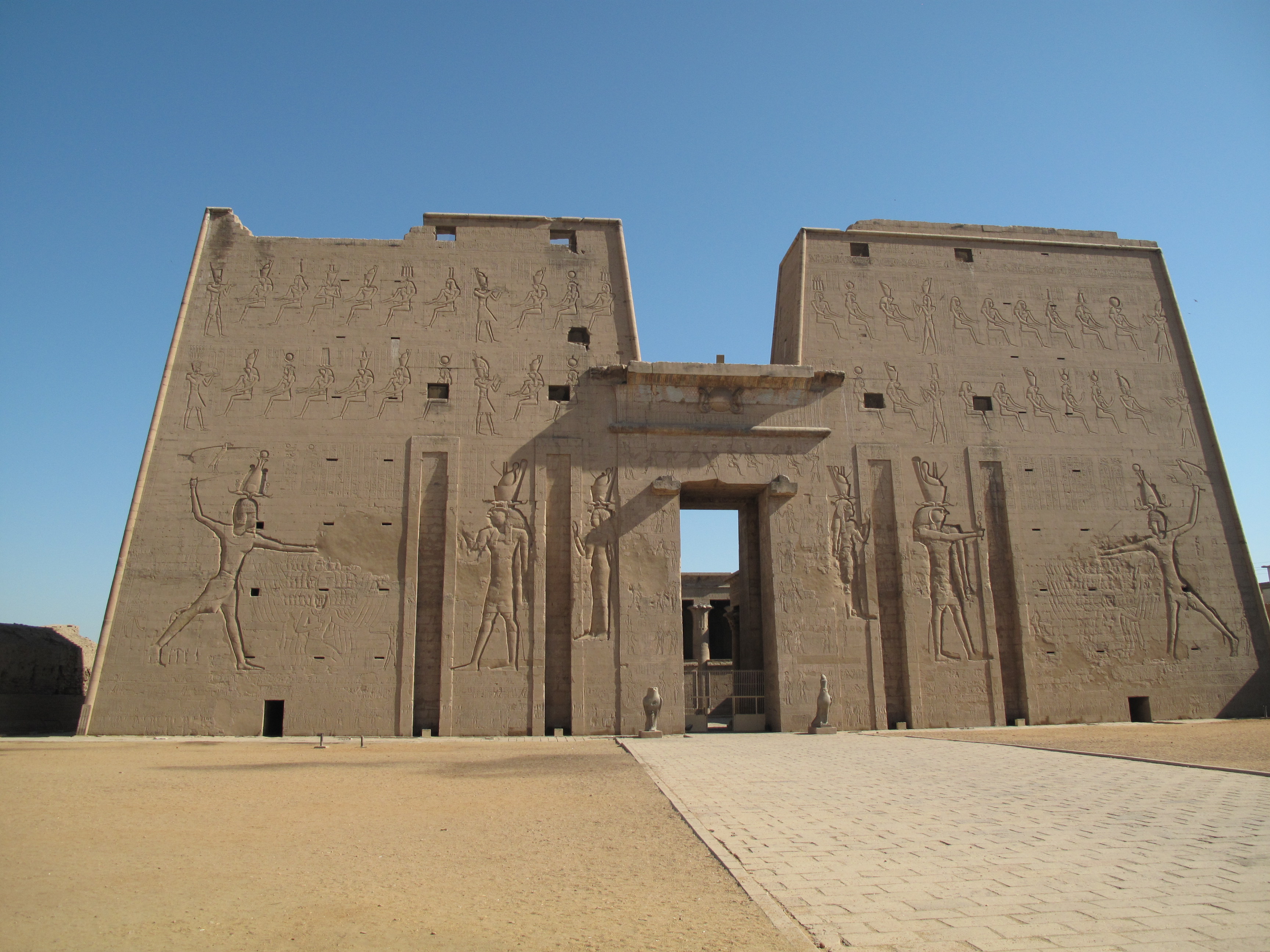
LuxorTemple of Edfu – Entrance Ticket & Visitor Options
The Temple of Edfu is the Ptolemaic temple dedicated to Horus; construction ran from 237–57 BC. As a licensed Egyptian tour operator, we sell standard entrance tickets and can add a private Egyptologist, timed entry, or door-to-door transfer. We do not package Edfu into rushed cruise-ship shore calls; we recommend 60–90 minutes on site so you can read the wall inscriptions and the temple’s relief program. Note the site has limited shade at midday and involves walking on uneven ancient stone. Entrance fee is included; audio guides and private guiding are available at extra cost.
From $17
 Luxor
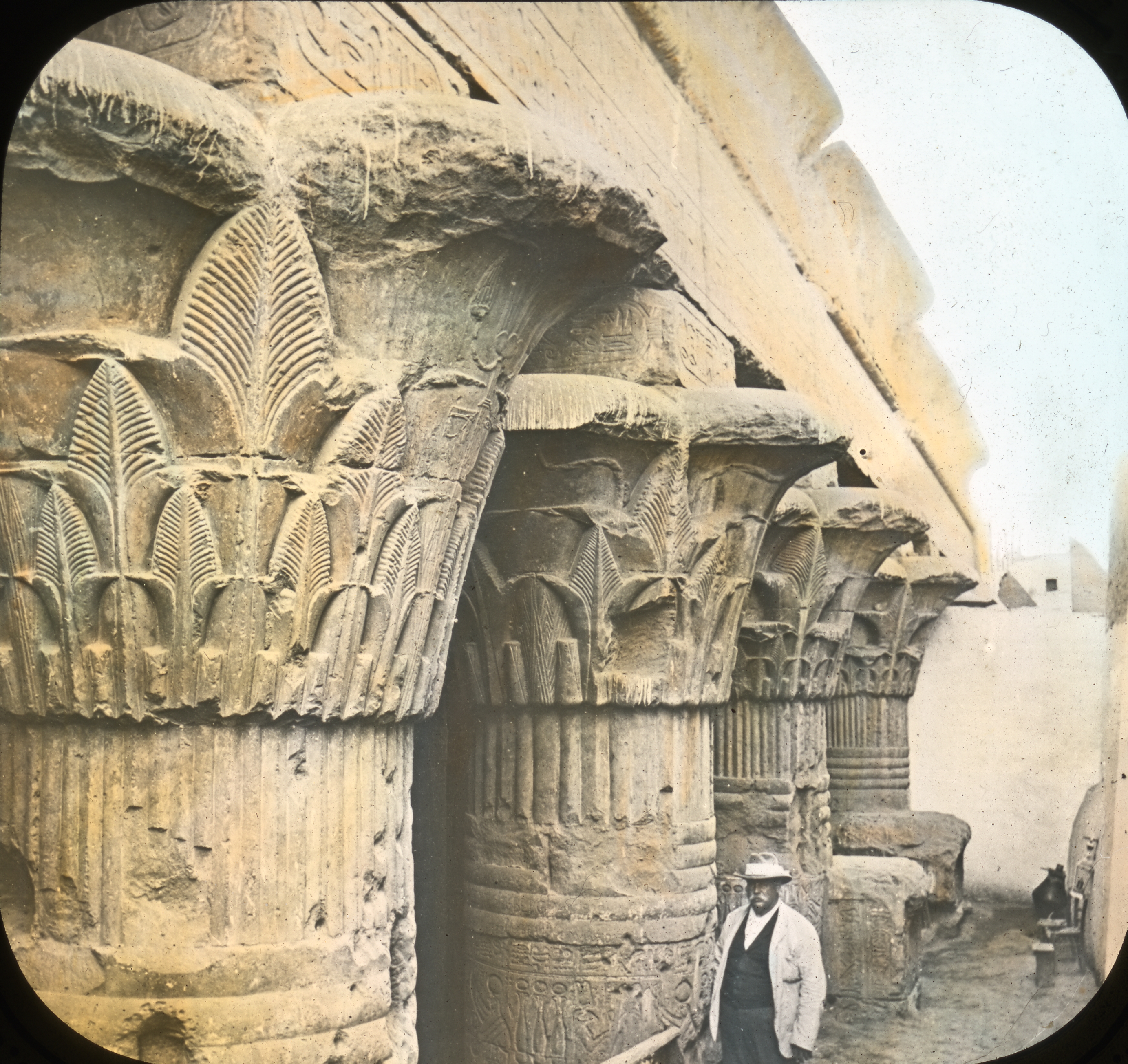
LuxorTemple of Esna – Ticket & Guided Visit (Luxor)
The Temple of Esna is a Ptolemaic–Roman temple in the town of Esna, noted for its deeply carved ceiling and a columned hypostyle hall. We are a licensed Egyptian tour operator and arrange guided visits with our Egyptologists, timed to miss the busiest cruise-boat periods. We generally avoid squeezing Esna into rushed half-day Luxor tours; when included, the visit is 30–45 minutes so the ceiling inscriptions can be studied properly. Trade-offs: limited shade at midday, low interior lighting, and uneven ancient stone underfoot can make photography and mobility more challenging. Standard site entrance fees are included unless stated otherwise.
From $6
 Luxor
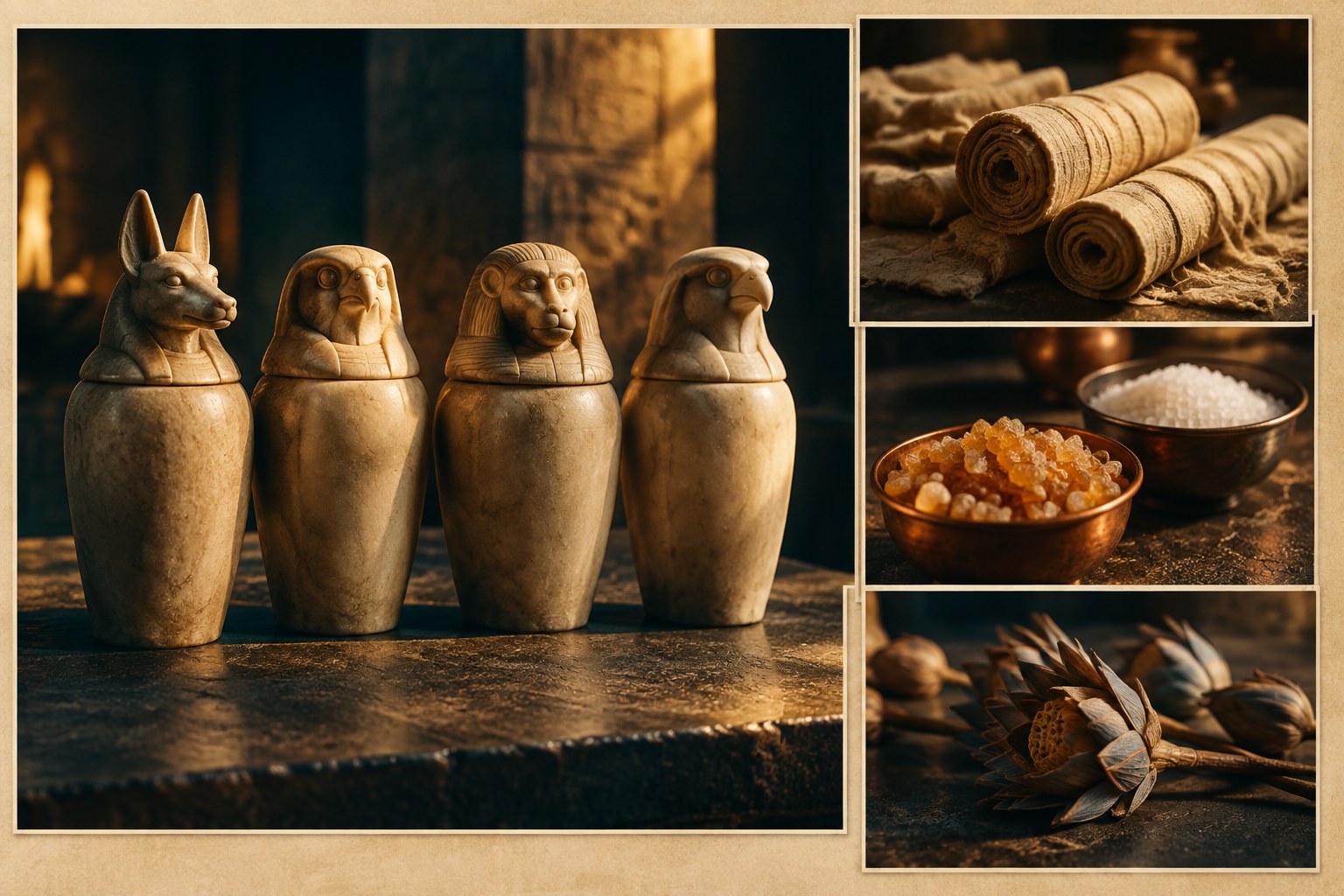
LuxorMummification Museum – Luxor West Bank
The Mummification Museum on Luxor’s West Bank explains ancient Egyptian embalming methods with models, tools, and explanatory panels. As a licensed Egyptian tour operator, we include museum entry and a 45–60 minute guided tour led by one of our Egyptologists. We don’t rush this visit through combined coach tours; we reserve small-group slots so guests can ask technical questions. Unlike the Egyptian Museum in Cairo, the displays focus narrowly on mummification processes and funerary equipment. Note: gallery rooms are compact and can feel crowded, and some preserved materials may be confronting for sensitive visitors.
From $7