
Tomb of Seti I (KV17), Valley of the Kings
At a glance
- Departs
- Daily
The short answer
Tomb of Seti I Entry Ticket is a 1-day attraction ticket covering the decorated royal tomb in the Valley of the Kings in Luxor, arranged through Discovery Tours Egypt.
- Archaeology & history
- Cultural
Snapshot
Good to know
- Destinations
- Luxor
Best time to go
The best time to visit is usually from October to April, when daytime temperatures in Luxor are milder and outdoor waiting areas are more comfortable. Mid-morning and early afternoon can be busier, so arriving early is often the easiest way to avoid peak crowds. During Ramadan and public holidays, site operations and last-admission times may change, so checking locally before travel is recommended.
02Overview
A first look
KV17 (Tomb of Seti I) is the longest known tomb in the Valley of the Kings and retains highly detailed painted reliefs. It lies within the Theban Necropolis UNESCO World Heritage Site and may have conservation-limited, ticketed access to inner chambers.
Background
The facts
The Tomb of Seti I is one of the most important royal tombs in the Valley of the Kings on Luxor’s west bank. It belongs to Pharaoh Seti I of the 19th Dynasty, who ruled in the early New Kingdom period, and is known for its long, deeply cut corridors and highly preserved painted decoration. The tomb is located in the main royal necropolis opposite modern Luxor, where many New Kingdom pharaohs were buried between the 18th and 20th Dynasties.
This entry ticket grants single-entry access to the tomb’s decorated interior, including the painted passages, relief scenes, and burial chamber area. The monument is valued for its exceptional wall decoration, which includes religious and funerary imagery associated with the journey to the afterlife. Visitor numbers inside the tomb are often controlled to protect the surfaces and manage circulation in the narrow chambers.
The Tomb of Seti I is separate from standard Valley of the Kings admission and is generally treated as a premium entry. Standard entry fees for the Valley of the Kings do not typically include every special tomb, so visitors should verify their ticket category before arriving. As with other tombs in Luxor, opening hours and last admission can vary by season, site management, and conservation work.
Practical visitor planning matters because the tomb is reached through the Valley of the Kings visitor area rather than a city-center venue. The site requires security screening at the entrance, and access is self-guided unless a separate audio guide or escorted service is arranged elsewhere. Photography rules can change, so guests should check the current policy at the entrance gate before entering.
Suited to
Is this for you?
Yes, if
- This ticket is best for visitors who want to see one of the most decorated royal tombs in Luxor, especially travelers with an interest in New Kingdom history, tomb art, and funerary religion. It suits adults and older children who are comfortable with steps, narrow passages, and warm desert conditions.
What lingers
- 01Tomb KV17 of Seti I in the Valley of the Kings, Luxor West Bank – one of Egypt's longest decorated tombs.
- 02Discovered by Giovanni Battista Belzoni in 1817; early European excavation records remain part of its conservation history.
- 03Extensive preserved polychrome reliefs and painted burial scenes; photography restrictions and low light for conservation reasons.
- 04We don't bundle Seti I with multiple quick tomb stops; we schedule focused time inside KV17.
- 05Steep, uneven descent and limited ventilation – plan a 45–60 minute visit and wear sturdy closed-toe shoes.
- 06Seti I tomb is occasionally closed for conservation; we confirm availability and ticket eligibility before booking.
The fine print
What's included – and what isn't
Included
- Single-entry Tomb of Seti I admission ticket, delivered as a PDF by email
Not included
- Professional Egyptologist or audio guide, bookable separately
- Transport to or from the Valley of the Kings
- Meals and drinks
- Photography permit, if required by the site authority
- Printed ticket requirement, if the venue does not accept mobile display
Asked & answered
Frequent questions
01Is the Tomb of Seti I open to visitors?
Access to the Tomb of Seti I (KV17) is frequently restricted for conservation and may be closed without prior notice. It sits in the Valley of the Kings on the Luxor West Bank. We monitor official openings and advise flexible itineraries; if Seti I is closed we suggest nearby decorated tombs instead.02How do I get tickets for the Tomb of Seti I?
The Tomb of Seti I is a premium tomb and requires a separate premium ticket not covered by the standard Valley of the Kings entrance. As a licensed Egyptian tour operator, we can request premium tickets and timed access when allocations are available. We typically reserve interior access for private excursions rather than large group schedules, since limited allocations and sudden closures often frustrate fixed-itinerary clients.03How long does a visit to the Tomb of Seti I take?
Expect about 30–60 minutes inside the Tomb of Seti I, plus transfer and queuing time at the Valley of the Kings. KV17 is one of the longest, most extensive tombs, so visitors move more slowly through low passages and uneven flooring. For private visits we plan 90–120 minutes total to allow for explanations, photography where allowed, and transfers.04Can I take photographs inside the Tomb of Seti I?
Photography inside the Tomb of Seti I is usually restricted and flash is almost always prohibited for conservation reasons. Policies change: sometimes non‑flash photos are allowed, other times all photography is banned. Our guides confirm the current rule on arrival and will advise when tripods or selfie sticks are not permitted.05Is the Tomb of Seti I wheelchair accessible?
No – the Tomb of Seti I has steep steps, narrow corridors, and low ceilings that make wheelchair access impractical. The terrain inside KV17 includes uneven ancient stone and low passages requiring stooping and careful footing. We can suggest alternative West Bank visits with gentler access and arrange transfers and extra time for guests with limited mobility.06Can I visit the Tomb of Seti I on a Nile cruise stop or a day trip from Luxor?
You can visit Seti I from Luxor on a private day trip or during a cruise stop, but access depends on current openings and ticket allocations. Unlike fixed cruise shore excursions, we plan private visits with time buffers because Seti I often needs extra time or may be closed. As a licensed Egyptian tour operator, we coordinate timing with your cruise or hotel schedule and the Valley of the Kings entrance.
Product ID: TKT-LUX-958164
You Might Also Like
 Luxor
LuxorLuxor Museum – Entrance Ticket & Egyptologist
The Luxor Museum sits on the Nile Corniche opposite Luxor Temple and displays selected artifacts excavated from the Theban temples and necropolis. Unlike Cairo's larger museums, Luxor Museum is compact and typically takes 45–90 minutes to see, so it fits well before or after a temple visit. We include the site entrance ticket; our Egyptologists can lead a focused private tour that explains key pieces and their findspots. We don't bundle this as a mass-coach stop – we arrange a short private visit timed to avoid the busiest hours. Note: small galleries and limited seating mean many clients prefer a morning visit.
From $12
 Luxor
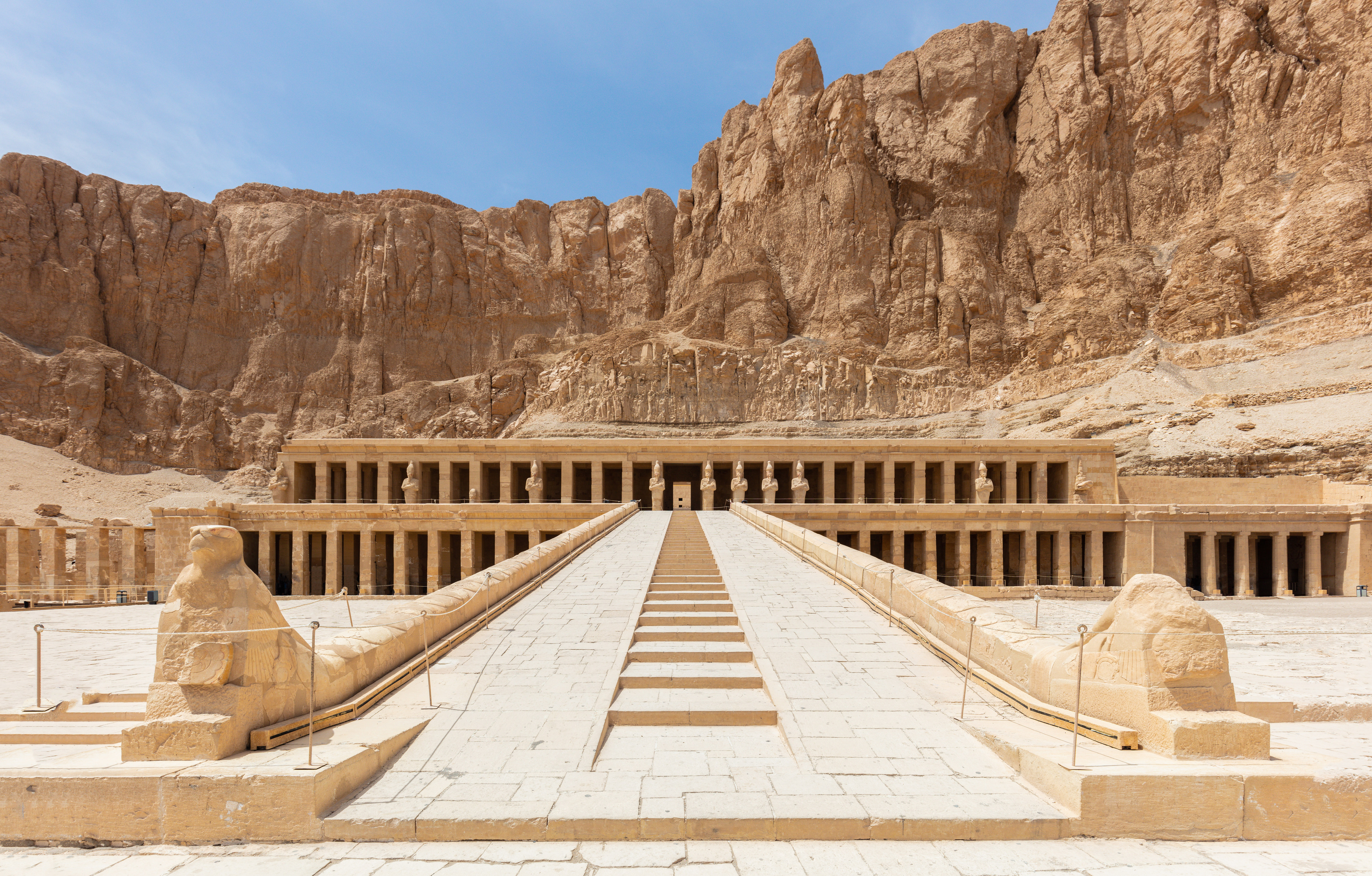
LuxorMortuary Temple of Hatshepsut (Deir el‑Bahari), Luxor
Visit the Mortuary Temple of Hatshepsut (Deir el‑Bahari) on Luxor’s West Bank; a private Egyptologist and the standard site ticket are included. We are a licensed Egyptian tour operator and we do not run large coach tours; we schedule private visits at first light to view the terraces and reliefs before heat and crowds. Unlike typical cruise-run stopovers, our timing allows more sustained interpretation of Senenmut’s architecture and Hatshepsut’s relief programs. Trade-offs: the terraces involve many steps and offer limited shade, so early starts and sensible footwear are necessary.
From $13
 Luxor
LuxorMummification Museum – Luxor West Bank
The Mummification Museum on Luxor’s West Bank explains ancient Egyptian embalming methods with models, tools, and explanatory panels. As a licensed Egyptian tour operator, we include museum entry and a 45–60 minute guided tour led by one of our Egyptologists. We don’t rush this visit through combined coach tours; we reserve small-group slots so guests can ask technical questions. Unlike the Egyptian Museum in Cairo, the displays focus narrowly on mummification processes and funerary equipment. Note: gallery rooms are compact and can feel crowded, and some preserved materials may be confronting for sensitive visitors.
From $7