
Tomb of Ay – Valley of the Kings (Luxor West Bank)
At a glance
- Departs
- Daily
The short answer
Tomb of Ay Entry Ticket is a 1-day attraction admission covering the burial chamber and decorated chapel of Pharaoh Ay in Luxor West Bank, arranged through Discovery Tours Egypt.
- Archaeology & history
- Cultural
Snapshot
Good to know
- Destinations
- Luxor
Best time to go
The most comfortable months for visiting Luxor are generally October to April, when daytime temperatures are milder and walking between sites is easier. From May to September, heat can be intense, especially in the middle of the day, so early morning visits are usually preferable. During Ramadan and major public holidays, opening patterns and visitor volume may change, so it is wise to confirm hours in advance. Arriving early also helps reduce waiting time at the entrance gate.
02Overview
A first look
The Tomb of Ay is located in the Valley of the Kings on Luxor’s West Bank. We provide escorted entry with an Egyptologist and include the standard Valley entrance fee.
Background
The facts
The Tomb of Ay is a rock-cut royal tomb on the West Bank of Luxor, within the Theban necropolis, the burial landscape used by New Kingdom rulers and elites. Ay ruled at the end of the Eighteenth Dynasty, around the late 14th century BCE, after the period of Tutankhamun, and his tomb reflects the funerary traditions of that era.
An entry ticket grants access to the tomb’s decorated burial chamber and associated painted surfaces, including scenes of royal ritual and funerary iconography. The monument is smaller than the major tombs in the Valley of the Kings, so the visit is usually brief and the interior space is compact.
The site is located among other West Bank funerary monuments, making it part of a broader archaeological zone rather than a standalone attraction. Visiting conditions can vary by season and conservation work, so access rules, opening hours, and ticket windows should be checked before travel.
As with many smaller tombs in Luxor, visitor flow is generally lighter than at the main Valley of the Kings entrances. This makes the Tomb of Ay suitable for travelers who want a shorter, focused stop on the West Bank with direct access to a historically important royal burial place.
Suited to
Is this for you?
Yes, if
- This is suitable for travelers interested in New Kingdom history, painted tomb decoration, and less crowded archaeological sites. It also suits adults and older children who can manage short steps, narrow passages, and a compact chamber visit.
- It is a good fit for self-guided visitors who want a quick West Bank stop near other funerary monuments rather than a long museum-style visit.
What lingers
- 01Located in the Valley of the Kings' Western (West) Valley on Luxor's West Bank, part of the royal necropolis.
- 02Tomb of Ay dates to the late 18th Dynasty (c.1323–1319 BCE) with painted funerary scenes and ritual reliefs.
- 03Short, steep descent with narrow corridors; expect uneven steps and low ceilings inside the tomb.
- 04Standard Valley of the Kings ticket included; note Tutankhamun and Seti I premium tombs are excluded.
- 05Less visited than East Valley tombs; our Egyptologists use it to explain Ay's short reign and succession.
The fine print
What's included – and what isn't
Included
- Tomb of Ay entry ticket (single admission)
Not included
- On-site professional commentary or narration; book separately if required
- Transport to or from the site
- Meals and personal expenses
- Photography rules and permit fees, where applicable
- Some venues require a printed ticket, check the PDF sent by email and print if in doubt
Asked & answered
Frequent questions
01Where is the Tomb of Ay located?
The Tomb of Ay is on Luxor’s West Bank in the Valley of the Kings. It sits in the western (royal) necropolis rather than on the modern town side. Visits are usually combined with other West Bank sites; we can plan the order to avoid backtracking.02What are the opening hours for the Tomb of Ay?
Hours follow the Valley of the Kings schedule and change seasonally or for conservation closures. Times can vary by ministry decision, public holidays, and Ramadan; we confirm the exact opening hours on your booking. Early-morning visits avoid heat and crowds when the tomb is open.03Do I need a ticket to enter the Tomb of Ay?
Yes – entry requires a site ticket unless your booking confirmation states it is included. Some tours or packages include entrance; others treat tomb tickets as separate line-item items. We can add the ticket to your reservation so you don’t queue at the gate.04Can I take photographs inside the Tomb of Ay?
Photography inside most tomb interiors in the Valley of the Kings is generally prohibited. Flash and tripods are specifically disallowed to protect paint and plaster; occasional permits are exceptional and administered by the antiquities authorities. Ask our Egyptologist on arrival and we will advise current policy.05Is the Tomb of Ay suitable for people with limited mobility?
The Tomb of Ay has uneven stone steps, low ceilings, and narrow passages and is not fully accessible. Visitors must negotiate stairs and tight corridors on uneven ancient stone. If mobility is limited, we can arrange alternative viewpoints on the West Bank or a private visit with extra assistance where possible.06When is the best time of day to visit the Tomb of Ay?
Early morning just after opening usually offers the fewest visitors and cooler temperatures. Midday brings higher temperatures and more groups; lighting inside tombs is dim, so mornings give better conditions for observation. We can schedule pickups to match the Valley of the Kings traffic patterns.
Product ID: TKT-LUX-084060
You Might Also Like
 Luxor
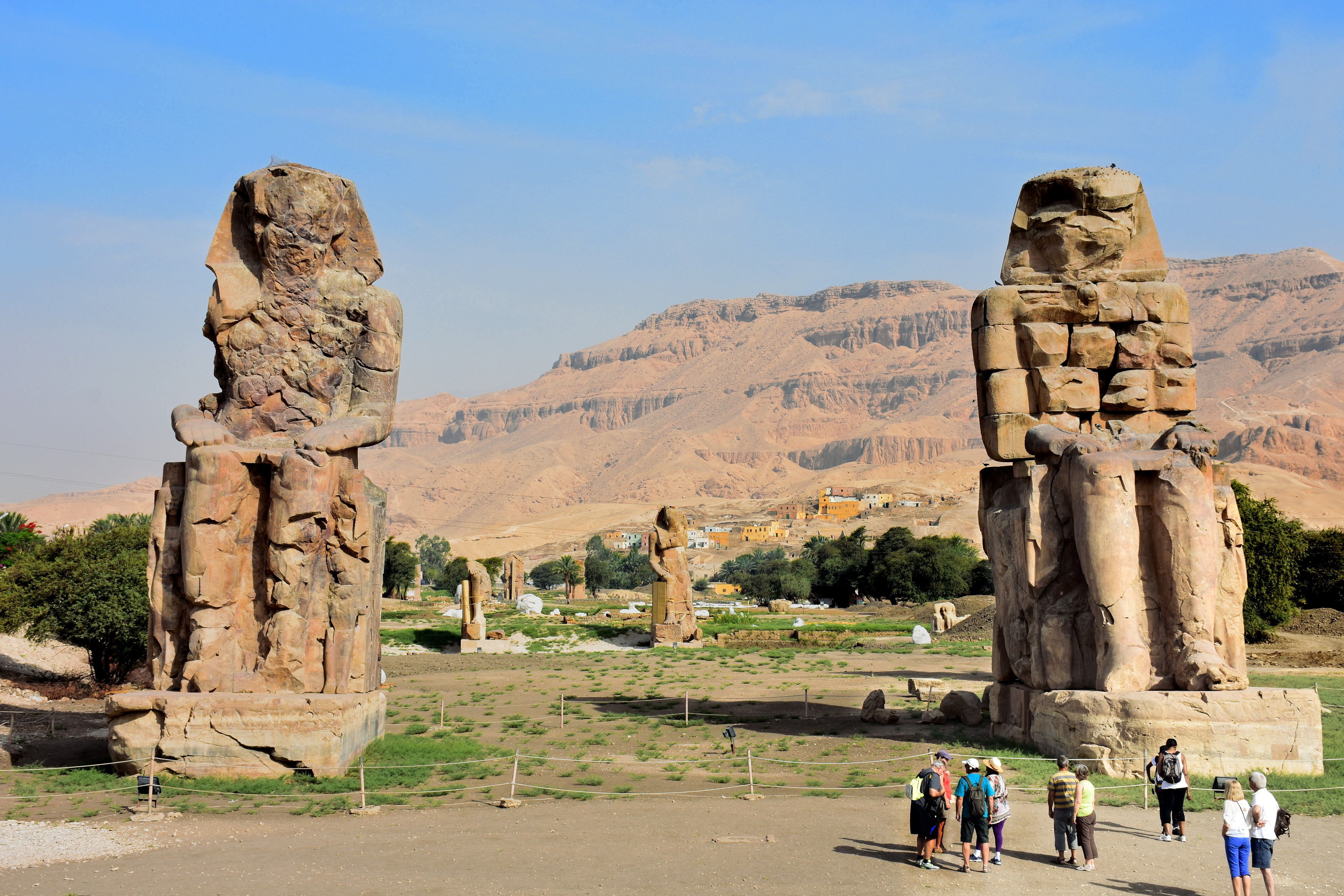
LuxorColossi of Memnon (Luxor West Bank)
The Colossi of Memnon are two 18‑meter seated quartzite statues of Pharaoh Amenhotep III, carved around 1350 BCE and standing on Luxor’s West Bank. We treat this site as a focused, interpretive stop rather than a full‑day attraction; most guests combine it with Medinet Habu or the Ramesseum so you see nearby sites properly, not rushed. As a licensed Egyptian tour operator, we include a local Egyptologist or guide, the standard entrance ticket, and door‑to‑door transfer from your West Bank hotel or cruise berth. Note the trade‑offs: limited shade at midday and uneven ancient stone underfoot make mornings or late afternoons preferable.
From $3
 Luxor
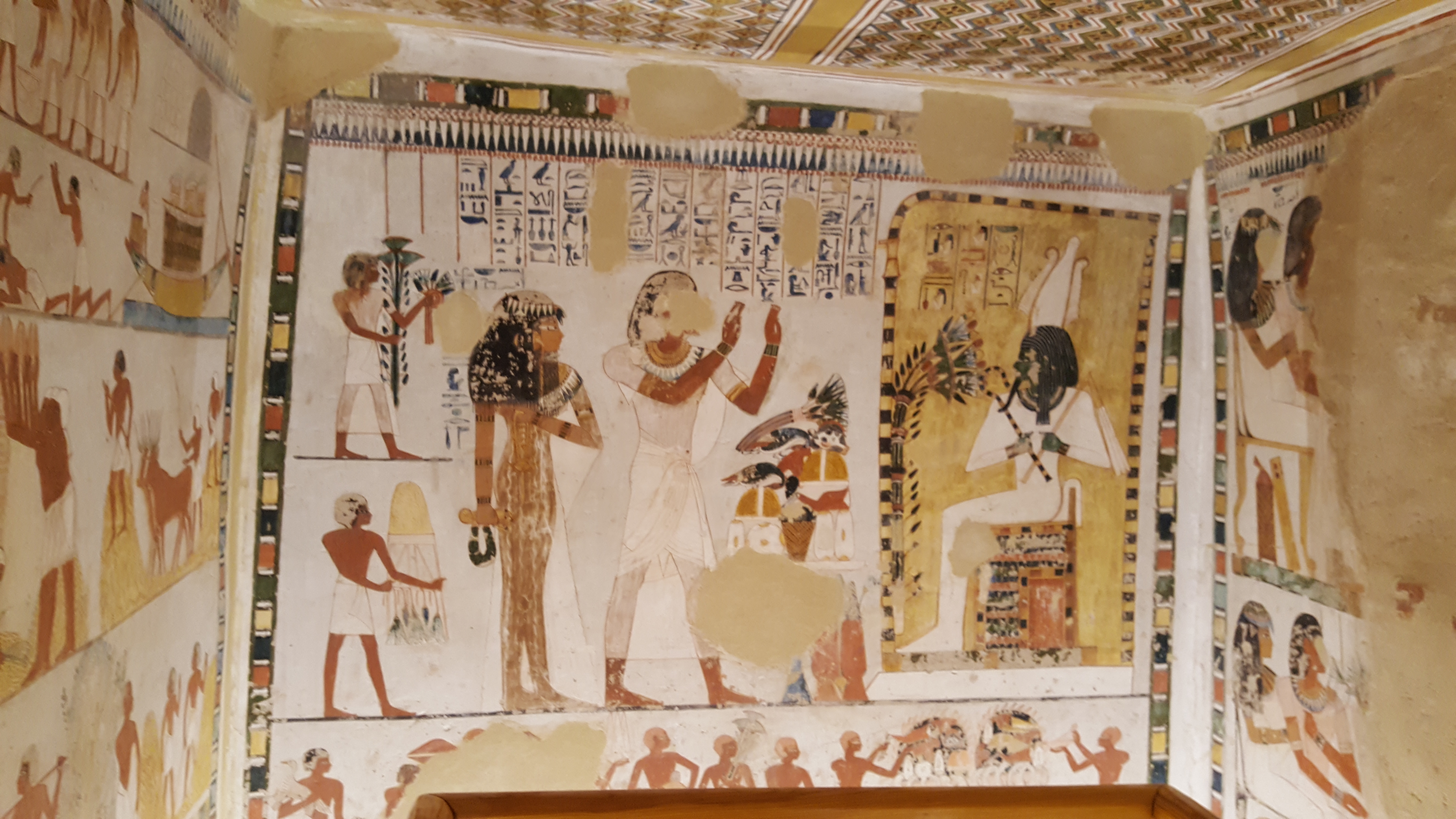
LuxorTomb of Menna (TT69) – Sheikh Abd el-Qurna, Luxor
The Tomb of Menna (TT69) on Luxor's West Bank preserves finely painted New Kingdom agricultural registers and daily-life scenes. We arrange private visits with one of our Egyptologists and do not run mass coach groups at this small Sheikh Abd el-Qurna tomb. Unlike larger Valley of the Kings tombs, Menna rewards close inspection of painted registers and pigments rather than grand architectural scale. Trade-offs: limited shade at midday, narrow passages, and low ceilings–we schedule visits earlier or later in the day to reduce heat and crowding.
From $6
 Luxor
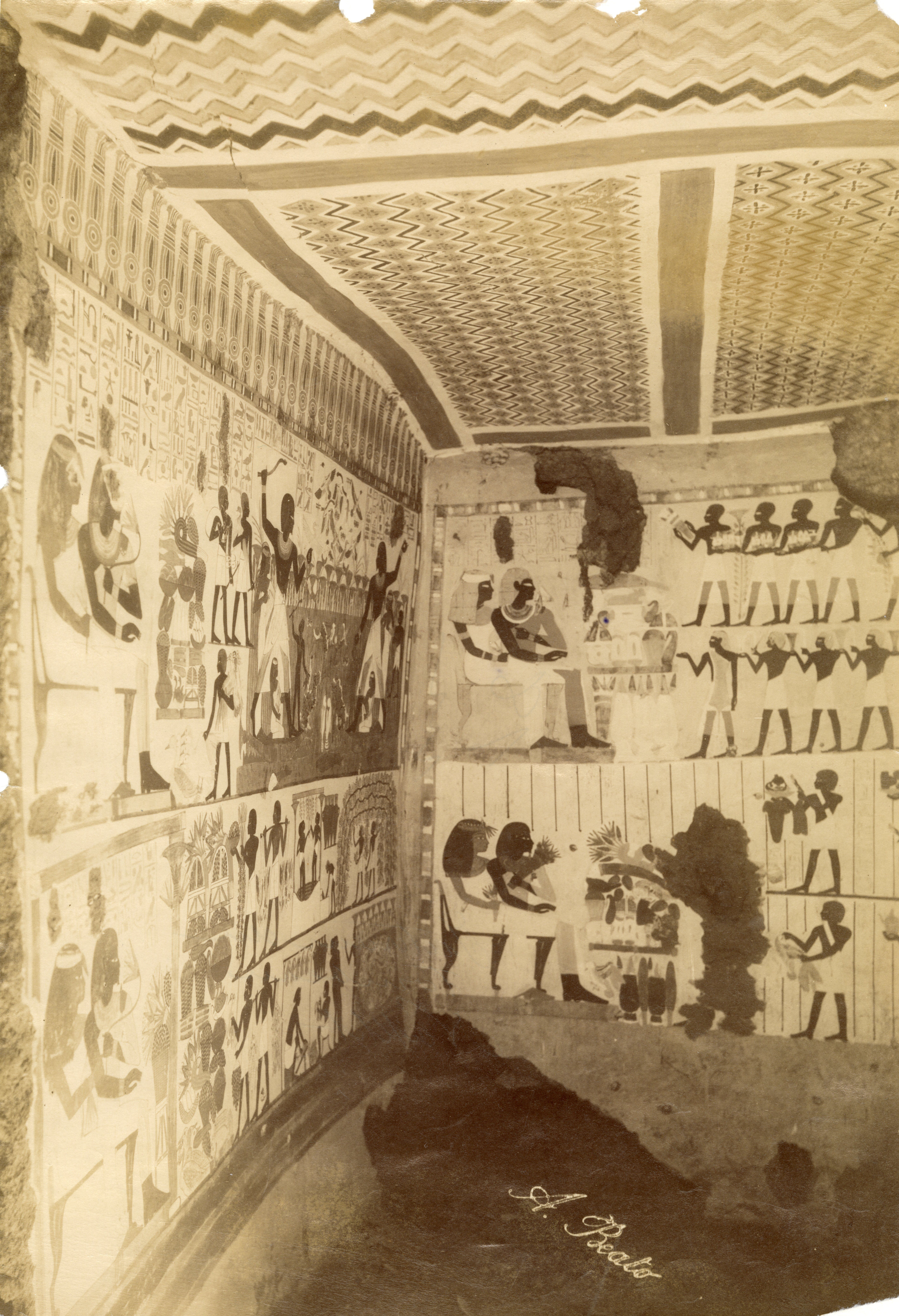
LuxorTomb of Nakht – Sheikh Abd el-Qurna, Luxor
The Tomb of Nakht sits in Sheikh Abd el-Qurna on Luxor's West Bank; we include the standard site ticket and a guided visit led by our Egyptologist. We schedule a 30–45 minute on-site visit rather than the 10–15 minute coach stop common on packaged tours. We meet you at your West Bank hotel or the ferry landing and handle entry logistics. Trade-offs: the tomb has low light and uneven stone floors, and there is limited shade at midday. Please wear sturdy shoes and bring sun protection; photography and tripod rules vary by site and may be enforced on arrival.
From $6