
Temple of Esna – Ticket & Guided Visit (Luxor)
At a glance
- Departs
- Daily
The short answer
Temple of Esna Entry Ticket is a 1-day entry ticket covering the Temple of Esna hypostyle hall and interior reliefs in Luxor, arranged through Discovery Tours Egypt.
- Archaeology & history
- Cultural
Snapshot
Good to know
- Destinations
- Luxor
Best time to go
The most comfortable months for visiting Luxor and Esna are usually October to April, when daytime temperatures are milder and site visits are easier on foot. Summer can be very hot, especially from May to September, so arriving early in the day is usually preferable. During Ramadan and major public holidays, opening hours and crowd levels may change, so checking in advance is recommended.
02Overview
A first look
The Temple of Esna dates mainly to the Ptolemaic and Roman periods; its best-known feature is the carved astronomical ceiling. A focused visit typically requires 30–45 minutes, often scheduled between Luxor and Edfu cruise stops.
Background
The facts
The Temple of Esna is a temple complex in the town of Esna, south of Luxor on the Nile corridor toward Edfu. The surviving structure is best known for its hypostyle hall, which was substantially built and decorated in the Ptolemaic and Roman periods, with later inscriptions continuing into the Roman imperial era. The temple was dedicated to Khnum, the ram-headed creator god associated with the Nile’s source and pottery, and it preserves columns, capitals, and ceiling decoration that are important for the study of late Egyptian temple architecture.
The main visitor area is the entrance precinct and the hypostyle hall, where reliefs, carved inscriptions, and ceiling panels can be examined at close range. Esna is smaller and less crowded than major Luxor monuments, so visitors often spend less time waiting at the entrance gate and more time observing the interior decoration. Standard site admission covers entry to the temple precinct only; special services such as audio guides, private interpretation, or photography permissions are not automatically included unless stated by the site.
Opening hours and last admission can vary by season, daylight, and local site policy, so visitors should verify the current schedule before traveling. Photography rules may also change, and smaller sites sometimes require a printed ticket rather than screen display, so carrying a paper copy is advisable. The temple is typically visited as an independent stop between Luxor and Edfu, with the nearest major city hub being Luxor.
Suited to
Is this for you?
Yes, if
- This ticket suits history-focused travelers, archaeology students, and independent visitors who want close access to a well-preserved Ptolemaic and Roman temple interior. It is also a good fit for adults and older children who are comfortable walking on uneven surfaces and spending time reading wall reliefs and inscriptions.
What lingers
- 01Ticket to the Temple of Esna (Temple of Khnum) on the Nile corniche in Esna town.
- 02Notable hypostyle hall with 24 columns and an astronomical, decan-marked ceiling from late Ptolemaic and Roman periods.
- 03Our Egyptologists point out the finely chiseled hieroglyphic reliefs and Roman-era inscription panels.
- 04Allow 45–60 minutes onsite; unlike cruise stopovers, this time reveals relief details and architectural context.
- 05Located approximately 55 kilometers south of Luxor along the Nile; we arrange private transfers on request.
The fine print
What's included – and what isn't
Included
- Temple of Esna entry ticket
Not included
- Professional Egyptologist or guided commentary, bookable separately if required
- Transport to or from the site
- Meals and refreshments
- Photography permit where required at the entrance
- Gratuities
Asked & answered
Frequent questions
01What is the Temple of Esna and where is it located?
The Temple of Esna, dedicated primarily to Khnum, sits on the Nile between Luxor and Edfu. The surviving Roman‑period façade and hypostyle hall contain deeply carved reliefs and a decorated ceiling; earlier cult activity at Esna predates the Roman phase. Entrance is from a courtyard near the river lock and on-site signage and lighting are limited.02How long should I plan to visit the Temple of Esna?
A focused visit usually takes 30–60 minutes. Allow 60–90 minutes if you want to study reliefs, photograph details, or read inscriptions closely. Visit length often depends on whether you arrive by road (more flexible) or as a timed cruise stop.03Can I visit the Temple of Esna from Luxor on a day trip?
Yes–you can visit Esna from Luxor by road or as part of a Nile cruise stop. We are a licensed Egyptian tour operator and include one of our Egyptologists on private land visits for contextual explanation. Cruise-timing calls can be brief because of lock schedules; a private transfer gives you more control over visit length.04Is the Temple of Esna accessible for wheelchairs or limited mobility?
Access is limited: steps, uneven stone floors and raised thresholds make interior access difficult. We can route you to courtyard viewpoints and arrange on-site assistance when notified in advance, but permanent ramps are minimal. Expect short standing periods and uneven walking surfaces throughout the temple.05Are cameras and photography allowed at the Temple of Esna?
Photography is generally permitted, but flash, tripods, and commercial shoots may be restricted. Rules vary by site guards so always confirm at the entrance before shooting. We can apply for a commercial photography permit in advance if you tell us beforehand.06What should I wear and bring for a visit to the Temple of Esna?
Wear modest clothing that covers shoulders and knees; bring sun protection and sturdy, flat shoes. Shade is limited at midday and floors are uneven, so carry water, a sun hat, and a lightweight layer for cooler mornings. Avoid sharp heels and expect to walk on worn stone.
Product ID: TKT-LUX-900163
You Might Also Like
 Luxor
LuxorLuxor Museum – Entrance Ticket & Egyptologist
The Luxor Museum sits on the Nile Corniche opposite Luxor Temple and displays selected artifacts excavated from the Theban temples and necropolis. Unlike Cairo's larger museums, Luxor Museum is compact and typically takes 45–90 minutes to see, so it fits well before or after a temple visit. We include the site entrance ticket; our Egyptologists can lead a focused private tour that explains key pieces and their findspots. We don't bundle this as a mass-coach stop – we arrange a short private visit timed to avoid the busiest hours. Note: small galleries and limited seating mean many clients prefer a morning visit.
From $12
 Luxor
LuxorKarnak Temples (includes the Sacred Lake) – Luxor
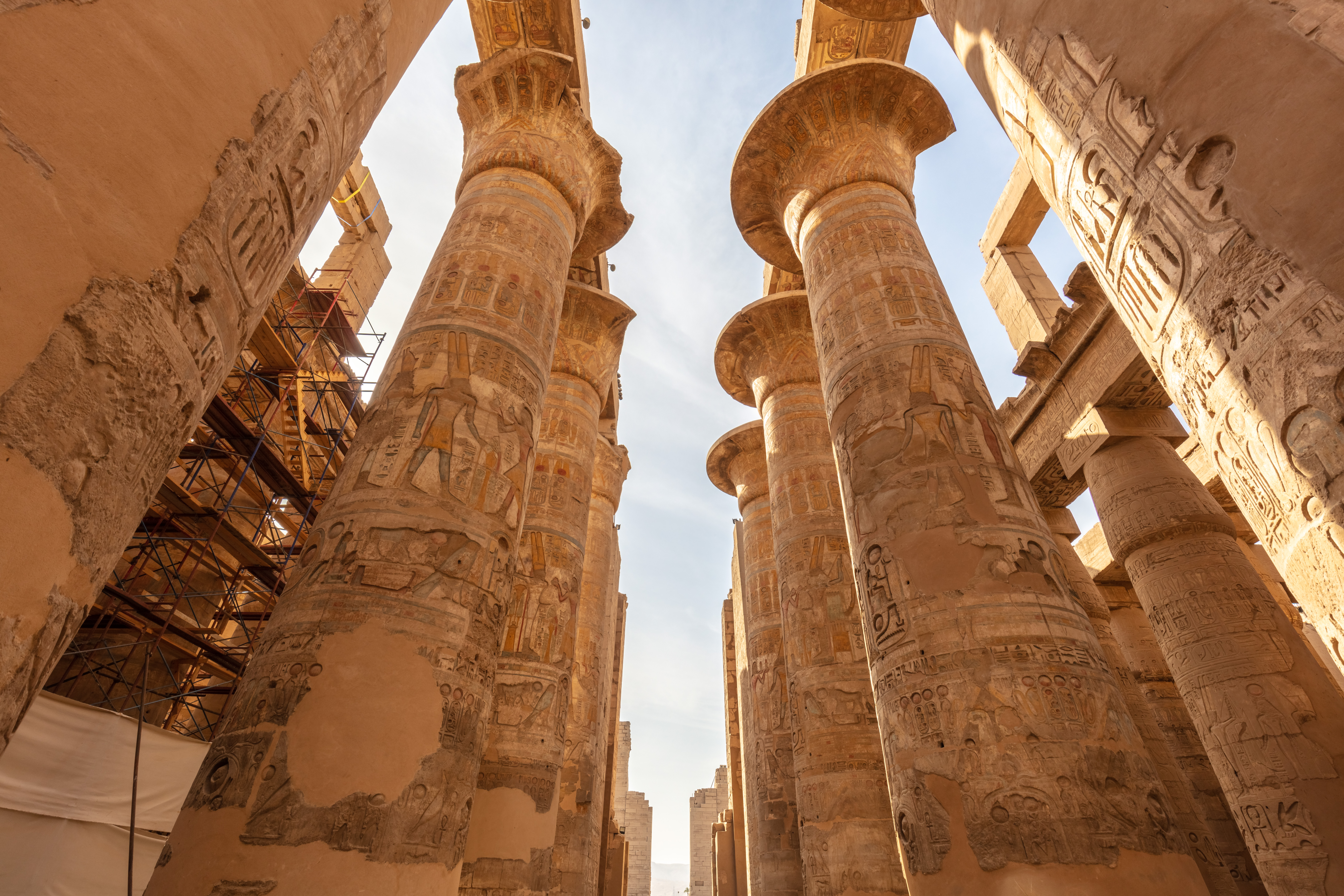
This guided visit covers Karnak Temples and the Sacred Lake in Luxor, with timed entry and commentary from our Egyptologist. Karnak is part of the UNESCO World Heritage Site "Ancient Thebes with its Necropolis" (inscribed 1979). We recommend 90–120 minutes on site; expect up to 2 kilometers of walking across uneven ancient stone. Your driver meets you at hotels on Luxor's east bank; the complex lies about 2.5 km north of Luxor Temple (roughly a 10‑minute drive). Unlike rushed coach tours and cruise-ship day runs, our visit is Egyptologist-led and includes the Sacred Lake and the Avenue of Sphinxes where visitor access is open. We are a licensed Egyptian tour operator; standard site entrance fees are included. Limited shade at midday and strong sun are trade-offs; bring sun protection and sturdy walking shoes.
From $18
 Luxor
LuxorSheikh Abd el-Qurna Tombs, Luxor West Bank
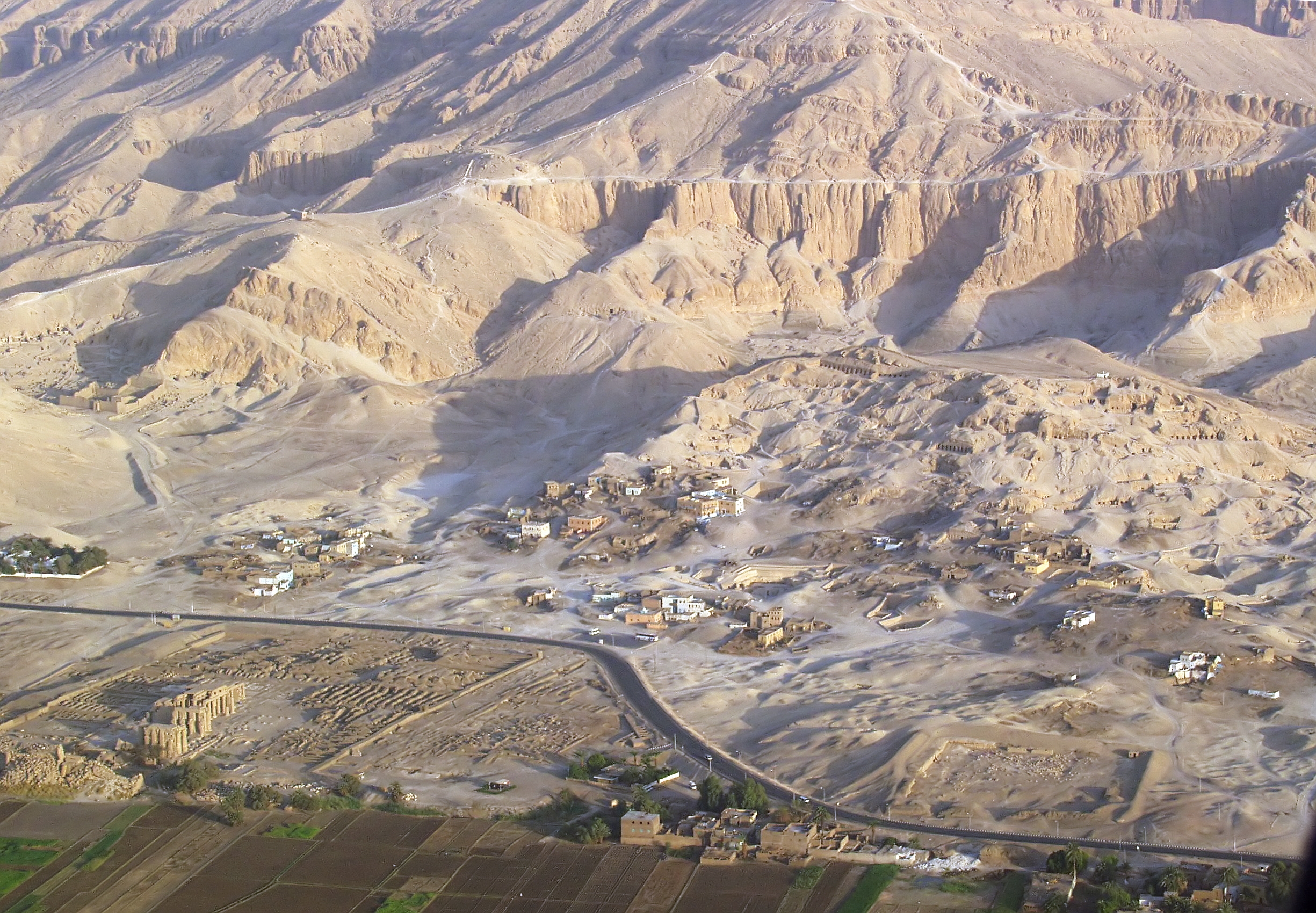
We guide visits to the Sheikh Abd el-Qurna tombs on Luxor's West Bank, focusing on New Kingdom private tombs such as Menna (TT69). We don't run rushed cruise-ship stop visits; we recommend 60–90 minutes here with one of our Egyptologists to read scenes, inscriptions, and funerary registers. Unlike packaged bus tours, we organize a short transfer across the Nile and enter between quieter time slots when possible. Trade-offs: limited shade, low ceilings, narrow passageways, and uneven ancient stone – these make photography challenging and the site unsuitable for those with severe claustrophobia or limited mobility.
From $4