
Temple of Dendera (Hathor Temple)
At a glance
- Departs
- Daily
The short answer
Temple of Dendera Entry Ticket is a 1-day admission covering the Temple of Hathor and its temple complex in Luxor, arranged through Discovery Tours Egypt.
- Archaeology & history
- Cultural
Snapshot
Good to know
- Destinations
- Luxor
Best time to go
The most comfortable months are usually October through April, when daytime temperatures in the Luxor region are milder and walking inside the complex is easier. In summer, heat can be intense, so arriving early is advisable; opening hours and last admission may vary seasonally, and holiday periods can be busier than usual. During Ramadan and major Egyptian public holidays, some sites may operate on adjusted schedules.
02Overview
A first look
The Temple of Dendera, dedicated to Hathor, is a Ptolemaic-Roman temple complex about 60 km north of Luxor. Visitors note the painted ceiling scenes and the replica of the Dendera Zodiac; the original is housed in the Louvre.
Background
The facts
The Temple of Dendera, also known as the Temple of Hathor, is one of the best-preserved temple complexes from ancient Egypt. It is located at Dendera in Qena Governorate, about 60 km north of Luxor on the west bank of the Nile. The surviving temple dates mainly to the Greco-Roman period, with construction and decoration spanning the Ptolemaic and Roman eras, although the cult site itself is much older.
The main sanctuary was dedicated to Hathor, a goddess associated with music, fertility, healing, and the sky. The temple is known for its large hypostyle hall, thick stone columns with Hathoric capitals, carved reliefs, and inscriptions that remain legible across many interior surfaces. One of its most famous features is the Roman-period astronomical ceiling in one of the temple chambers, commonly referred to as the Dendera Zodiac, though access to specific rooms can vary.
An entry ticket grants admission through the official ticket gate to the temple complex and its accessible visitor areas. Standard entrance fees are normally included in the ticket price unless stated otherwise, while premium access areas, special photography permits, or any separately controlled rooms are not included unless specifically mentioned. Visitors should check official opening hours before travel, as seasonal schedules, security procedures, and room access may change.
Because Dendera is a freestanding monument outside Luxor city, most visitors combine it with a private road visit from Luxor or with other sites in Upper Egypt. The site is best visited earlier in the day to reduce heat and congestion at the entrance, and printed tickets may be required if the venue does not accept mobile display at the gate.
Suited to
Is this for you?
Yes, if
- This ticket suits independent travelers, history-focused visitors, and families who want self-guided access to one of Upper Egypt’s most intact temple sites. It is also a practical choice for adults and older children who are comfortable with temple steps, uneven stone surfaces, and walking in warm weather.
What lingers
- 01Temple of Dendera sits about 60 km north of Luxor – roughly a 1 hour 15-minute drive.
- 02Dedicated to Hathor, the complex is largely Ptolemaic with Roman additions; notable Hathor columns and reliefs.
- 03Our Egyptologist explains the zodiac relief's history – the Dendera Zodiac was removed in the 19th century to the Louvre.
- 04Standard attraction ticket covers the main Hathor Temple; private-guide fees and any optional services are extra.
- 05Unlike coach tours, we arrange private transfers and schedule 90–120 minutes on-site with an Egyptologist.
The fine print
What's included – and what isn't
Included
- Entry ticket to the Temple of Dendera (Hathor Temple), delivered as a PDF by email
Not included
- Transport to or from the site
- Professional Egyptologist or guided commentary, book separately if required
- Meals and personal expenses
- Photography permit if required by the venue
- Printed ticket requirement, check with the venue and print your PDF if in doubt
Asked & answered
Frequent questions
01How do I get to Dendera Temple from Luxor?
Dendera Temple is about 60 km north of Luxor; the drive takes roughly 1–1.5 hours by private car. We arrange door-to-door transfers with an English-speaking driver; public minibuses run irregularly via Qena. Road conditions are paved and straightforward, but travel time depends on traffic and stops en route.02Can I visit Dendera Temple on a day trip from Luxor?
Yes – Dendera is commonly visited as a full-day excursion from Luxor. Typical day trips depart early and often combine Dendera with Abydos to make a full archaeological day. Unlike many cruise-ship shore excursions, these are road trips that allow 60–90 minutes on site; we can include a licensed Egyptologist and lunch.03What are the opening hours and best time to visit Dendera Temple?
Dendera Temple is open daily, though exact opening hours vary seasonally and during Ramadan. Early morning or late afternoon offer cooler temperatures and better light; there is limited shade at midday. We confirm local opening hours before travel and time pickups accordingly to avoid crowds and heat when possible.04Is photography allowed inside Dendera Temple?
Photography is generally allowed inside Dendera Temple; flash and tripods may be restricted. Professional filming usually requires prior permission and a permit from the authorities. The original Dendera Zodiac was removed to Paris in the 19th century; a reproduction is visible at the site.05What should I wear and bring to Dendera Temple?
Wear sun protection and modest clothing; shoulders and knees should be covered inside the temple. Bring a hat, sunscreen, refillable water, and sturdy closed shoes for uneven stone and cobbles. Carry small change for refreshments and toilets; in summer and Ramadan expect higher temperatures and reduced services.06How long does a typical visit to Dendera Temple take?
A standard visit to Dendera Temple takes 60–90 minutes on site. Add roughly 1–1.5 hours travel each way from Luxor for a round trip. If you want to study ceiling reliefs in detail or visit the small site museum, allow up to three hours; we can adjust the stop to match your interests.
Product ID: TKT-LUX-565341
You Might Also Like
 Luxor
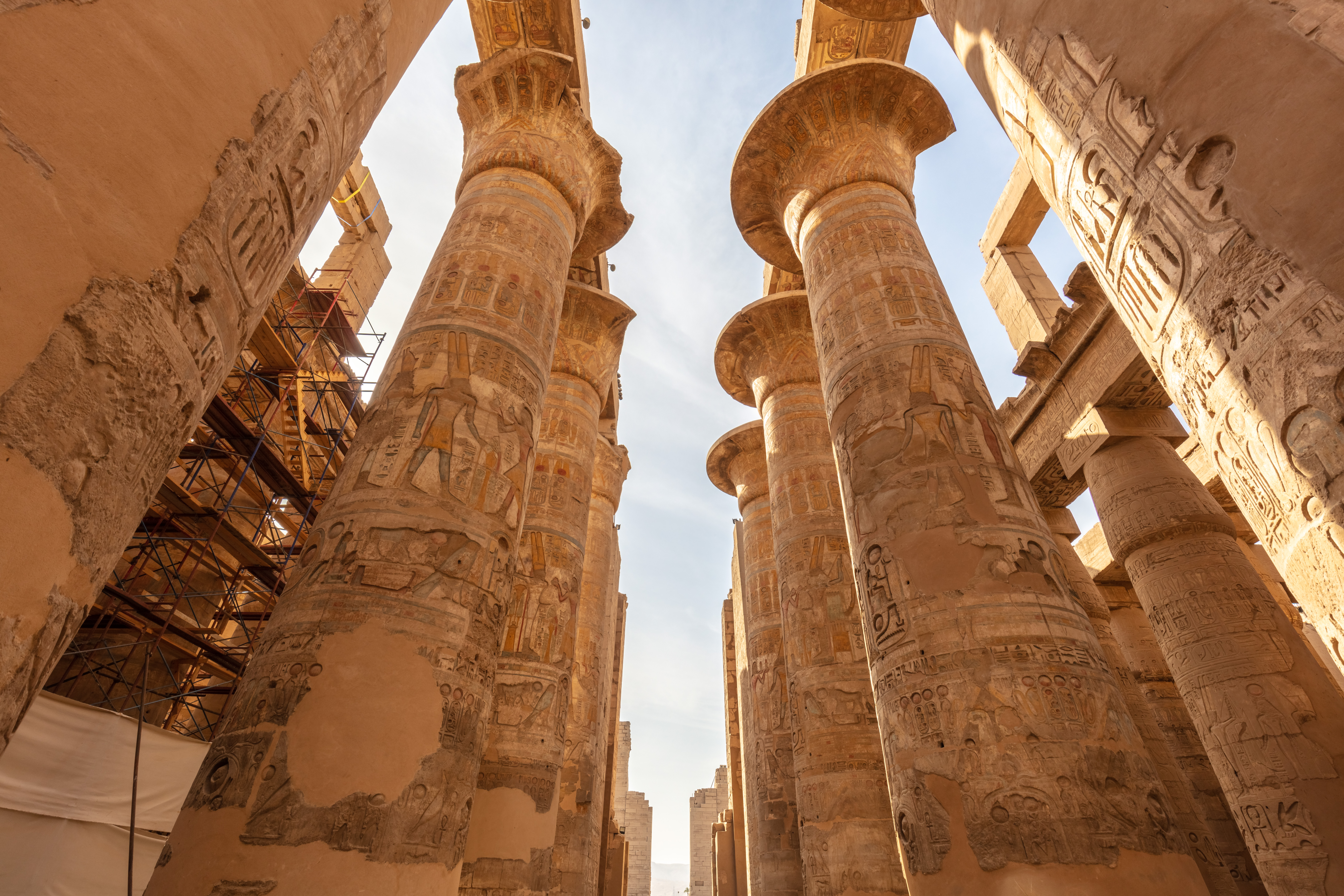
LuxorKarnak Temples (includes the Sacred Lake) – Luxor
This guided visit covers Karnak Temples and the Sacred Lake in Luxor, with timed entry and commentary from our Egyptologist. Karnak is part of the UNESCO World Heritage Site "Ancient Thebes with its Necropolis" (inscribed 1979). We recommend 90–120 minutes on site; expect up to 2 kilometers of walking across uneven ancient stone. Your driver meets you at hotels on Luxor's east bank; the complex lies about 2.5 km north of Luxor Temple (roughly a 10‑minute drive). Unlike rushed coach tours and cruise-ship day runs, our visit is Egyptologist-led and includes the Sacred Lake and the Avenue of Sphinxes where visitor access is open. We are a licensed Egyptian tour operator; standard site entrance fees are included. Limited shade at midday and strong sun are trade-offs; bring sun protection and sturdy walking shoes.
From $18
 Luxor
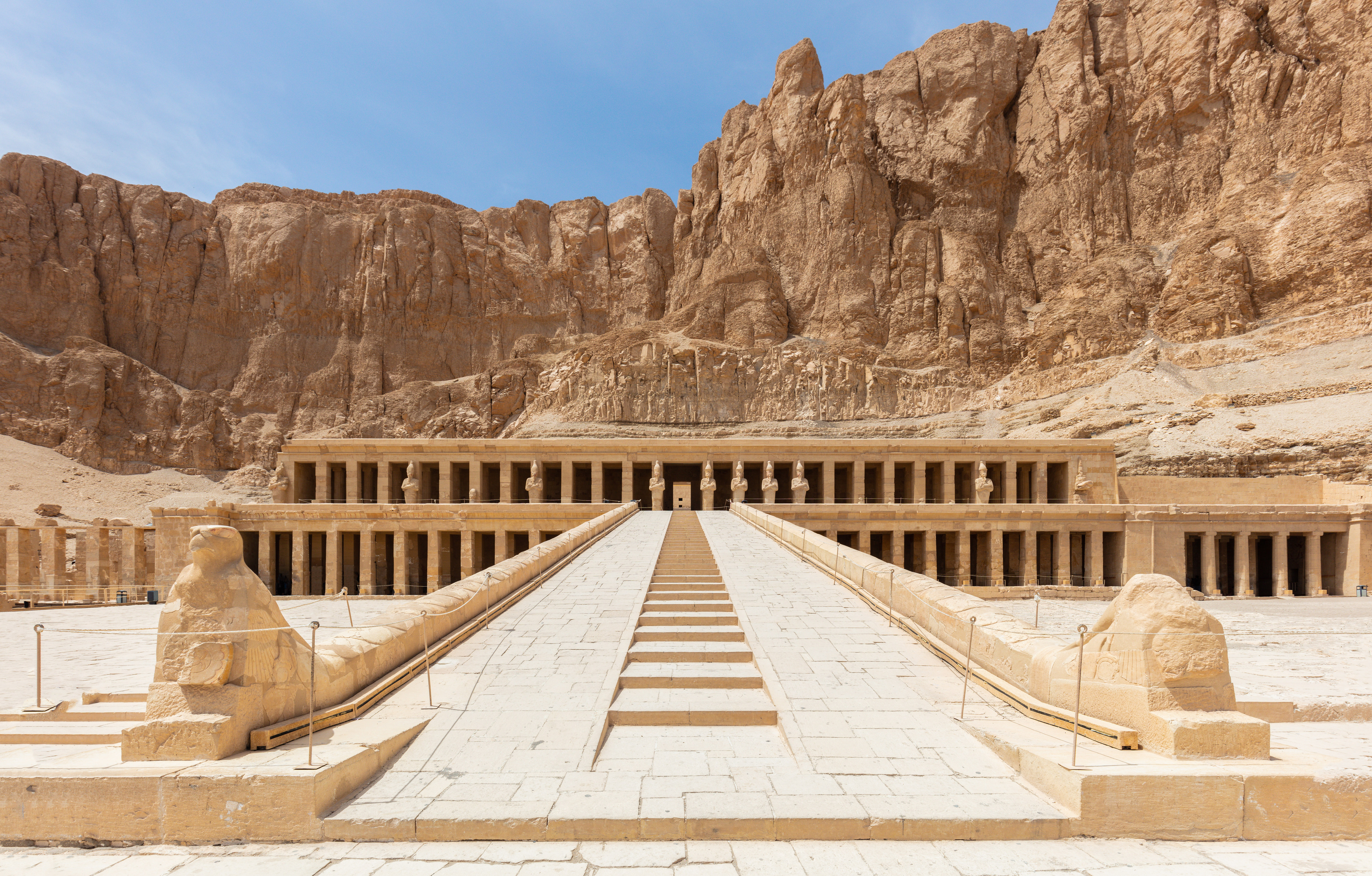
LuxorMortuary Temple of Hatshepsut (Deir el‑Bahari), Luxor
Visit the Mortuary Temple of Hatshepsut (Deir el‑Bahari) on Luxor’s West Bank; a private Egyptologist and the standard site ticket are included. We are a licensed Egyptian tour operator and we do not run large coach tours; we schedule private visits at first light to view the terraces and reliefs before heat and crowds. Unlike typical cruise-run stopovers, our timing allows more sustained interpretation of Senenmut’s architecture and Hatshepsut’s relief programs. Trade-offs: the terraces involve many steps and offer limited shade, so early starts and sensible footwear are necessary.
From $13
 Luxor
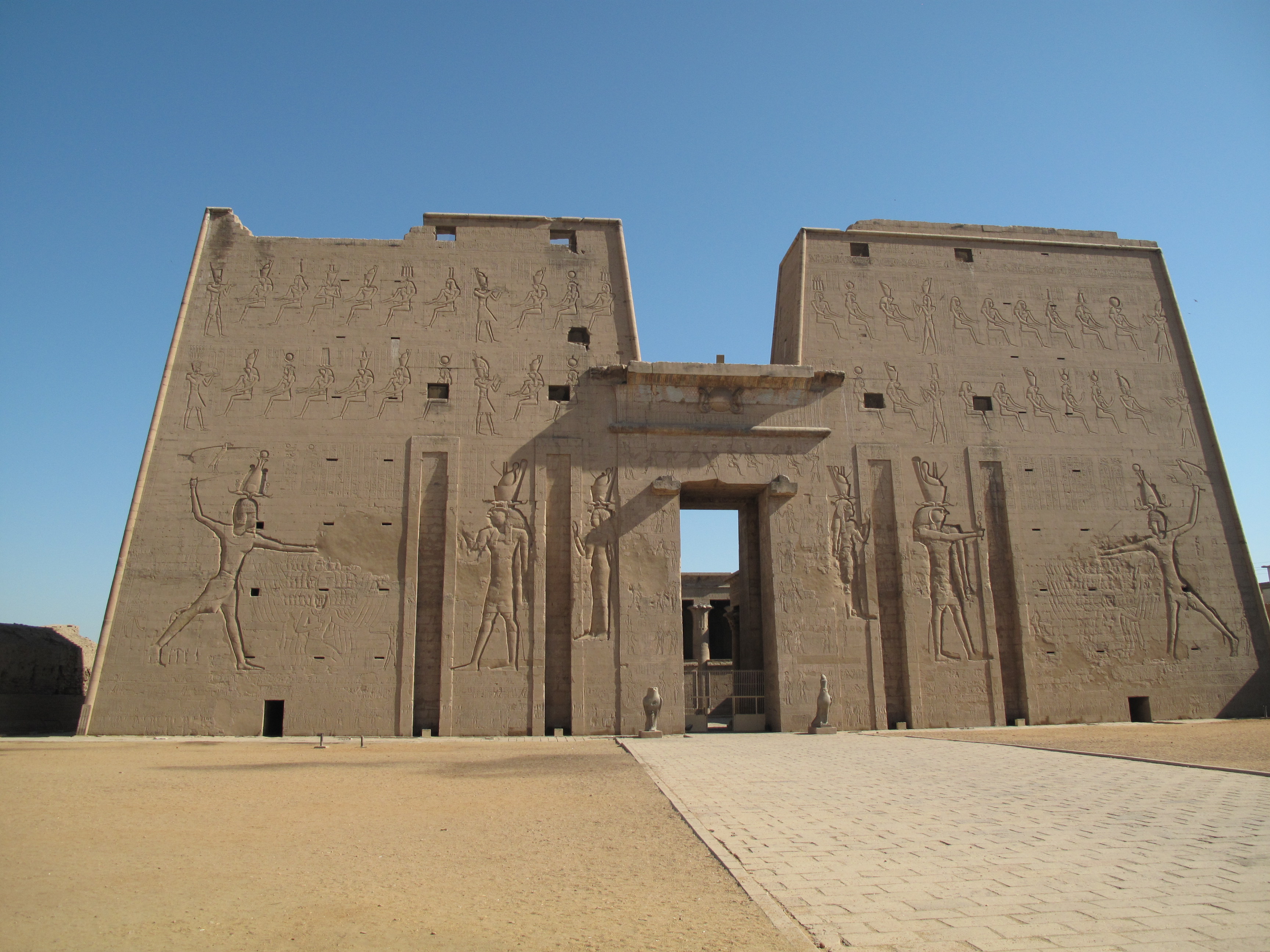
LuxorTemple of Edfu – Entrance Ticket & Visitor Options
The Temple of Edfu is the Ptolemaic temple dedicated to Horus; construction ran from 237–57 BC. As a licensed Egyptian tour operator, we sell standard entrance tickets and can add a private Egyptologist, timed entry, or door-to-door transfer. We do not package Edfu into rushed cruise-ship shore calls; we recommend 60–90 minutes on site so you can read the wall inscriptions and the temple’s relief program. Note the site has limited shade at midday and involves walking on uneven ancient stone. Entrance fee is included; audio guides and private guiding are available at extra cost.
From $17