
Deir el-Medina – Luxor West Bank
At a glance
- Departs
- Daily
The short answer
Deir el-Medina Entry Ticket is a 1-day admission covering the workers’ village remains and artisans’ tomb area in Luxor, arranged through Discovery Tours Egypt.
- Archaeology & history
- Cultural
Snapshot
Good to know
- Destinations
- Luxor
Best time to go
The most comfortable months are October to April, when daytime temperatures in Luxor are generally milder and outdoor visits are easier. Midday heat can be intense from May to September, so early morning is usually the best time. During Ramadan and public holidays, visitor flow and practical opening arrangements may differ, so checking ahead is recommended.
02Overview
A first look
On Luxor's West Bank, Deir el-Medina housed the craftsmen who decorated royal tombs in the New Kingdom (c.1550–1070 BCE). Archaeological remains include artisan houses, ostraca, and painted rock-cut tombs such as Sennedjem's (TT1).
Background
The facts
Deir el-Medina is the archaeological remains of the New Kingdom workmen’s village on Luxor’s West Bank, opposite modern Luxor. It was home to the artisans, draftsmen, and laborers who built and decorated royal tombs in the Valley of the Kings and related burial sites during the 18th to 20th Dynasties, roughly c. 1550–1070 BCE. The settlement is important because it preserves evidence of daily life, craft organization, and community life connected to royal tomb production in ancient Thebes.
An entry ticket to Deir el-Medina grants access to the site area, including the surviving house foundations, streets, and the cemetery zone with decorated tombs of the artisans. Where available, visitors may also see displayed ostraca, tools, and other finds that illustrate writing, planning, and work routines. The site is compact and is commonly visited in about 1 to 2 hours.
The location is on Luxor’s West Bank, within reach of other major monuments such as the Valley of the Kings, the Valley of the Queens, and the Nobles’ tombs area. Opening hours can vary by season, so visitors should confirm current hours at the entrance or with the official site information before arriving. Photography rules may also vary, so it is best to check posted notices at the entrance gate.
The terrain is uneven in places, with exposed paths and archaeological remains under open-air conditions. Standard site entrance fees are included with the ticket, but special tomb access or premium interiors are not part of this product unless clearly stated in the booking conditions. Tickets are delivered by email as a PDF after booking; some venues may require a printed copy at the ticket window or entrance gate.
Suited to
Is this for you?
Yes, if
- This ticket is suitable for independent travelers, history enthusiasts, and visitors who want to understand the daily life of ancient craftsmen rather than only royal monuments. It also works well for adults and older children who are comfortable walking on uneven ground for a short site visit.
What lingers
- 01Visit Deir el-Medina on Luxor's West Bank – workers' houses, tombs TT1 (Sennedjem) and TT8 (Kha).
- 02Our Egyptologists explain ostraca, hieratic notes and workshop layouts that reveal daily life of the tomb-builders.
- 03Unlike rushed Valley of the Kings visits, Deir el-Medina preserves workers' graffiti, ostraca, and household objects.
- 04Limited shade and uneven stone paths; we recommend a morning visit and sturdy walking shoes.
- 05Standard entrance ticket covers site access; premium royal tomb interiors (Tutankhamun, Seti I) are excluded and cost extra.
The fine print
What's included – and what isn't
Included
- Entry Ticket
Not included
- Professional Egyptologist guide (book separately if required)
- Transport to/from the site
- Meals and personal expenses
- Photography permit if applicable; check at the entrance
- Printed ticket requirement, if the site does not accept mobile tickets
Asked & answered
Frequent questions
01Where is Deir el-Medina located?
Deir el-Medina sits on Luxor's West Bank, adjacent to the Valley of the Kings within the Theban Necropolis. The site was the New Kingdom village of the artisans who built tombs in the Valley of the Kings and Valley of the Queens (c. 1550–1070 BCE). It forms part of the Ancient Thebes with its Necropolis UNESCO World Heritage area. The main excavated streets and tomb chapels are visible from the visitor path; several painted tomb walls remain in situ.02How long should I spend at Deir el-Medina?
Most visitors allocate about 45–90 minutes to visit Deir el-Medina and the on-site small museum. If you read wall inscriptions and catalog house remains, add extra time; photography or sketching also takes longer. Unlike a quick drive-by West Bank stop, a proper visit lets you compare artisan records with nearby tomb chapels. We can schedule a longer visit if you want time with an Egyptologist.03Is there an entry fee for Deir el-Medina?
Entry to Deir el-Medina is covered by the standard Luxor archaeological site ticket; extra permits may apply for filming. Standard West Bank site fees normally include access to the village area; any special permissions, commercial photography permits, or private conservation-room visits carry additional charges. Tomb-specific surcharges (for premium chapels elsewhere on the West Bank) are separate and not bundled unless stated. We include standard entrance logistics in our private arrangements.04Can I take photographs at Deir el-Medina?
Photography for private, non-commercial use is generally allowed at Deir el-Medina, but flash and tripods are often restricted. Commercial shoots, professional tripods, and drones require formal permits from Egyptian authorities and usually a local escort; expect extra fees and lead time. Flash can damage pigment, so guards commonly prohibit it inside painted chapels. We can arrange permits and a licensed Egyptologist to accompany commercial shoots.05Is Deir el-Medina wheelchair accessible?
Deir el-Medina has uneven stone paths, sand, and steps and is not fully wheelchair accessible. There are narrow passageways and low thresholds inside some tomb chapels; ramps are limited and surfaces can be loose or sandy. We can arrange a private vehicle drop-off near the main entrance and a porter to assist, but expect physical barriers once inside. If mobility is restricted, tell us in advance so we can plan the easiest route and allow extra time.06What should I wear and bring to Deir el-Medina?
Wear sturdy closed shoes, sun-protective clothing, a hat, and bring sunscreen and a water bottle. Temples and tomb chapels require modest dress: shoulders and knees should be covered; breathable fabrics work best in high temperatures. Also bring a light scarf for dust, a spare camera battery, and cash for onsite toilets or small purchases. Midday shade is limited, so plan morning or late-afternoon visits in summer.07Are guided tours available at Deir el-Medina?
Yes–licensed Egyptologists and private guides operate at Deir el-Medina; we can provide a licensed guide on request. We prefer private guided visits and do not run large coach groups, because the inscriptions and legal texts require focused explanation. Guides usually meet at the ticket office; multilingual guides and specialist epigraphists need advance booking. We can combine the visit with the Valley of the Kings or the Ramesseum on the same West Bank day.
Product ID: TKT-LUX-943801
You Might Also Like
 Luxor
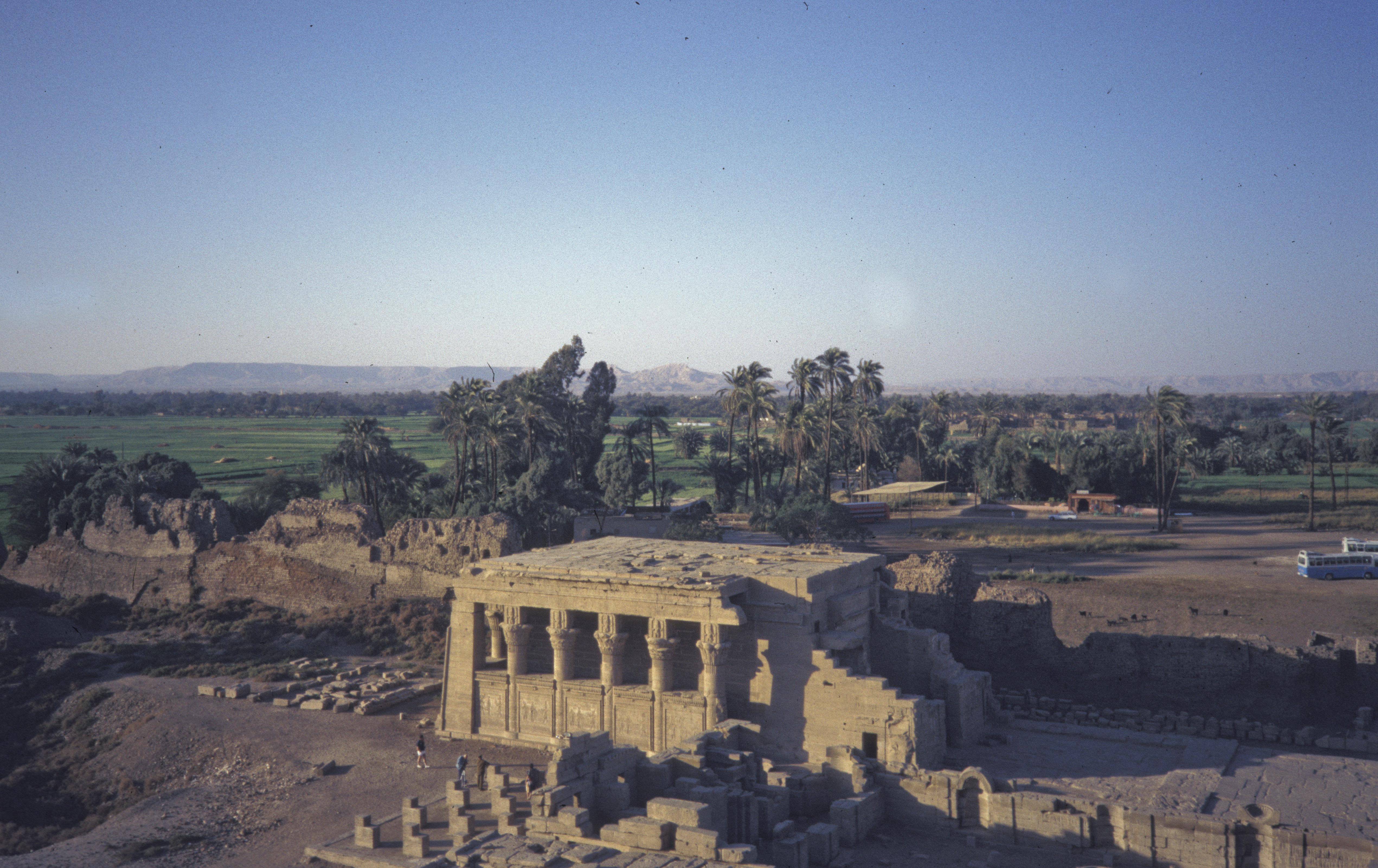
LuxorTemple of Dendera (Hathor Temple)
The Temple of Dendera (the Hathor Temple) is a Ptolemaic and Roman-era complex about 60 km (75 minutes) north of Luxor. The original Dendera Zodiac now resides in the Louvre; a replica is displayed on site. We schedule private day trips from Luxor with 60–90 minutes at the temple and a 75-minute road transfer. Unlike crowded coach tours, we time visits to avoid the hottest midday hours and allow close study of the painted ceilings and the Hathor-column hall. As a licensed Egyptian tour operator we include standard site entrance fees; pyramid interiors and premium tombs are excluded unless requested. Limited shade and uneven ancient stone make sturdy shoes and sun protection advisable.
From $9
 Luxor
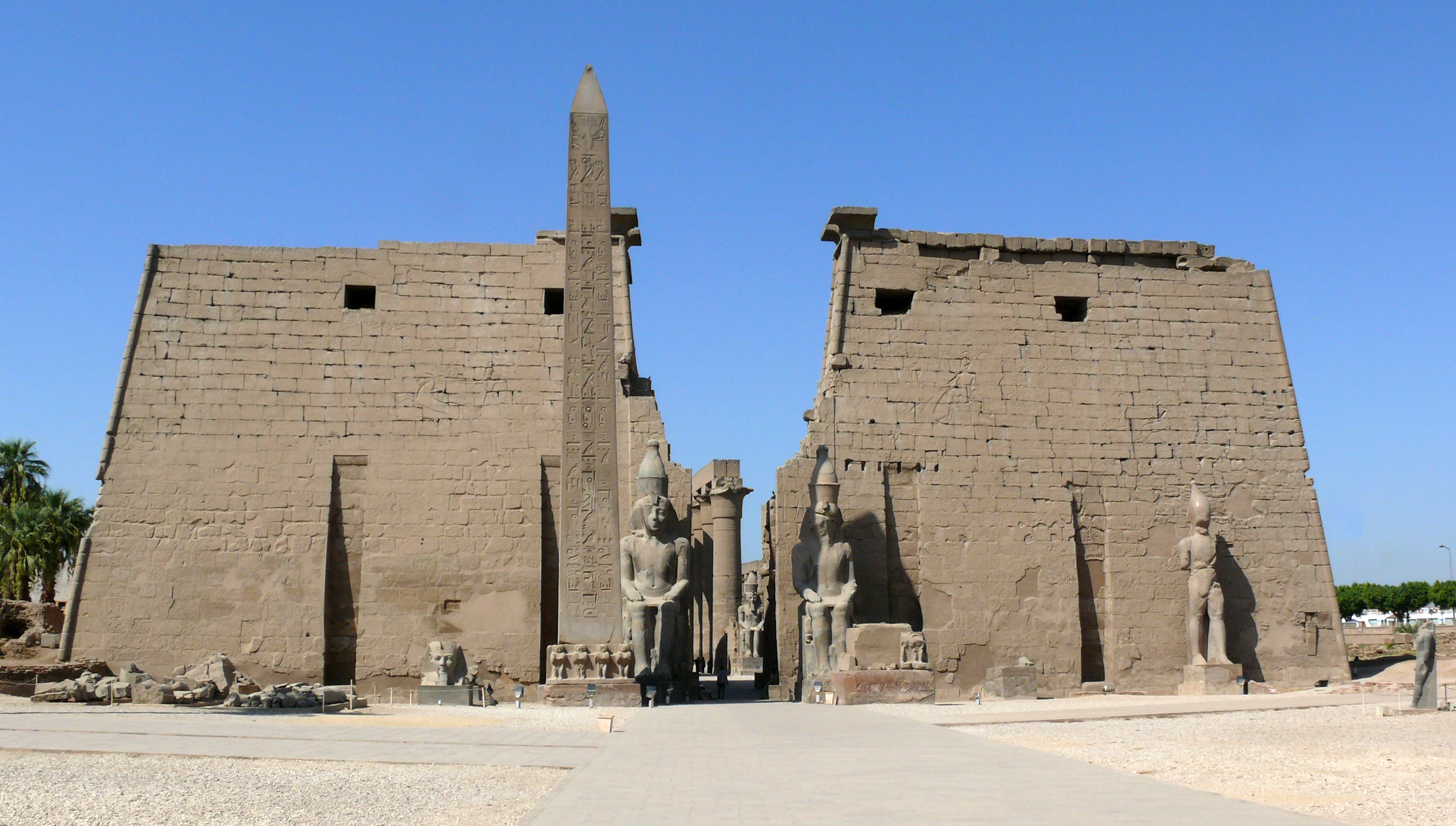
LuxorLuxor Temple (East Bank, Luxor)
Luxor Temple sits on the Nile's east bank, about 2.5 km south of Karnak Temple and part of the UNESCO 'Ancient Thebes with its Necropolis' listing. Standard site entrance fee is included; there are no premium-interior extras like pyramid shafts to purchase. We are a licensed Egyptian tour operator and offer Egyptologist-led evening visits to avoid midday heat and cruise-ship crowds. We don't run large coach tours; our visits are timed to minimise queues and to walk the Avenue of Sphinxes at a relaxed pace. Trade-offs: limited shade at midday, uneven ancient stone underfoot, and lower lighting after dark.
From $15
 Luxor
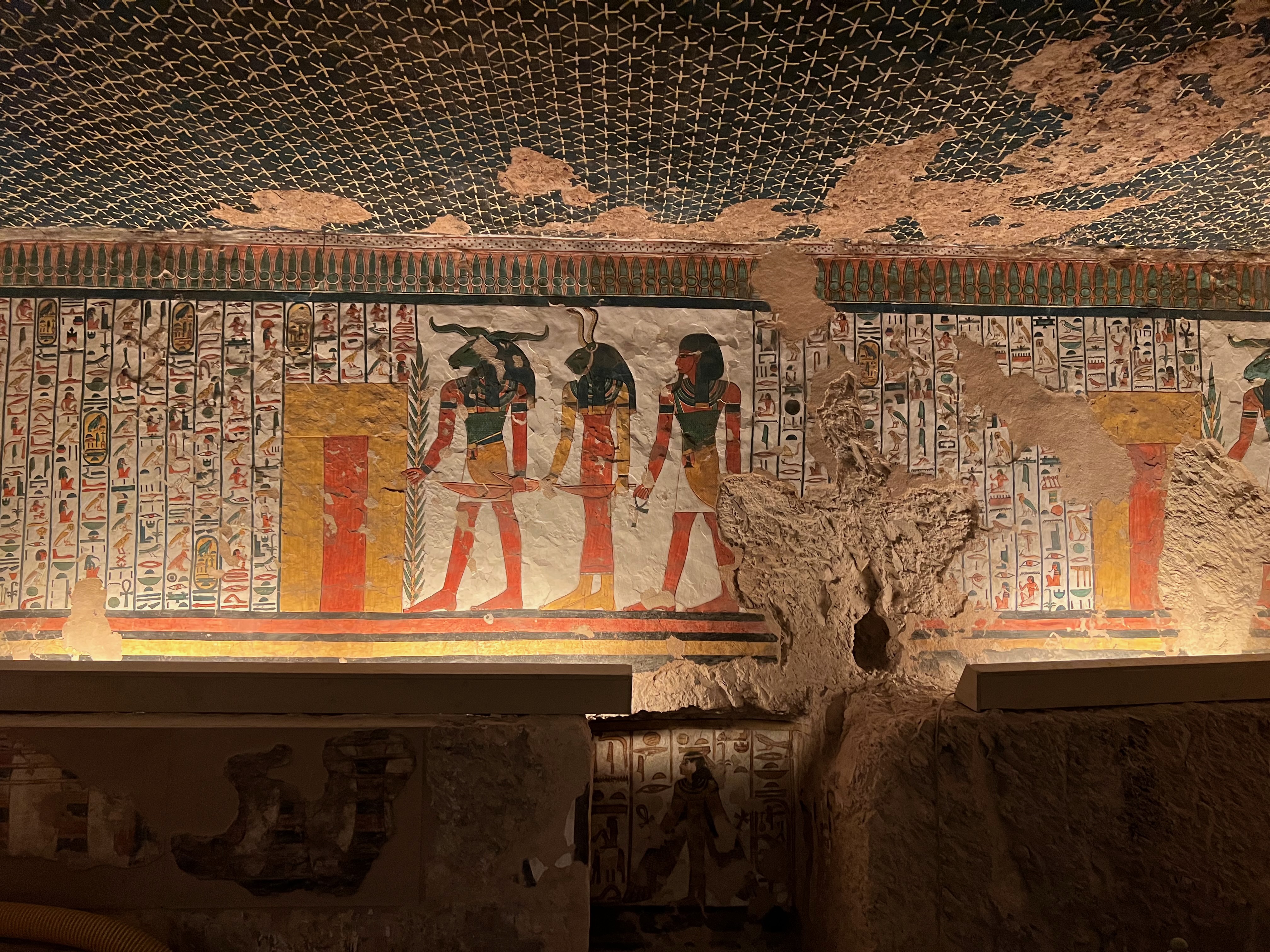
LuxorTomb of Nefertari, Valley of the Queens – Luxor
The Tomb of Nefertari (QV66) sits in the Valley of the Queens on Luxor's West Bank and is part of Thebes UNESCO World Heritage Site. Nefertari's burial chamber contains some of the best-preserved New Kingdom wall paintings; access is tightly controlled to protect the pigments. We do not include premium-tomb access by default – we reserve timed slots and book the separate ticket on request to avoid last-minute sold-out visits. Unlike mass coach tours, we limit group size and time inside so visitors do not queue in the doorway. Practical trade-offs: no photography, low ceilings and uneven stone steps, and only short supervised visits are permitted. We are a licensed Egyptian tour operator and can add QV66 to a private West Bank program.
From $76