
San El Hagar Archaeological Area (Nile Delta)
At a glance
- Departs
- Daily
The short answer
San El Hagar Entry Ticket is a 1-day admission covering the San El Hagar Archaeological Area on the Nile, arranged through Discovery Tours Egypt.
- Archaeology & history
- Cultural
Snapshot
Good to know
- Destinations
- Nile
Best time to go
The most comfortable months are usually October to April, when daytime temperatures are milder and outdoor walking is easier. Midday heat can be stronger from May to September, so early morning is often the best time for a visit. Crowds are usually lighter than at major Nile attractions, but weekends, public holidays, and religious holiday periods can still be busier. During Ramadan or around major feast days, opening times and last admission may shift, so checking the official schedule before travel is recommended.
02Overview
A first look
San El Hagar Archaeological Area lies in Egypt's Nile Delta and contains archaeological remains from ancient Nile settlements. Visits involve moderate walking on uneven ground, minimal facilities, and sun exposure; bring sun protection.
Background
The facts
San El Hagar Archaeological Area is a Nile-side archaeological complex that preserves remains from multiple periods, including the Old Kingdom, Middle Kingdom, and later Byzantine reuse. The site is significant for showing long-term occupation and rebuilding in a compact open-air setting, with visible stonework, inscriptions, and structural traces from different eras.
An entry ticket grants access to the principal exposed ruins and, where available, small on-site interpretation areas or display spaces. Visitor circulation is typically on foot along short archaeological paths between excavated areas, so the visit is usually straightforward and self-paced.
Hours and access conditions can change seasonally, and some smaller heritage sites may have different rules for ticket validation, printed copies, or last admission. It is best to verify the official hours before traveling and allow extra time for the entrance security check at the gate.
Compared with larger Nile monuments, San El Hagar generally receives fewer visitors, which can make viewing the ruins quieter and less crowded. Photography rules vary by venue and can be applied differently across outdoor areas and any indoor displays, so travelers should check signage or ask at the entrance before taking photos.
Suited to
Is this for you?
Yes, if
- This entry ticket is suitable for travelers interested in archaeology, ancient Egyptian settlement history, and lesser-visited sites on the Nile. It also suits independent visitors who prefer a short, self-guided stop rather than a structured sightseeing program.
- It is a good fit for adults, older children, and teenagers who are comfortable walking on uneven archaeological paths for a brief period. Visitors who value smaller crowds and a slower pace often find it easier to appreciate the site’s remains.
What lingers
- 01Ancient Tanis at San El Hagar – capital during Egypt's Third Intermediate Period; Pierre Montet uncovered royal tombs in 1939–1940.
- 02See the royal necropolis where Psusennes I's silver coffin and burial goods were found; many artifacts are now in Cairo Museum.
- 03Site lies in the Nile Delta with visible Temple of Amun ruins and large mudbrick urban mounds; limited shade midday.
- 04Compared with Giza's crowds, San El Hagar offers quieter visits; we provide a private Egyptologist-led briefing on arrival.
- 05Expect about a 3–4 hour road transfer from Cairo; facilities are basic, so we arrange water and shaded rest stops.
The fine print
What's included – and what isn't
Included
- San El Hagar Archaeological Area entry ticket
Not included
- Professional Egyptologist or audio guide, bookable separately
- Transport to and from the site
- Meals and personal expenses
- Photography permit, if required by the venue
- Printed ticket requirement, where the venue does not accept mobile tickets
Asked & answered
Frequent questions
01Where is San El Hagar Archaeological Area located?
San El Hagar sits on the eastern Nile Delta at the site of ancient Mendes. The site lies on agricultural land outside the modern town; road access is via local secondary roads. Travel time from central Delta cities varies and may require a private car; we can arrange transfers.02What remains can I see at San El Hagar?
You will see temple foundations, mudbrick platforms, and isolated stone blocks from ancient Mendes. The preservation is mostly subsurface and fragmentary; there are no intact colonnaded temples like Karnak. Unlike heavily restored sites, San El Hagar is best for visitors interested in archaeology and interpretation rather than monumental reliefs.03How long should I plan for a visit to San El Hagar?
Plan 45–90 minutes on site for a typical visit. Allow extra time for transfer, photography, and discussion with a guide; remote Delta sites often involve short drives on minor roads. If you want detailed study or to inspect specific trenches, schedule a half-day with an Egyptologist.04Can I book a guide for San El Hagar?
Yes – we can arrange a licensed local Egyptologist or guide for the visit. Guides require advance booking because specialists are scheduled across multiple Delta sites; we recommend booking at least 48–72 hours ahead. As a licensed Egyptian tour operator, we can also combine the visit with nearby Delta sites.05Is San El Hagar accessible for people with reduced mobility?
Accessibility is limited: uneven mudbrick surfaces, loose sand, and no formal ramps. Visitors should expect low walls, shallow trenches, and narrow paths; assistance is often necessary. If mobility is restricted, ask us for an alternative itinerary focusing on museums or better-equipped sites nearby.06Are photography, tripods or drones allowed at San El Hagar?
Personal photography is generally permitted; tripods, professional equipment, and drones typically require prior official permission. Drone use is subject to national aviation and antiquities regulations and may be refused on site. We can apply for filming permits in advance, but exact approval times vary and may incur additional fees.
Product ID: TKT-NIL-710990
You Might Also Like
 Nile
NileTuna El-Gebel (Hermopolis) Guided Visit
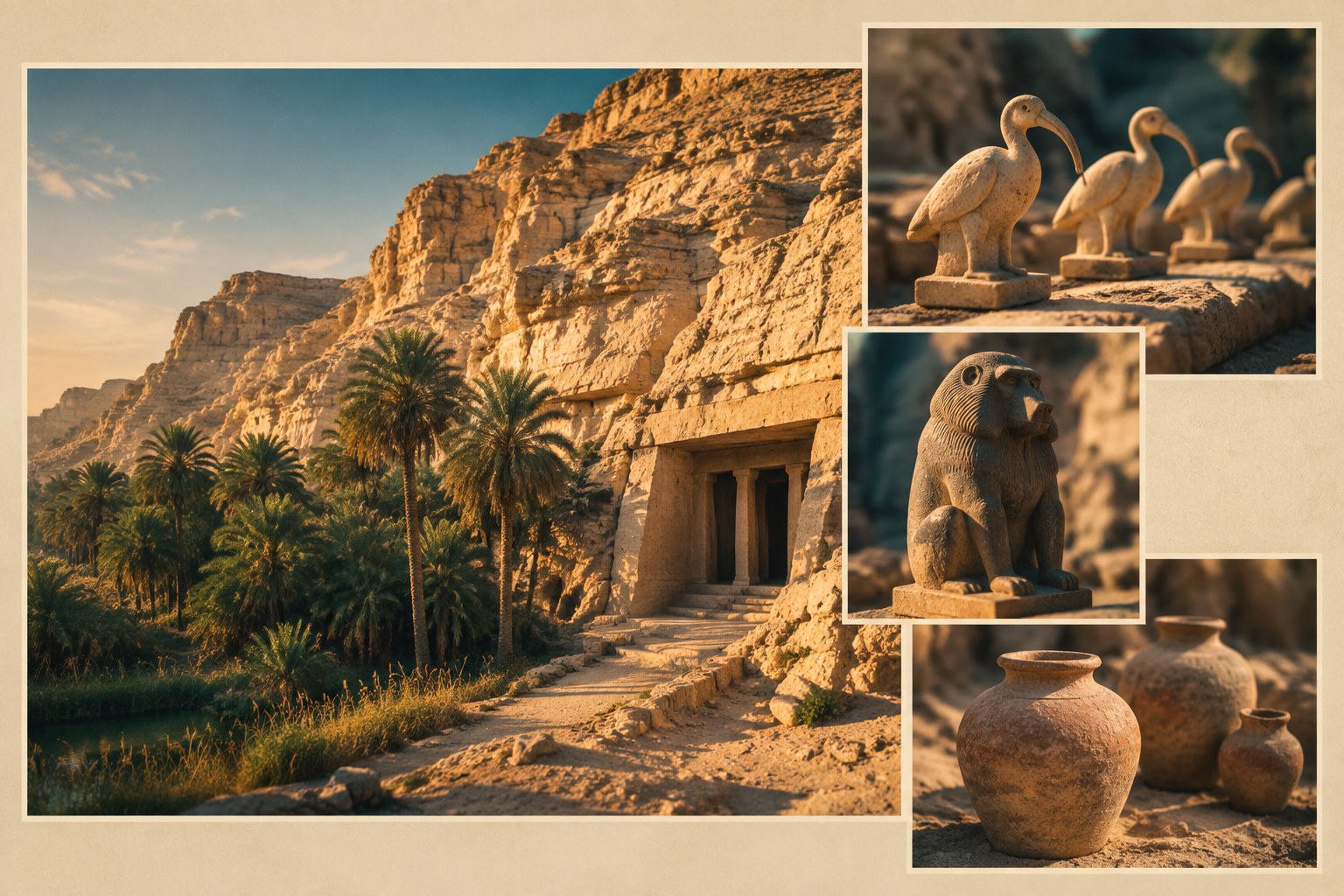
We arrange guided visits to Tuna El-Gebel, the necropolis of ancient Hermopolis near Mallawi. As a licensed Egyptian tour operator, we send our Egyptologists to interpret the Tomb of Petosiris, funerary reliefs and the site's extensive animal burial galleries. We don't run brief bus-stop tours here; our typical visit is 60–90 minutes so inscriptions and painted reliefs can be studied properly. Unlike standard Nile cruise stopovers, Tuna El-Gebel requires a road transfer from Minya or integration into a Minya–Luxor overland itinerary. Expect limited shade, uneven ancient stone and narrow catacomb passages that may challenge mobility or claustrophobic visitors.
From $5
 Cairo
CairoNational Museum of Egyptian Civilization Entry Ticket
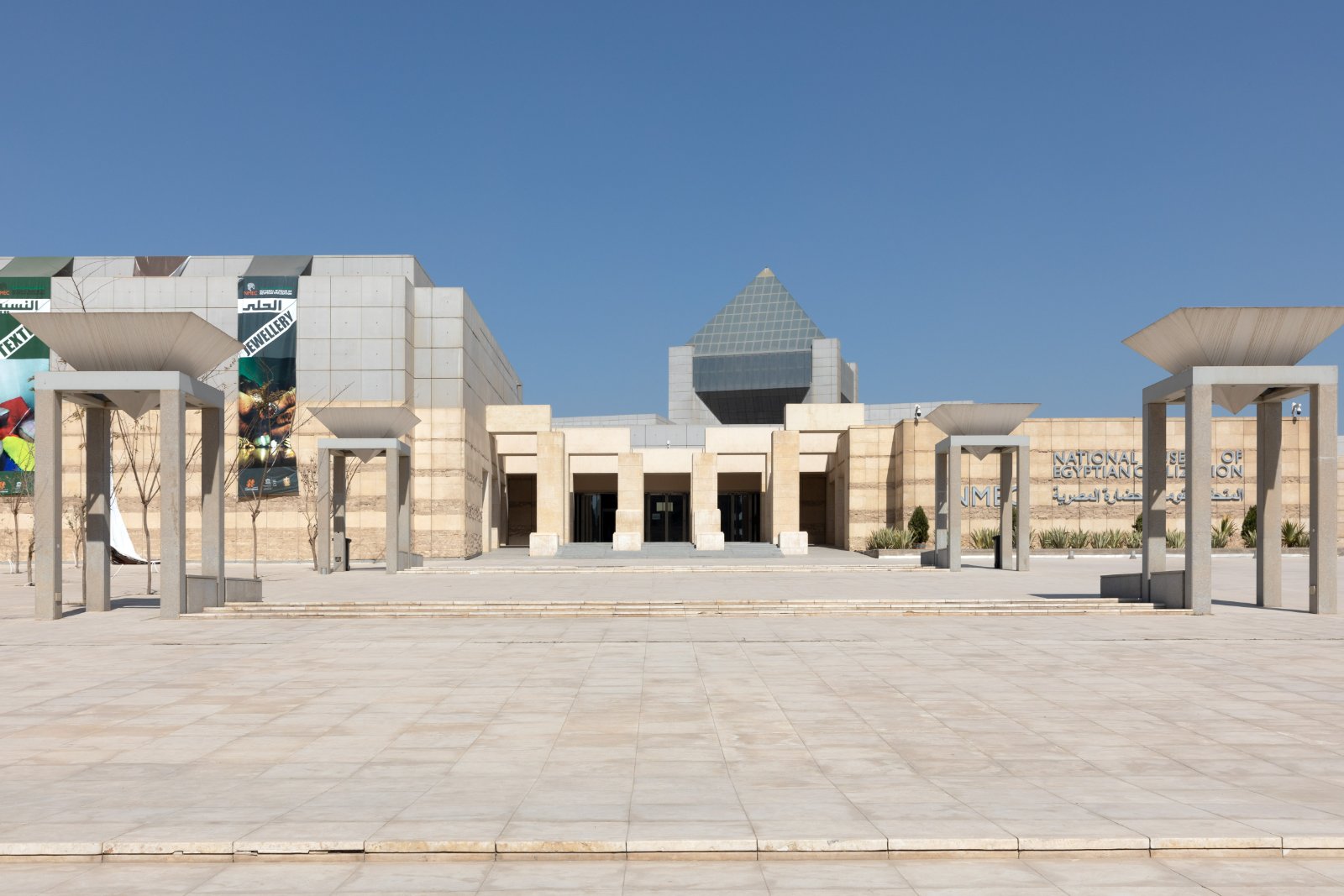
The National Museum of Egyptian Civilization Entry Ticket grants access to Egypt's national museum tracing cultural development from prehistory to the present. The museum houses the Royal Mummies Hall alongside chronological permanent galleries and rotating temporary exhibitions. Admission is arranged through Discovery Tours Egypt as an entry-only ticket, not a guided visit; bookers receive a PDF ticket by email. Unlike short visits to central Cairo museums, allow more time here to follow chronological displays and visit the mummies hall if open. Check the museum's official site for seasonal opening hours and special exhibition surcharges.
From $17
 Luxor
LuxorTemple of Seti I (Abydos) Entry Ticket
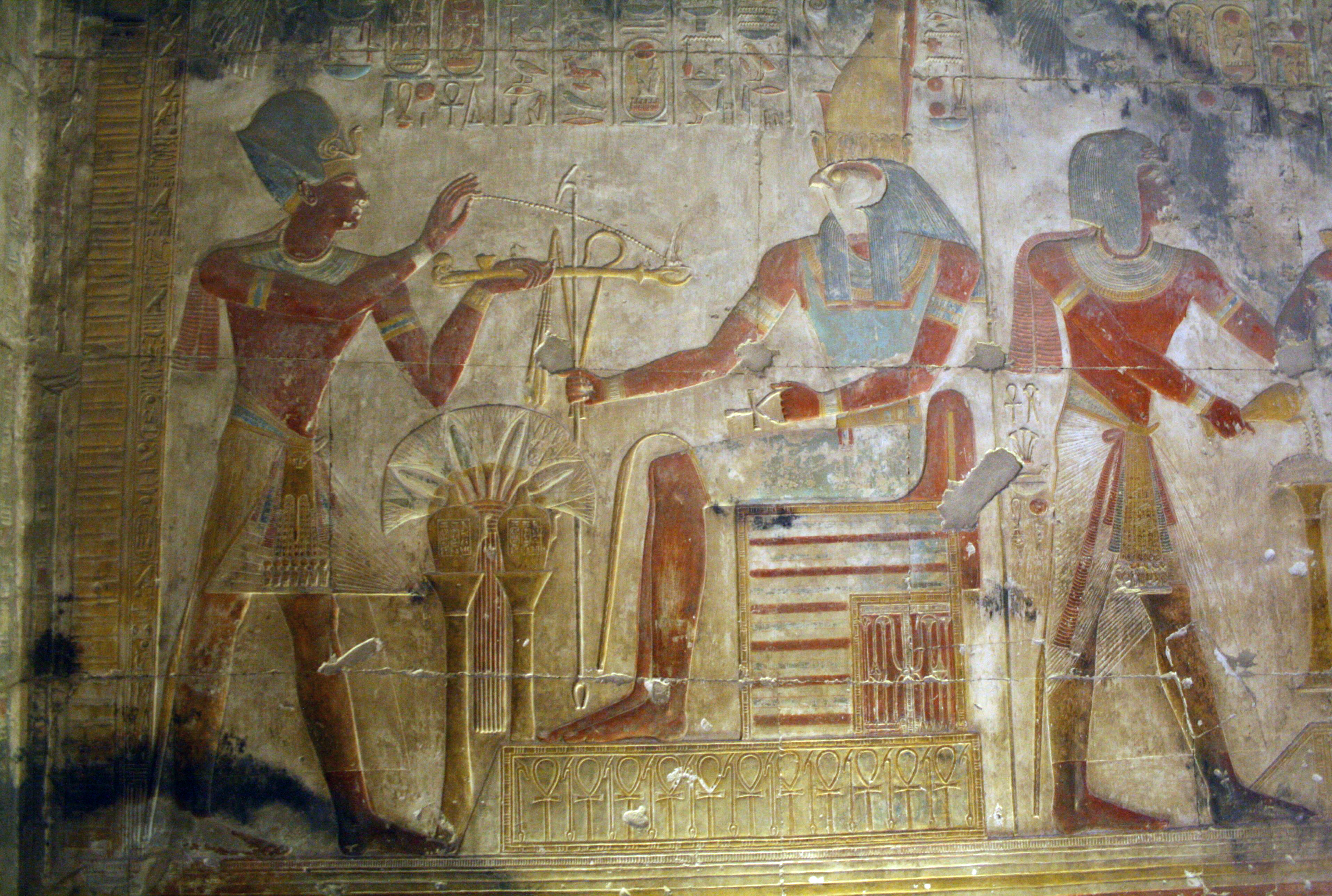
This ticket grants entry to the Temple of Seti I at Abydos, the mortuary complex begun by Seti I and completed by Ramesses II. Discovery Tours Egypt arranges the admission and emails a PDF ticket after booking; some sites require a printed ticket, so print if in doubt. Opening hours vary seasonally, so check the site or arrive early for the quietest visit. Unlike tickets bought at the ticket window, pre-booking reduces time spent in the entrance queue and secures access on busy days.
From $8