
Archaeological Area of Dahshur Entry Ticket
At a glance
- Departs
- Daily
The short answer
Archaeological Area of Dahshur Entry Ticket is a 1-day admission covering the Bent Pyramid, the Red Pyramid, and surrounding monuments in Cairo, arranged through Discovery Tours Egypt.
- Archaeology & history
- Cultural
Snapshot
Good to know
- Destinations
- Cairo
Best time to go
The best time to visit Dahshur is generally from October to April, when daytime temperatures in greater Cairo are cooler and more comfortable for outdoor walking in the desert. Mid-morning or late afternoon is often preferable for heat and light; hours can vary seasonally, so check current opening times before visiting. During Ramadan and major public holidays, site access and visitor flow may change, so arriving early is advisable.
02Overview
A first look
At Dahshur you often have a pyramid to yourself. Sneferu's Bent Pyramid rises from the sand with its strange mid-slope change of angle — the great experiment that taught Egypt how to build true pyramids — and a short drive away stands his Red Pyramid, the first true pyramid ever completed, which you can enter down its long northern passage.
Your entry ticket covers the archaeological area and arrives by email as a PDF. Dahshur pairs naturally with Saqqara and Memphis on a south-of-Cairo day; transport and guiding are arranged separately.
Background
The facts
The Archaeological Area of Dahshur is a royal necropolis south of Cairo associated with Pharaoh Sneferu of the 4th Dynasty, who ruled around 2600 BCE. It is historically important because it preserves some of the earliest large-scale stone pyramids in Egypt and shows key stages in the development of pyramid construction before the Great Pyramids of Giza.
The site is centered on the Bent Pyramid and the Red Pyramid, both built for Sneferu and located only a few kilometers apart within the Dahshur desert zone. The Bent Pyramid is notable for its change in angle partway up the structure, while the Red Pyramid is the first successful true pyramid completed in ancient Egypt; both are roughly 4 to 5 km from the main Dahshur access area depending on the route used within the complex.
An admission ticket to Dahshur typically grants access to the archaeological area containing these pyramids, plus surrounding mastabas and minor monuments within the site boundary. Visitors move through a low-density desert setting rather than a heavily built-up monument area, so the experience is usually quieter than Giza and better suited to observing the masonry, pyramid cores, and landscape context.
Dahshur is often visited together with South Saqqara or Giza, but it is also practical as a separate stop because the site sits farther south than the Giza Plateau and has fewer crowds. Because visitor services are more limited than at major urban museums, travelers should check the entrance arrangements and any on-site requirements before arrival.
Suited to
Is this for you?
Yes, if
- This ticket is suited to travelers who want to see early pyramid development up close, especially history-focused adults, photographers, and repeat visitors who already know Giza. It also works well for independent travelers who prefer a self-guided archaeological site with fewer crowds and more time to study monuments on foot.
What lingers
- 01Access to the Bent Pyramid and the Red Pyramid within the Dahshur complex
- 02Entry to surrounding mastabas and minor monuments in the archaeological area
- 03Printed or PDF ticket accepted at the entrance, check locally if paper is required
- 04Quieter site than Giza, allowing closer observation of Sneferu-era masonry
- 05Good option for visitors planning a separate visit to South Saqqara or Giza
The fine print
What's included – and what isn't
Included
- Archaeological Area of Dahshur entry ticket, valid for the date printed on the ticket
- PDF ticket sent by email after booking
Not included
- Professional Egyptologist guide (book separately if required)
- Transport to or from the site
- Meals and personal expenses
- Photography permit if separately required by site staff
- Some venues may require a printed ticket rather than a mobile screen, print the emailed PDF if in doubt
Asked & answered
Frequent questions
01What does my Dahshur Archaeological Area entry ticket include?
Your entry ticket grants admission to the Archaeological Area of Dahshur, allowing access to the Red Pyramid and the Bent Pyramid. This ticket provides direct entry to these ancient structures, which are key examples of early pyramid development in Egypt.02What is not included with the Dahshur entry ticket?
The entry ticket covers admission only. It does not include transportation to Dahshur, an Egyptologist guide, food, drinks, or any personal expenses. Photography permits for specific equipment may also be an additional cost, depending on site regulations.03What are the opening hours for the Dahshur Archaeological Area?
Opening hours for the Dahshur Archaeological Area typically vary by season. We recommend checking the official site or arriving early in the day. Generally, sites open in the morning and close in the late afternoon, with last admission usually an hour before closing.04What is the best time to visit the Dahshur pyramids?
The best time to visit Dahshur is in the early morning, shortly after opening, or in the late afternoon. This avoids the midday heat and larger crowds. Visiting during these times also offers more comfortable conditions for exploring the site.05What should I wear when visiting Dahshur?
We recommend wearing comfortable walking shoes suitable for uneven terrain and sand. Light, breathable clothing is advisable, along with a hat, sunglasses, and sun cream, as there is limited shade at the site. Modest dress is generally appropriate for historical sites.06What is the photography policy at Dahshur?
Photography rules at the Dahshur Archaeological Area can vary. Standard handheld cameras are usually permitted, but tripods or professional equipment may require a special permit or incur an additional fee. Always check the current policy at the entrance gate.07Is the Dahshur Archaeological Area accessible for visitors with mobility challenges?
The Dahshur Archaeological Area involves walking on uneven desert terrain and sand. Accessing the interior of the pyramids requires navigating narrow, steep passages and steps. Visitors with mobility challenges may find certain areas difficult to access.08How do I get my entry ticket for Dahshur?
Your entry ticket will be delivered by email as a PDF attachment after your booking is confirmed. We advise printing your ticket and bringing it with you, as some venues may require a physical copy for entry, or have it ready on your mobile device.09Are there different ticket categories for children or students?
Ticket categories, including potential discounts for children, students, or seniors, are determined by the Egyptian Ministry of Antiquities. Please check the specific categories available at the time of booking, as eligibility often requires valid identification.10What is the significance of the Red Pyramid and the Bent Pyramid at Dahshur?
The Red Pyramid is considered Egypt's first true smooth-sided pyramid, marking a crucial step in pyramid construction. The Bent Pyramid, with its distinctive change in angle, illustrates the engineering challenges faced by its builders, both attributed to Pharaoh Sneferu.
Product ID: TKT-CAI-469050
You Might Also Like
 Cairo
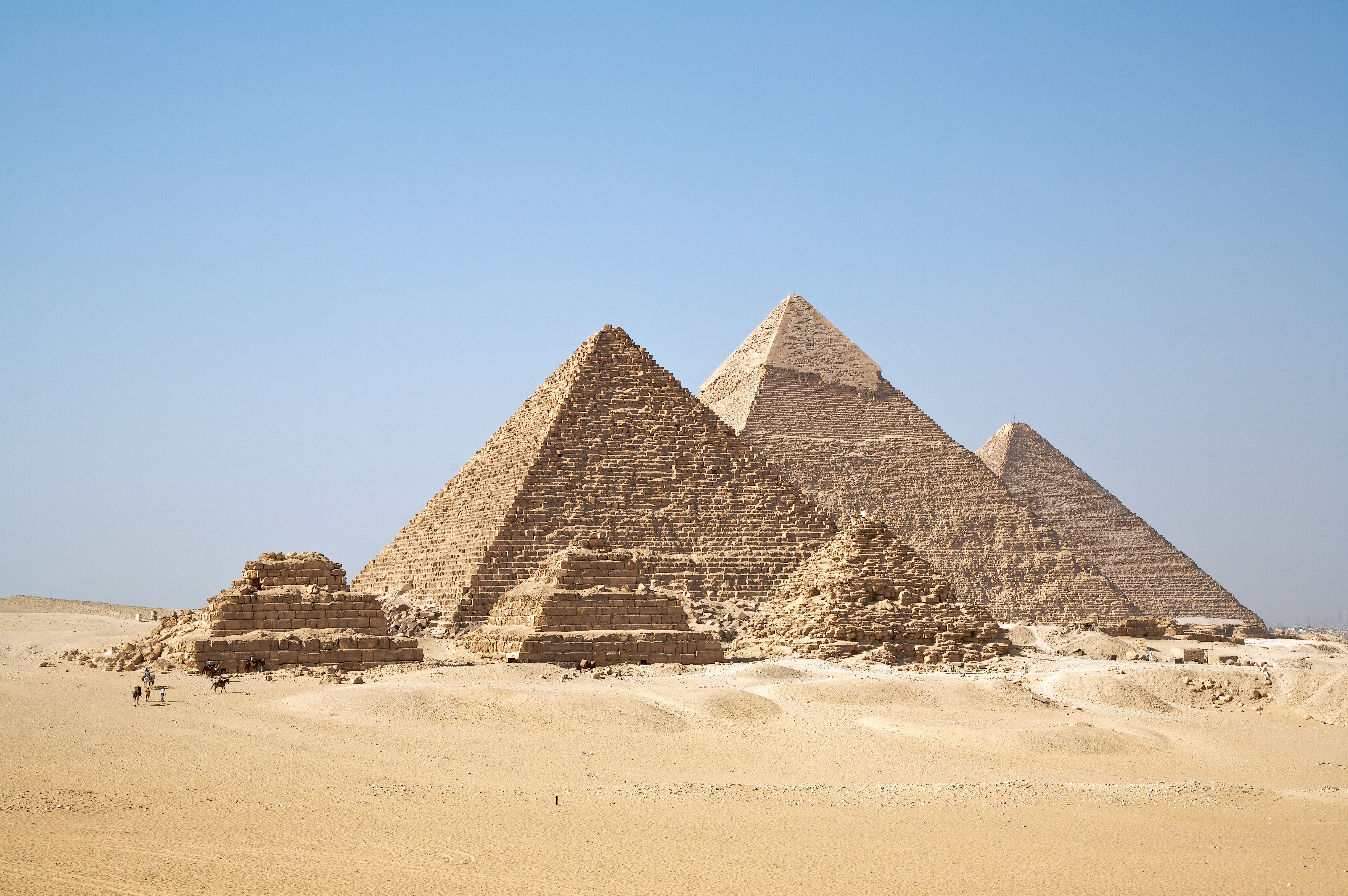
CairoKhafre & Menkaure Pyramids, Giza Plateau
This ticket grants exterior access to the Khafre and Menkaure pyramids on the Giza Plateau. Khafre and Menkaure are the southwest pair beside Khufu on the plateau. We are a licensed Egyptian tour operator and our Egyptologists explain Khafre’s remaining casing stones and Menkaure’s smaller scale. We do not bundle Khufu’s interior ticket; many clients prefer unhurried exterior visits instead. Unlike rushed bus stops that spend under 30 minutes, we allow focused time at each pyramid. Note trade-offs: limited shade at midday and walking on uneven ancient stone. Standard site entrance fees are included; pyramid-interior tickets and gratuities are excluded.
From $8
 Cairo
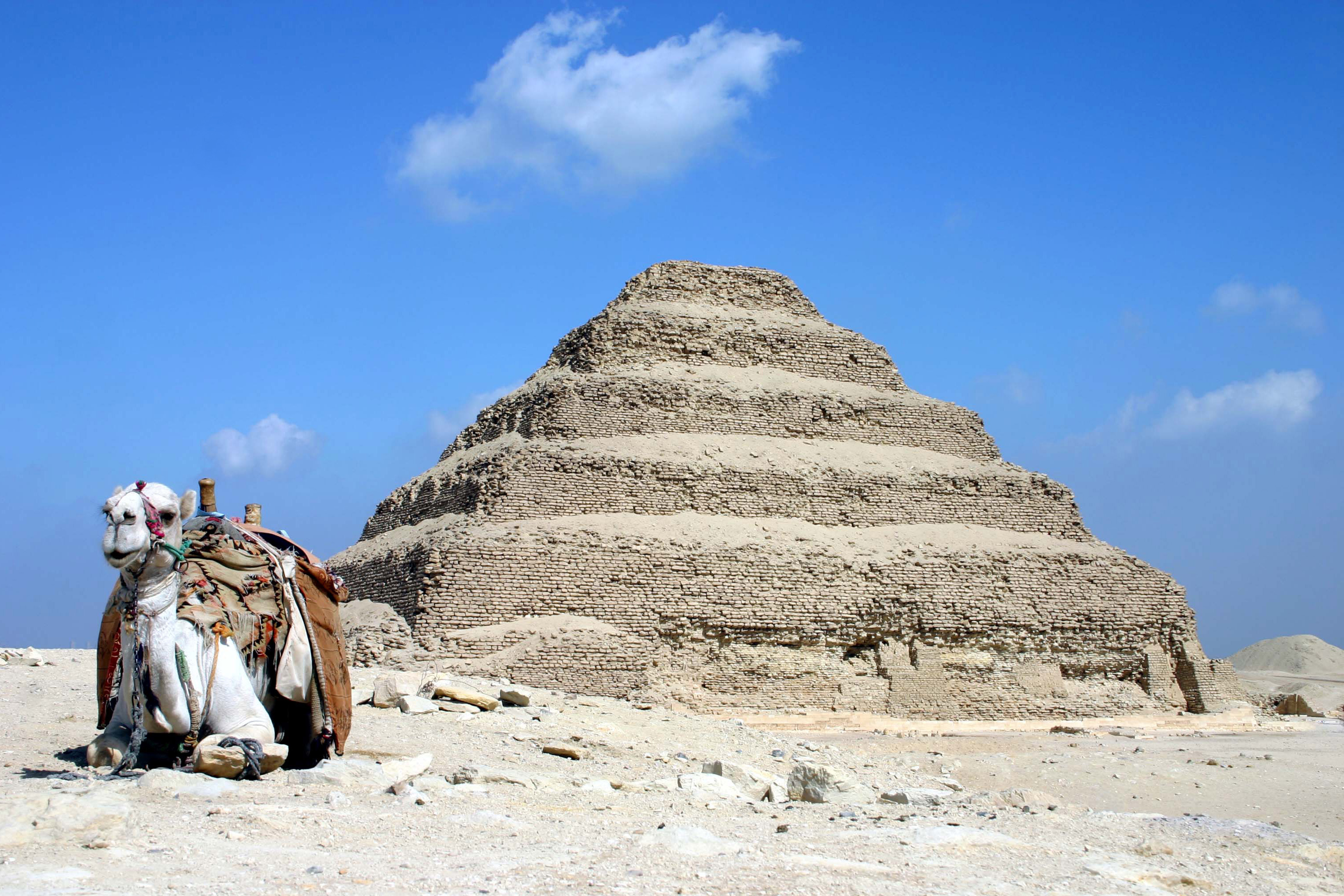
CairoSaqqara Complex – Pyramid of Djoser & Serapeum
The Saqqara Complex south of Cairo includes the Pyramid of Djoser, the Serapeum, and numerous Old Kingdom mastaba tombs. We are a licensed Egyptian tour operator and operate private visits with our Egyptologists; we do not run large coach tours. Unlike typical Giza stopovers, Saqqara benefits from 2–3 hours on site to inspect the Step Pyramid, the Tomb of Ti, and the Teti pyramid properly. We normally schedule departures between 8:00 and 9:00 to avoid the midday heat; central Cairo hotels are typically a 20–40 minute drive depending on traffic. Standard site entrance fees are included; optional premium tomb permits and special-access areas are excluded. Expect limited shade, uneven stone surfaces, dust, and some low passages inside tombs.
From $18
 Cairo
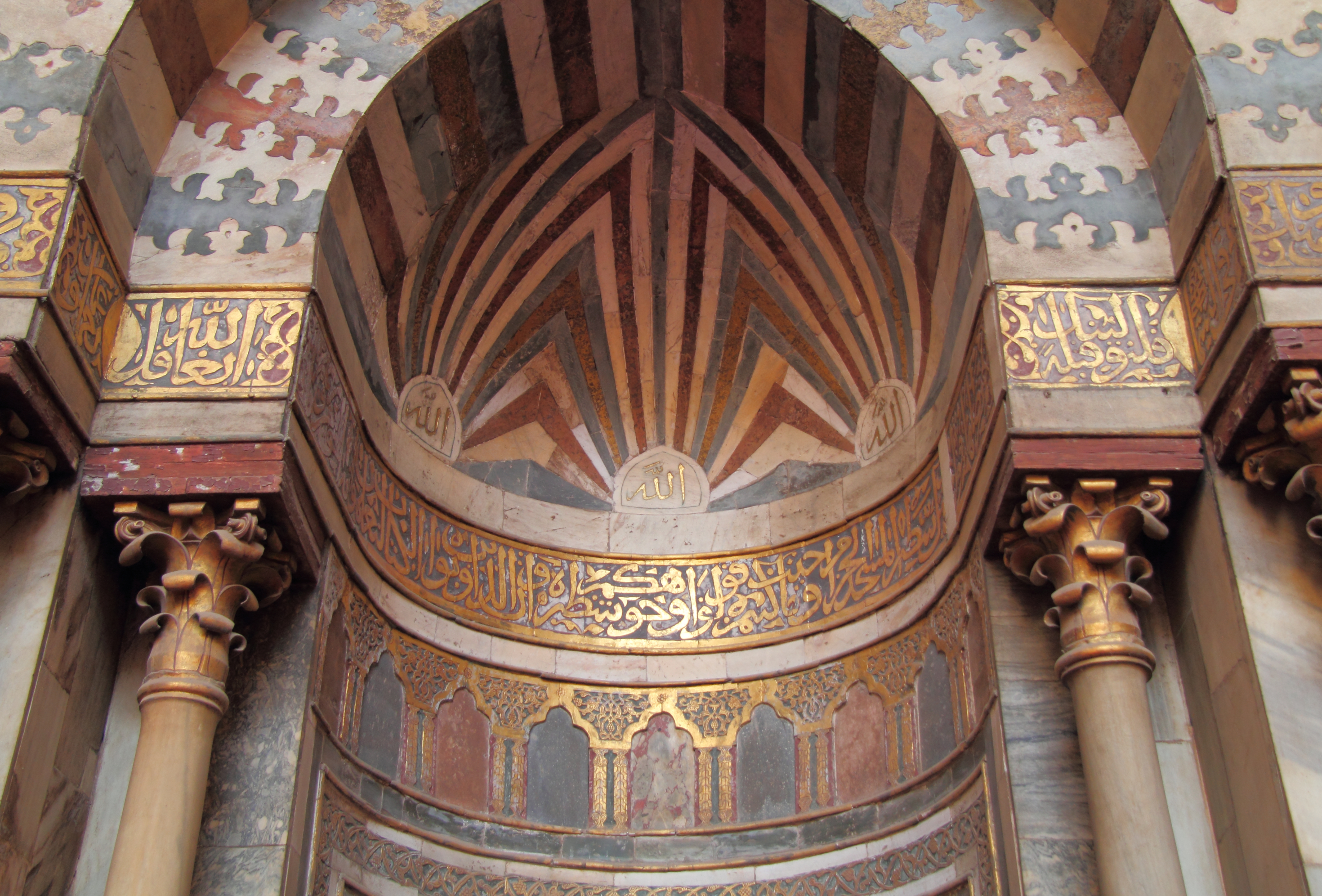
CairoSultan Hassan & Al‑Rifa'i Mosques, Cairo
Visit Sultan Hassan (built 1356–1363) and Al‑Rifa'i (completed 1912) beside the Cairo Citadel with our Cairo‑based Egyptologist. We are a licensed Egyptian tour operator and do not run large coach groups at this site; we time visits to show Mamluk stonework and 19th‑century royal mausoleums in quieter conditions. Unlike generic city walking tours, we schedule around Friday prayer times and focus on architectural function as well as decorative carving. Standard site entrance fee is included; expect limited shade in the courtyard, modest dress for mosque interiors, and the possibility of short closures during worship.
From $7