
Unfinished Obelisk, Aswan
At a glance
- Departs
- Daily
The short answer
The Unfinished Obelisk entry ticket is a 1-day attraction ticket covering the ancient granite quarry and unfinished monument in Aswan, arranged through Discovery Tours Egypt.
- Archaeology & history
- Cultural
Snapshot
Good to know
- Destinations
- Aswan
Best time to go
The best time to visit is typically from October to April, when daytime temperatures in Aswan are more comfortable, often in the mid-20s to low-30s Celsius. In summer, heat can be intense, so early morning entry is usually the most practical option. During Ramadan and major public holidays, visitor flow and local opening routines may change, so confirm hours before going.
02Overview
A first look
The Unfinished Obelisk remains partly attached to the bedrock in Aswan’s northern quarry. If completed, scholars estimate it would have stood about 42 meters and weighed over 1,000 tonnes.
Background
The facts
The Unfinished Obelisk is an ancient granite quarry site in Aswan, Upper Egypt, where a massive obelisk was abandoned after a crack developed during carving. It is generally dated to the New Kingdom, when obelisks were cut from Aswan’s red granite for temples and ceremonial use across Egypt. The monument is important because it preserves evidence of quarrying methods in place, including tool marks and extraction channels.
The intended obelisk was estimated to be about 42 meters long before the stone broke and the project was left incomplete. Visitors can see the obelisk still attached to the bedrock, along with the surrounding quarry floor and traces of ancient working surfaces. The site helps explain how large monolithic monuments were shaped, detached, and transported from Aswan.
The entry ticket grants access to the open-air quarry area and the unfinished monument itself. Standard entrance fees are typically included unless stated otherwise, while extras such as audio devices, printed materials, or special photography permissions are not part of the admission unless clearly noted on the ticket. Opening hours may vary seasonally, so checking the official site or arriving early is advisable.
Aswan’s quarry zone is usually visited as part of a wider sightseeing circuit that may also include the Nilometer, Philae area, or other nearby heritage stops. The location is a short visit rather than a long indoor museum stop, so it is often combined with other sites on the same outing.
Suited to
Is this for you?
Yes, if
- This ticket is suitable for travelers interested in ancient engineering, stone-working, and New Kingdom history, especially adults and teenagers who enjoy archaeological sites. It also suits self-guided visitors who prefer a short, straightforward heritage stop in Aswan. Those with moderate mobility can usually manage the visit, but the quarry surface may be uneven.
What lingers
- 01See the Unfinished Obelisk lying in Aswan's northern quarry, about 3 km north of Aswan.
- 02Unlike museum obelisks, this one remains in the bedrock with visible tool marks and fractures.
- 03Entrance ticket included; our Egyptologists explain ancient quarrying techniques and why work stopped here.
- 04Site is outdoors with uneven stone and partial shade – expect sun exposure and steep steps.
- 05Short drive from the Nile quayside; combine with a Philae or Nubian Museum visit in a half-day.
The fine print
What's included – and what isn't
Included
- Entry ticket to The Unfinished Obelisk
Not included
- Professional Egyptologist guide (book separately if required)
- Transport to/from the site
- Meals and refreshments
- Photography permit where applicable; check restrictions at the entrance
- Printed ticket, where required by the venue (tickets are sent by email as a PDF)
Asked & answered
Frequent questions
01How long does a visit to the Unfinished Obelisk take?
Plan 30–60 minutes to see the Unfinished Obelisk and read the quarry interpretation panels. Most guests spend 30 minutes if only viewing the obelisk; allow 45–60 minutes if you include our Egyptologist’s full explanation of quarrying techniques. The site walk is short but on uneven ancient stone and limited shade may slow the group.02Is the Unfinished Obelisk wheelchair accessible?
The site has uneven bedrock, exposed steps and limited ramps; full wheelchair access is not guaranteed. There is a short level approach and a viewing area, but some viewpoints require stepping down onto rough stone. We can arrange closer drop-off and our guide will adapt the route and timing to your mobility needs.03Can I take photos at the Unfinished Obelisk?
Personal photography is allowed at the quarry; commercial shoots, tripods or drones typically require prior permission. Drones need special permits from Egyptian authorities and are generally not permitted for casual visitors–ask us if you need film permits. Flash is unnecessary; the best photos show the tool marks and the obelisk in its bedrock context.04What should I wear and bring for the Unfinished Obelisk?
Wear sturdy closed shoes, a sun hat, and bring sunscreen and water; the quarry has very little shade. Lightweight long sleeves help with sun exposure; a small bottle of water and a camera are useful. Expect walking on uneven stone and consider a light windbreaker in winter mornings.05Do I need an entrance ticket for the Unfinished Obelisk?
Yes – admission requires a site ticket, available at the quarries or bookable through us on request. Tickets are handled separately from other Aswan sites, so if you want a prebooked visit we can include the ticket and transfer in your itinerary. Standard site rules apply for photography and conduct.06When is the best time of day to visit the Unfinished Obelisk?
Early morning or late afternoon avoids the heat and mid-day tour-bus crowds. We typically schedule this visit first thing because the quarry has minimal shade and midday temperatures rise quickly. Unlike museum-held obelisks in Cairo or London, this site benefits from cooler light and quieter viewing early in the day.
Product ID: TKT-ASW-240331
You Might Also Like
 Aswan
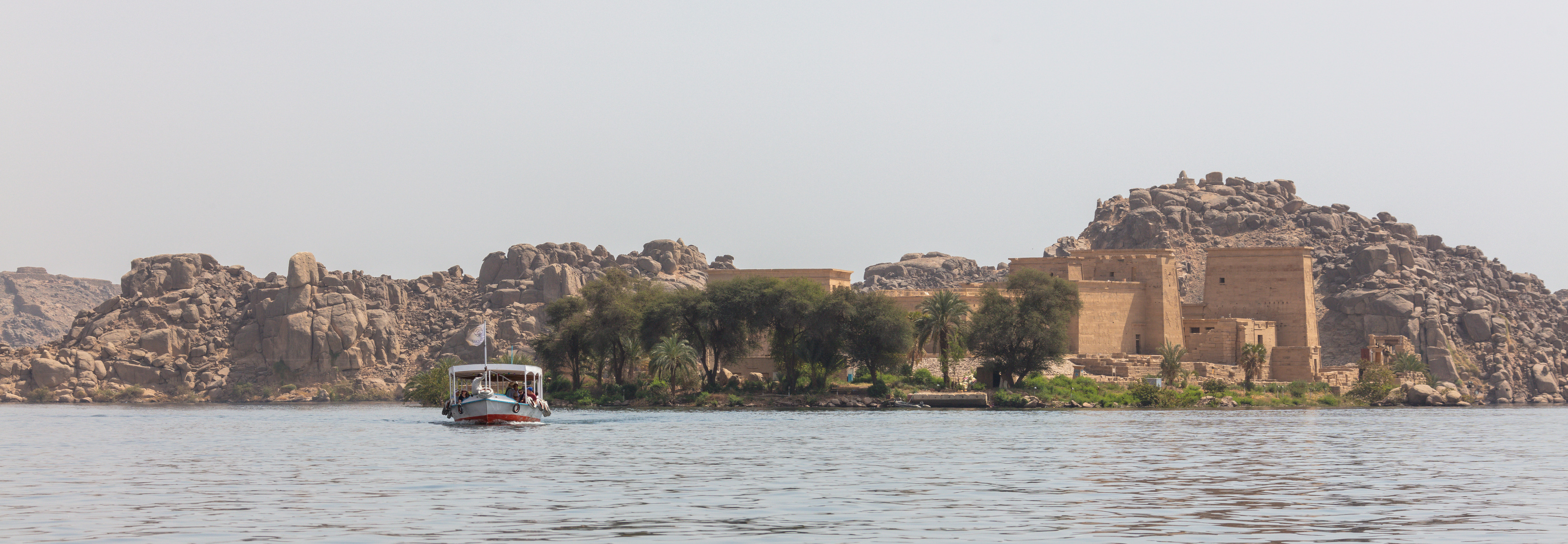
AswanPhilae Temple – Agilkia Island, Aswan
Philae Temple sits on Agilkia Island near Aswan and forms part of the UNESCO-listed Nubian Monuments from Abu Simbel to Philae. We are a licensed Egyptian tour operator and arrange private guided visits with our Egyptologists, including the motorboat crossing from Aswan's quays and the standard site entrance fee. Unlike many cruise-ship shore excursions, we schedule morning departures and use official island launches to reduce landing queues and permit more time at the reliefs and inscriptions. Note: the complex has limited shade at midday and the visit includes uneven ancient stone and several steps; typical on-site time is 60–90 minutes.
From $17
 Aswan
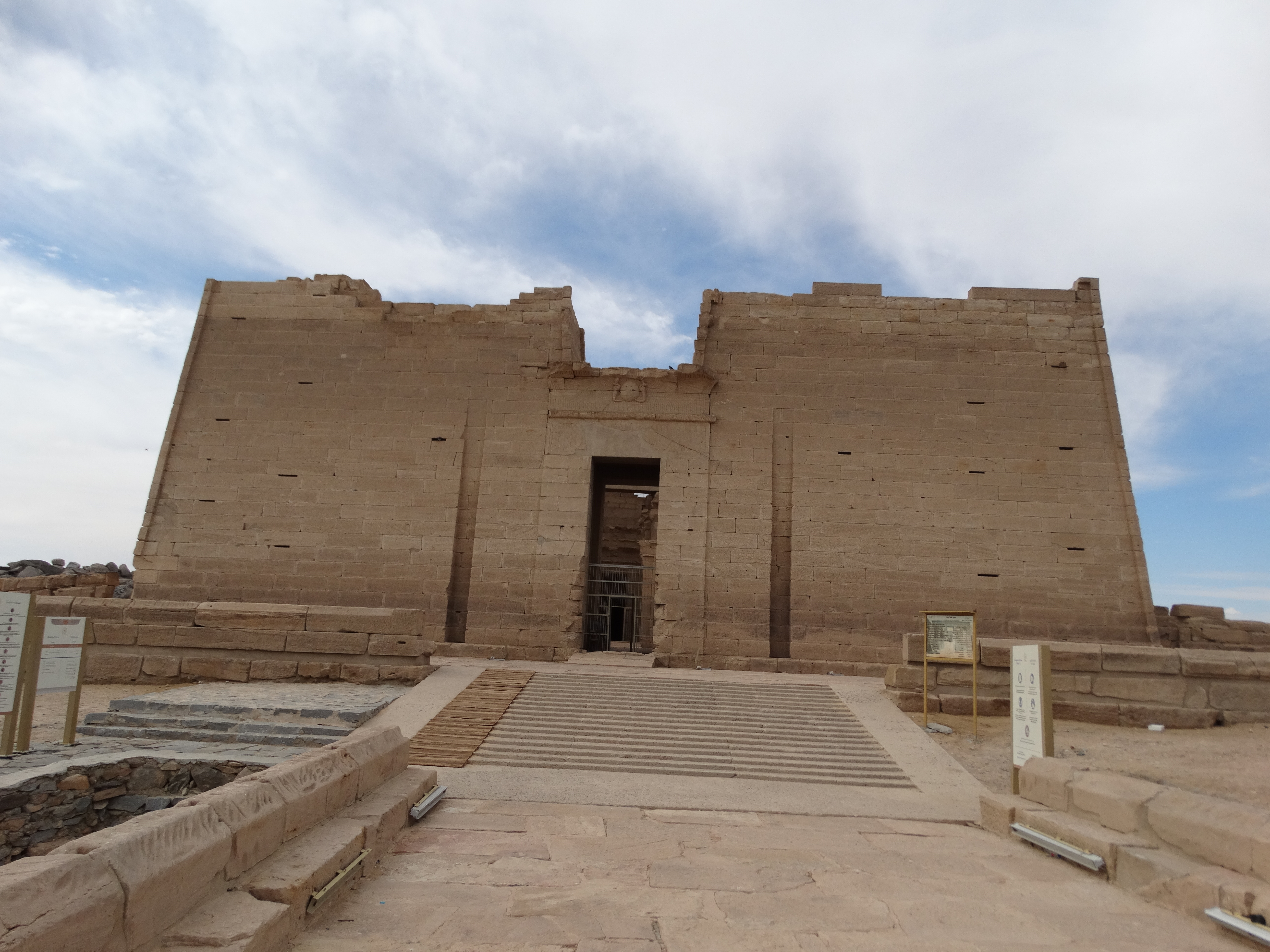
AswanKalabsha Temple, Aswan
Kalabsha Temple is dedicated to the Nubian sun god Mandulis and was moved to New Kalabsha during the Aswan High Dam rescue program. We are a licensed Egyptian tour operator and our Egyptologists explain the temple’s layered phases: Pharaonic foundations, later Ptolemaic additions, and Roman-era reliefs. Unlike short cruise-boat calls, we prioritise an uninterrupted visit so you can read relief panels and inscriptions at eye level. We do not run large coach groups to Kalabsha; visits are by private transfer or private launch when requested. Practical trade-offs: the site has limited shade at midday and low lighting in some chambers.
From $6
 Aswan
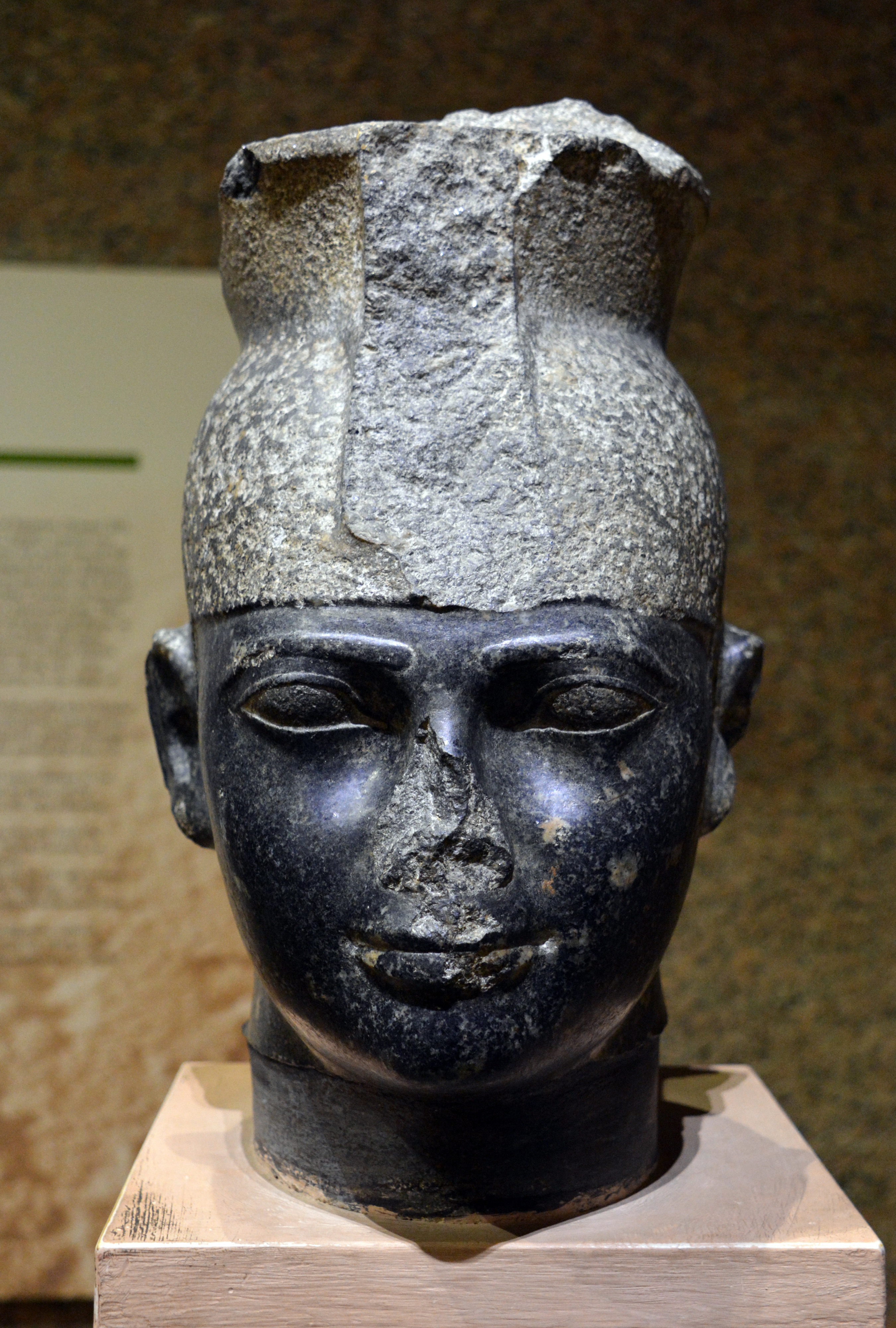
AswanNubian Museum, Aswan
The Nubian Museum in Aswan opened in 1997 and presents artifacts from prehistoric Nubia through contemporary Nubian culture. We are a licensed Egyptian tour operator and provide a licensed Egyptologist for the visit; our driver meets you at your hotel or the cruise jetty. Unlike rushed cruise-ship shore stops, we schedule 60–90 minutes so you can read label panels and see displays properly. Standard site entrance fees are included in the price. Trade-off: the museum is compact–expect a focused, 1–1.5 hour visit rather than a full-day excavation-style experience.
From $12