
Amarna Archaeological Area Entry Ticket
At a glance
- Departs
- Daily
The short answer
Amarna Archaeological Area Entry Ticket is a 1-day attraction ticket covering the ruins of Akhetaten, palace foundations, administrative sectors, and boundary stelae in the Nile region, arranged through Discovery Tours Egypt.
- Archaeology & history
- Cultural
Snapshot
Good to know
- Destinations
- Nile
Best time to go
The most comfortable time to visit is generally from late autumn to early spring, especially November to March, when daytime temperatures in Middle Egypt are milder. Summer visits can be very hot and windy, so early morning is usually the best option; during Ramadan and public holidays, confirm current opening arrangements before traveling.
02Overview
A first look
A crescent of desert cliffs holds the ruins of Akhetaten, the capital Akhenaten built from nothing for his sun god and abandoned within a generation. At Amarna you walk streets laid out 3,300 years ago, visit the rock-cut tombs of his courtiers with their intimate scenes of the royal family, and see the boundary stelae carved into the cliffs.
This is remote Middle Egypt, far from the tour-bus circuit, and your entry ticket is emailed as a PDF in advance. Transport and an Egyptologist guide can be arranged separately — worthwhile here, where the story matters as much as the stones.
Background
The facts
The Amarna Archaeological Area is the remains of Akhetaten, the short-lived capital founded by Pharaoh Akhenaten in the mid-14th century BCE during Egypt’s 18th Dynasty. The city was planned as a royal and administrative center for the worship of Aten and occupied a stretch of desert edge on the east bank of the Nile, roughly between modern Minya and Beni Hasan in Middle Egypt.
The visible remains at Tell el-Amarna include palace foundations, administrative zones, domestic and workshop areas, and boundary stelae that marked the limits of the royal city. These stelae are among the most important historical features of the site because they preserve inscriptions associated with the foundation of Akhetaten and the religious reforms of Akhenaten.
The archaeological area is spread over a wide landscape rather than concentrated in one enclosed monument. Visitors typically move between outdoor precincts and surviving ruins visible through the main entrance gate, so the visit is primarily self-guided and dependent on site conditions, seasonal opening hours, and local regulations.
Because Amarna is exposed desert archaeology, practical factors matter: heat, wind, and walking distance between features can affect how much of the site is comfortable to see in one visit. The area is significant for visitors interested in Amarna Period history, royal urban planning, and the material remains of one of ancient Egypt’s most unusual capitals.
Suited to
Is this for you?
Yes, if
- This entry ticket suits travelers interested in ancient Egyptian history, archaeology, and the Amarna Period, especially adults and older children who can handle outdoor walking on uneven ground. It is also appropriate for independent visitors who prefer to explore a historical site at their own pace rather than follow a structured program.
What lingers
- 01Access to the archaeological precinct of Akhetaten, founded by Akhenaten in the mid 14th century BCE
- 02See palace foundations, administrative sectors and surviving boundary stelae on the site
- 03Visit locations associated with royal residences and workshops visible at Tell el-Amarna
- 04Entry covers the outdoor site areas and on-site ruins accessible through the main ticket gate
The fine print
What's included – and what isn't
Included
- Entry Ticket
Not included
- Narrated tours or live commentary, bookable separately if required
- Transport to and from the site
- Meals and drinks
- Photography permit if required by the site
- Gratuities
Asked & answered
Frequent questions
01What does the Amarna Archaeological Area entry ticket include?
The entry ticket grants you admission to the Amarna Archaeological Area, allowing access to the main excavated sites. This includes the Northern Tombs, the Southern Tombs, and the Great Aten Temple area. It covers the standard entry fee for these historical locations.02What is not included with the Amarna Archaeological Area entry ticket?
The entry ticket does not include transportation to or from the site, nor does it cover the services of a guide. Any personal expenses, food, drinks, or optional photography permits, if required, are also not included.03What are the opening hours for the Amarna Archaeological Area?
Opening hours for the Amarna Archaeological Area can vary seasonally, typically from early morning until late afternoon. We recommend checking the official Ministry of Antiquities website or arriving early in the day to ensure sufficient time for your visit.04What is the best time to visit the Amarna Archaeological Area?
The best time to visit the Amarna Archaeological Area is in the early morning or late afternoon to avoid the midday heat. Weekdays are generally less crowded than weekends, offering a more tranquil experience at the site.05What is the photography policy at Amarna Archaeological Area?
Photography rules at the Amarna Archaeological Area vary for different sections of the site. While general photography is often permitted in outdoor areas, specific restrictions or fees may apply for cameras inside tombs. Please check for current regulations at the entrance.06Is there a dress code for visiting the Amarna Archaeological Area?
While there is no strict dress code, we recommend modest attire out of respect for the historical and cultural significance of the site. Comfortable walking shoes are essential, as you will be exploring uneven terrain and sandy paths.07Is the Amarna Archaeological Area accessible for visitors with mobility challenges?
The Amarna Archaeological Area involves walking on unpaved paths, sand, and uneven ancient ground, which can be challenging for visitors with mobility issues. There are no dedicated accessible ramps or facilities at many parts of the site.08What is the policy for children visiting the Amarna Archaeological Area?
Children are welcome at the Amarna Archaeological Area. Concession pricing for children's tickets may be available depending on age; please verify at the ticket window. The site involves extensive walking, which may be tiring for very young children.09How do I use my ticket for the Amarna Archaeological Area?
Your ticket will be delivered by email as a PDF attachment after booking confirmation. Please print your ticket and present it at the main entrance gate of the Amarna Archaeological Area for admission. Some smaller sites may not accept mobile displays.10What are the key historical sites within the Amarna Archaeological Area?
The Amarna Archaeological Area encompasses the remains of Akhenaten's capital, Akhetaten. Key sites include the Royal Tomb of Akhenaten, the Northern Tombs of high officials, the Southern Tombs, and the ruins of the Great Aten Temple and the Royal Palace.
Product ID: TKT-NIL-781024
You Might Also Like
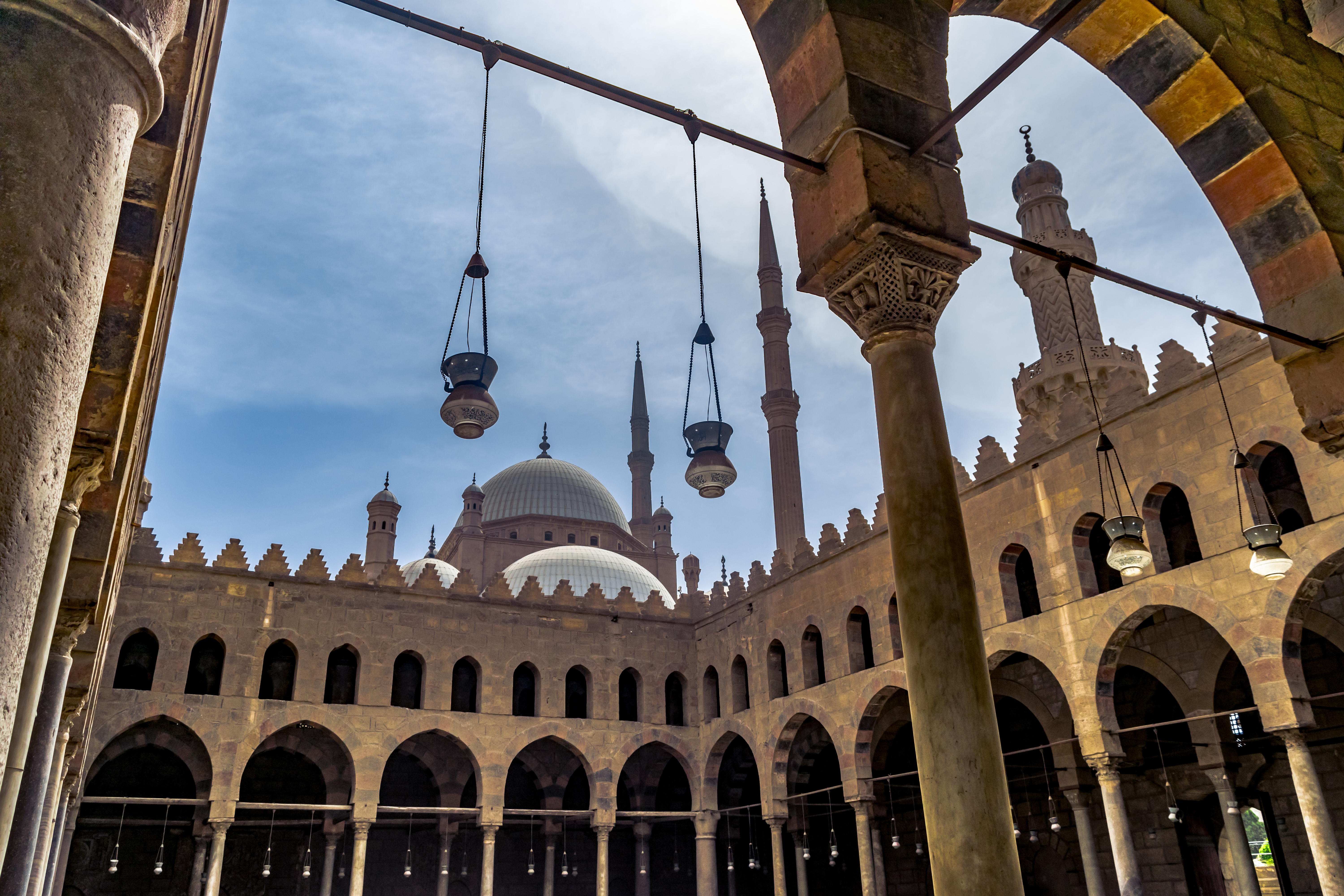 Cairo
CairoSaladin Citadel (Al-Qal'a), Cairo
Saladin Citadel (Al-Qal'a) crowns Cairo's Mokattam ridge and includes the Muhammad Ali Mosque and the Military Museum. Discovery Tours Egypt, a licensed Egyptian tour operator, arranges timed-entry tickets, a licensed Cairo guide, and private transfers to avoid long public queues. We do not run group bus tours; most clients choose a private 90–120 minute visit so the guide can cover the mosque interior, museum displays, and the citadel ramparts properly. Trade-offs: steep stone steps, limited shade at midday, and mosque interiors require modest dress and shoe removal. Site entrance tickets are included unless we state otherwise; gratuities are excluded.
From $17
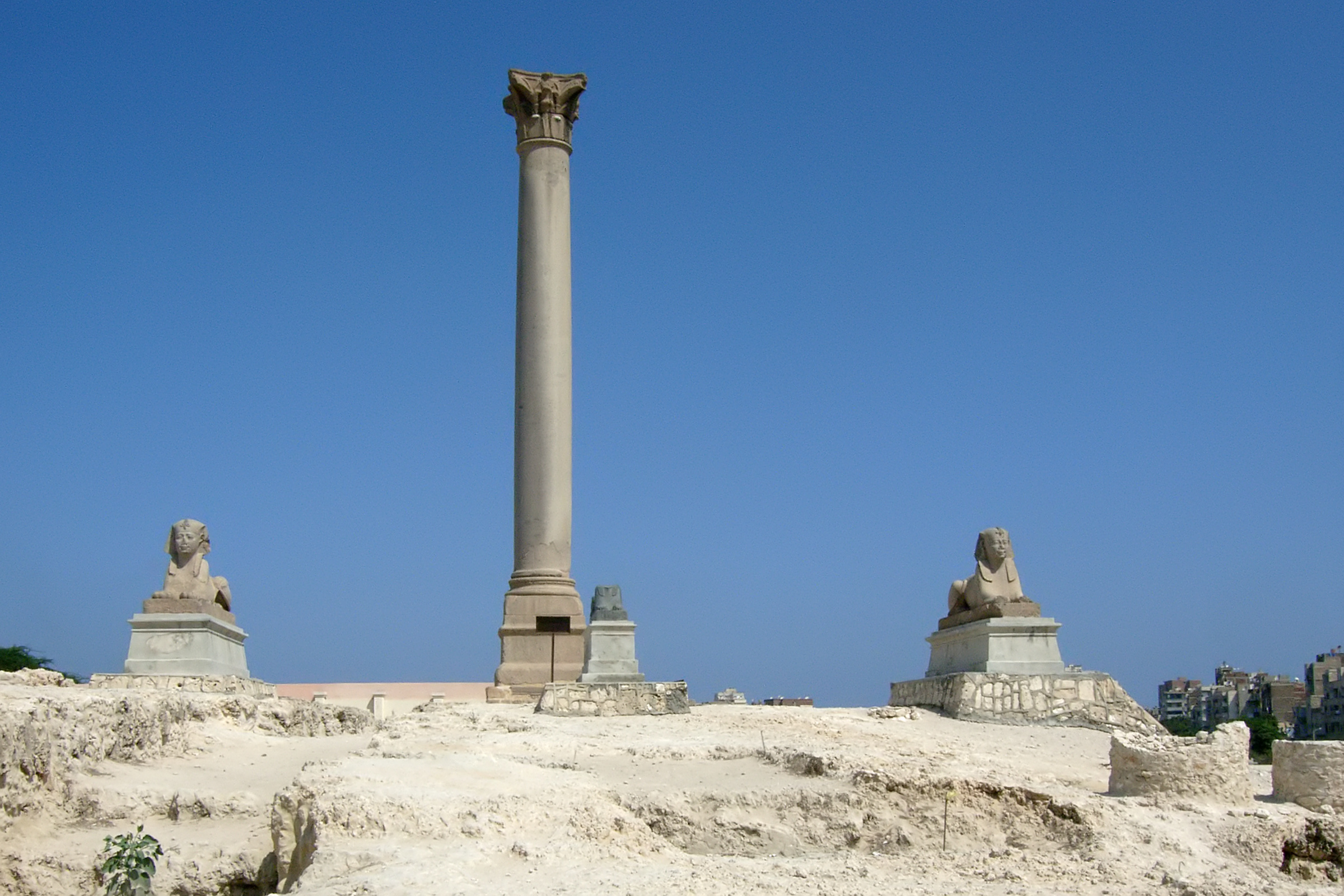 Alexandria
Pompey's Pillar Entry Ticket
Pompey's Pillar is a Roman-era triumphal column in Alexandria, approximately 29.6 meters tall including its base, dating to the 3rd century AD. This ticket grants single-entry access to the monument and the immediate site around the column. Access is arranged through Discovery Tours Egypt and your e-ticket is sent as a PDF by email after booking. Opening hours and last-admission times vary seasonally, so check the official site before you travel. Photographic rules, security checks and any temporary closures are set by the site authority, not by Discovery Tours Egypt.
From $9
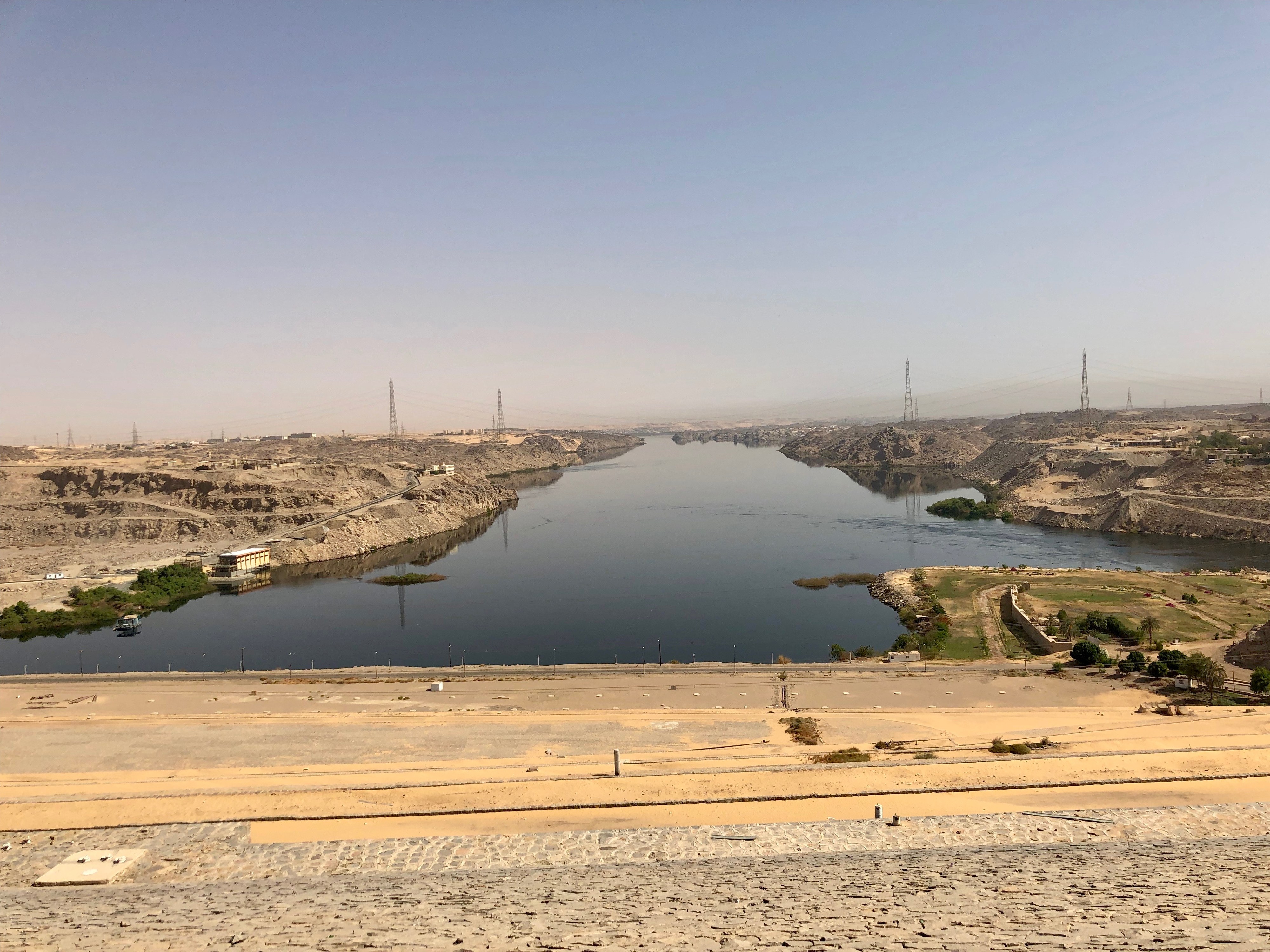 Aswan
AswanAswan High Dam
The Aswan High Dam is a 111-meter concrete dam completed in 1970 that created Lake Nasser. We treat the dam as modern history: our Egyptologist explains construction (1960–1970), flood control, irrigation and hydroelectric generation during a typical 45–60 minute stop. We don't schedule the High Dam as a full-day museum visit; most clients combine it with the Nubian Museum or Kitchener's Island. Honest trade-offs: limited shade, industrial views, and relatively few onsite exhibits. As a licensed Egyptian tour operator, we arrange private guides, timed vehicle access, and hotel pickup in Aswan.
From $6