
Kom el‑Dikka Roman Theater, Alexandria
At a glance
- Departs
- Daily
The short answer
Kom El Dikka Entry Ticket is a 1-day attraction ticket covering the Roman theater, mosaics, and archaeological park in Alexandria, arranged through Discovery Tours Egypt.
- Cultural
Snapshot
Good to know
- Destinations
- Alexandria
Best time to go
The most comfortable months are typically October through April, when Alexandria’s temperatures are milder and walking outdoors is easier. Summer visits can be humid, so arriving early is sensible. During Ramadan and major public holidays, opening patterns and visitor flow may change, so checking the official site before going is recommended.
02Overview
A first look
Kom el‑Dikka preserves a small Roman theatre and late‑Roman houses with surviving floor mosaics in Alexandria. Visits involve uneven stone and low steps; allow 45–60 minutes on site.
Background
The facts
Kom El Dikka is a compact archaeological site in central Alexandria that preserves remains from the Roman and late antique periods. The best-known feature is a partially restored Roman theater with tiered seating, but the site also includes excavated domestic structures, street alignments, and mosaic floors that illustrate the urban character of ancient Alexandria.
Archaeological work at Kom El Dikka uncovered a densely built quarter rather than a single monument. The visible remains help explain how residential, public, and ceremonial spaces coexisted in Roman Alexandria, a city founded by Alexander the Great in 331 BCE and later developed under Ptolemaic and Roman rule.
The site layout is small enough for a focused visit, and the main areas are concentrated near each other, making it practical for visitors with limited time. An onsite exhibition presents funerary and domestic finds from late antiquity, adding context to the excavated architecture and mosaic surfaces.
Visitors should expect a self-guided entry experience at the entrance gate, with seasonal opening hours and last-admission times that can change. Smaller Alexandrian sites may ask for a printed ticket, so it is sensible to bring a paper copy in addition to the PDF sent by email after booking.
Suited to
Is this for you?
Yes, if
- This ticket suits travelers who want a short, self-guided visit focused on Roman-era Alexandria rather than a full museum day. It is a good fit for adults and older children interested in archaeology, urban history, and easily walkable sites with limited physical demand.
What lingers
- 01Explore Kom El Dikka's Roman theatre and nearby Odeon, surviving structures from Alexandria's Roman period (2nd–4th centuries AD).
- 02See large mosaic pavements and public-bath remains in situ; they illustrate urban life in Roman Alexandria.
- 03Unlike larger amphitheaters, Kom El Dikka's Odeon is roofed, showing Roman acoustic design and performance-scale engineering.
- 04We highlight excavation layers and mosaic conservation methods during our guide commentary at Kom El Dikka in Alexandria.
- 05Plan 30–45 minutes on site; the compact layout lets you combine Kom El Dikka with the Bibliotheca Alexandrina visit.
The fine print
What's included – and what isn't
Included
- Kom El Dikka entry ticket, as stated on booking confirmation
Not included
- Professional Egyptologist or guided commentary, bookable separately
- Transport to or from Kom El Dikka
- Meals and personal expenses
- Photography permit, where applicable
- Pyramid or other site entrance fees not listed on this ticket
Asked & answered
Frequent questions
01What are the opening hours for Kom El Dikka (Roman Theater)?
Opening hours vary seasonally; we confirm the current schedule when you book. Many archaeological sites in Alexandria open in the morning and close by late afternoon, so an early visit avoids heat and tourist buses. Standard site entrance fees are included unless stated otherwise; premium permits or commercial filming require separate arrangements.02How long should I allow to visit Kom El Dikka Roman Theater?
Plan about 45–75 minutes for the theatre, mosaics, and immediate excavations. Compared with an outdoor monument like Pompey’s Pillar, Kom El Dikka requires more time to study mosaic floors and small interior spaces. If you add our Egyptologist commentary or a relaxed photography stop, allow up to 90 minutes.03Is Kom El Dikka wheelchair accessible?
Kom El Dikka has limited accessibility; expect uneven ancient stone, steps, and low thresholds. Wheelchair access is restricted inside excavated areas and mosaiced rooms; viewing from the perimeter is often possible. We can advise alternative routes or arrange partial-access visits, but full step-free access cannot be guaranteed.04Can I take photographs inside Kom El Dikka?
Photography for personal use is generally permitted, but flash and tripods may be restricted. Commercial photography, drones, or professional equipment normally require a permit from Egyptian antiquities authorities and advance notice. We can handle permit requests and coordinate any special filming needs on your behalf.05Are guided tours available at Kom El Dikka?
Our Egyptologists can provide private guided visits to Kom El Dikka on request. Unlike large coach operators, we offer private or small-group commentary tailored to your interests, focusing on the Roman theatre, late Roman baths, and mosaics. We confirm guide availability and suggested visit length at booking.06How do I get to Kom El Dikka from the Bibliotheca Alexandrina or my hotel?
Kom El Dikka lies within central Alexandria and is a short taxi ride from the Bibliotheca Alexandrina and most downtown hotels. Traffic can vary; we arrange private transfers or a local driver with a name card to meet you. If you prefer walking, tell us your hotel and we will advise safe walking routes and approximate times.
Product ID: TKT-ALX-712151
You Might Also Like
 Alexandria
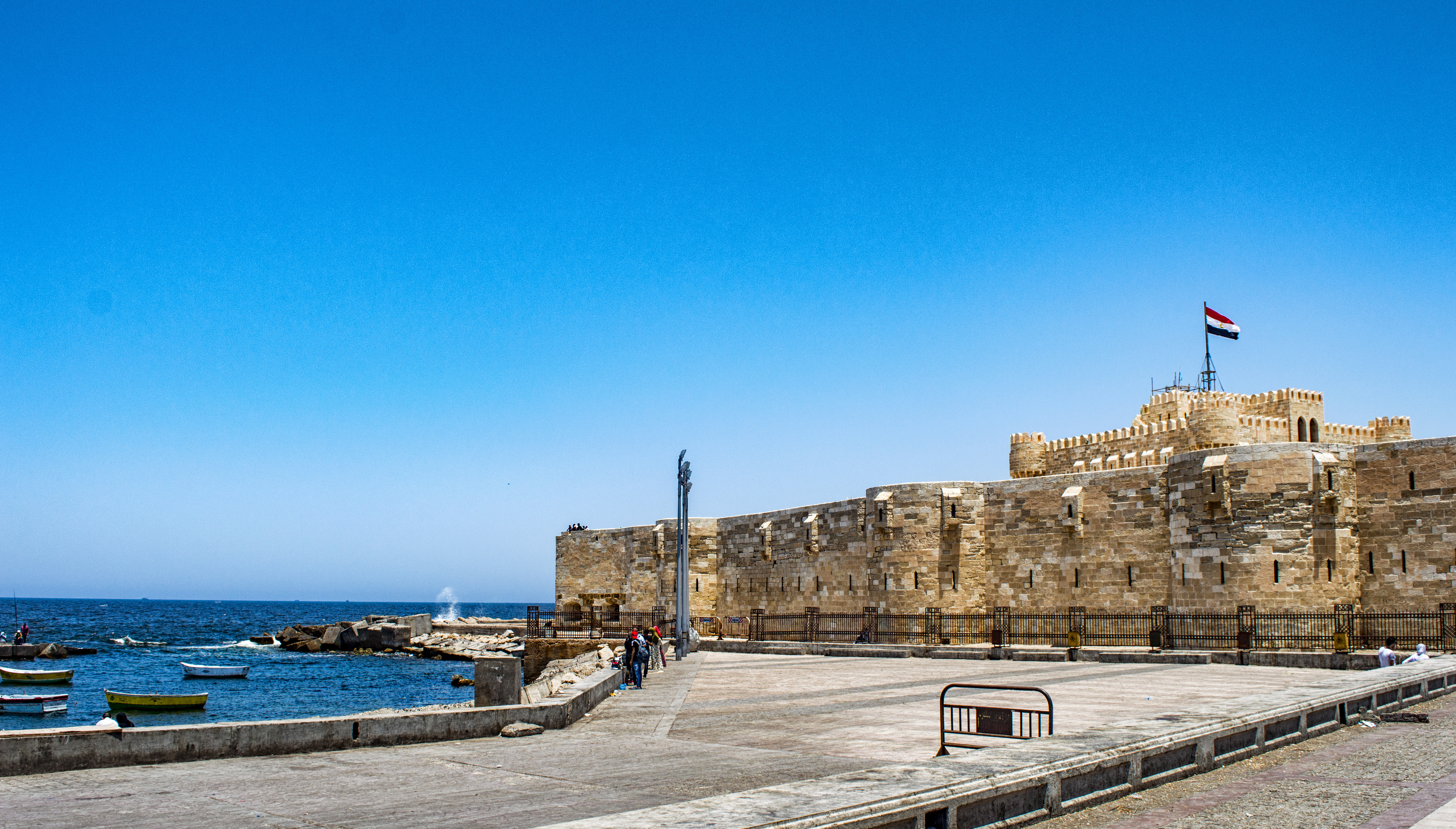
Qaitbay Citadel, Alexandria
Qaitbay Citadel is a 15th-century fortress built in 1477 by Sultan al-Ashraf Sayf al-Din Qa'it Bay on the former site of the Lighthouse of Alexandria. The citadel dates to 1477 CE. We are a licensed Egyptian tour operator and arrange timed entry, a local Egyptologist, and short harbour-side commentary. We do not run large coach shore excursions; we schedule visits early or late to avoid cruise-ship crowds and allow 45–60 minutes on site. Unlike quick port stops, our visit includes the small maritime museum inside the fort and time for views across the Eastern Harbour. Note: limited shade at midday, narrow staircases, and uneven stone floors.
From $6
 Alexandria
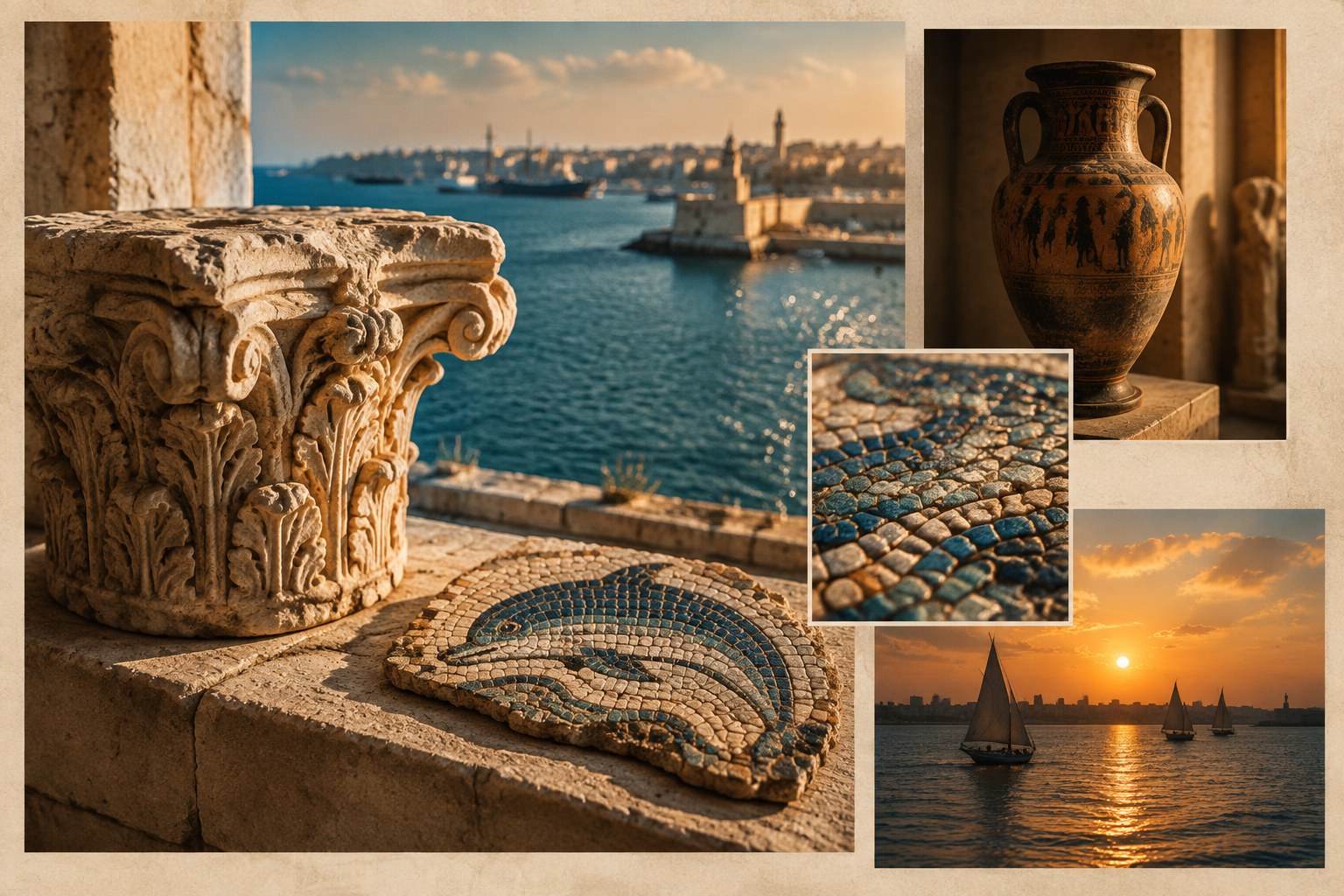
Graeco‑Roman Museum, Alexandria – Guided Ticket
We arrange guided entry to the Graeco‑Roman Museum in Alexandria with the standard entrance ticket included. The museum's collection contains Roman statues, Hellenistic mosaics, funerary objects, and daily‑life artifacts excavated from Alexandria and the Nile Delta. As a licensed Egyptian tour operator, we supply a local Alexandria Egyptologist to explain portraiture, funerary inscriptions, and the city's Greco‑Roman urban archaeology. We keep this visit focused: we do not bundle the museum into rushed group coach circuits, and we allocate 45–60 minutes for the visit. Trade-offs: the museum is compact, lighting is subdued for conservation, and some galleries restrict photography; expect a short, concentrated visit rather than a full day. Our guide meets you at the museum entrance; timed entry avoids queues. Tickets can be booked standalone or added to an Alexandria city tour.
From $7
 Alexandria
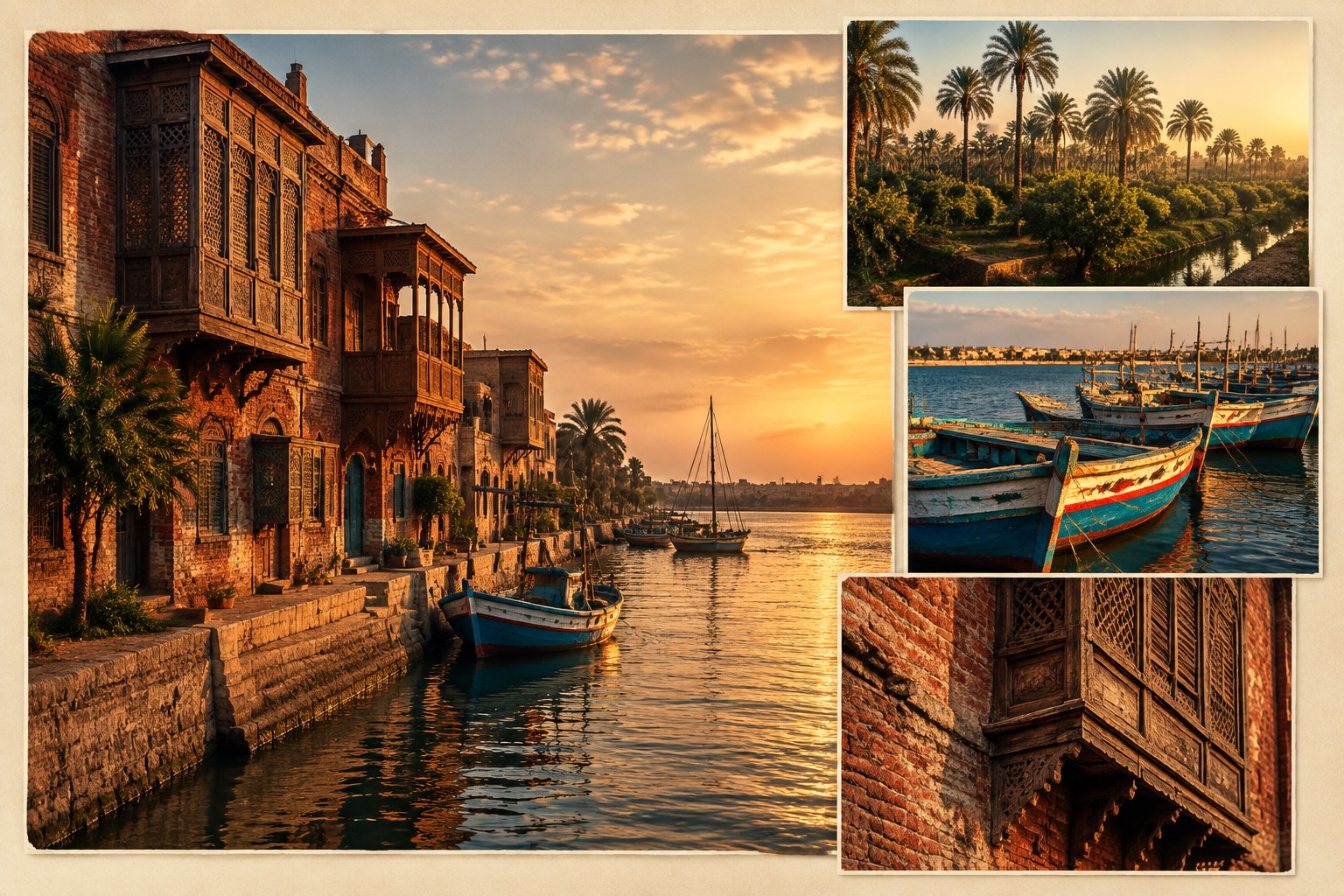
Rosetta (Rashid) Archaeological Area
Rosetta (Rashid) Archaeological Area marks the Nile’s western branch at the Mediterranean and includes Fort Julien, where the Rosetta Stone was found in 1799. We are a licensed Egyptian tour operator and operate private visits to Rashid rather than large coach groups. Unlike quick coach stops from Alexandria, we schedule time to walk the Nile mouth, inspect Ottoman-era Fort Julien, and visit local markets at a measured pace. The original Rosetta Stone was removed to the British Museum in 1802; local displays and excavation contexts remain on site. Trade-offs: the area is exposed, often windy, and has uneven stone and sand underfoot.
From $4