
What is the history of the Red Sea?
Red Sea history begins with geology and then moves into trade, religion, and empire. The sea formed about 30 million years ago, and people later used its coast as a route between Africa, Arabia, and Asia. Ancient Egypt, Greek and Roman merchants, Islamic pilgrims, and modern shipping all left their mark here.
The Red Sea sits between northeastern Africa and the Arabian Peninsula. That position made it a direct path for movement, goods, and ideas, not just a body of water on a map.
How was the Red Sea formed?
The Red Sea was formed by tectonic plate movement as the African and Arabian plates pulled apart. That rift opened a long, narrow sea with deep basins and volcanic activity. The sea is geologically young, which means its present shape is the result of relatively recent earth movement.
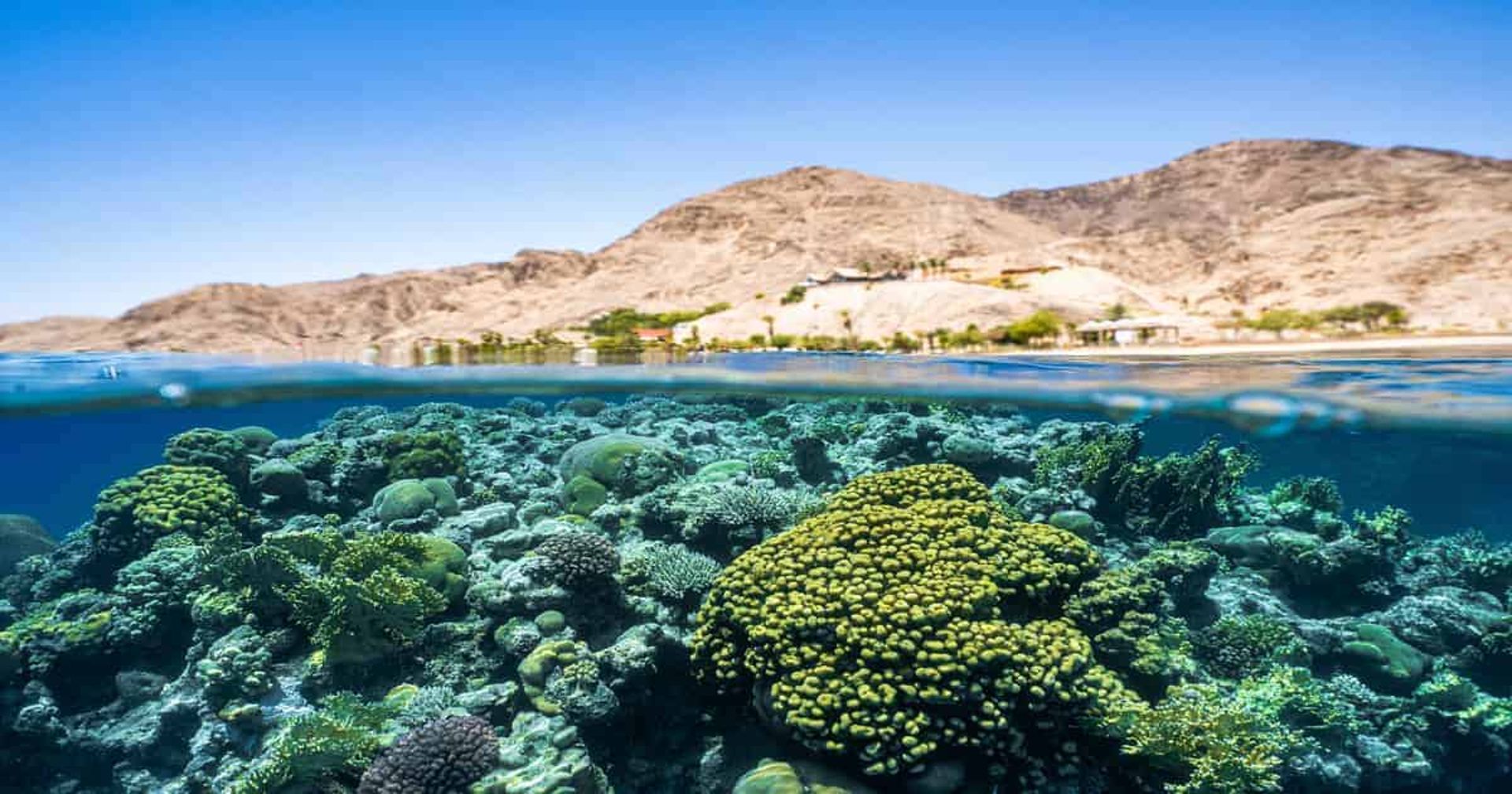
The same process helped create warm, clear water and coral reefs that still draw divers today. The reefs are part of why the Red Sea remains important for both science and travel.
How old is the Red Sea?
The Red Sea is about 30 million years old. That age places it among the younger major seas in the region, even though its human history is much shorter. People have used its shores for thousands of years, but the sea itself is far older than any civilization around it.
That contrast matters. Travelers usually come for beaches or diving, but the Red Sea also tells a long Earth history that predates written records.
What role did the Red Sea play in ancient Egypt?
Ancient Egypt used the Red Sea as a trade route and a launch point for distant expeditions. Egyptians sailed from ports such as Wadi el-Jarf and Berenice toward Punt, a place linked in ancient sources with goods and contact farther south. The sea helped move gold, ivory, frankincense, myrrh, exotic animals, and plants.
Wall reliefs from Queen Hatshepsut’s reign show these voyages in detail. Those scenes make the Red Sea one of the clearest places to see Egypt’s early maritime skill.
What is the Red Sea legend in religious tradition?
The best-known Red Sea story is the Exodus account, where Moses parts the waters so the Israelites can escape Egypt. Jewish, Christian, and Islamic traditions all keep the story alive, even though scholars still debate the exact location and reading of the event.
The Red Sea became more than geography in this tradition. It stands for escape, faith, and divine help, which is why travelers still hear about it on cultural trips in Egypt.
Why was the Red Sea important for trade and empire?
Greek and Roman merchants used Red Sea ports to reach Indian Ocean trade networks. Roman Egypt imported spices from India, silk from Asia, and precious stones from Africa through this corridor. The Periplus of the Erythraean Sea, a first-century Greek maritime guide, shows how carefully traders mapped the route.
After Islam spread in the 7th century, the Red Sea gained new weight as a pilgrimage and trade route. Egyptian ports connected travelers to Mecca, while cities such as Jeddah grew through sea traffic and exchange.
How did the Suez Canal change Red Sea history?
The opening of the Suez Canal in 1869 changed the Red Sea’s place in world trade. Ships no longer had to sail around Africa to move between Europe and Asia, so the Red Sea became a central shipping lane and a major route for energy transport.
That change still shapes the region today. The canal turned the Red Sea into a strategic zone for commerce, shipping, and politics, not just a coastal destination.
What can travelers see in the Red Sea region today?
Travelers can see Red Sea history in coastal cities, museums, and old port sites, then pair that with diving or sailing. Egypt’s Red Sea coast includes Hurghada and Marsa Alam, which now draw visitors for both marine life and access to nearby historical routes.
A good visit mixes the coast with the mainland. Museum time in Cairo or Alexandria gives context before a Red Sea trip, while guided itineraries can connect the sea with ancient Egypt and later trade routes.
What should travelers know before planning a Red Sea trip?
Travelers should plan a Red Sea trip around the experience they want most, whether that is history, diving, or a mix of both. October to April usually suits sightseeing and cultural stops, while May to September works better for water time. Egypt e-Visa costs $30 online or $36 on arrival.
Discovery Tours Egypt is a local company with Egyptologist guides, so history-focused travelers can build a trip around the Red Sea, Cairo, Luxor, or the Nile. The strongest itineraries combine the coast with museums, ancient sites, and time on the water.
- Use the Red Sea for a history and beach trip in one itinerary.
- Start with museums if you want the ancient trade story to make sense.
- Choose guided outings if you want context at ports and archaeological sites.
- Add Cairo, Luxor, or a Nile cruise if you want a wider Egypt trip.
Plan with us
Red Sea history: from ancient trade routes to today
Learn Red Sea history, from ancient Egyptian trade and biblical stories to the Suez Canal and today’s Red Sea coast in Egypt.