
Why is Egypt called the gift of the Nile?
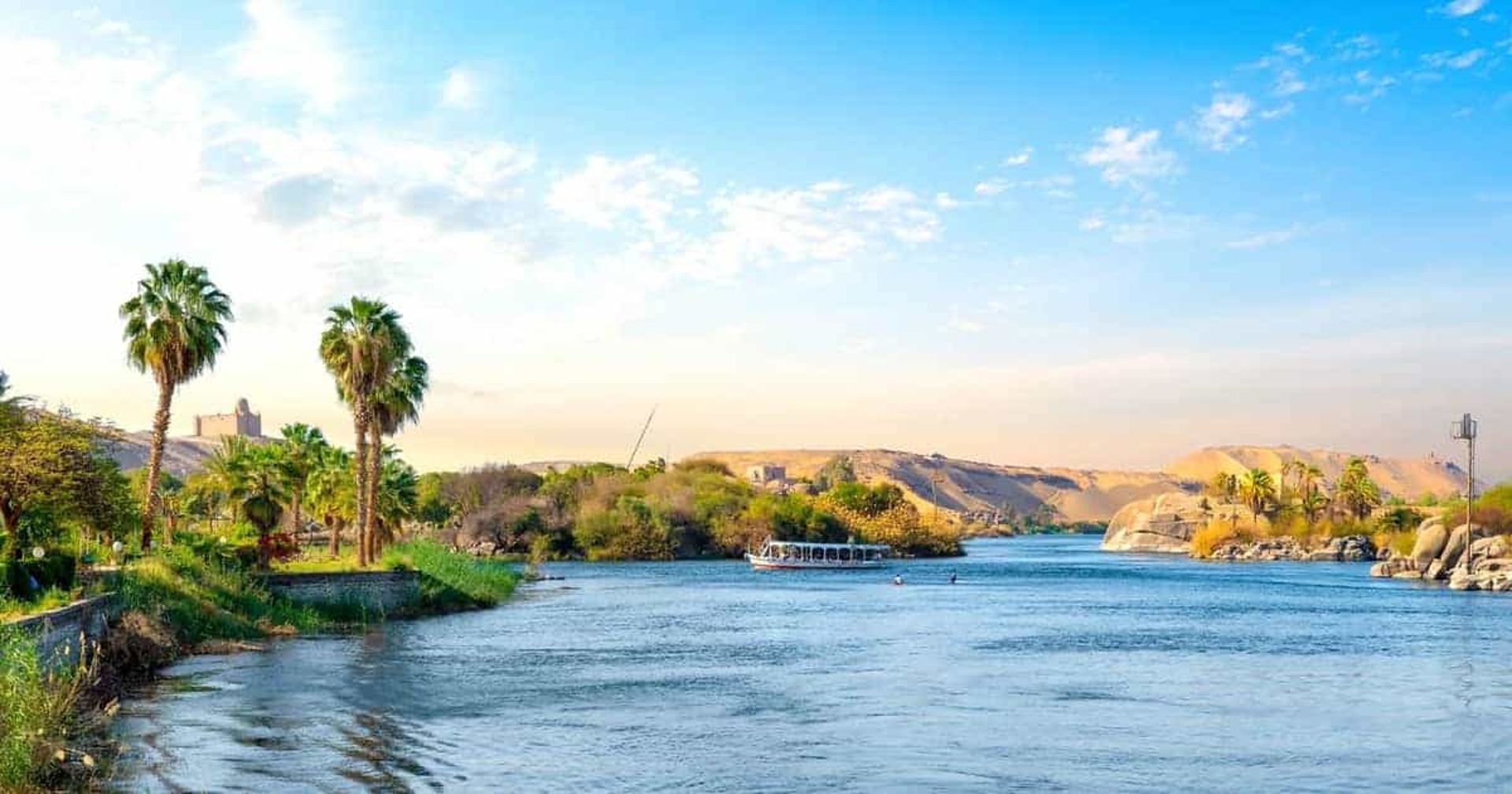
Why is Egypt called the gift of the Nile? Herodotus used the phrase after seeing a green ribbon of life along a sea of desert, and the phrase now sums up a simple fact: the Nile turned otherwise inhospitable land into fertile fields, supported cities, and allowed sustained centralized government for thousands of years.
Herodotus recorded the contrast between the fertile river valley and surrounding desert when he visited Egypt in the fifth century BCE. The river gave clean water, soil, and a predictable agricultural rhythm that made large settlements and monumental building possible.
How did the Nile make farming reliable?
The Nile made farming reliable by depositing nutrient-rich silt each year and by feeding irrigation channels that kept fields moist outside the floodplain. That annual cycle allowed farmers to grow staples such as wheat and barley consistently, producing surpluses that supported craftspeople, administrators, and large-scale building projects.
Ancient Egyptians called the dark, fertile soil kemet, or black land, in contrast to the surrounding desert. Farmers timed the agricultural year to the river. Floodwaters refreshed soils, then receded to leave fields ready for plowing and planting. The surplus grain supported urban populations and a professional class that included scribes, priests, architects, and artisans.
How did the Nile shape transport and trade?
The Nile served as an efficient transport artery that cut the cost and time of moving heavy goods. Boats sailed south using wind power and moved north on the river current, allowing stone, grain, papyrus, and luxury items to circulate across the country with far less effort than overland routes.
Because the main cities and administrative centers sat along the river, the Nile also acted as a political connector. Goods and messages moved quickly between Upper and Lower Egypt, which helped Pharaohs and local rulers enforce laws, collect taxes in kind, and mobilize labor for state projects such as temple building and road repair.
What role did the Nile play in religion and culture?
The Nile formed the core of religious life because its cycle of inundation, growth, and harvest fit into Egyptian ideas about death and rebirth. People personified the river in gods such as Hapi, timed festivals to the flood cycle, and oriented many temples toward the river to link ritual life with the source of fertility.
Religious rituals often sought to maintain maat, or cosmic order, of which a good flood was a sign. The success of the harvest carried social meaning. Temples on riverbanks, including many you can visit today, face the water because priests combined practical access to water with symbolic alignment to the source of life.
Is the Nile still central to Egypt today?
Yes, the Nile remains Egypt's lifeline. Most of Egypt's population lives close to the river because arable land and freshwater are concentrated along the banks. Modern dams and irrigation have changed the flood cycle, but the river still supplies water for cities, farms, and industry and shapes settlement patterns.
Twentieth century dam projects altered the natural flooding cycle to improve control and store water for dry seasons. Those projects helped stabilize agricultural output but also changed how silt moves and required new soil management. The central fact remains: without the Nile most of current Egypt would be uninhabitable desert.
How can travelers experience the gift of the Nile today?
Travelers experience the river directly on Nile cruises, which travel between Luxor and Aswan and visit riverside temples and tombs. A river voyage shows how towns, temples, and fields align to the water and how boat transport shaped the country's pattern of life.
Choose early morning or late afternoon temple visits for softer light and fewer crowds. Dahabiya sailings provide a slower pace and access to smaller quays. Many travelers combine a multi-day cruise with guided visits to Luxor's Karnak and Luxor temples, the Valley of the Kings, Philae Temple, and Kom Ombo.
- See Karnak and Luxor temples near the east bank in Luxor.
- Visit the Valley of the Kings on the west bank for royal tombs.
- Stop at Philae Temple near Aswan and the temples at Kom Ombo and Edfu.
What should i expect when visiting the Nile sites?
Expect sun, sandy colors, and stone architecture oriented to the river. Walks between quays and sites are short. Many temple sites open early and close around sunset; plan to arrive at opening or late afternoon to avoid heat and buses.
Bring comfortable shoes for uneven paths and a hat for shade. When you book guided visits, ask for an Egyptologist guide to explain inscriptions, temple alignments, and the agricultural logic behind the monuments you see.
Who first said Egypt is the gift of the Nile?
Herodotus, a Greek historian writing in the fifth century BCE, is the source usually credited with calling Egypt the gift of the Nile after observing the river's life-giving contrast with the surrounding desert.
Herodotus wrote travel-based histories that recorded geographic and cultural observations. Later historians and educators repeated the phrase because it captures how essential the river was to the country's survival and identity.
How do i plan a visit with an egyptologist guide?
Book a guided trip through a company that lists Egyptologist-led tours so your guide can read inscriptions, explain seasonal cycles, and place monuments in agricultural and political context. Guided tours often include entrance logistics and local insights that solo travelers miss.
If you plan to cruise, check whether standard entrance fees are included on your itinerary, and ask about optional visits such as tomb interiors that may carry extra charges. Discovery Tours Egypt organizes Egyptologist-guided itineraries and Nile cruises for travelers who want on-the-ground explanations.
Plan with us
Why is Egypt called the gift of the Nile?
How the Nile made Egypt livable, fed its civilization, and shaped religion, trade, and monuments; practical tips for experiencing the river today.