
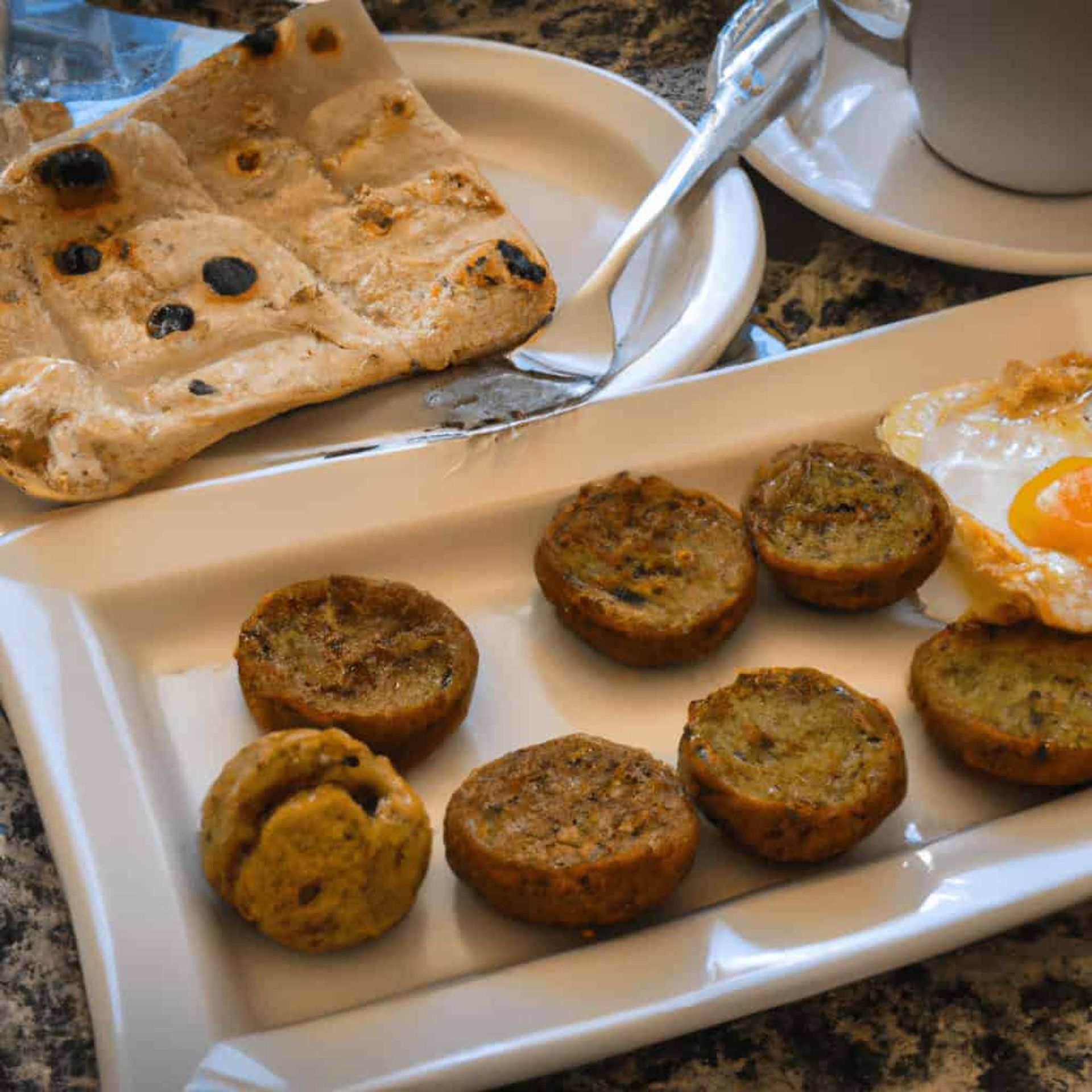
What is a traditional Egyptian breakfast?
A traditional Egyptian breakfast is a savory morning meal built around foul medames, ta'ameya, baladi bread, and simple sides. The Egyptian breakfast is hearty, inexpensive, and made for sharing, which is why locals often eat slowly with tea and conversation. Travelers usually find it filling enough to replace lunch.
Foul medames is stewed fava beans seasoned with cumin, lemon, olive oil, and garlic. Ta'ameya is Egypt's local falafel, made with fava beans instead of chickpeas. Baladi bread is the flatbread that ties the plate together, especially when you scoop up beans or dips.
- Foul medames, the base dish on most morning tables
- Ta'ameya, crisp patties made from fava beans
- Baladi bread, used for scooping
- Cheese and olives for a salty side
- Tea or mint tea to finish the meal
What do Egyptians eat for breakfast?
Egyptians eat a mix of beans, bread, fried patties, cheese, olives, and tea for breakfast. Many plates stay simple, while others include eggs, tahini, baba ghanoush, labneh, or a meat dish for a heavier meal. The food changes by household and budget, but foul and bread remain common.
Domiati cheese appears often on Egyptian breakfast tables because its salty flavor balances beans and bread. Baba ghanoush adds a smoky note, and labneh brings a tangy, creamy bite. Some families add eggs, especially when they want a breakfast that lasts until late afternoon.
- Beans: foul medames is the most common base
- Bread: baladi bread is the standard choice
- Fried items: ta'ameya is the main one
- Dairy and sides: cheese, olives, labneh, and tahini
- Drinks: tea is common, and mint tea is widely loved
Where can you eat breakfast in Egypt?
You can eat breakfast in Egypt at street stalls, local cafés, hotel buffets, and neighborhood shops. Street vendors give you the most direct local experience, while cafés are better if you want to sit down and watch daily life pass by. Hotels usually add Egyptian dishes beside familiar international options.
In Cairo, Tahrir Square, Downtown Cairo, and Islamic Cairo are good places to look for early breakfast counters. El Fishawy in Khan El Khalili is a well-known stop for a slower café meal. Travelers who want a more relaxed morning can pick a hotel breakfast and still try local staples.
- Street vendors for quick foul and ta'ameya
- Local cafés for a sit-down meal and tea
- Hotel buffets for a mix of local and familiar dishes
- Market areas and busy city streets for the widest choice
What is the typical breakfast time in Egypt?
The typical breakfast time in Egypt is between 7:00 AM and 11:00 AM. That window fits most local routines, especially in cities where people start early and eat before work. In Cairo and Luxor, some places keep serving breakfast dishes later in the day.
Travelers who want the best selection should go earlier, especially if they want freshly fried ta'ameya or a busy foul counter. Later in the morning, some popular spots may sell out of the best batches. Hotels are less time-sensitive, since breakfast service is usually broader and calmer.
- 7:00 AM to 11:00 AM is the common breakfast window
- Earlier visits often mean hotter foul and fresher ta'ameya
- Some Cairo and Luxor spots serve breakfast all day
- Hotels usually keep breakfast available for longer than street stalls
How do you order breakfast like a local?
Ordering breakfast like a local in Egypt is simple. Ask for foul, ta'ameya, bread, and tea, then add eggs or cheese if you want more food. A few Arabic words help, but many cafés and stalls understand basic English, especially in tourist areas.
A short order keeps the process easy: say you want foul, ask for baladi bread, and point to any toppings you want. 'Shokran' means thank you, 'min fadlak' means please, and 'ana ayiz foul' means I would like foul. Servers usually respond well when you keep the order direct.
- Start with foul if you want the classic plate
- Add ta'ameya if you want something crisp
- Ask for baladi bread so you can scoop the food
- Use simple Arabic words to make ordering easier
- Slow down, because breakfast is meant to be social
Which dishes should you not skip?
The dishes you should not skip are foul medames, ta'ameya, and baladi bread. Those three give you the clearest sense of an Egyptian breakfast and appear on most local tables. Cheese, olives, tahini, and tea round out the meal without making it heavy or complicated.
If you only have one morning in Egypt, start with foul and ta'ameya at a street counter or café. That combination tells you more about everyday Egyptian food than a hotel spread does. Add tea, then sit for a few minutes and eat slowly.
- Foul medames for the core flavor
- Ta'ameya for the local fried bite
- Baladi bread for the full experience
- Tea or mint tea to match the local habit
Plan with us
How to enjoy an Egyptian breakfast like a local
Learn what to eat, when to go, and where to find a traditional Egyptian breakfast in Cairo and beyond.