
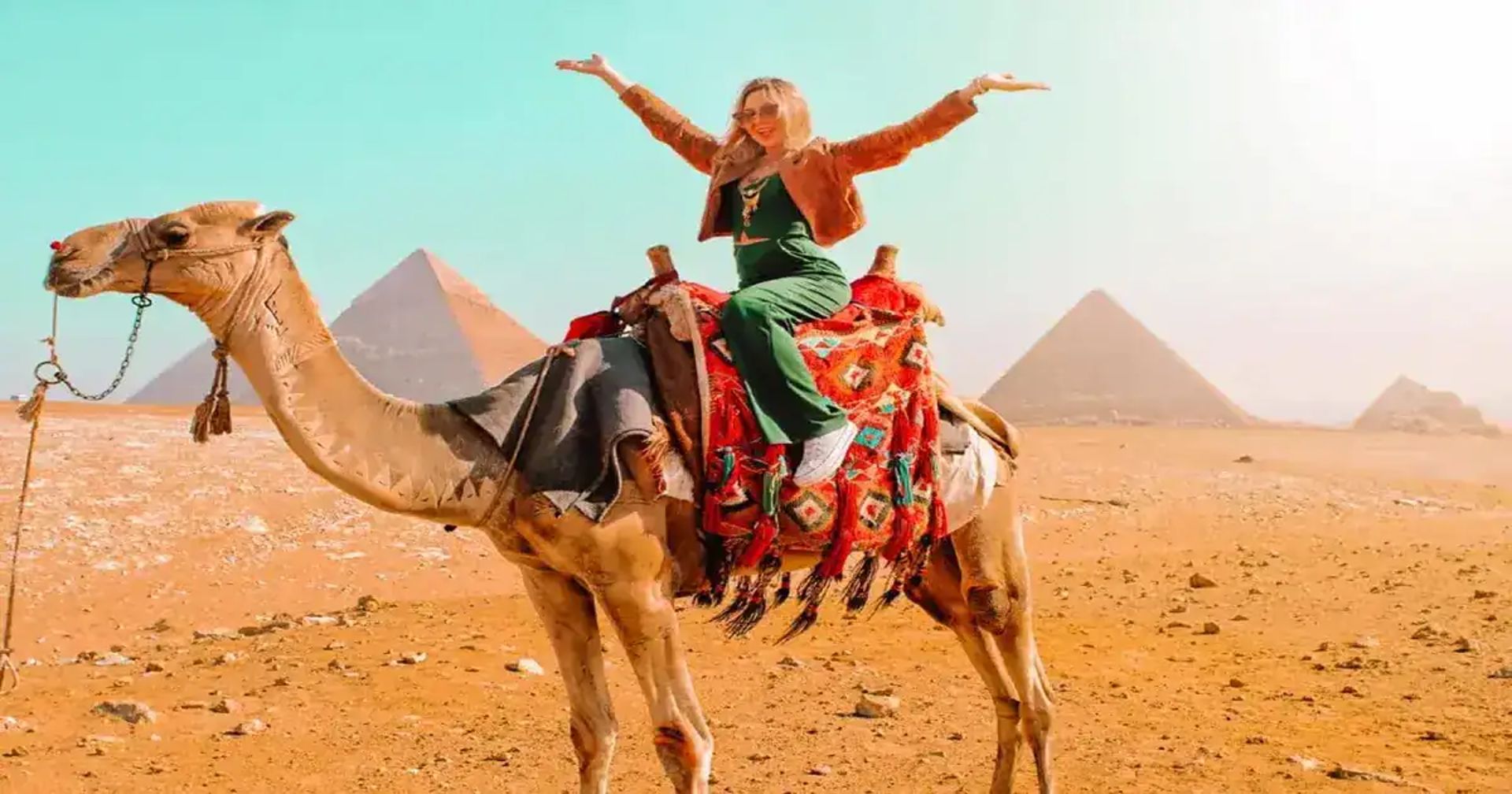
What does a camel ride at the pyramids actually feel like?
A camel ride at the pyramids is slow, high, and a little awkward at first, then it settles into an easy sway across the Giza Plateau. The ride is as much about the setting as the animal, with the Great Pyramid, the Sphinx, and open desert in view while you move between stops.
The pace is not meant to be fast. Camel riding in Egypt works best as a short, practical way to reach viewpoints and add a classic desert experience to your day at Giza.
Why does a guided tour change the camel ride at the pyramids?
A guided tour changes the camel ride at the pyramids because Giza is busy, spread out, and easy to misread on your own. A local guide helps with timing, tickets, and the order of stops, which saves energy and cuts confusion before you ever get on the camel.
Discovery Tours Egypt uses local Egyptologist guides, so the day is not just about photos. A guide can explain why the plateau matters, which viewpoints are worth your time, and what you can skip if you only have half a day.
- Tickets and logistics are handled for you, which matters when the site is crowded.
- A guide helps you choose a healthy camel and a handler who knows the route.
- Context matters at Giza, because the pyramids are easier to appreciate when someone explains what you are seeing.
- A guided day usually runs more smoothly than trying to piece together transport, entry, and camel arrangements yourself.
What should you expect on the Giza Plateau?
The Giza Plateau is large, exposed, and often busier than first-time visitors expect. You will deal with sand, sun, vendors, and distance between major stops, so the visit feels more like a moving outdoor day than a quick monument stop.
The Great Pyramid and the Sphinx are the anchor points, but the plateau also includes the panoramic viewpoints and other areas that many travelers miss when they move too fast. A camel ride helps cover that ground without turning the day into a long walk.
What are the main stops people usually want?
Most travelers want the Great Pyramid, the Sphinx, and the panoramic viewpoint where the Giza pyramids line up in one frame. Some visitors also add the Khufu Ship, also called the Solar Boat, if their schedule allows it.
When is the best time to do a camel ride at the pyramids?
The best time for a camel ride at the pyramids is early in the morning, ideally by 8:00 AM. Cooler air and smaller crowds make the plateau easier to manage, and the camel ride feels better before the desert heat builds later in the day.
October through April is the most comfortable stretch for visiting Giza. Summer visits can still work, but an early start matters more because the midday heat becomes tiring quickly.
How long should you plan for the visit?
Plan at least 3 to 4 hours if you want the main pyramids, the Sphinx, and a camel ride without rushing. A half day is often enough for the standard Giza experience, but adding interior visits or extra stops will take longer.
Time moves faster than people expect on the plateau because distances are deceptive. What looks close on a map can feel far in sand and sun, especially if you are walking between stops instead of riding.
What should you wear and bring?
Wear practical clothing that handles sand and movement. Long trousers help prevent chafing on the saddle, and breathable cotton or linen works well in the heat. A wide-brimmed hat and sunscreen are useful on the open plateau.
- Wear long trousers instead of a loose skirt or dress.
- Choose breathable fabric that stays comfortable in the sun.
- Bring sunscreen and a hat for shade.
- Carry water, since the plateau is exposed and dry.
- Use shoes that are easy to walk in on sand and uneven ground.
Can you go inside the Great Pyramid?
You can go inside the Great Pyramid, but it requires a separate ticket and the passage is narrow and steep. Many visitors skip it because of the confined space, while others do it for the experience rather than the comfort.
A guide helps you decide if the extra time and effort are worth it for your visit. Interior access is a different kind of experience from the camel ride, so not every traveler needs both.
What should you skip if your time is limited?
Travelers with a short schedule should focus on the Great Pyramid, the Sphinx, one strong panoramic stop, and the camel ride. Extra tombs and add-on visits can be useful, but they are not always the best use of a short Giza day.
If you only have a few hours, keep the day simple. The plateau rewards a steady pace more than a long checklist, and the best memories usually come from the main monuments and a clear view across the desert.
Plan with us
Camel ride at the pyramids: why a guided tour changes the day
Plan a camel ride at the pyramids with practical Giza advice, timing tips, and why a guided tour makes the visit smoother.