
Dendera Temple (Temple of Hathor)
At a glance
- Departs
- Daily
The short answer
Dendera Temple Entry Ticket is a 1-day admission covering the Temple of Hathor at Dendera in the Nile region, arranged through Discovery Tours Egypt.
- Archaeology & history
- Cultural
Snapshot
Good to know
- Destinations
- Nile
Best time to go
The most comfortable time to visit is from October to April, when daytime temperatures in Upper Egypt are generally milder than in summer. Early morning is usually best for lower heat and fewer visitors. During Ramadan and major public holidays, opening routines and crowd levels may change, so current hours should be checked in advance.
02Overview
A first look
The main temple at Dendera is dedicated to Hathor and dates mainly to the Ptolemaic period with later Roman additions. The complex includes Hathor-headed capitals and an astronomical ceiling; the original Dendera Zodiac panel was removed to the Louvre in 1820.
Background
The facts
Dendera Temple, also known as the Temple of Hathor, is a major Greco-Roman period temple complex in Upper Egypt on the west bank of the Nile, north of Luxor near Qena. The main surviving building was developed during the Ptolemaic period and completed under Roman emperors, while the site preserves earlier religious foundations associated with Hathor worship. It is one of the best-preserved temple complexes in Egypt and is known for its richly carved reliefs, astronomical ceiling scenes, and roof chapels.
A standard admission ticket grants access to the temple complex, including the hypostyle hall, inner sanctuaries, processional areas, and the roof section where the so-called Dendera Zodiac was documented. Visitors typically enter through the main gate and move through the sequence of halls at their own pace. The ticket does not include transport, a separate audio guide unless purchased locally, or any premium service not listed in the admission.
Opening hours can vary by season and operational conditions, so visitors should confirm the current schedule before travel or arrive early in the day. The site is commonly combined with other Nile Valley stops because it lies between Luxor and the city of Qena, making it practical for independent travel by private car or arranged transport. The temple interior is best viewed with enough daylight for the carved reliefs and roof areas.
Practical conditions at the entrance usually include a security check and bag screening. Clothing should be modest and comfortable for walking on stone surfaces and stairs, especially if roof access is available on the day of visit. Photography rules vary by area and policy updates, so guests should check the notice at the entrance gate before taking photographs.
Suited to
Is this for you?
Yes, if
- This ticket suits independent travelers who want self-guided access to one of Upper Egypt’s most important temple complexes. It is especially relevant for adults and older children with an interest in Ptolemaic architecture, religious art, and astronomy-related temple decoration. Moderate walking is required, including steps or uneven surfaces in some sections.
What lingers
- 01Dendera Temple is 62 km (38 miles) north of Luxor – about 1 hour 15 minutes by car from Luxor.
- 02Main ticket covers access to the Temple of Hathor; standard site entrance included, premium permits excluded.
- 03See intact astronomical ceiling reliefs; the original Dendera Zodiac was removed in the 1820s and now resides in the Louvre.
- 04Compared with Luxor's Karnak crowds, Dendera typically receives fewer tour buses, allowing longer study of reliefs.
- 05Limited shade and uneven stone underfoot; we recommend an early morning visit to avoid the midday heat.
- 06Our Egyptologists can interpret the astronomical scenes on site; private-guided visits to Dendera are available on request.
The fine print
What's included – and what isn't
Included
- Dendera Temple entry ticket, single admission
Not included
- Transport to and from Dendera Temple
- Audio guide or printed guidebook, bookable separately
- Professional Egyptologist guide (book separately if required)
- Meals and personal expenses
- Photography permit if required by the site
- Gratuities
Asked & answered
Frequent questions
01How do I get to Dendera Temple from Luxor?
Dendera Temple is about 60 km north of Luxor, roughly a 1.5-hour drive by private car. Many clients travel by private car or a guided minivan; there is no regular public shuttle from Luxor. We arrange pick-up and drop-off, and standard site entrance fees are included unless stated otherwise. Expect a short walk from the parking area over uneven stone; bring sun protection for the drive and the site.02Can I visit Dendera Temple on a day trip from Luxor?
Yes – you can visit Dendera Temple on a day trip from Luxor; it is commonly done as a morning outing. Unlike mass coach tours that rush the site, we schedule 60–90 minutes on site so you can see the main reliefs and roof zodiac. Allow additional time for the road there and back; many guests return to Luxor by mid-to-late afternoon.03What are the opening hours for Dendera Temple?
Dendera Temple is normally open daily from sunrise to sunset, though hours change seasonally and during holidays. Timings can be reduced during Ramadan and on national holidays, and last-entry policies vary. We check hours the day before your visit and confirm any schedule changes with you.04Are cameras allowed inside Dendera Temple?
Still photography is generally allowed inside Dendera Temple; flash, tripods, and drones may be restricted. Conservation rules often prohibit flash in sensitive chapels and charge separate fees for professional filming. If you need a permit for commercial photography or drone use, we can apply for the necessary permissions on your behalf.05Is Dendera Temple wheelchair accessible?
Dendera Temple has uneven ancient stone floors and steps; full wheelchair access is limited. Vehicle drop-off is possible at the main approach but several areas have steps and low thresholds that a wheelchair cannot pass. We are a licensed Egyptian tour operator and can plan assistance–please contact us in advance so we can arrange a porter, the smoothest route, and realistic expectations.06Do I need a guide at Dendera Temple?
You do not need an official guide to enter, but a licensed Egyptologist greatly improves understanding of the reliefs and inscriptions. Our Egyptologists explain the Hathor chapel, the Greco‑Roman additions, and the famous ceiling zodiac in contextual, readable detail. We can supply a licensed guide for the visit or provide a recommended short guidebook if you prefer self-guiding.07How long should I plan to visit Dendera Temple?
Plan 60–90 minutes to see the main temple complex and the roof zodiac properly. If you want to study inscriptions closely, visit the small on-site museum, or combine Dendera with nearby sites, allow two to three hours. Remember travel time from Luxor is about 1.5 hours each way, so factor driving into your day plan.
Product ID: TKT-NIL-388519
You Might Also Like
 Aswan
Aswan1 Days
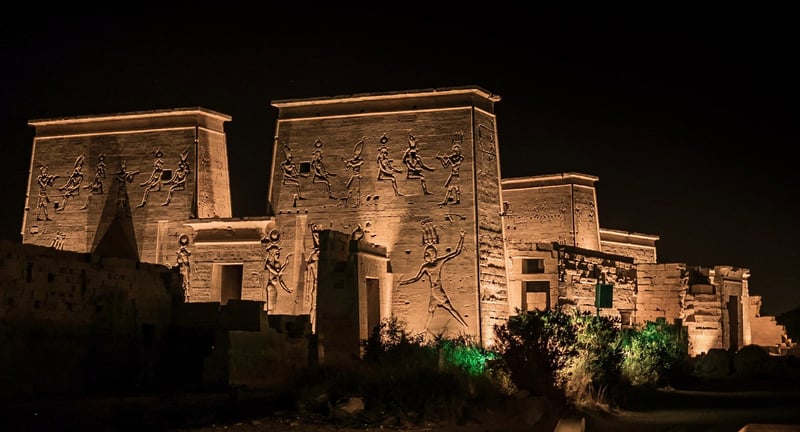
Philae Temple Sound & Light Show Entry Ticket
The Philae Temple Sound & Light Show Entry Ticket grants evening access to the nightly illumination and narrated program on Agilkia Island, Aswan. Shows run in multiple languages at scheduled evening times, consult the ticket for the language-specific schedule. Tickets are delivered as a PDF by email after booking; print your ticket if the venue requires a paper copy. Photography is permitted but flash photography is strictly prohibited. The performance takes place after dusk, so arrival times vary seasonally; check local sunset times before you travel.
From $30
 Nile
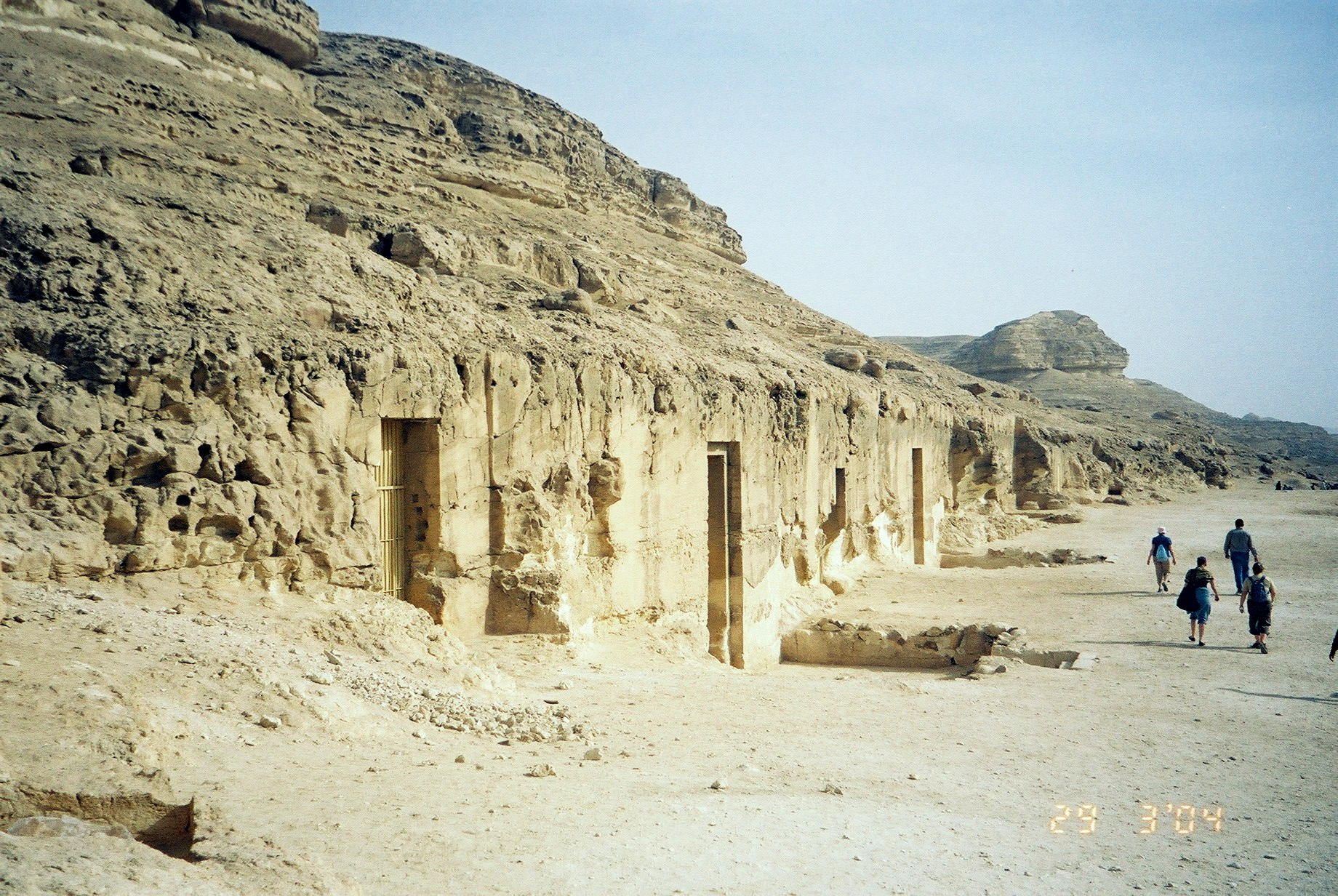
NileBeni Hassan Tombs Entry Ticket
Beni Hassan is a cluster of Middle Kingdom rock-cut tombs on the east bank of the Nile near Minya, noted for painted wall scenes and biographical inscriptions. This entry ticket grants access to the tomb cemetery and the principal decorated tombs, subject to site opening rules and conservation closures. Tickets are booked via Discovery Tours Egypt and delivered by email as a PDF after booking; some venues may require a printed copy at the entrance. Check the site’s current opening hours and any temporary closures before you travel.
From $5
 Alexandria
Alexandria National Museum
Alexandria National Museum displays artifacts from Pharaonic, Hellenistic, Roman, Coptic and Islamic periods. We arrange private or small-group visits led by our Egyptologist and meet you at the museum entrance. We do not run large coach groups; our pace lets you study sculptures, mosaics and inscriptions without a rushed stop. Unlike many cruise-ship shore excursions that allow just 30–45 minutes, we typically schedule 60–90 minutes for the galleries. The museum occupies a multi-floor historic building with stairs and compact rooms, so the visit includes some standing and narrow passages. Standard entrance fees are included; tell us your arrival time and we can combine this visit with a Corniche walk or a visit to the Bibliotheca Alexandrina.
From $7