
Abu Simbel Temples – Ramses II & Nefertari (Aswan)
At a glance
- Departs
- Daily
The short answer
Abu Simbel Temples Entry Ticket is a 1-day admission covering the Great Temple of Ramesses II and the Temple of Nefertari in Aswan, arranged through Discovery Tours Egypt.
Snapshot
Good to know
- Destinations
- Aswan
Best time to go
The best time to visit Abu Simbel is usually from October to April, when daytime temperatures in southern Egypt are milder and outdoor walking is more comfortable. Summer months can be very hot, and seasonal opening hours or last admission times may change, so checking before travel is recommended. The solar alignment dates in February and October attract larger crowds than normal days.
02 Overview
A first look
Abu Simbel lies 280 km southwest of Aswan; road transfer typically takes about 3 hours 30 minutes. The twin temples were moved stone-by-stone between 1964 and 1968 and form part of the Nubian Monuments UNESCO World Heritage Site.
Background
The facts
Abu Simbel is the pair of rock-cut temples built in the 13th century BCE on the western bank of Lake Nasser, south of Aswan. The complex consists of the Great Temple of Ramesses II and the smaller Temple of Nefertari, both carved into the cliff face and aligned with the sun. In the Great Temple, the sanctuary is famous for the solar phenomenon that occurs around 19 February and 21 October, when sunlight reaches the inner chamber.
The site was relocated during the 1960s as part of the UNESCO-led salvage project carried out before the filling of Lake Nasser after construction of the Aswan High Dam. The temples were cut into large blocks and reassembled on higher ground to preserve the monuments from inundation. This relocation is one of the best-known archaeological engineering projects of the 20th century.
An entry ticket grants access to the temple precinct, forecourts, and the interior spaces open to visitors, including the hypostyle halls and decorated passageways where colossal statues and reliefs survive. It does not include transport, commentary services, or any optional add-ons. Opening hours and last admission can vary by season, so visitors should check current site information before travel and arrive early when possible.
Suited to
Is this for you?
Yes, if
- This is suitable for independent travelers who already have their own transport arrangements and want direct entry to the monument. It also suits history-focused visitors, photographers, and adults or older children who can manage walking on uneven stone surfaces and desert heat.
What lingers
- 01 Admission valid for both Abu Simbel temples: Ramses II Great Temple and Queen Nefertari's Small Temple.
- 02 Located approximately 280 km (about a 3-hour drive) south of Aswan; road transfer is the standard approach.
- 03 Unlike large coach excursions, we schedule private transfers to avoid midday heat and cruise-ship crowds.
- 04 Site relocated between 1964–1968 because of the Aswan High Dam; temples form the 'Nubian Monuments' UNESCO World Heritage listing.
- 05 Expect uneven ancient stone floors and minimal shade; comfortable shoes, water, and sun protection are strongly recommended.
- 06 Audio-guides available at site kiosks; we include an Egyptologist guide on private tours on request.
The fine print
What's included – and what isn't
Included
- Abu Simbel Temples entry ticket, valid for the selected date
Not included
- Transport to and from Abu Simbel
- Professional Egyptologist or live commentary, bookable separately
- Audio guide, unless selected as a separate option
- Photography permit where required; check on arrival
- Printed ticket (tickets are emailed as a PDF, print if the venue requires a hard copy)
Asked & answered
Frequent questions
-
01 How do I get to Abu Simbel from Aswan?
You can reach Abu Simbel from Aswan by private road transfer or by scheduled flight. Road transfers are a long overland journey; flights reduce travel time but run to limited timetables. We, as a licensed Egyptian tour operator, arrange either transfer type and do not use mass-coach shuttle services. -
02 What is the best time of day to visit Abu Simbel?
Early morning or late afternoon visits avoid the strongest sun and peak coach arrivals. The site has limited shade at midday and temperatures can be high, so bring water and sun protection. Note the solar alignment in the Great Temple occurs annually around February 22 and October 22. -
03 Can I go inside the Abu Simbel temples?
Yes – both the Great Temple of Ramses II and the Small Temple of Nefertari are open to visitors inside. Access may be managed for conservation; photography without flash is commonly permitted but tripods or flash can be restricted. We can arrange a private licensed Egyptologist to guide interior visits and explain the 1964–1968 relocation works. -
04 Can I visit Abu Simbel from a Nile cruise?
Yes; some Nile cruises include Abu Simbel as a shore call or overnight stop. Cruise calls often allow only limited time at the site, whereas overland or flight visits from Aswan give more flexible schedules. We coordinate transfers to match cruise timetables or arrange independent departures from Aswan when clients prefer. -
05 Are entrance fees and a guide included with an Abu Simbel ticket?
Standard site entrance fees are normally included; specialist extras are usually charged separately. As a licensed Egyptian tour operator we issue tickets and can include a private licensed Egyptologist for an extra fee. Extra costs commonly include photography permits, audio guides, and gratuities for local staff. -
06 What should I bring and wear to Abu Simbel?
Bring sun protection, a hat, bottled water, comfortable walking shoes, and a light layer for wind or early mornings. Temples require modest dress: shoulders and knees should be covered; expect uneven ancient stone underfoot and limited shade. If you have mobility needs, tell us in advance so we can arrange the most suitable transfer and pacing.
Last updated 18 May 2026 Product ID: TKT-ASW-572651
You Might Also Like
 Aswan
AswanAbu Simbel Temples – Sun Festival (22 Feb / 22 Oct)
Attend the Abu Simbel Sun Festival on 22 February or 22 October and watch sunlight enter the inner sanctuary. The temples are part of the UNESCO-listed Nubian Monuments and were relocated between 1964 and 1968 during the Aswan High Dam project. Sunlight illuminates the statues of Amun-Re, Ra-Horakhty, and Ramses II; Ptah remains in shadow. Abu Simbel is about 280 km south of Aswan (≈3.5–4 hours by road) or a short scheduled domestic flight (≈40 minutes), so the festival requires dedicated logistics. We do not bundle the festival with other same-day sightseeing; it needs permits and a fixed arrival window. Expect a pre-dawn pickup, security checks, and limited shade at the site. We are a licensed Egyptian tour operator and arrange permits, transfers, and on-site briefings.
From $31
 Cairo
CairoAl-Moez Street Entry Ticket
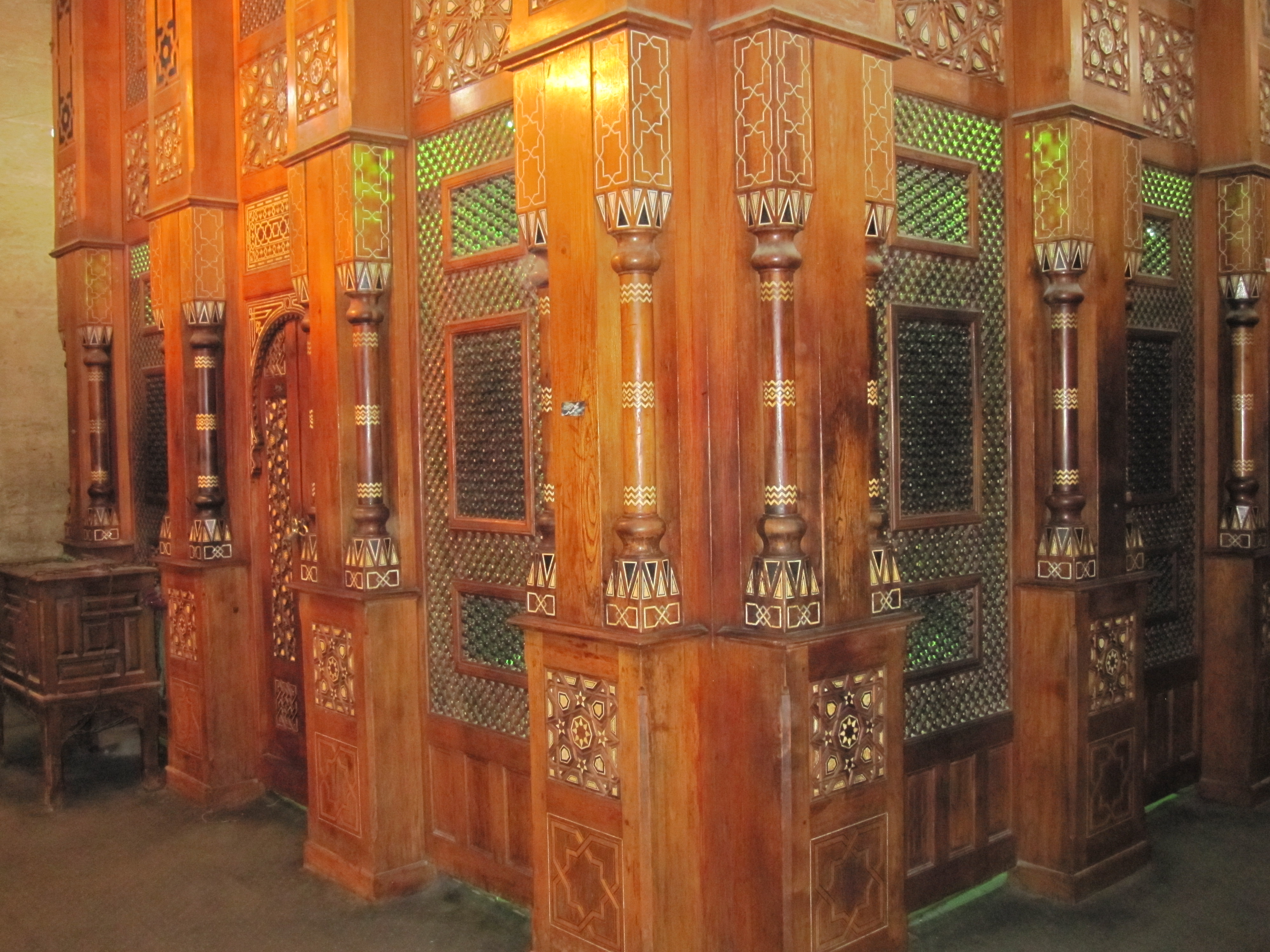
Al-Moez Street is a medieval Cairo thoroughfare lined with Fatimid and Mamluk-era monuments, gates and historic façades. This admission grants access to the pedestrianised street and its visible monuments, including views toward Bab Zuweila and the Mosque of Al-Hakim. As a licensed Egyptian tour operator, we arrange the ticket and send it to you by email as a PDF after booking. Unlike a museum admission, the street is an open historic quarter rather than a single indoor site, so visiting times are flexible but subject to seasonal opening hours and special events.
From $6
 Cairo
CairoAl-Rifa'i Mosque & Sultan Hassan Mosque, Cairo
Visit Al-Rifa'i Mosque and the adjacent Sultan Hassan Mosque in Historic Cairo with a private Egyptologist. Sultan Hassan dates to the 14th century. Al-Rifa'i was completed between 1869 and 1912 and contains several royal mausoleums. We are a licensed Egyptian tour operator and do not run mass coach slots; we escort you on foot between both sites and allot 60–75 minutes so you can study the Mamluk façades properly. Unlike typical coach-based city circuits, we recommend an early start to avoid coach arrivals. Note the trade-offs: limited shade at midday, modest dress required, and occasional interior photography restrictions. Standard site entrance fees are included unless stated otherwise.
From $5