
Abu Simbel Temples – Sun Festival (22 Feb / 22 Oct)
At a glance
- Departs
- Daily
The short answer
Abu Simbel Temples Entry Ticket is a 1-day attraction ticket covering the Abu Simbel temples and sun festival access in Aswan, arranged through Discovery Tours Egypt.
Snapshot
Good to know
- Destinations
- Aswan
Best time to go
The special festival dates are 22 February and 22 October, when the solar event is expected to occur if weather and site conditions allow. In Aswan, temperatures are usually cooler and more comfortable from November to March, while April to September is much hotter. Festival mornings are crowded, and arrival early is advisable because access is timed and capacity is limited; Ramadan and public holidays can also affect crowd levels and local operating patterns.
02 Overview
A first look
Abu Simbel sits about 280 km south of Aswan and is part of the UNESCO-listed Nubian Monuments. On 22 February and 22 October sunlight reaches the sanctuary and illuminates the three principal statues.
Background
The facts
Abu Simbel in southern Egypt is a pair of rock-cut temples carved during the reign of Ramesses II in the 13th century BCE. The larger temple was dedicated to Amun-Ra, Ra-Horakhty, and Ptah, while the smaller temple honored Hathor and Nefertari. The site is part of the UNESCO-listed Nubian Monuments, recognized for both its ancient significance and its 1960s rescue and relocation during the Aswan High Dam project.
The sun festival at Abu Simbel is associated with 22 February and 22 October, when sunlight penetrates the temple axis and reaches the inner sanctuary. Access on these dates is timed and capacity is limited, so the entrance gate can be busy early in the morning. Visitors should expect security screening, controlled entry, and site-managed circulation around the forecourt, colossi, and interior chambers.
This entry ticket grants admission to the temple complex as permitted by the venue on the festival date. It does not include transport, a private guide, meals, or gratuities. Ticket delivery is arranged through Discovery Tours Egypt and sent by email as a PDF after confirmation; some venues may require a printed copy, so printing is recommended if there is any doubt.
Suited to
Is this for you?
Yes, if
- This entry ticket is suitable for travelers who want self-guided access to one of Egypt’s most important Ramesside monuments, especially visitors with a strong interest in archaeology, UNESCO sites, and solar alignment phenomena. It also suits independent travelers who prefer a straightforward admission product rather than a packaged sightseeing service.
What lingers
- 01 Sun Festival illumination occurs annually on 22 February and 22 October, lighting Ramses II's sanctuary while Ptah remains shaded.
- 02 Visit both the Great Temple of Ramses II and the Small Temple of Nefertari, dedicated to Hathor.
- 03 Abu Simbel sits about 280 km (174 miles) south of Aswan; road transfer typically takes 3.5–4 hours.
- 04 We arrange pre-booked Sun Festival tickets, priority site access, and early-morning transport from Aswan to avoid crowds.
- 05 Relocated in 1964–1968 during Aswan High Dam works, Abu Simbel is part of the Nubian Monuments UNESCO listing.
The fine print
What's included – and what isn't
Included
- Entry ticket
Not included
- Professional Egyptologist guide, book separately if required
- Transport to and from Abu Simbel
- Meals and personal expenses
- Photography permit if applicable; photography rules vary, check at the entrance
- Gratuities
Asked & answered
Frequent questions
-
01 When is the Abu Simbel Sun Festival?
The Sun Festival occurs on 22 February and 22 October at sunrise. On those dates sunlight reaches the inner sanctuary and illuminates specific seated statues. Attendance is limited and the illumination moment depends on local horizon and weather. Book early and expect a pre-dawn start to reach viewing points on time. -
02 How do I get to Abu Simbel from Aswan?
You can reach Abu Simbel by road transfer, by domestic flight from Aswan, or as part of a Nile cruise itinerary. We arrange private transfers and timed-entry where available; flights are less frequent and cruise calls follow the ship’s schedule. Unlike large coach day trips, we prioritise pre-dawn private transfers to experience the alignment with fewer crowds. -
03 Do I need to book tickets in advance for the Sun Festival?
Yes – attendance on 22 February and 22 October requires advanced booking because ticket allocation is limited. We are a licensed Egyptian tour operator and can secure official timed-entry or festival tickets when they are released. Availability can sell out months ahead, so contact us early to confirm options and any supplemental seating or access. -
04 Are entrance fees included for Abu Simbel tickets?
Standard site entrance fees for Abu Simbel are included unless we state otherwise. Special festival seating, private ceremonies, commercial filming, or press-level access may carry supplements and separate permits. Gratuities to guides and drivers are not included unless we explicitly state they are. -
05 Is Abu Simbel accessible for travellers with limited mobility?
Abu Simbel has uneven rock surfaces, steps at the temple entrances, and limited shade; full accessibility is not guaranteed. There are ramps in some areas but steep approaches and loose gravel remain challenging. We can arrange porter assistance and a private transfer; contact us before booking so we can assess specific mobility needs and plan assistance. -
06 Can I photograph or film during the Sun Festival?
Photography for personal use is generally permitted; flash, tripods, and drone use are often restricted. On festival days restrictions are stricter and you may be asked to stay within allocated viewing zones. Commercial filming requires prior permits from Egyptian authorities – speak with us early if you need a filming permit or press access. -
07 What should I bring and wear for the Sun Festival?
Bring sun protection, plenty of water, sturdy walking shoes, and a valid ID; temples require modest dress. Expect strong sun exposure around sunrise with little shade–hat, sunscreen, and sunglasses are essential; a light layer can help for cooler early-morning temperatures. Pack any necessary medications and travel documents; festival days can involve waiting in open areas.
Last updated 18 May 2026 Product ID: TKT-ASW-485647
You Might Also Like
 Aswan
AswanAbu Simbel Temples – Ramses II & Nefertari (Aswan)
Abu Simbel comprises two rock-cut temples built by Ramses II and Queen Nefertari, relocated in 1964–1968 to avoid flooding from the Aswan High Dam. We are a licensed Egyptian tour operator and arrange private road transfers (280 km, about 3 hours 30 minutes) or short domestic flights, private guiding, and overnight stays in Abu Simbel village. The Great Temple faces east and aligns with the sun on February 22 and October 22. Distinctive view: unlike coach-shuffle day trips, we favour private transfers or flights and recommend the overnight option so clients can see the sunrise illumination with fewer crowds. Trade-offs: the site has limited shade, intense midday heat, and requires an early start or a long road transfer.
From $29
 Cairo
CairoAl-Moez Street Entry Ticket
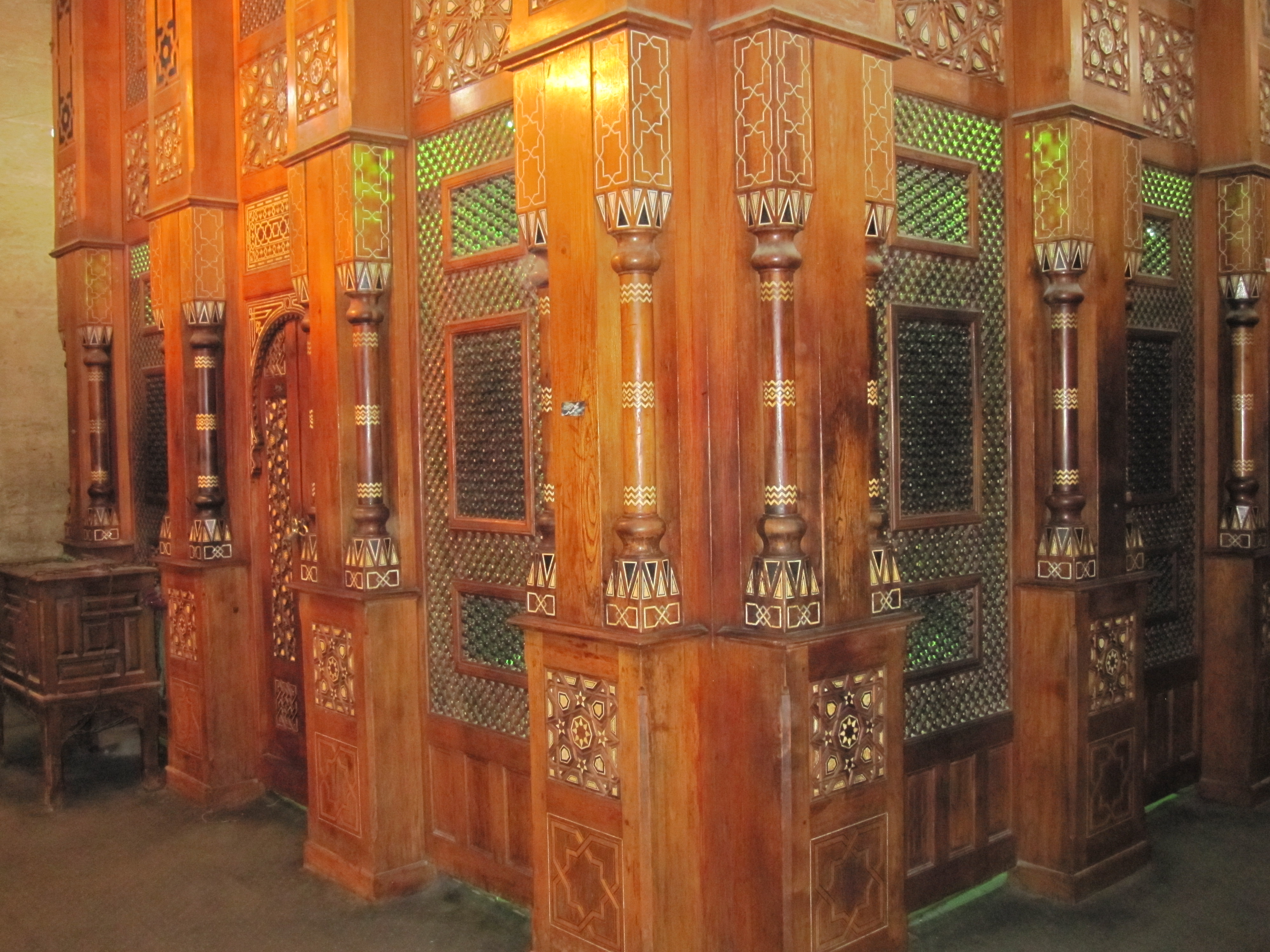
Al-Moez Street is a medieval Cairo thoroughfare lined with Fatimid and Mamluk-era monuments, gates and historic façades. This admission grants access to the pedestrianised street and its visible monuments, including views toward Bab Zuweila and the Mosque of Al-Hakim. As a licensed Egyptian tour operator, we arrange the ticket and send it to you by email as a PDF after booking. Unlike a museum admission, the street is an open historic quarter rather than a single indoor site, so visiting times are flexible but subject to seasonal opening hours and special events.
From $6
 Cairo
CairoAl-Rifa'i Mosque & Sultan Hassan Mosque, Cairo
Visit Al-Rifa'i Mosque and the adjacent Sultan Hassan Mosque in Historic Cairo with a private Egyptologist. Sultan Hassan dates to the 14th century. Al-Rifa'i was completed between 1869 and 1912 and contains several royal mausoleums. We are a licensed Egyptian tour operator and do not run mass coach slots; we escort you on foot between both sites and allot 60–75 minutes so you can study the Mamluk façades properly. Unlike typical coach-based city circuits, we recommend an early start to avoid coach arrivals. Note the trade-offs: limited shade at midday, modest dress required, and occasional interior photography restrictions. Standard site entrance fees are included unless stated otherwise.
From $5