
What is Luxor famous for?
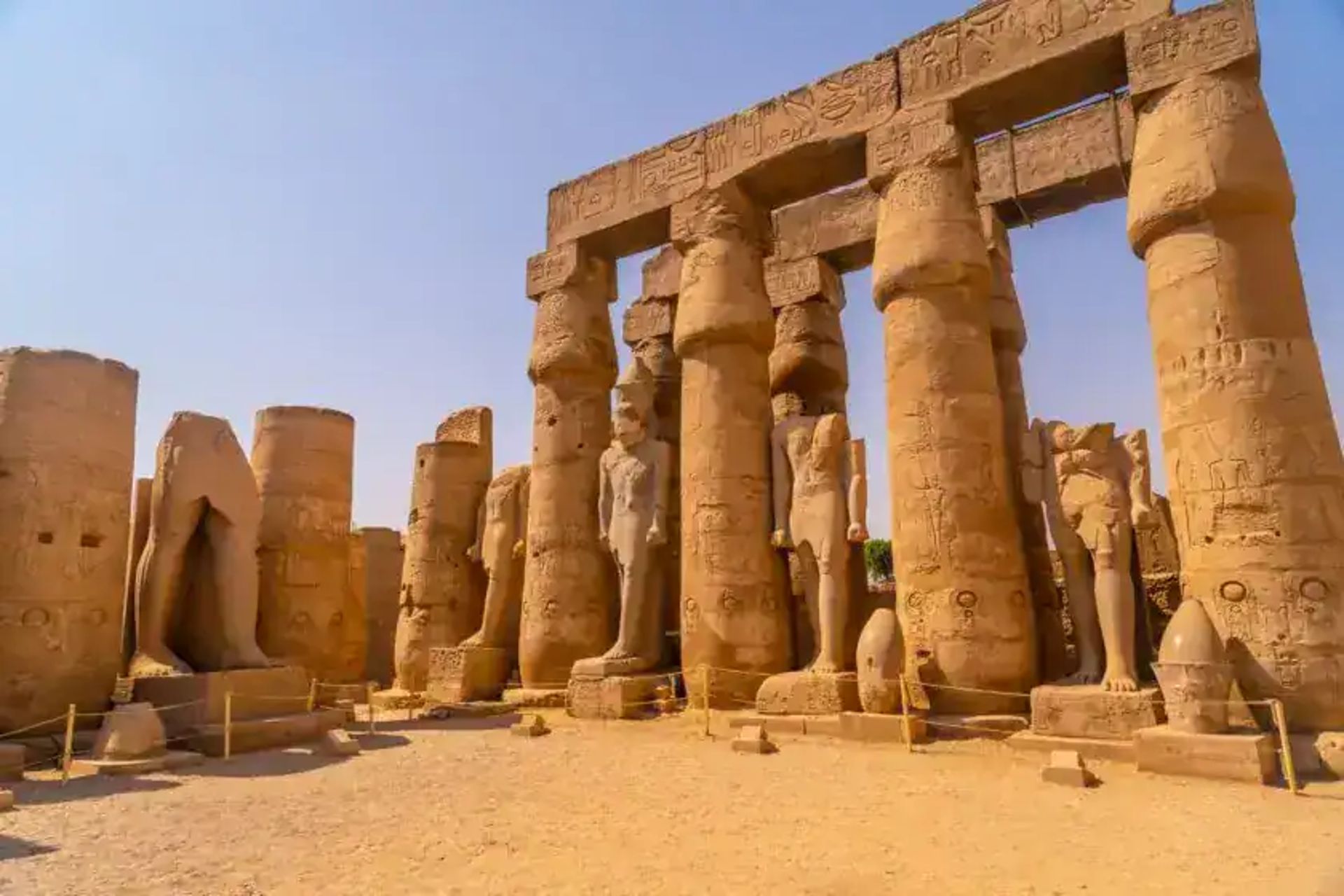
Luxor is famous for the temples and tombs of ancient Thebes, and that is the direct answer to what is Luxor famous for. The city sits on the Nile in Upper Egypt, and its two river banks hold some of the country’s best known monuments. Travelers come here for Karnak Temple, Luxor Temple, the Valley of the Kings, and the Valley of the Queens.
Ancient Thebes was once a major center of religion and royal power during the New Kingdom. Today, Luxor feels like an open-air museum because so much of that world still stands in stone. The city’s fame comes from the way its sites explain both royal life and beliefs about the afterlife.
Why do the East Bank and West Bank matter?
The East Bank and West Bank matter because they show two sides of ancient Egyptian life in one place. Luxor’s East Bank is the side of living temples and public worship, while the West Bank is tied to burial, memorial temples, and the afterlife. That split helps make the city easy to understand once you are there.
On the East Bank, Karnak Temple Complex is the biggest draw. Its Hypostyle Hall is known for 134 massive columns, and the site also includes obelisks and a sacred lake. Luxor Temple sits closer to the river and looks especially good in the evening light.
On the West Bank, the Valley of the Kings contains more than 60 royal tombs. The area also includes the Valley of the Queens and the Mortuary Temple of Hatshepsut, which stands out for its terraces and cliff setting. Visitors usually need a full day if they want to see both banks properly.
Which Luxor sites should you not miss?
Luxor has a long list of sites, but a first visit should focus on four names: Karnak Temple, Luxor Temple, the Valley of the Kings, and the Temple of Hatshepsut. Those places explain why Luxor draws history travelers more than almost anywhere else in Egypt. Each one tells a different part of the same story.
Karnak is the site that usually takes the most time because of its size. Luxor Temple is smaller and easier to fit into an evening visit. The Valley of the Kings is the one place where you really feel the weight of royal burial customs, while Hatshepsut’s temple gives you a clear view of a powerful female ruler’s legacy.
- Karnak Temple Complex, for scale and column-filled halls
- Luxor Temple, for evening views and carved details
- Valley of the Kings, for royal tombs and painted chambers
- Valley of the Queens, for burial sites tied to royal women
- Mortuary Temple of Hatshepsut, for a dramatic desert-cliff setting
How much history does Luxor actually hold?
Luxor holds more than 3,000 years of history in one city, and that is why the place feels so dense with monuments. The surviving temples, tombs, and reliefs cover religious life, royal power, and daily scenes from ancient Egypt. Few destinations in the country concentrate that much visible history in one area.
The city’s archaeological importance comes from both preservation and location. The dry climate helps protect wall paintings and carved details, while the Nile made ancient Thebes a natural center for power. That mix explains why Luxor keeps drawing archaeologists, historians, and first-time visitors.
Why do some Luxor sites close temporarily?
Some Luxor sites close temporarily because conservation work, excavation, or maintenance protects fragile stone and paint. Luxor itself is not closed, but parts of temples or tombs can be restricted for short periods. That is normal at heavily visited archaeological sites and can change the day you travel.
Temporary closures may affect tombs in the Valley of the Kings or sections of Karnak Temple. State visits and public holidays can also change access. Travelers should check current conditions before they go, especially if a specific tomb or chamber is the main reason for the visit.
What should travelers plan for in Luxor?
Travelers should plan for heat, walking, and time on both sides of the Nile. Luxor is easy to understand on a map, but the sites spread out enough that a rushed visit misses the point. Most people do best with an early start on the East Bank and an afternoon or next-day visit to the West Bank.
A guided visit also helps because the major monuments are easier to read with context. Reliefs, inscriptions, and temple layouts make far more sense when someone explains what you are seeing instead of just naming the buildings. That is especially true at Karnak and in the royal tombs.
- Start early to beat heat and get better light for photos
- Save Luxor Temple for late afternoon or evening
- Give Karnak more time than you expect
- Plan one full block for the West Bank
- Check for temporary tomb or chamber closures before you go
Plan with us
What Luxor Is Known For: Temples, Tombs, and Ancient Thebes
Learn what Luxor is famous for, from Karnak and Luxor Temple to the Valley of the Kings, plus what travelers should know before visiting.