
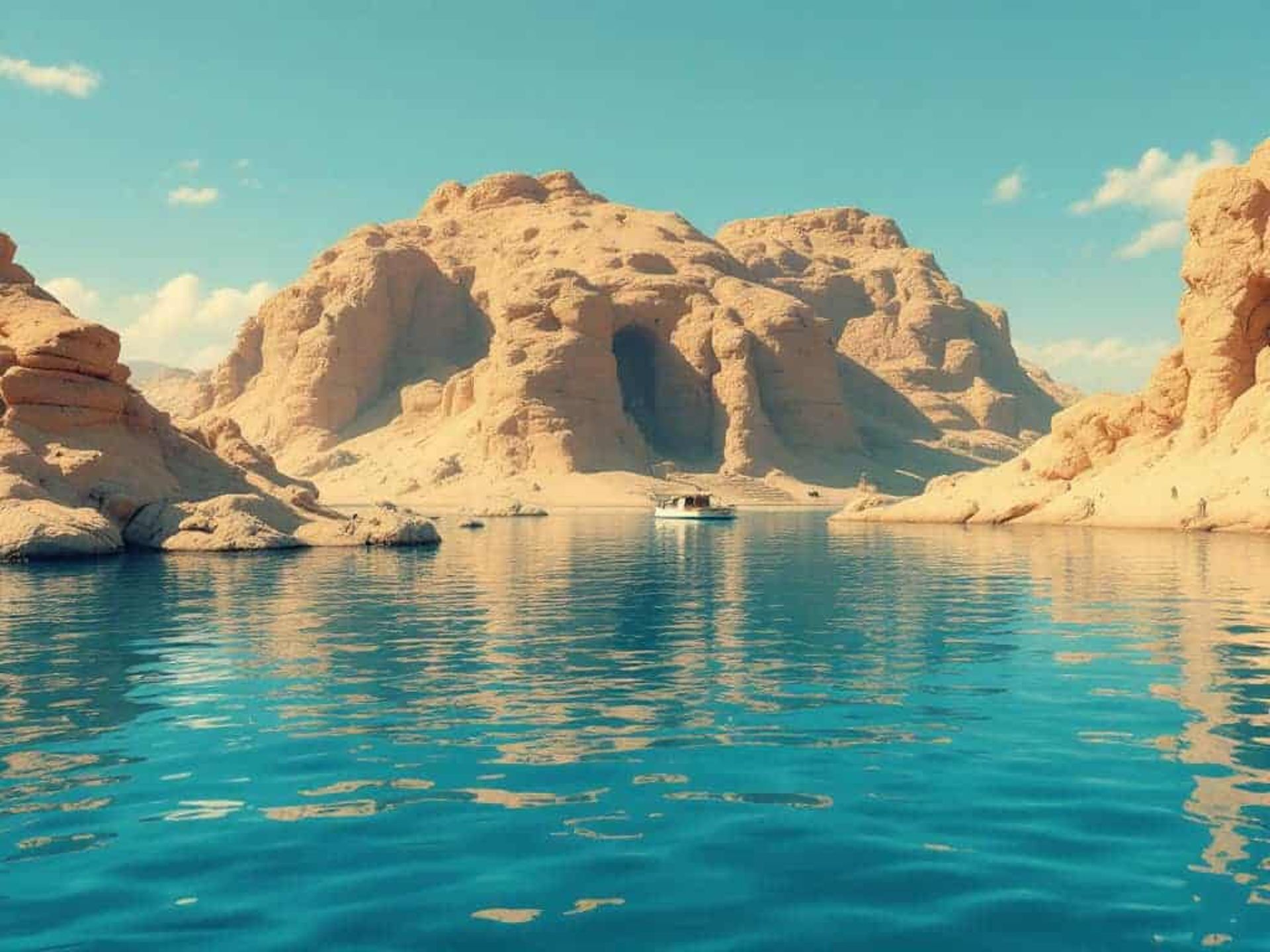
Why is the Red Sea considered a top diving destination?
The Red Sea is considered a top diving destination because it combines clear water, healthy coral, and a wide range of dive sites in one place. Red Sea diving gives travelers easy reef access, deeper walls, and wrecks, so the same coast works for first-timers and seasoned divers.
The source article points to crystal-clear water, warm temperatures, and excellent visibility year-round as the main reasons divers return. Those conditions matter in Egypt because they let you see coral color, fish behavior, and the shape of the reef far better than in many other dive regions.
What makes Red Sea diving different from other places?
Red Sea diving stands out because the sea supports coral and fish life in a very efficient way. The source article says the area has over 1,200 species of fish, 250 species of coral, and visibility that often exceeds 30 meters. That mix gives each dive a lot to look at without long swims between sites.
The coral itself is a major reason people choose the Red Sea. The source notes that the reefs show remarkable resilience compared with many bleached reefs elsewhere, helped by warm water and minimal rainfall. For travelers, that usually means brighter reef color, denser fish life, and more time spent hovering than searching.
- Healthy coral reefs with strong color and structure
- Good visibility that often lets you read the reef from a distance
- Warm water that supports longer, more comfortable dives
- Sites that work for both shallow training dives and deeper exploration
What can you see while diving in the Red Sea?
Red Sea scuba diving is known for variety, not just one signature animal. The source article mentions turtles, dolphins, school fish, pygmy seahorses, whale sharks, manta rays, clownfish, and dugongs. That range gives the Red Sea a broad appeal, because no two sites feel quite the same.
On a normal dive day, you are more likely to see reef fish, coral gardens, and rays than a single giant species. Live encounters change by site and season, so the best approach is to treat every dive as a new look at the reef rather than a checklist hunt.
Which dive sites are the best diving in the Red Sea?
The best diving in the Red Sea often comes down to the site type you want most. The source highlights the Brothers Islands, Ras Mohammed National Park, and the SS Thistlegorm as standout dives. Each one gives a different kind of trip, from wall dives to reef action to wreck exploration.
Why do divers visit the Brothers Islands?
The Brothers Islands are known for dramatic drop-offs and encounters with larger sharks, including oceanic whitetip sharks and hammerheads. The source describes them as rising sharply from deep water, which is why the dives can feel more exposed than typical coastal reef sites.
Why is Ras Mohammed National Park so popular?
Ras Mohammed National Park is one of the Red Sea’s best-known dive areas because it sits where the Gulf of Aqaba meets the Gulf of Suez. The source says the area has soft corals and pelagic fish species, which makes it a strong choice for travelers who want a classic Red Sea reef dive.
Why do people dive the SS Thistlegorm?
The SS Thistlegorm is one of the world’s most famous wreck dives. The source identifies it as a British merchant navy ship sunk during World War II, and it still holds cargo in its holds, including motorcycles, trucks, and railway carriages. Divers who like history often rank this as a must-see site.
When is the best time to dive the Red Sea?
The best time to dive the Red Sea is usually between March and May, according to the source article. Water temperatures around 25°C and strong visibility make that period especially comfortable for many divers, while still keeping conditions workable across a range of skill levels.
Red Sea scuba diving is possible year-round, so the season you choose depends on your tolerance for water temperature and boat conditions. Travelers who want calmer weather and a balanced feel often look at spring first, while others plan around their Egypt vacation dates and dive where conditions fit.
Is Red Sea scuba diving good for beginners?
Red Sea scuba diving is good for beginners when the itinerary uses sheltered reefs and controlled conditions. The source says the region caters to all levels of divers, with shallow reef sites for newcomers and deep walls or stronger currents for more advanced divers.
Beginners usually do best on short boat transfers, simple reef entries, and sites with easy depth control. Advanced divers can ask for deeper walls, wreck dives, and locations with more current, which is where the Red Sea’s reputation gets stronger.
- Beginners should ask for sheltered reefs and easy-depth dives
- Advanced divers can look for walls, wrecks, and current-prone sites
- Liveaboards can help reach more remote sites
- Local guidance matters because conditions change by location
What should responsible divers keep in mind?
Responsible diving matters in the Red Sea because the reef system is valuable and sensitive. The source article asks travelers to protect the ecosystem through sustainable diving practices. That means avoiding contact with coral, keeping good buoyancy, and following the guide’s route rather than drifting into the reef.
Discovery Tours Egypt is an Egypt-based company with local Egyptologist guides, so travelers can get help choosing the right pace and site mix. That local planning matters when you want a dive trip that fits your skill level instead of forcing a one-size-fits-all schedule.
How do you plan a Red Sea diving trip?
A good Red Sea diving trip starts with your comfort level, not just the destination name. Travelers should decide whether they want reef dives, wreck dives, or a mix, then match the route to the time of year and the sites they want most. That keeps the trip practical and reduces wasted sea days.
- Choose spring if you want the source article’s best-condition window
- Match site choice to your certification and experience
- Ask for reefs, walls, wrecks, or a mixed program before booking
- Leave room for conservation rules and changing sea conditions
Plan with us
Why is the Red Sea considered a top diving destination?
See why the Red Sea is a top diving destination, with clear water, coral reefs, wrecks, and sites for new and advanced divers.