
What makes the Red Sea one of the best scuba diving regions?
The Red Sea is one of the best scuba diving regions because it has warm water, clear visibility, coral reefs, wrecks, and a wide range of dive profiles. Egypt’s coast lets you choose between easy reef dives and more demanding wall, drift, and wreck sites without changing countries or booking a long transfer.
That range matters. A new diver can enjoy sheltered reefs near Hurghada, while an experienced diver can look for stronger currents and deeper profiles near sites such as Elphinstone Reef or Ras Mohammed National Park. Egypt also has a large dive infrastructure, so boat dives and shore dives are both common.
Which Red Sea dive sites should you put on your list?
The best scuba diving sites Red Sea visitors talk about most are in four main areas, Sharm El Sheikh, Hurghada, Marsa Alam, and Dahab. Each area has a different feel, and the right choice depends on your experience, your comfort with boat rides, and the type of marine life you want to see.
Why choose Sharm El Sheikh?
Sharm El Sheikh is a strong choice for reef diving and day trips, especially if you want clear conditions and well-known sites. Ras Mohammed National Park is the headline site here, with drop-offs, coral, and busy marine life that keep many divers returning.
Sharm works well for mixed-skill groups because operators can match divers to easier reefs or more demanding sites. Divers who want a balanced trip often start here because the town has many boat options and a straightforward dive rhythm.
Why choose Hurghada?
Hurghada is one of the easiest Red Sea bases for diving because access is simple and many reefs sit within reach of day boats. Giftun Islands is a common name in trip planning, and the area is especially friendly for first-time divers and snorkelers.
Hurghada suits travelers who want a practical dive vacation with less planning pressure. The town has a long track record with dive centers, so you can usually build a schedule around short transfers, boat days, and beginner-friendly sites.
Why choose Marsa Alam?
Marsa Alam is the right pick if you want quieter diving and a better shot at bigger marine life. Elphinstone Reef is the site most often associated with the area, and experienced divers come here for the chance to see sharks and other pelagic species.
Marsa Alam feels more remote than Hurghada or Sharm El Sheikh, which is part of its appeal. Divers who want less boat traffic and more time underwater often prefer it, especially if they are already comfortable in open-water conditions.
Why choose Dahab?
Dahab has a laid-back feel and attracts divers who want a more adventurous trip. The Blue Hole is the site most people know, and it has a serious reputation among advanced divers because the conditions can be demanding.
Dahab also works for travelers who want a slower pace between dives. The town has a smaller, more informal dive scene than Sharm El Sheikh, and many divers like that it feels less packaged than the larger resort areas.
What marine life can you expect to see?
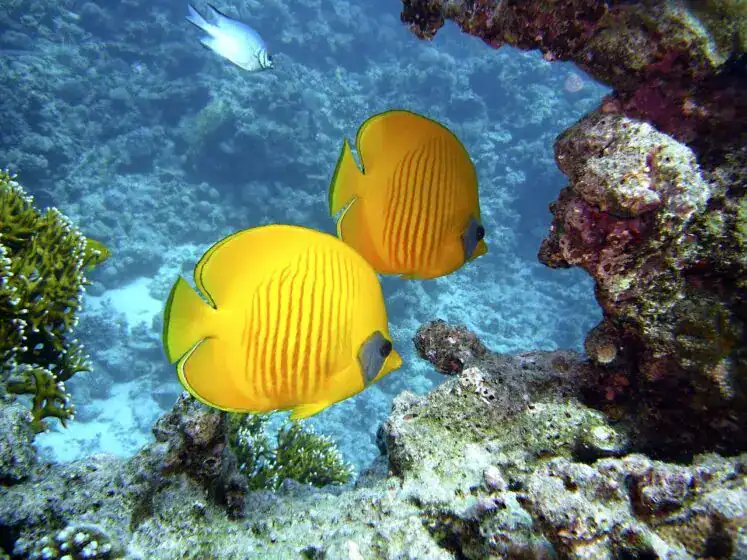
The Red Sea is known for coral reefs and a lot of fish, and Egypt’s dive sites give you a good chance of seeing turtles, rays, reef sharks, octopuses, nudibranchs, and seahorses. Some sites are better for small reef life, while others are known for larger species that pass through deeper water.
More than 1,200 fish species and over 200 coral species are reported in the Red Sea, which explains why no two dives feel the same. Angelfish, clownfish, and parrotfish are common sights on reef dives, while open-water sites can bring bigger surprises.
How do you choose the right site for your level?
The right dive site depends on your training, comfort in current, and whether you want shore access or a boat ride. New divers usually do best on shallow reefs and protected sites, while advanced divers can look for drift dives, walls, and deeper wrecks where conditions change faster.
- Choose Hurghada or calmer Sharm El Sheikh reefs if you want easier entries and a gentler pace.
- Choose Marsa Alam if you want more remote sites and you are comfortable with deeper or more exposed water.
- Choose Dahab only if you understand the Blue Hole’s advanced reputation and your operator matches the site to your level.
- Ask the dive center about current, depth, and visibility before you commit to a site.
What should you know before you dive?
Good planning makes a Red Sea dive trip smoother. Certified operators matter, gear checks matter, and your own comfort level matters more than chasing a famous site. A safe trip starts with the right match between diver and location, not with the most dramatic name on the map.
- Book with a certified dive operator and ask about instructor experience.
- Check rental gear carefully before you leave the dock.
- Stay within your comfort zone, even if the boat is heading to a famous wreck or wall.
- Hydrate well and avoid alcohol before diving.
- Do not touch coral, marine animals, or the seabed.
Can beginners dive in Egypt’s Red Sea?
Beginners can dive in Egypt’s Red Sea, and many do. Hurghada and some Sharm El Sheikh reefs are the easiest places to start because operators can choose sheltered sites, shorter depths, and simple boat routines that keep the day calm and manageable.
New divers should still be honest about comfort, equalization, and recent certification. A good operator will adjust the plan, and Egypt is one of the easier places to build confidence because so many sites are set up for guided dive days.
How should you plan a Red Sea diving vacation?
A Red Sea diving vacation works best when you pick one base and build the trip around it. Sharm El Sheikh suits reef-focused diving, Hurghada suits easy logistics, Marsa Alam suits quieter and more advanced diving, and Dahab suits experienced divers who want a different pace and a famous challenge site.
Discovery Tours Egypt can help organize dive-focused travel with local Egyptologist guides and practical trip planning in Egypt. That is useful if you want diving combined with hotels, transfers, or other sightseeing before or after your time in the water.
Plan with us
Best Scuba Diving Sites in the Red Sea
Plan a Red Sea dive trip in Egypt with the best scuba diving sites, what you will see, and which spots fit your skill level.