
Hero image: Panoramic view of the Red Sea coastline
To read Egypt’s past and present you need to follow the Red Sea – a narrow, ancient corridor of water that has shaped trade, pilgrimage, strategic power and coastal communities for thousands of years. This guide walks through the sea’s geological beginnings, the peoples and goods that followed its shores, its remarkable marine life, and practical advice for travelers who want to experience that layered history firsthand.
Context & Background: Why the Red Sea Matters
Image: Context & Background – sweeping view of coastline and shoreline features
A Sea Between Worlds
Lying between northeastern Africa and the Arabian Peninsula, the Red Sea has long acted as a natural corridor linking Egypt to the Levant, Arabia and the wider Indian Ocean world. Its narrow, deep and relatively sheltered geography made coastal passage far easier than crossing the vast deserts inland.
Across inscriptions, religious texts, travelers’ accounts and contemporary shipping logs, the Red Sea shows up repeatedly as:
- A trade highway for spices, incense, gold and luxury goods
- A religious and mythic landscape for multiple faiths
- A strategic maritime route that shaped empires and modern states
- A biologically rich marine environment formed over millions of years
Few seas combine striking natural beauty, deep spiritual resonance and sustained geopolitical importance the way the Red Sea does.
Image: What is the history of the Red Sea coastline
Geological Origins and Marine Life
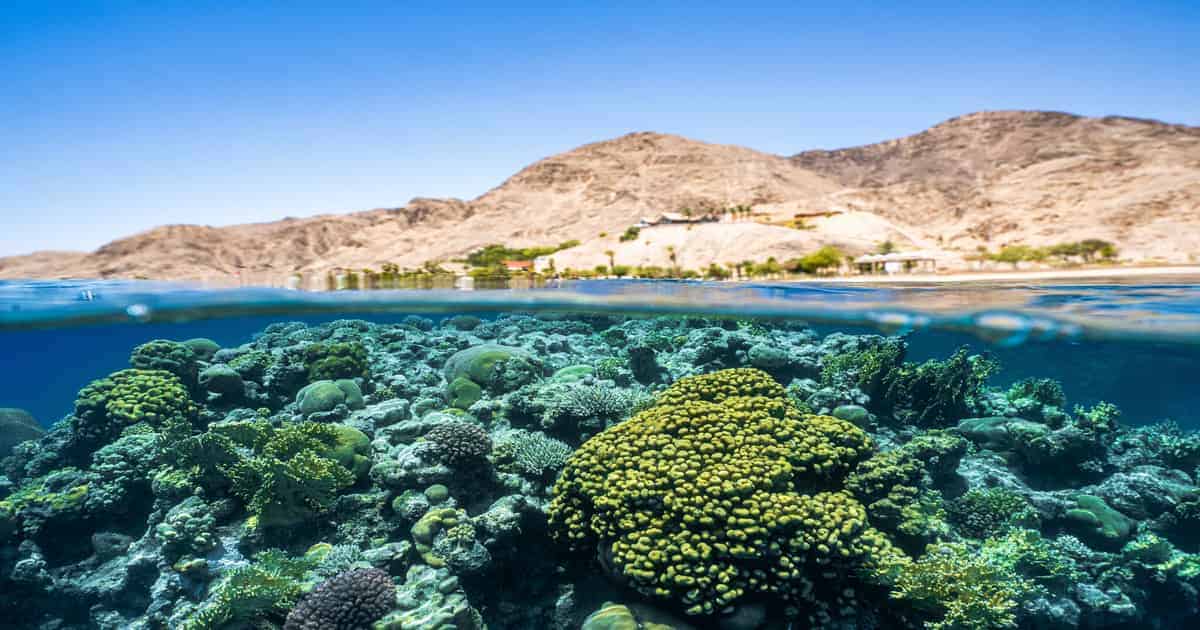
Image: Geological formations and vibrant reef life
A young sea born of a rift
The Red Sea is geologically young compared with many other seas. It formed as the African and Arabian tectonic plates pulled apart, creating a rift and a long, narrow basin. Volcanic activity and deep basins are part of that origin story – and they influence everything from circulation patterns to the habitats that developed along the coast and on islands.
Coral reefs, endemics and ecological resilience
Warm, salty waters and relative isolation produced one of the world’s richest reef systems. The Red Sea hosts many endemic species and coral communities that, in some places, have shown remarkable resilience to warming compared with reefs elsewhere – a key reason diving and marine tourism are central to coastal economies.
That resilience isn’t guaranteed: reefs and coastal habitats face pressures from development, pollution and climate change. Conservation efforts and responsible tourism practices are essential to protect biodiversity – and to keep the visitor experience world-class.
What Is the History of the Red Sea? A Journey Through Time
Image: Layers of Red Sea history – coastline, ports and ships
The Red Sea in Ancient Egypt
For ancient Egyptians the Red Sea was more than a shoreline – it was the route to exotic resources and distant lands. Excavations at ports such as Wadi el-Jarf and the ancient harbor of Berenice show organized state voyages, shipbuilding and the movement of people and goods toward the Horn of Africa and beyond.
Goods brought through Red Sea connections included:
- Gold, ivory and exotic animals
- Frankincense, myrrh and other resins
- Rare timbers and botanical materials used in ritual and luxury craft
Iconic reliefs – notably those at Queen Hatshepsut’s temple – depict seafaring and exotic gifts, underscoring the maritime sophistication of New Kingdom Egypt.
Greek, Roman and Indian Ocean trade
From the Hellenistic era through Roman rule, the Red Sea was a primary artery into the Indian Ocean trading network. Merchants from Egypt, the Levant and the Mediterranean used Red Sea ports to reach spices, silks and gems from South and Southeast Asia, relying on seasonal winds and coastal landmarks recorded in ancient maritime guidebooks.
Religion, Pilgrimage and Medieval Control
Biblical resonance and sacred geography
The Red Sea appears in the religious imaginations of Judaism, Christianity and Islam – most famously in Exodus traditions where a sea crossing symbolizes liberation. Scholars debate the precise historical and geographic details, but the sea’s spiritual significance has shaped pilgrimage routes and cultural memory across the region.
Islamic era, pilgrimage and Ottoman oversight
Following the rise of Islam, Red Sea ports linked the commercial and religious worlds of the Islamic sphere. Pilgrims bound for Mecca often moved through Egyptian ports, and coastal cities developed as hubs of exchange. In later centuries the Ottoman Empire and competing regional powers worked to secure these routes, fortifying ports and shaping trade.
The Suez Canal and the Modern Transformation
The opening of the Suez Canal in the nineteenth century transformed the Red Sea’s global role. Where coastal routes had linked regional markets for millennia, the canal created a direct maritime corridor between Europe and Asia that dramatically increased shipping traffic, strategic interest and the sea’s geopolitical significance.
Today the Red Sea sits at the intersection of global trade, regional geopolitics and energy transit – a combination that keeps it central to naval planning, international shipping and diplomatic attention.
Our Cairo-based team – with offices in Luxor, Aswan, Hurghada, Marsa Alam and Sharm El Sheikh – coordinates itineraries that link inland heritage with coastal nature, reflecting how the Red Sea still connects different strands of Egypt’s identity.
How to Experience the Red Sea Today
Where to start
You can explore the Red Sea’s story in many ways: visit coastal archaeology at ancient ports, study maritime collections in city museums (including the Grand Egyptian Museum in Cairo), take day trips to historic monasteries, or dive and snorkel among coral architecture and wrecks. Many travelers pair Cairo or Luxor’s monuments with a few Red Sea days to combine cultural context and marine experiences.
Recommended experiences
- Visit coastal archaeological sites and ports with a guide who can explain ancient trade networks
- See regional museum collections – plus the Grand Egyptian Museum in Cairo – to trace maritime connections across millennia
- Join guided diving or snorkeling trips to observe reefs, wrecks and endemic marine life
- Book a combined itinerary that pairs Cairo or Luxor monuments with Red Sea leisure and exploration
Work with Egypt travel specialists or an Egypt-based tour operator to make sure archaeological visits and marine activities are responsibly organized – and to confirm local access rules or seasonal variations. Always check current conditions before you travel.
Practical travel tips
- Best seasons depend on your plans – winter and spring are popular for diving and sightseeing; consider U.S. travel rhythms like Thanksgiving, spring break and winter break when booking
- Bring reef‑safe sunscreen, a hat and lightweight sun protection for both desert and sea activities
- Pair museum visits in Cairo (including the Grand Egyptian Museum) with coastal excursions so you get historical context before diving in
- Follow local rules for marine protected areas and fishing communities; practice responsible wildlife viewing and check CDC travel guidance before you go
FAQ – Quick answers
Why is the Red Sea historically important?
Because it linked Africa, Arabia and Asia for centuries – facilitating trade, religious travel and cultural exchange – and later became central to global shipping once the Suez route opened.
Did ancient Egyptians use the Red Sea?
Yes. Archaeology shows state-sponsored voyages, shipbuilding and active ports. Texts and temple reliefs document journeys to places that supplied luxury goods and ritual materials.
Can I explore Red Sea history during my trip to Egypt?
Absolutely. Many itineraries combine Cairo or Luxor’s archaeological highlights with coastal museums, ancient ports and marine excursions. Work with Egypt travel specialists and check current details to build the right balance for your travel dates.
The Red Sea’s story is both geological and human. From a rift‑born basin to a conduit for trade and pilgrimage, then a cornerstone of modern commerce and a refuge for extraordinary marine life, the Red Sea remains a place where past and present meet. Exploring it responsibly gives travelers a rare chance to combine natural wonder with deep historical connection in the same trip.
Plan with us
The History of the Red Sea: Trade, Faith, Reefs
Explore the Red Sea’s geological birth, ancient trade corridors, sacred stories and resilient coral reefs. Plan coastal visits and dives with Egypt travel specialists.