
What makes Nubian culture near Aswan worth seeing?
Nubian culture near Aswan is worth seeing because it is living culture, not only museum history. Visitors find painted village houses, family homes, music, food, and river life in one place. Discover Egypt’s Unique Nubian Culture means seeing how people still live with strong traditions along the Nile.
The source article places that experience in southern Egypt, especially around Aswan and the Nubian villages nearby. A boat ride, a walk through village lanes, and a home visit can all fit into the same outing. The setting is calm, personal, and very different from Egypt’s big ancient sites.
Where can you experience Nubian villages near Aswan?
Nubian villages near Aswan are the main place travelers go for a direct look at Nubian daily life. The source names Gharb Soheil, which sits a short boat ride from Aswan. Village streets are known for bright house colors, local markets, and homes that welcome guests for tea or a meal.
That part of the trip matters because the experience is not limited to sightseeing. You are moving through a lived-in community where people speak, cook, and work in ways shaped by the Nile. The atmosphere feels relaxed, but the details are specific and local.
What will you see and do on a Nubian culture visit?
A Nubian culture visit usually mixes river travel, home visits, food, and music. The source highlights karkade, or hibiscus tea, traditional music with tar and kisir instruments, basic Nubian language, and local handicrafts. Those are the parts that help travelers understand the culture quickly.
- Drink karkade with a local family in a traditional home.
- Hear Nubian songs and music played with tar and kisir instruments.
- See beadwork and other handmade crafts made by local artisans.
- Learn a few words of the Nubian language.
- Try local food such as fattah, a layered dish with bread, rice, and meat.
The best visits keep the pace slow enough to notice small things. Painted walls, spice smells, bread baking, and conversation matter as much as the main stops. A good guide can explain what you are seeing without turning the visit into a rushed checklist.
What is special about Nubian food and music?
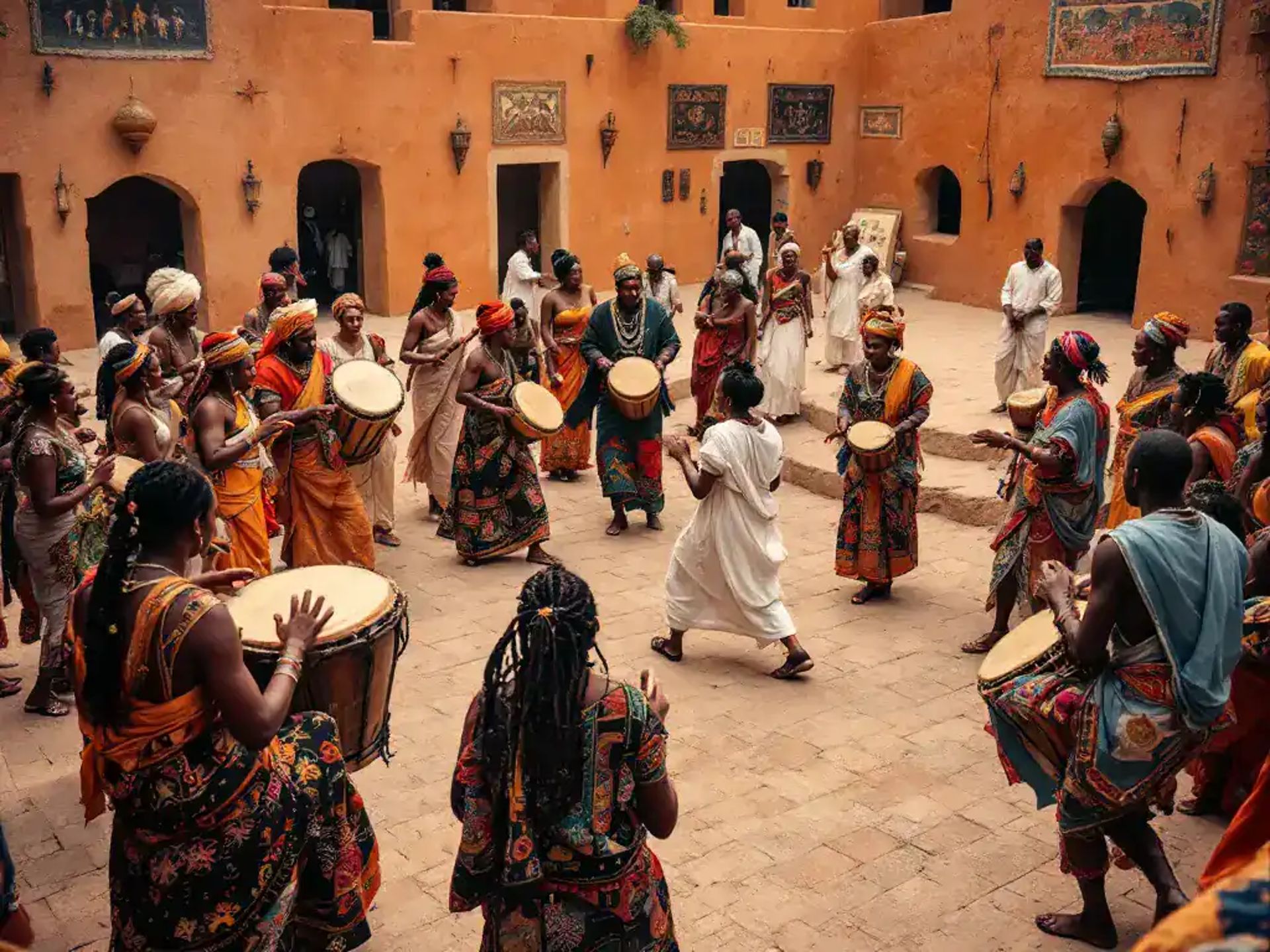
Nubian food and music are part of daily life, not only performance. The source mentions karkade, freshly baked sun bread, and fattah, plus traditional sessions with tar and kisir. Food and music often happen inside homes, which makes the visit feel personal and direct.
Nubian cooking tells a story of continuity. Meals are often prepared with family stories in the room, and music adds another layer of memory and identity. Travelers who care about local culture usually remember these moments more than any photo stop.
When is the best time to visit Nubia near Aswan?
October through April is the best time to visit Nubia near Aswan because the weather is milder for walking, boat rides, and village visits. Summer in Upper Egypt can feel very hot, so outdoor time is less comfortable. Cooler months make slow sightseeing easier and more enjoyable.
That timing also helps if you want a felucca ride at sunset. The source opens with the Nile at dusk, which is a strong clue about the kind of atmosphere travelers should expect. Late afternoon and early evening are often the nicest hours for light, photos, and river views.
How can you plan a Nubian culture trip with more depth?
A deeper Nubian culture trip should include a guide, a village visit, and enough time to sit down with local people. Discovery Tours Egypt is based in Egypt and uses local Egyptologist guides, which helps travelers get context instead of only photos. The source also points to specialized cultural experiences in the Aswan area.
Travelers who want a fuller Egypt trip can pair Aswan with other places on the Nile. Nile cruise routes and guided day tours work well for that kind of planning. The result is a trip that connects Nubian culture with the wider history of southern Egypt.
- Plan a half day or full day around Aswan and nearby villages.
- Choose a local guide who can explain customs, music, and food.
- Leave time for a boat ride on the Nile.
- Ask in advance about home visits, meals, or seasonal celebrations.
What should you skip or watch for?
Travelers should skip rushed visits that treat Nubian villages like a quick photo stop. Nubian culture is easiest to understand when you spend time talking, eating, and listening. A short visit can still be worthwhile, but it will feel thinner than a proper cultural stop with local context.
Crowded timing can also matter. Late afternoon often feels best, while midday heat can make walking less pleasant. If your schedule is tight, focus on one village, one home visit, and one river ride instead of trying to pack in too much.
Plan with us
Discover Egypt’s Unique Nubian Culture in Aswan
Explore Nubian villages near Aswan, local food, music, crafts, and Nile-side traditions on a cultural trip through southern Egypt.