
Why do Luxor and Aswan matter to a Nile trip?
Luxor and Aswan matter because they hold the most important temple and tomb sites on a classic Nile route. Advice for visiting pyramids 2023 often leads travelers here next, since these two cities work best as part of a guided cruise or a carefully planned overland trip.
Luxor sits on ancient Thebes, the religious center of pharaonic Egypt. Aswan marks Egypt’s southern frontier and gives you access to Nubian culture, river islands, and temples that were rescued from flooding.
What should you see in Luxor?
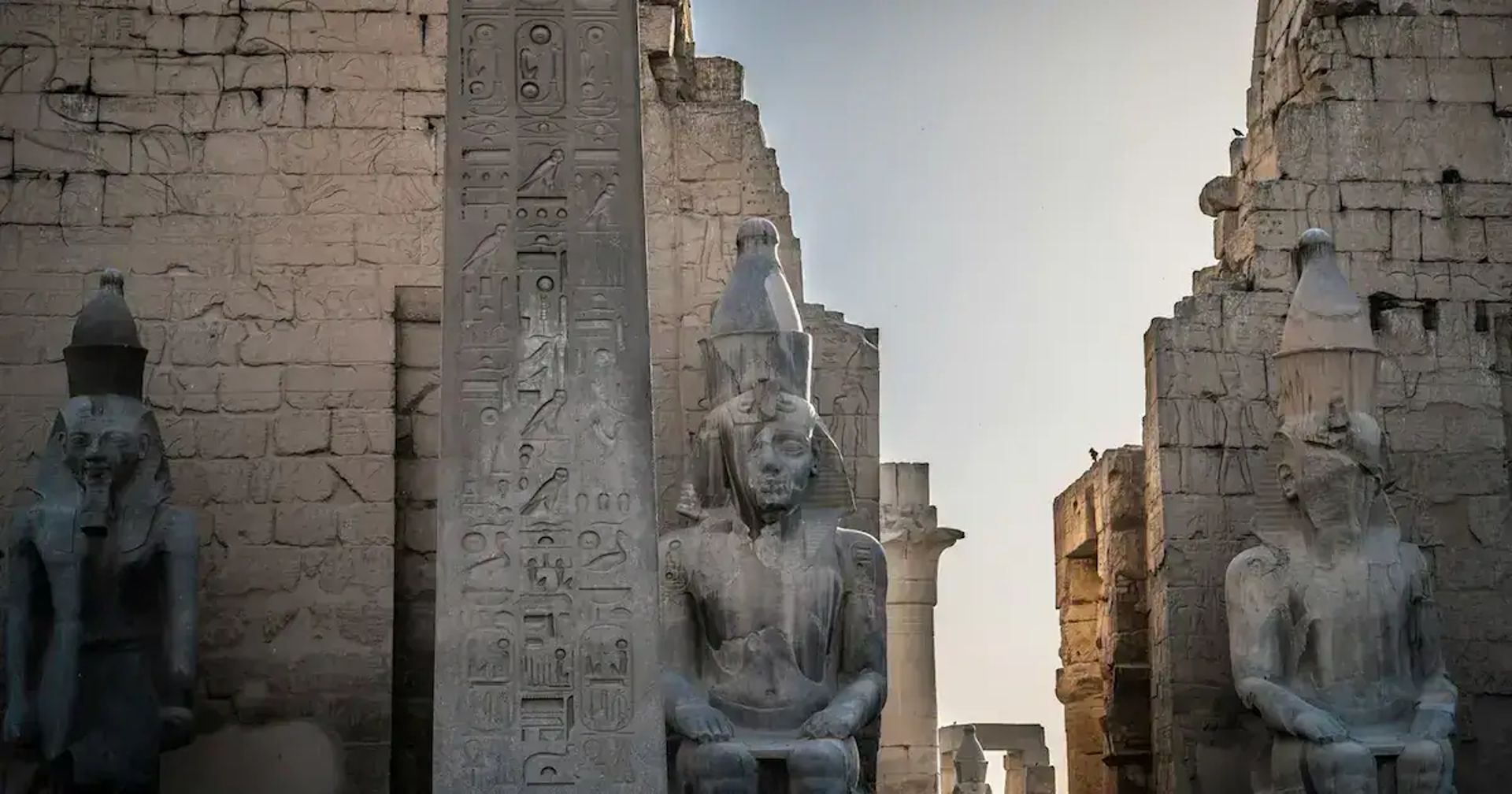
Luxor is the city most travelers remember after they leave Egypt. Karnak Temple, Luxor Temple, the Valley of the Kings, Hatshepsut’s Mortuary Temple, and the Colossi of Memnon are the main names to know before you go.
Karnak is the largest temple complex in Egypt and the best place to understand how Pharaohs added to a sacred site over centuries. Luxor Temple is smaller and easier to walk, and it feels especially strong at night when the stone is lit.
- Karnak Temple for scale and column halls
- Luxor Temple for an evening visit
- Valley of the Kings for royal tombs
- Hatshepsut’s Mortuary Temple for cliffside architecture
- Colossi of Memnon for a quick photo stop
What do travelers see between Luxor and Aswan?
The stretch between Luxor and Aswan is a working part of the trip, not dead transit time. Edfu Temple and Kom Ombo Temple are the two main stopovers, and many Nile cruises also pass small river islands and farming villages that give the trip its pace.
Edfu is dedicated to Horus and is one of the most complete temples in Egypt. Kom Ombo is unusual because it is split between Sobek and Horus, and that double dedication shows up in the layout and the carvings you see on site.
Kalabsha Temple near Aswan is another important stop tied to the Nubian salvage campaign. The temple was moved to protect it when the Aswan High Dam changed the river.
What makes Aswan different from Luxor?
Aswan feels quieter, warmer, and more relaxed than Luxor. Travelers usually notice the slower pace first, then the river views, the Nubian heritage, and the island setting around Philae Temple and Elephantine Island.
Philae Temple is one of Aswan’s main sites and is dedicated to Isis. The temple was relocated to save it from flooding, and that rescue story is part of why the visit matters, not just the stone itself.
Other important stops in Aswan include the Aswan High Dam, the Nubian Museum, Qubbet el-Hawa, and, if your schedule allows, Abu Simbel as a separate early start from the city.
What is the best advice for visiting pyramids 2023 if you are also going to Luxor and Aswan?
The best advice for visiting pyramids 2023 is to slow down and plan the Nile leg with real travel time, not wishful thinking. Luxor and Aswan reward early starts, calm pacing, and a guide who can explain why each site matters.
October through April is the most comfortable time to visit. Summer is still possible, but heat makes long outdoor stops harder, especially on the West Bank in Luxor and during midday temple visits in Aswan.
A 4-night cruise usually covers Luxor, Edfu, Kom Ombo, and Aswan. A longer itinerary gives you more time for temple visits, river watching, and less rushed mornings.
- Visit major sites early in the morning when the stone is cooler
- Keep one day flexible for Abu Simbel if you want it
- Choose a river-facing cabin if you are on a cruise
- Pack modest clothing for temple visits
- Bring a hat, sunscreen, and comfortable walking shoes
Do you need an Egyptologist in Luxor and Aswan?
An Egyptologist is one of the best reasons to book a guided trip in Luxor and Aswan. The sites are large, and the carvings, rituals, and royal names make more sense when someone on the ground explains the order of what you are seeing.
Discovery Tours Egypt uses local Egyptologist guides, which helps with both timing and context. A good guide also keeps the day organized, so you spend more time at the important stops and less time guessing where to go next.
How long should you stay in Luxor and Aswan?
Most travelers need at least a few nights to do Luxor and Aswan well. A 4-night cruise fits the main route, while a 7-night itinerary gives you more breathing room and a better chance to enjoy the river instead of rushing past it.
Shorter trips work if your goal is the major temples only. Longer trips work better if you want time for sunrise views, a slower visit to Aswan, or an extra stop such as Abu Simbel.
What should you pack for temple visits and a cruise?
Pack for sun, walking, and long days outdoors. Light clothing works best during the day, but you should also bring modest layers for temple visits, since many travelers prefer covered shoulders and knees in sacred sites.
A hat, sunglasses, sunscreen, and sturdy shoes make a real difference on stone paths and uneven ground. A small flashlight or phone light can help on dim paths after sunset or before dawn, especially around hotel and boat transfers.
Why choose Discovery Tours Egypt for this route?
Discovery Tours Egypt is a local Egypt-based travel company with Egyptologist guides, so the trip stays focused on the actual sites and the order that works on the ground. That matters in Luxor and Aswan, where timing, transport, and site flow change the whole day.
The company can also help travelers connect a Nile cruise with broader Egypt trips, including Cairo or Abu Simbel, without turning the route into a rushed checklist. That is the difference between seeing the names and understanding the place.
Plan with us
Advice for Visiting Pyramids 2023: Luxor and Aswan Guide
Advice for visiting pyramids 2023 and planning Luxor and Aswan? Use this Egyptologist-guided guide for temples, cruises, timing, and packing.