
Egypt is visitable year-round, but what you get out of the trip depends a lot on when and where you go. This guide lays out each month with practical notes for Cairo, the Nile Valley (Luxor/Aswan) and the Red Sea resorts so you can align weather, crowds and events with your travel priorities.
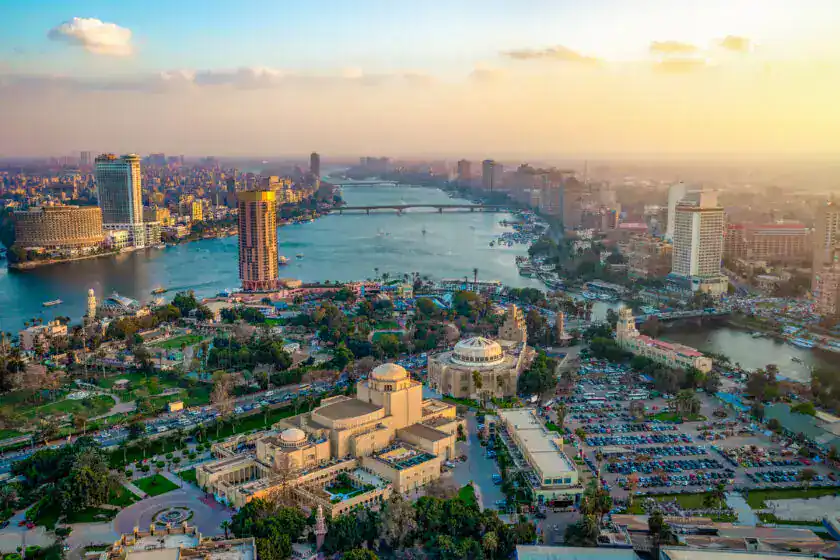
View of the Pyramids of Giza at sunrise
Quick overview: seasons and how regions differ
Quick overview: seasons and how regions differ
Egypt’s climate is mainly desert, but three travel microclimates matter most: the Nile Valley (Cairo, Luxor, Aswan), the Mediterranean north (Alexandria), and the Red Sea coast (Hurghada, Sharm El Sheikh, Marsa Alam). October through April usually delivers the most comfortable temperatures for sightseeing; May to September brings strong heat inland while the Red Sea benefits from sea breezes and excellent underwater visibility.
Month-by-month: what to expect in Cairo, Luxor (Nile Valley) and the Red Sea
Month-by-month: what to expect in Cairo, Luxor (Nile Valley) and the Red Sea
January
Cairo: Cool, comfortable days and crisp evenings—ideal for museums and the Giza Plateau. Luxor/Aswan: Great for temple visits and Nile cruising; mornings are often the best time to be outside. Red Sea: Mild air temperatures and clear water make this a solid month for diving.
February
Cairo: Still in the cool season—comfortable for long walks and outdoor sites. Luxor/Aswan: Excellent for full days of sightseeing and Nile cruises; the Abu Simbel Sun Festival falls around February in alignment years—check the calendar. Red Sea: Top diving conditions and pleasant beach days.
March
Cairo: Warming up—great for long walking tours and outdoor sites. Luxor/Aswan: One of the best months to visit temples before the summer heat sets in. Red Sea: Sea temperatures rise and visibility stays strong, a favorite time for divers and snorkelers.
April
Cairo: Warm but generally comfortable; pollen can increase in some spots. Luxor/Aswan: Excellent early in the month—late April can feel noticeably hot. Red Sea: Ideal for beaches and water sports; shoulder-season crowds begin to grow.
May
Cairo: Warm to hot—sightseeing is still doable if you schedule activity for mornings and evenings. Luxor/Aswan: Heat ramps up quickly; plan early starts and shorter excursions. Red Sea: A refreshing escape from inland heat; resorts feel comfortable and underwater visibility is excellent.
June
Cairo: Hot—avoid midday for outdoor sites. Luxor/Aswan: Very hot; river cruises are popular because cabins stay cool. Red Sea: Peak season for beach holidays—low humidity and sea breezes help with comfort.
July
Cairo: High temperatures—plan sightseeing early or late in the day. Luxor/Aswan: Expect intense heat—air-conditioned transport and regular rest breaks are essential. Red Sea: Still popular for diving and beach vacations; schedule activities for the cooler parts of the day.
August
Cairo: Hottest month—indoor museums and air-conditioned stops are often the best option. Luxor/Aswan: The Nile can appear especially lush after rains upstream—check current details before you go. Red Sea: Excellent diving and beach conditions continue.
September
Cairo: Temperatures start to ease—by late September it’s again pleasant for sightseeing. Luxor/Aswan: Still warm but cooling; evenings are more comfortable. Red Sea: An excellent month for diving—warm water and high visibility.
October
Cairo: One of the best months for outdoor sightseeing—pleasant and dry. Luxor/Aswan: Comfortable and ideal for temple visits and longer Nile cruises. Red Sea: Warm water and superb visibility; shoulder-season crowds make October popular.
November
Cairo: Cooler, comfortable days for long city walks and markets. Luxor/Aswan: Excellent for exploring ancient sites with lower heat stress. Red Sea: Warm and inviting—great for water sports and relaxation.
December
Cairo: Mild winter conditions—very good for sightseeing and cultural activities. Luxor/Aswan: Comfortable daytime temperatures for ruins and cruising. Red Sea: Cooler evenings but still great for beaches and diving; the festive season increases demand—check availability before you travel.
Festivals, religious observances and seasonal events
Festivals, religious observances and seasonal events
Key events can shape your trip: the Abu Simbel Sun Festival (held around February and October on dates aligned with the temple), Ramadan (moves each year with the lunar calendar), and local cultural festivals along the Nile. These affect crowd levels, business hours and the evening atmosphere—always check current dates when planning.
Crowds, prices and Nile water notes
Peak tourist season (roughly October–April) brings the best weather for sightseeing but also higher demand for hotels, Nile cabins and guided tours. Summer months usually mean lower rates and greater availability, especially for inland touring outside Red Sea resorts. Note on the Nile: the river’s traditional annual peak follows summer rains upstream, which can make riverbanks greener in late summer—check recent hydrological updates or your cruise operator for current conditions.
Choosing the best month for your priorities
If comfortable sightseeing across Cairo and the Nile Valley is your priority, aim for October–April. To avoid crowds and pay less, consider late spring or summer but plan activities for early morning or evening to beat the heat. For Red Sea diving and beach holidays, spring and autumn usually offer the best blend of water clarity and comfortable air temperatures.
Practical planning tips
- Travel windows: Book popular attractions and Nile cruises well in advance for October–April; check current opening hours and event dates before you go.
- Daily schedule: In hot months, plan outdoor visits for early morning or late afternoon and use mid-day for museums, shops or rest.
- Respect local customs: If your trip overlaps with Ramadan, daytime dining options may be limited and evenings become lively—plan accordingly.
- Health & comfort: Check CDC travel guidance and recommended vaccines before departure; bring sun protection, a hat and a refillable water bottle year-round; pack a light jacket for cool desert or Nile-valley nights.
- Diving and snorkelling: For the Red Sea, consult local dive operators about best visibility windows and seasonal marine highlights; if flying from the U.S., note that many flights connect overnight through hubs such as FRA, IST or DXB—plan for jet lag and arrival recovery.
Frequently asked questions
Can I visit Egypt comfortably in summer?
Yes—many travelers choose summer for lower prices and quieter sites. Inland areas can be very hot, so structure days around cooler periods and use air-conditioned transport. Red Sea resorts remain popular because sea breezes and resort amenities make beach and diving options comfortable.
When is the Nile at its highest?
Traditionally the Nile’s annual high follows summer rains upstream, so late summer months often show the greenest riverbanks. For current river levels and any implications for cruises or shore access, check updates with your cruise operator or local authorities before travel.
Which day is best to visit the Pyramids?
Weekdays outside major holidays are usually less crowded; early mornings offer cooler temperatures and softer light for photos. Confirm current ticketing and opening information before your visit.
How Egypt travel specialists can help
An Egypt-based tour operator with headquarters in Cairo and regional offices in Luxor, Aswan, Hurghada, Marsa Alam and Sharm El Sheikh can advise on the best timing for your interests, arrange local logistics, and provide up-to-date information on events, site access and seasonal conditions. Their local presence helps tailor itineraries around weather windows, festival dates and personal comfort.
Plan with us
Best Time to Visit Egypt: A Month-by-Month Guide for Cairo, Luxor & the Red Sea
Month-by-month guide to Egypt for U.S. travelers—Cairo, Luxor and the Red Sea—covering weather, festivals, crowds and practical planning tips. Book smart, travel prepared.