
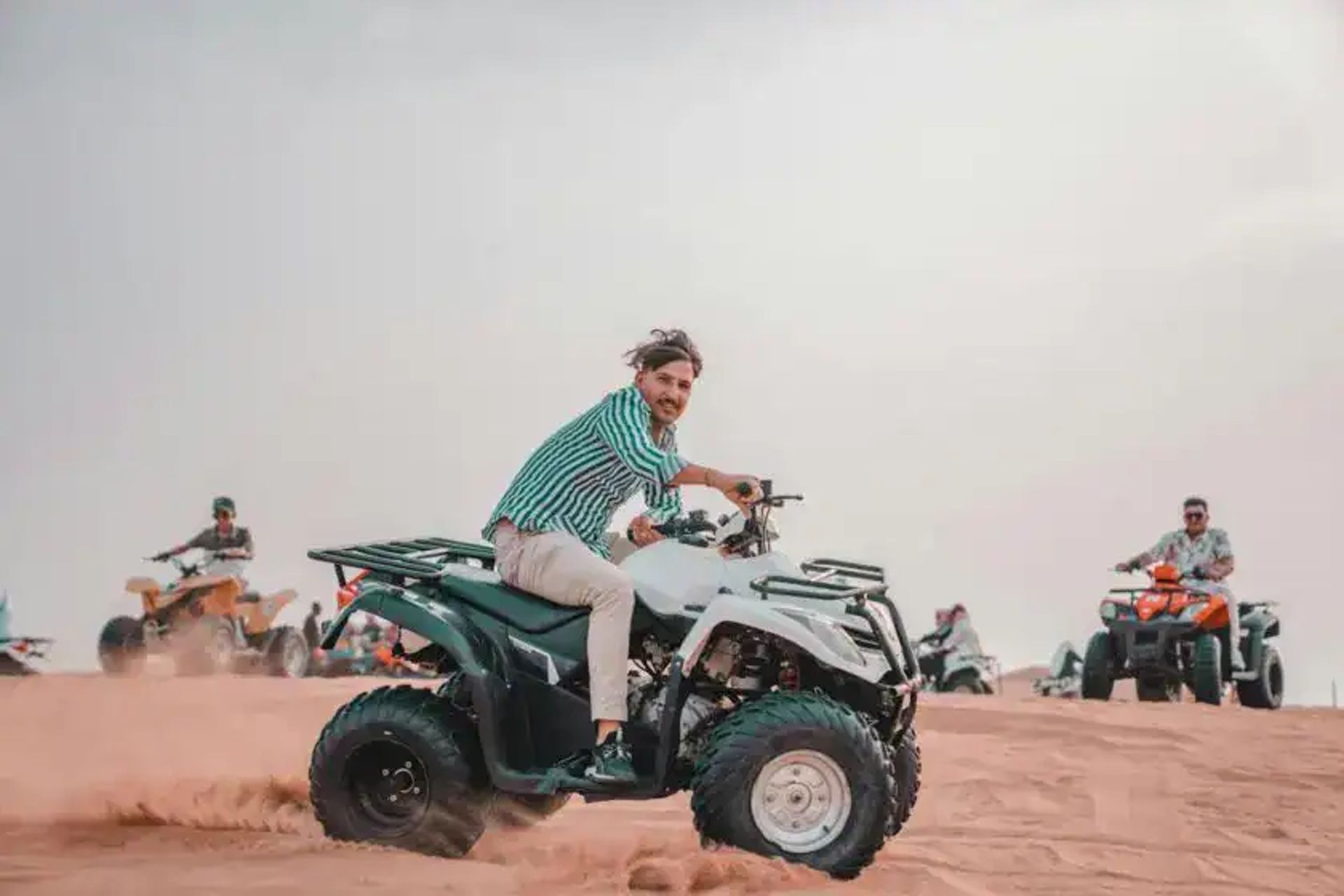
What makes a desert adventure safari in Egypt worth doing?
A desert adventure safari in Egypt is worth doing because it gives you a fast change of pace from the Nile Valley and the cities. The desert feels open, quiet, and direct. You move from dune driving and quad biking to camel riding and sunset stops, all in one outing.
Discovery Tours Egypt builds these trips around local guides, safe routes, and simple desert experiences that feel real. The source article centers on the same mix: adrenaline on the sand, quiet sunrise or sunset moments, and time under clear night skies.
What do you actually do on a desert safari?
A typical desert safari in Egypt puts you in motion right away. You may ride in a 4x4 across the sand, try quad biking on marked routes, then slow down for a camel ride and a tea break. That mix keeps the trip active without feeling rushed.
- 4x4 dune driving for the fastest way across open sand
- Quad biking for a hands-on ride with a guide nearby
- Camel riding for a slower, more traditional desert moment
- Sunrise or sunset stops for the best light and cooler air
- Tea, camp-style meals, or stargazing on longer evening outings
The best part is the pacing. You do not spend the whole trip on one activity. A good guide changes the rhythm so the outing stays fun, safe, and easy to follow, even if you have never ridden a quad before.
When is the best time for a desert safari in Egypt?
October through April is the most comfortable period for a desert safari in Egypt. Morning and evening temperatures are easier to handle, and the dry air makes outdoor time more pleasant. Midday heat can be strong, so early departures usually feel better.
Sunrise and sunset are the best windows for photos and for plain comfort. The light is softer, the sand is cooler, and the desert looks cleaner in color. Daytime trips can still work, but they need more sun protection and more water.
Is a desert safari good for beginners?
A desert safari is a good fit for beginners because the guide handles the route and the pace. The source article says quad biking does not require previous experience, and instructors give a safety briefing before the ride starts. That makes the activity accessible for first-timers.
Camel rides are also easy to join, though they feel very different from quad biking. Camels move with a rolling gait, so the first few minutes can feel odd. After that, most travelers settle into the rhythm and enjoy the slower pace.
What should you pack for a desert safari?
You should pack light, loose clothing, sunscreen, a hat, and a camera for a desert safari in Egypt. The desert heat, wind, and bright sun make those basics more useful than heavy gear. Closed shoes are also smarter than sandals for sand and vehicle movement.
- Light clothing that covers your skin
- Sunscreen and a hat
- Closed shoes for walking and riding
- A camera or phone with a full battery
- Water, if your operator does not already provide enough
The source article says the trip includes necessary equipment and safety gear, so you usually do not need to bring special riding equipment. Still, a scarf or sunglasses can make the wind and glare easier to handle.
What happens at sunset and after dark?
A desert safari often becomes calmer and more atmospheric at sunset. The source article describes Bedouin tea, a camp stop, and a sky full of stars once darkness settles. That part of the trip is quieter than the ride out, and many travelers remember it most clearly.
Longer desert evenings can include a meal and time around a fire. The article also mentions stargazing with expert guides who point out constellations and share celestial stories from Egyptian and Bedouin traditions. The setting matters as much as the activity.
How should you choose a desert safari operator?
Choose a desert safari operator that uses local guides, gives clear safety briefings, and plans routes that match your comfort level. Discovery Tours Egypt focuses on Egypt-based guiding and practical desert logistics, which matters when you want the day to run smoothly.
Look for an itinerary that tells you what is included, when the rides happen, and whether the evening includes tea, a meal, or stargazing. Clear planning is more useful than long sales language. A good operator should make the day easy to picture before you book.
How does a desert safari fit into a bigger Egypt trip?
A desert safari fits well between Cairo sightseeing, Nile Valley travel, or a beach stay on the Red Sea. The experience is different from temples and museums, so it gives your trip another side of Egypt. Many travelers use it as a one-day break from monument-heavy sightseeing.
If you are building a longer vacation, pair a desert outing with other Egypt experiences that match your pace. Day tours work well for short add-ons, while multi-day Egypt trips and Nile cruises suit travelers who want a fuller route through the country.
Plan with us
Why Egypt's Desert Adventure Safari Is a Must-Do
Plan a desert adventure safari in Egypt with dune rides, camel time, and desert sunsets. See when to go and what to expect.