
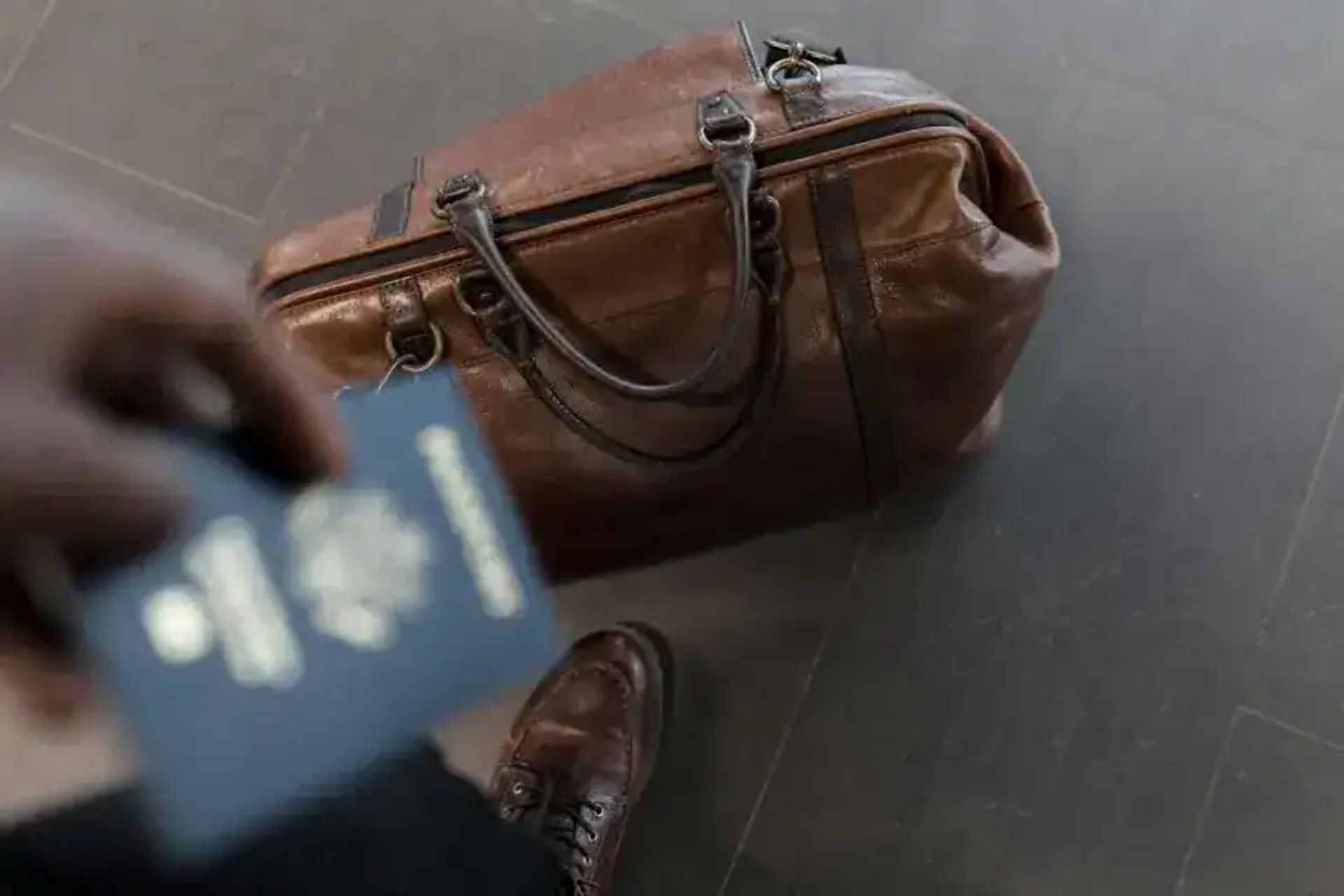
What should you pack for an Egypt cruise?
Packing for Egypt cruise travel means preparing for sun, walking, and modest dress at temple stops. A good bag holds light clothes, comfortable shoes, sun gear, documents, and a few practical extras. Nile cruise days feel easier when you pack for both the ship and the shore.
Egypt’s heat can feel strong in the afternoon, while early mornings on the river can feel cooler. The right packing list helps you move between deck time, coach rides, and sightseeing without overpacking or missing something useful.
What clothes work best on an Egypt cruise?
Light, breathable clothing works best on an Egypt cruise because the daytime heat can be intense. Cotton and linen are smart choices. Loose shirts, easy pants, and long skirts help you stay cool while keeping you covered for temple visits and local stops.
Bring modest outfits that cover shoulders and knees for religious sites and conservative areas. A scarf or shawl is useful because you can add coverage quickly without changing your whole outfit. On the ship, casual clothing is usually fine, but you will still want something neat for dinner.
- 2 to 4 lightweight tops
- 2 to 3 pairs of breathable pants or skirts
- 1 or 2 modest outfits for temple visits
- 1 scarf or shawl
- 1 light layer for cooler evenings
- Swimwear and a cover-up if your ship has a pool
Which shoes should you bring for sightseeing?
Comfortable walking shoes are the best choice for temple visits, city walks, and uneven ground. You will spend time on stone surfaces, sand, and old streets, so shoes with support matter more than fashion. Sandals can work, but closed-toe shoes are safer for long sightseeing days.
Sturdy shoes are especially helpful when you climb in and out of coaches or walk through larger temple sites. If you plan desert activities, a tougher pair can help keep dust out and support your feet. Bring socks that breathe, since heat can build up fast.
What sun protection and day gear do you need?
Sun protection belongs at the top of your packing list for Egypt cruise travel. The sun can be strong on the river and at open archaeological sites, so sunscreen, sunglasses, and a hat make a real difference. A reusable water bottle and daypack also help you get through long sightseeing days.
Pack SPF 30+ sunscreen, a wide-brimmed hat, and UV-protective sunglasses. Add a small backpack for water, snacks, tissues, a charger, and your camera. A refillable bottle is useful when you want to stay hydrated without buying water all day.
- SPF 30+ sunscreen
- Wide-brimmed hat or cap
- UV-protective sunglasses
- Reusable water bottle
- Small daypack or backpack
- Hand sanitizer and tissues
What documents and tech should you pack?
Travel documents and charging gear are easy to forget, but they matter on every Egypt cruise. Keep your passport, visa details, insurance information, and booking confirmations together in one place. Save digital copies too, so you have backups if something gets misplaced.
Egypt uses Type C and F plugs, so a universal power adapter is useful for charging phones, cameras, and tablets. A power bank can also help on long excursion days. If you rely on your phone for maps or photos, bring enough storage and a charging cable you trust.
- Passport and visa details
- Travel insurance documents
- Booking confirmations
- Universal power adapter
- Charging cable and power bank
- Phone or camera with extra storage
What extras make an Egypt cruise easier?
A few small extras make cruise days smoother, especially when you are out for hours at a time. A basic first aid kit, medication you already use, and familiar snacks can save time and stress. These items take little space but often matter most once you are on the road.
Pack bandages, pain relievers, and any prescription medicine in your carry-on bag. Add a few snacks for long transfers or early starts, especially if you do not want to wait for the next meal. A compact pack of wipes can also help after dusty site visits.
What should you skip when packing for Egypt?
Heavy clothes, extra shoes, and bulky bags usually add more trouble than value on an Egypt cruise. Packing too much makes transfers harder and leaves less room for souvenirs. Choose items that work in layers and can handle repeated wear.
Skip formal outfits unless your trip includes a special dinner that needs one. Skip jewelry you do not want to lose, and leave behind any bag that feels awkward to carry through airports or temple entrances. A lighter suitcase is easier to manage on cruise travel.
Plan with us
Packing for Egypt Cruise: What to Bring
Packing for an Egypt cruise is easier with the right clothes, sun gear, and documents. Use this checklist for Nile days, temple visits, and warm evenings.