
What are the best Egyptian archaeological sites to visit?
Egyptian archaeological sites to visit include the pyramids at Giza, the tombs in the Valley of the Kings, and the temple complexes at Karnak and Luxor. Those places give you the clearest view of ancient Egypt’s power, religion, burial customs, and building skill. A good first trip focuses on a small group of sites instead of trying to see everything.
Giza is the best-known stop because the pyramids still dominate the horizon. Luxor gives you the strongest concentration of temples and tombs, and it is where many travelers feel the scale of ancient Egyptian rule most clearly. Tutankhamun’s tomb also matters because its discovery changed modern interest in Egyptian archaeology.
- Giza for the pyramids and the Sphinx area
- Luxor for Karnak Temple and Luxor Temple
- The Valley of the Kings for royal tombs
- Tutankhamun’s tomb for a major archaeological discovery
Why do these sites matter so much?
These sites matter because they show how ancient Egyptians built for religion, the afterlife, and royal power. The pyramids, tombs, and temples are not isolated ruins. They are records of beliefs, labor, planning, and state authority that still shape how travelers understand Egypt today.
The source article points to several core ideas: ancient Egypt made major contributions to art, architecture, mathematics, astronomy, and medicine. That matters on the ground because you can see those ideas in stone blocks, carved walls, burial chambers, and temple alignments. The result is a country where archaeology is part of the travel experience, not just a museum subject.
What should you look for at Giza?
Giza is the clearest place to see why Egypt’s monuments still draw so much attention. The Great Pyramid stands out for its scale and precision, and the site gives you a direct look at how stone architecture became a political statement. Most visitors come for the pyramids first, then stay for the wider complex.
At Giza, focus on the overall layout instead of rushing from one photo stop to another. The pyramids read best when you take a moment to see how they sit together on the plateau. That wider view helps explain why the site has remained central to Egyptian archaeology for generations.
What makes the Valley of the Kings different?
The Valley of the Kings is different because the main attraction is what lies underground. Royal tombs replace giant stone exteriors here, and the carved interiors show how much care ancient Egyptians put into the afterlife. The walls, corridors, and burial chambers are part of the experience.
The tomb of Tutankhamun is the most famous example, and it remains one of the most important finds in Egyptian archaeology. Howard Carter discovered it in 1922, and the nearly intact burial gave scholars a rare look at royal wealth, burial practice, and ancient craftsmanship. That single discovery changed public interest in Egypt.
Why are Karnak and Luxor Temple worth your time?
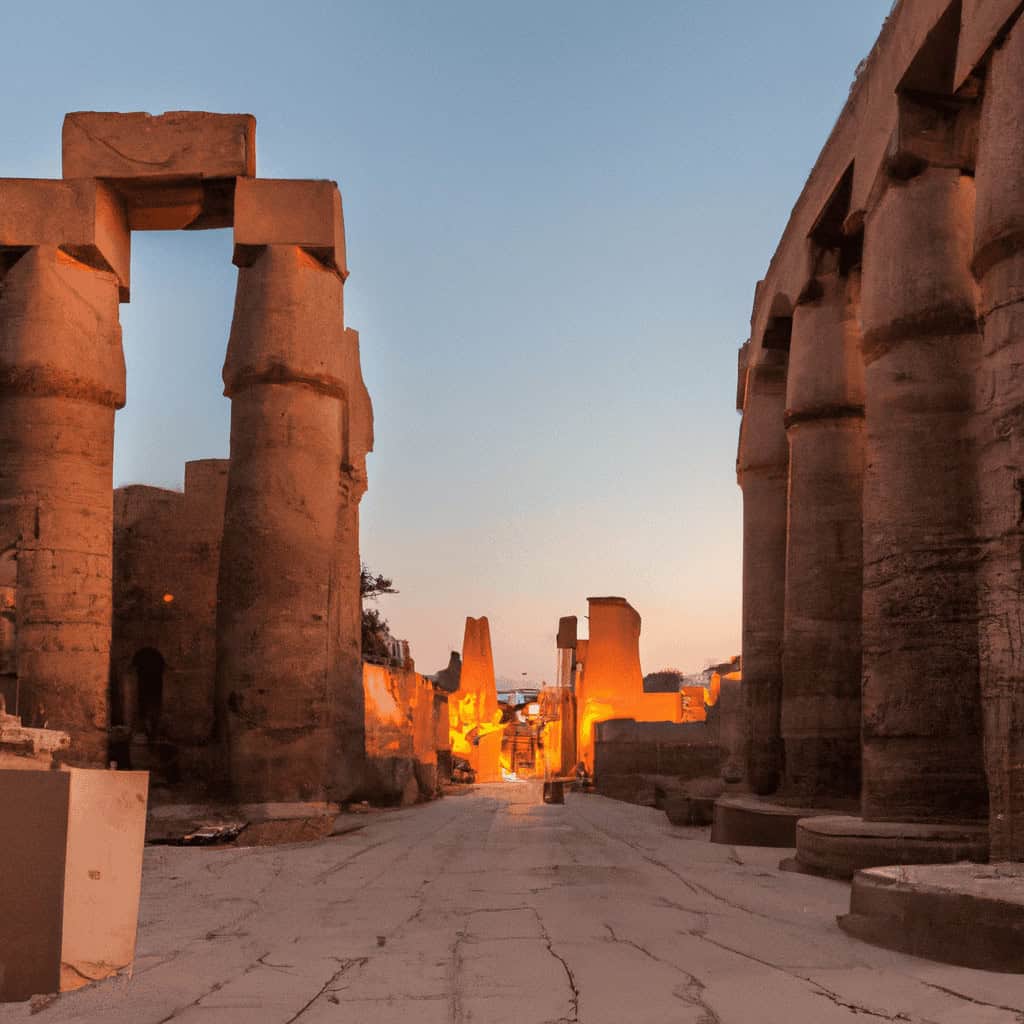
Karnak and Luxor Temple are worth your time because they show temple building at its most ambitious. These sites display carved columns, formal gateways, and detailed stonework that reflect religious life and royal authority. Travelers who like architecture usually spend more time here than they expected.
Karnak is especially important for understanding scale. Luxor Temple is easier to take in and usually feels more direct, so the two sites work well together. Their carvings and layout help explain how ancient Egyptians connected kingship with worship.
How should you plan a first trip to Egypt’s archaeological sites?
A first trip to Egypt’s archaeological sites works best when you group places by region. Cairo works well for Giza, while Luxor gives you the strongest temple and tomb combination. Trying to cover too many sites in one day usually leaves you with less time at the places that matter most.
Discovery Tours Egypt is an Egypt-based travel company with local Egyptologist guides, which helps travelers move through these sites with more context. Standard site entrance fees are normally included on guided tours, while pyramid interiors and premium tombs, such as Tutankhamun or Seti I, are extra. Gratuities are excluded.
- Use Cairo for Giza and nearby museum time
- Use Luxor for Karnak, Luxor Temple, and the Valley of the Kings
- Leave room for the sites with the strongest interiors, not just the famous names
- Keep the schedule light enough to absorb the details
What should travelers know before booking?
Travelers should know that Egypt’s entry and touring basics are simple, but the details matter. The Egypt e-Visa costs $30 online, or $35 on arrival. Currency for this site is US Dollars ($), so planning in dollars keeps the trip easier to organize from the start.
A smarter plan is to decide early whether you want more tombs, more temples, or a mix of both. That choice shapes where you stay, how many transfers you need, and how much time you can spend inside each site. The most satisfying trips give you enough time to look, not just pass through.
Plan with us
Egyptian archaeological sites to visit in Egypt
Plan Egyptian archaeological sites to visit, from Giza to Luxor and the Valley of the Kings, with clear travel context and practical details.