
What makes Egypt’s national parks worth a trip?
Egypt’s national parks are worth a trip because they show a side of the country that most travelers miss. The Ultimate Guide to Egypt’s National Parks starts with two very different protected areas, Ras Mohammed and Wadi El Rayan, both of which give you nature, wildlife, and open space far from Cairo’s monuments.
Ras Mohammed sits on the Sinai coast and draws travelers for reefs and marine life. Wadi El Rayan sits in the Western Desert and draws travelers for lakes, dunes, and a slower pace. Together, they give you a clean contrast between sea and desert without leaving Egypt.
Why is Ras Mohammed National Park so popular?
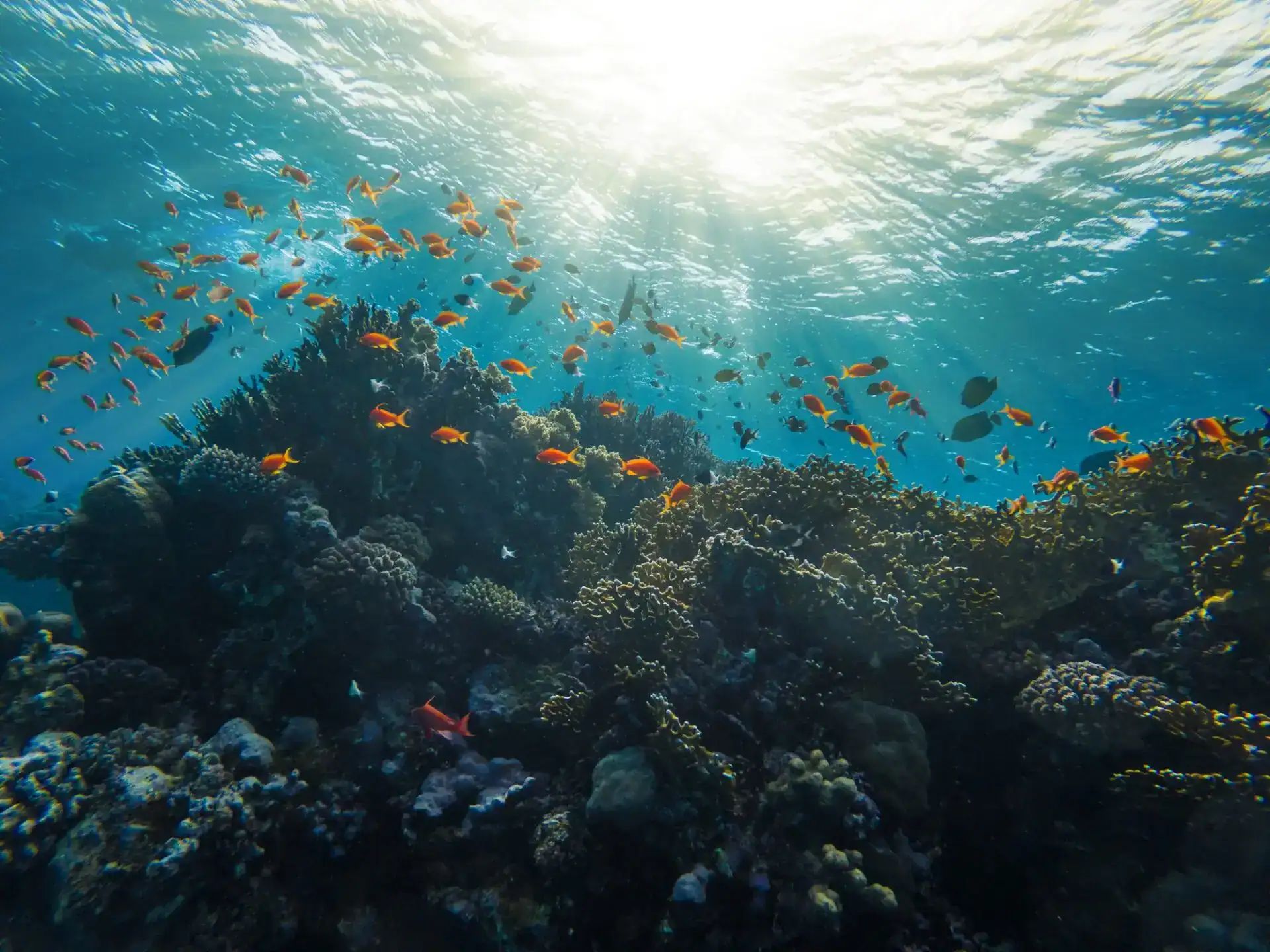
Ras Mohammed National Park is popular because it combines easy access from Sharm El Sheikh with some of Egypt’s best snorkeling and diving. The park is Egypt’s first national park, and travelers go mainly for Shark Reef, Yolanda Reef, coral gardens, and clear Red Sea water.
The park is also known for marine life on a large scale. The SOURCE says Ras Mohammed has over 1,000 species of fish and 150 species of coral, and that claim matches why the park ranks so high with divers. On land, mangroves, salt marshes, coastal cliffs, lagoons, flamingos, and herons add variety.
- Best for snorkeling and diving
- Known sites include Shark Reef and Yolanda Reef
- You may see dolphins, sea turtles, flamingos, and herons
- The park has mangroves, salt marshes, and coastal cliffs
What can you do in Wadi El Rayan?
Wadi El Rayan is a protected area in the Western Desert that gives travelers lakes, waterfalls, dunes, and birdlife in one stop. The park is best for a slower day outdoors, with desert views, picnics, fishing, hiking, and sandboarding all part of the usual visit.
Wadi El Rayan is also known for Egypt’s only natural waterfalls, which is the main reason many travelers make the drive. The setting feels open and quiet, with calm water, golden sand, and a clear change of pace from Egypt’s cities and coast.
- See Egypt’s only natural waterfalls
- Try sandboarding on the dunes
- Look for migratory birds, including the Egyptian goose
- Spend time around the lakes with picnics, fishing, and hiking
When is the best time to visit Egypt’s national parks?
October through April is the best time to visit Egypt’s national parks because the weather is cooler and better for outdoor time. That matters in both places, since Ras Mohammed involves sun and sea exposure, while Wadi El Rayan can feel harsh in summer heat.
Morning visits usually work best for both parks. Early light is better for snorkeling visibility, and desert air is easier to handle before the day builds heat. Travelers who want calmer conditions should avoid the middle of the day when possible.
What should you pack for a park day?
A park day in Egypt is easier when you pack for sun, wind, and water. Lightweight clothing, sun protection, a reusable water bottle, and sturdy shoes cover most situations, while snorkeling or diving gear makes sense for Ras Mohammed if you already own it.
Wadi El Rayan needs different gear than the coast. Hiking shoes help on desert ground, and a hat matters because shade can be limited around the lakes and dunes.
- Lightweight, breathable clothing
- Hat, sunglasses, and sunscreen
- Reusable water bottle
- Snorkeling or diving gear for Ras Mohammed, if you have it
- Hiking shoes for Wadi El Rayan
Should you visit with a guide?
A guide is a smart choice for Egypt’s national parks because transport, timing, and site knowledge all matter. Discovery Tours Egypt runs guided excursions to Ras Mohammed and Wadi El Rayan with local Egyptologist guides, which helps travelers move efficiently and understand what they are seeing.
Guided visits also reduce guesswork around logistics. That matters most if you want to combine swimming, wildlife viewing, and scenic stops in one day without losing time to planning on your own.
How do Ras Mohammed and Wadi El Rayan compare?
Ras Mohammed and Wadi El Rayan are very different parks, and that is the point. Ras Mohammed is the better choice for coral reefs, fish, and underwater time, while Wadi El Rayan is the better choice for desert scenery, lakes, and a quiet day outdoors.
- Choose Ras Mohammed for snorkeling, diving, and marine wildlife
- Choose Wadi El Rayan for lakes, waterfalls, dunes, and birdwatching
- Choose both if you want a wider picture of Egypt’s natural side
How do you plan a nature trip in Egypt?
Planning a nature trip in Egypt works best when you keep the route simple and the timing realistic. Start with one park, choose the cooler months, and decide whether you want sea time in Sinai or desert time in the Western Desert before booking transport.
Travelers who want a deeper trip can pair a park visit with other Egypt plans, such as a Red Sea stay or a broader itinerary through the country. A nature day also fits well between heritage stops when you need a slower pace.
Plan with us
The Ultimate Guide to Egypt’s National Parks
Explore Egypt’s national parks, from Ras Mohammed to Wadi El Rayan, with practical travel advice, wildlife highlights, and planning tips.