
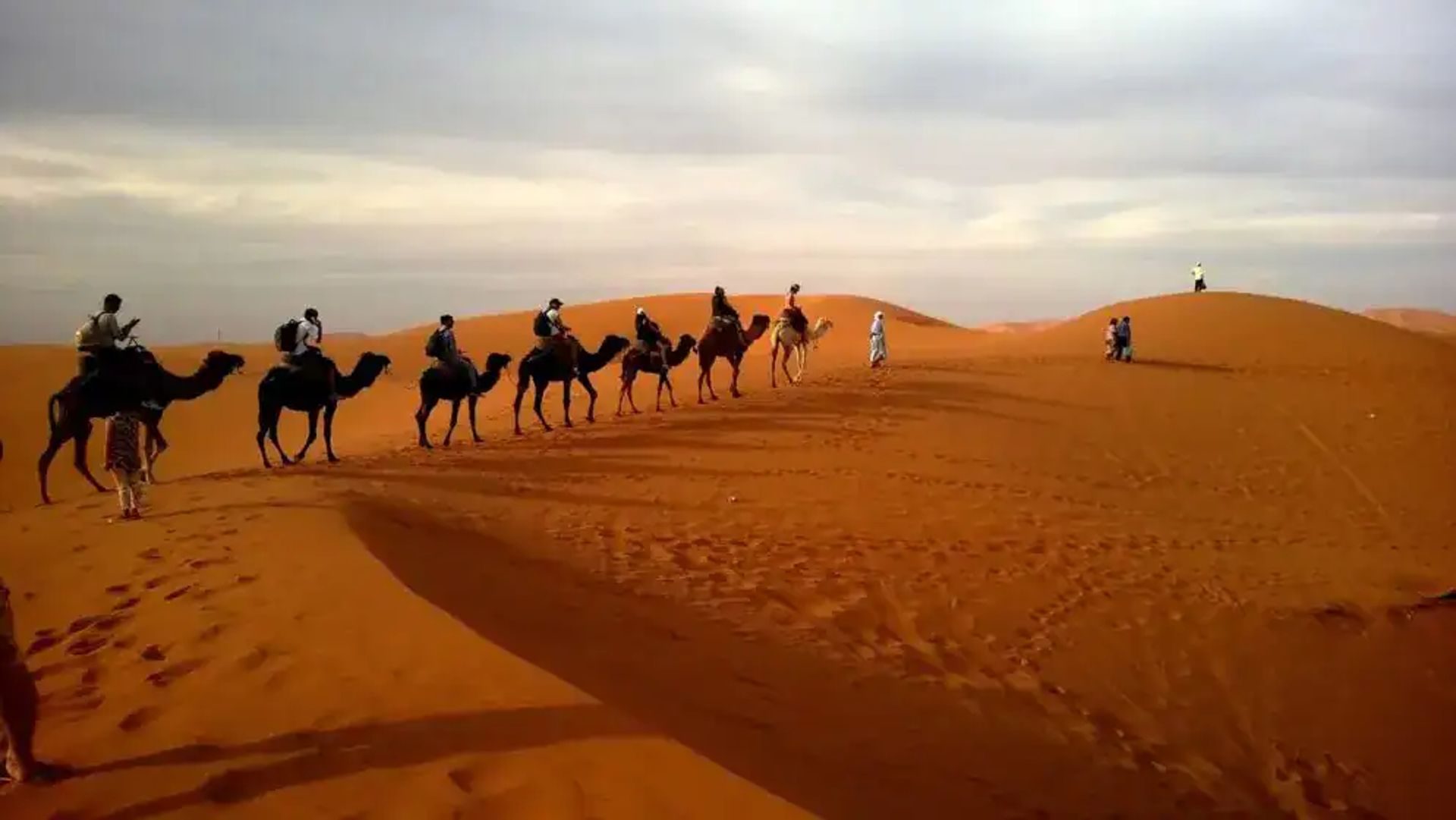
What makes Egypt's desert safari adventures special?
Egypt's desert safari adventures give you open space, quiet, and a slower pace than the cities. The Magic of Egypt’s Desert Safari Adventures comes from that contrast, where a short drive can take you from traffic and noise to dunes, sunset color, and a sky full of stars. The experience feels simple, direct, and memorable.
Egypt is known for pyramids and museums, but the desert adds a different kind of day out. You can ride a camel, watch a 4x4 cross soft sand, and sit down with Bedouin hosts over tea. The trip works for travelers who want activity, but also for anyone who wants time outside and a clear view of the horizon.
What do you do on a desert safari in Egypt?
A desert safari in Egypt usually combines movement, short stops, and time for the sunset. Most travelers come for the camel ride, the dune drive, the quiet evening air, and the chance to look at the sky after dark. Discovery Tours Egypt can shape the day around your pace, so the trip does not feel rushed.
What is a camel ride like?
A camel ride is slow and steady, which suits the desert well. Camels are known as the ships of the desert, and the ride gives you a classic way to cross the sand while taking in the view. The pace is gentle, and the short, rolling motion is part of the appeal.
What is dune bashing?
Dune bashing is the fast 4x4 ride over sand hills that many visitors come for. The driver climbs, turns, and drops across the dunes, which makes the ride feel like a rough desert rollercoaster. The experience is more about motion and fun than sightseeing, so it works best if you want a little adrenaline.
Why is stargazing such a draw?
Stargazing is one of the best parts of a desert night because the darkness is clean and wide open. With little light from nearby towns, the sky can show bright stars, planets, and sometimes shooting stars. The calm after sunset is often the quietest part of the whole trip.
How does Bedouin culture fit into the trip?
Bedouin culture adds food, tea, and conversation to the safari. Many desert trips include a stop in a tent or camp where you can learn about local customs and share a meal or tea with your hosts. That human moment gives the day more meaning than a drive alone.
What should you pack for a desert safari in Egypt?
A desert safari in Egypt is easier when you pack for sun, dust, and a cool evening. Bring breathable clothes, strong sun protection, water, and a jacket for after sunset. A phone or camera is useful, but comfort matters more than gear because the desert changes through the day.
- Sunscreen, sunglasses, and a wide-brimmed hat.
- Light clothing that keeps you cool in the daytime.
- A jacket or layer for the colder evening air.
- A reusable water bottle.
- A camera or smartphone for sunset and night shots.
How do you choose the right desert safari?
The right desert safari depends on how much activity you want and how private you want the day to feel. Discovery Tours Egypt arranges private romantic outings and group adventures, both with local Egyptologist guides. A good operator keeps the pace comfortable, handles logistics, and helps you focus on the desert instead of the details.
Look for a trip that clearly says what is included, how long the drive lasts, and whether meals or Bedouin tea are part of the plan. Ask how much time you will spend riding, driving, and sitting at camp, because those details shape the whole experience. The best trip is the one that matches your energy level, not the one with the longest list of activities.
Is a desert safari in Egypt worth it?
A desert safari in Egypt is worth it if you want a break from temples and museums without leaving the country’s main travel story behind. The trip gives you open views, local hospitality, and a different rhythm from city sightseeing. Most travelers remember the sunset and the night sky long after the ride ends.
A good safari is not about packing every minute. The appeal is in the space between the activities, the change in light, and the calm that settles in after dark. That is where the desert feels most distinct.
Plan with us
The Magic of Egypt's Desert Safari Adventures
Plan Egypt desert safari adventures with camel rides, dune drives, and stargazing. See what to expect, what to pack, and how to choose a tour.