
What are the best places to visit in Egypt?
The best places to visit in Egypt are Cairo, Giza, Luxor, Aswan, Alexandria, and the Red Sea coast. Egypt country travel is strongest when you mix ancient sites with one or two slower stops, because the distances are large and the climate can be tiring.
First-time travelers usually want the clearest route through the country. Cairo gives you the city energy, Giza gives you the pyramids, Luxor gives you the temple and tomb heavy lift, and Aswan gives you the Nile at a calmer pace.
- Cairo for museums, old quarters, and the Citadel
- Giza for the Pyramids and the Sphinx
- Luxor for Karnak, the Valley of the Kings, and temple visits
- Aswan for the Nile, Philae, and Abu Simbel day trips
- Red Sea towns for snorkeling, diving, and resort time
Why do travelers rank Egypt so highly?
Egypt ranks high because one trip can cover ancient monuments, river scenery, desert, and sea. The country has a rare mix of major archaeological sites and easy beach access, which makes it useful for history-focused vacations and slower family trips.
The source article is right to call Egypt a living museum. The Pharaohs still dominate the itinerary, but the trip does not feel one note. You move from tombs and temples to markets, river boats, and coral reefs.
What should you see in Cairo and Giza?
Cairo and Giza are the best starting point for most travelers. Cairo has the Egyptian Museum, the Citadel of Saladin, and Khan el Khalili, while Giza is where you go for the Pyramids, the Great Pyramid, and the Sphinx.
Giza works best early in the day, before the heat and bus traffic build. Cairo needs more time than many visitors expect, because museum visits, old-city walking, and traffic all slow the day down.
- Egyptian Museum for major pharaonic artifacts
- Citadel of Saladin for city views and military history
- Khan el Khalili for a classic market stop
- Pyramids of Giza for the core Egypt photo stop
- Solar Boat Museum if you want more than the main pyramid view
Why is Luxor so important?
Luxor is the strongest temple and tomb stop in Egypt. The city holds Karnak Temple, the Valley of the Kings, and the Temple of Hatshepsut, so most travelers need at least a full day there and often two or three.
Luxor’s East Bank gives you huge temple complexes, while the West Bank gives you royal tombs and funerary monuments. The contrast matters, because the two sides of the river tell different parts of ancient Egyptian life and death.
- Karnak Temple for scale and column halls
- Valley of the Kings for decorated royal tombs
- Temple of Hatshepsut for cliffside architecture
- West Bank visits for tomb-focused touring
- A hot air balloon ride if you want an early morning view over the Nile valley
What makes Aswan worth the stop?
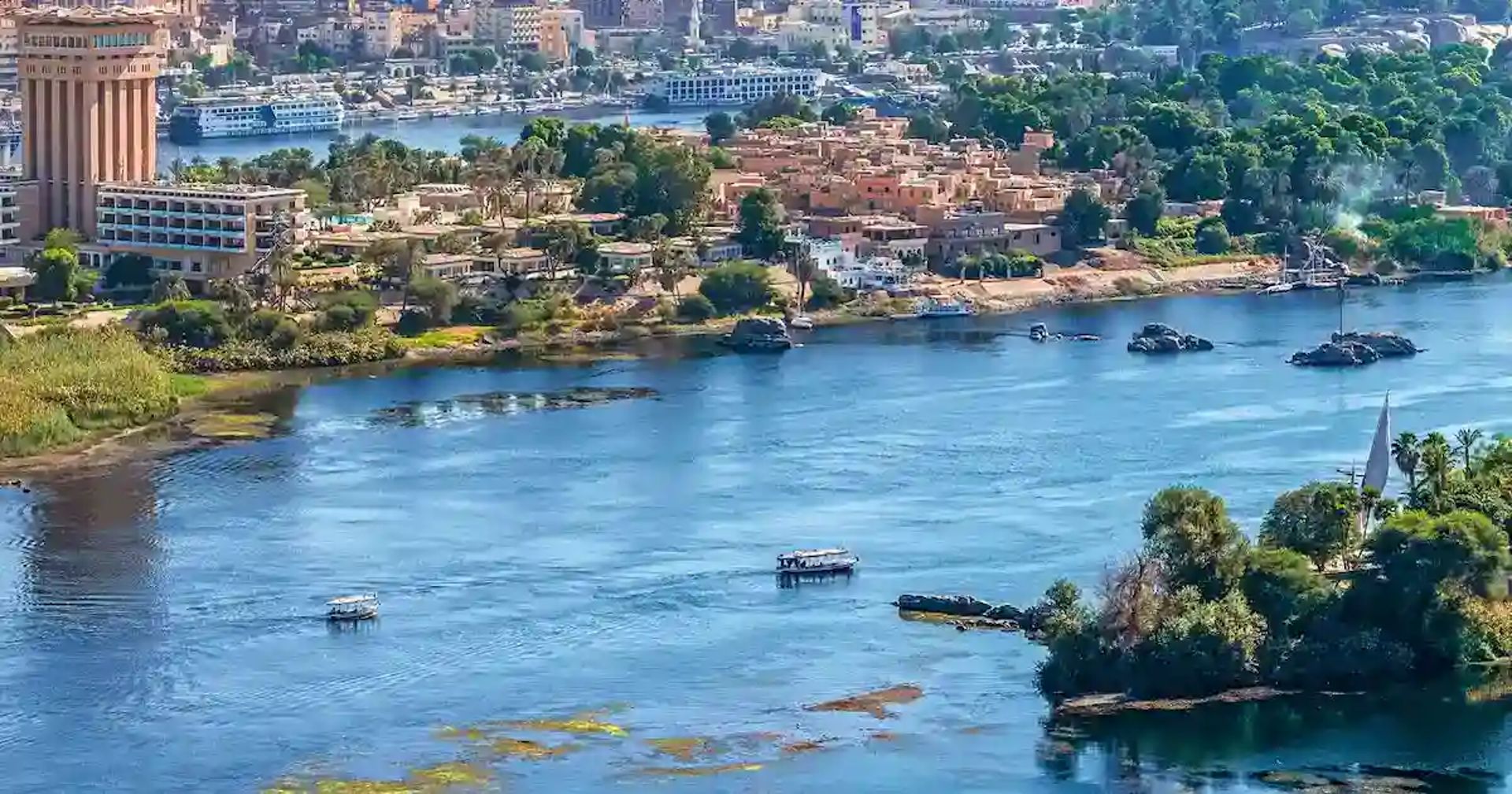
Aswan is worth it because the pace changes. The river feels wider, the city feels calmer, and the sites are easier to enjoy without rushing. Philae Temple and Abu Simbel are the headline stops, and both reward slow, early planning.
Aswan also works well as a base for Nile cruising or a longer Upper Egypt route. Travelers who want a break from Cairo and Luxor often like Aswan most because the day moves more gently.
- Philae Temple for a classic Nile temple visit
- Abu Simbel for one of Egypt’s major temple sites
- Felucca rides for simple river time
- Nile views that feel calmer than Cairo or Luxor
Where should you go for the Red Sea?
Hurghada and Sharm El Sheikh are the best Red Sea bases for most visitors. The coast is where travelers go for snorkeling, scuba diving, beach time, and a reset after the temple circuit.
The source article correctly points out that the Red Sea balances a cultural itinerary. After several days of tombs, museums, and buses, the water and resort pace feel very different.
- Snorkeling for coral and fish
- Scuba diving for deeper reef sites
- Quad bike desert outings
- Resort stays for rest between touring days
Which lesser known places in Egypt are worth adding?
Siwa Oasis, the White Desert, and the Dendera Temple Complex are strong add ons if you already know the classic route. These places are not necessary for a first trip, but they give repeat visitors a different side of Egypt.
Siwa is the most remote of the three and suits travelers who want desert scenery and an oasis setting. The White Desert works for unusual rock formations, while Dendera stands out for preservation and ceiling decoration.
- Siwa Oasis for a remote oasis experience
- White Desert for unusual rock formations
- Dendera Temple Complex for well preserved temple details
How many days do you need for Egypt?
Seven to 10 days is enough for a solid first trip through Egypt country highlights. That length gives you time for Cairo and Giza, Luxor, Aswan, and one slower stop without making every day feel packed.
A shorter trip can work if you focus on Cairo plus Luxor or Cairo plus the Red Sea. A longer trip is better if you want Alexandria, desert travel, or a Nile cruise between Upper Egypt stops.
- 7 days for Cairo, Giza, and one Upper Egypt stop
- 10 days for the classic full route
- Two weeks or more for the Red Sea, Alexandria, or desert extensions
What should you know before you go?
Practical planning matters in Egypt because the climate, distances, and site timing affect the whole trip. Dress modestly at religious sites, carry water, and use licensed guides when possible, especially at major monuments and crowded city stops.
A guided itinerary saves time at the high-value sites. Discovery Tours Egypt is an Egypt-based travel company with local Egyptologist guides, so the trip can stay organized without losing the local context travelers usually want.
- Start sightseeing early in Cairo, Giza, Luxor, and Aswan
- Keep one slower day after long transfers
- Book the main route in advance during busy travel months
- Use a guide for context at tombs, temples, and museums
Plan with us
Best places to visit in Egypt for your next trip
Plan your Egypt trip with the top places to visit, from Giza and Luxor to Aswan, Cairo, Alexandria, and the Red Sea.