
What is a Mount Sinai pilgrimage?
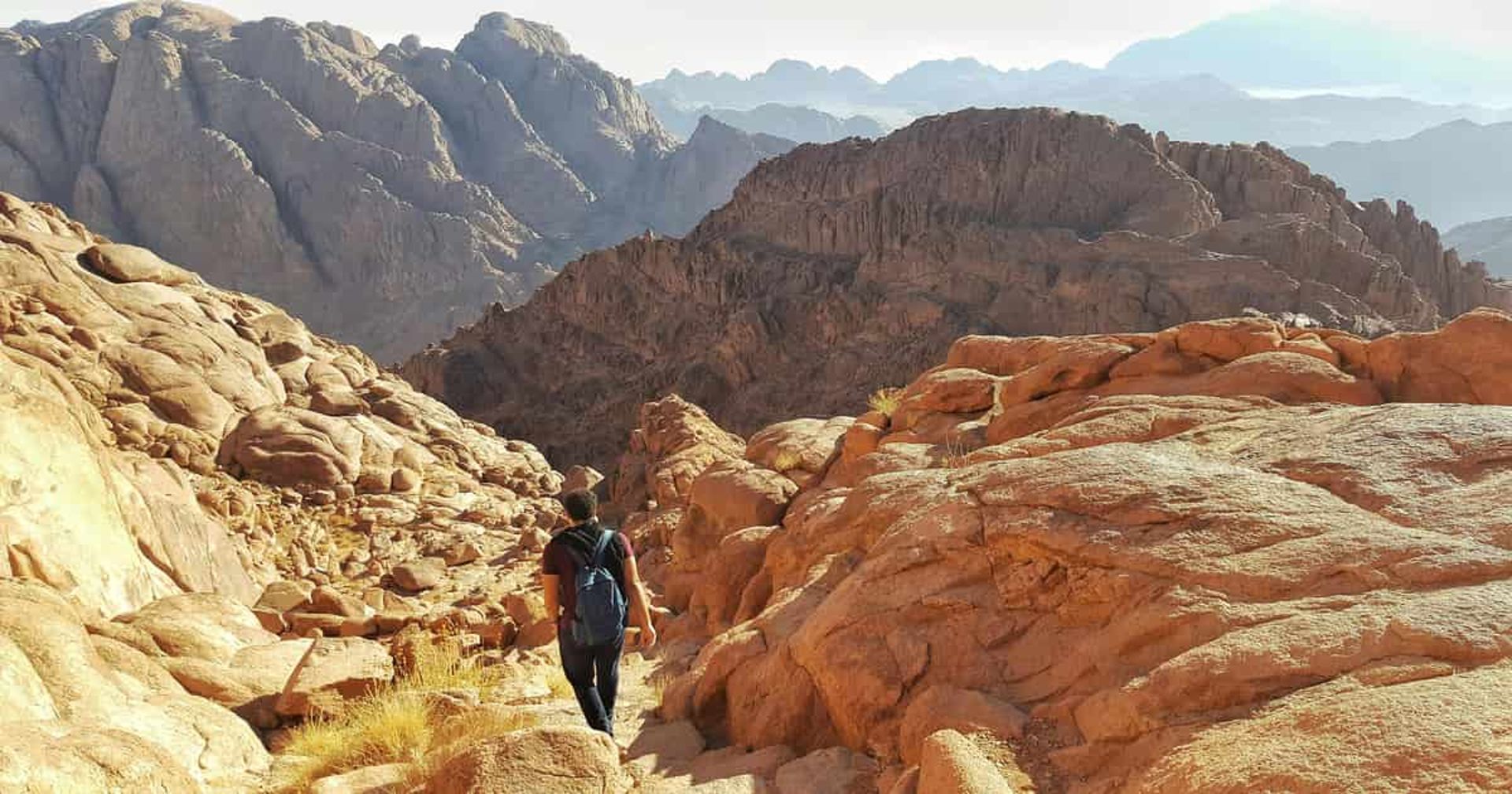
A Mount Sinai pilgrimage is a spiritual climb in Egypt’s Sinai Peninsula to a mountain tied to Moses and the Ten Commandments. The Mount Sinai pilgrimage usually starts before dawn, ends at sunrise on the summit, and often includes St. Catherine’s Monastery the same morning.
Travelers approach the mountain for different reasons. Some come for prayer and reflection, while others come for the biblical setting and the desert walk. The experience feels serious rather than scenic, and the quiet on the mountain is part of its appeal.
Why does Mount Sinai matter spiritually?
Mount Sinai matters because biblical tradition places Moses there when he received the Ten Commandments. The mountain is sacred in Christianity, Judaism, and Islam, so many visitors treat the climb as a shared place of reverence instead of a simple hike.
That spiritual meaning shapes the visit. People often walk quietly, stop to pray, or read scripture near the summit. The mountain is also tied to centuries of monastic life, which gives the route a sense of continuity that travelers still feel today.
How do you climb Mount Sinai?
Mount Sinai has two main routes to the summit, and most people climb in the dark so they can arrive for sunrise. The gentler Camel Path is longer and less steep, while the Steps of Repentance are much steeper and physically harder.
- Camel Path, a gradual route used by many travelers and camel riders.
- Steps of Repentance, a steep stairway with about 3,750 steps.
- Night ascent, often timed so you reach the top before sunrise.
- Summit stop, where many people rest, pray, and watch the desert light change.
The climb is usually described as moderate, but the final section can feel tiring. Camels can help on part of the route, although they do not cover the last steps. Good shoes, a light bag, and a steady pace matter more than speed.
What does the sunrise climb feel like?
The sunrise climb is the part most travelers remember. After a dark ascent, the summit opens to a wide desert view, and the first light reaches the surrounding mountains slowly. The air can feel cold and still before dawn, even when the day will be warm.
Many pilgrims stay quiet at the top. Some pray, some sit in silence, and others just watch the light move across the rocks. The experience is physical, but the emotional side often matters more than the view itself.
Why visit St. Catherine’s Monastery too?
St. Catherine’s Monastery belongs on a Mount Sinai pilgrimage because the mountain and the monastery are closely linked. The monastery sits at the foot of the mountain and is one of the oldest continuously operating Christian monasteries in the world.
Visitors usually come after the climb, when the mountain air is cooler and the morning is already underway. The monastery has religious icons, ancient manuscripts, the Chapel of the Burning Bush, and a mosque inside its walls, which reflects the site’s long religious history.
When is the best time to go?
The best time for a Mount Sinai pilgrimage is the cooler part of the year, from October to April. Desert temperatures are easier to handle then, and the climb feels more comfortable before sunrise. Summer heat makes the trip harder and less pleasant.
Winter nights can still be cold on the summit, so travelers should plan for layers. The desert temperature shift is real, and what feels like a mild evening at the base can become a chilly dawn at the top.
What should you bring for the climb?
A Mount Sinai pilgrimage goes better when you pack for cold air, rough ground, and a long night. The mountain is not technical, but the path is rocky and the summit can be windy, so simple preparation helps a lot.
- Comfortable hiking shoes with grip.
- Warm layers for the summit before sunrise.
- A flashlight or headlamp for the night climb.
- Water and a small snack.
- Modest clothing if you visit the monastery afterward.
A traveler who packs lightly moves more easily on the trail. Water matters, but heavy bags only slow you down on the steeper sections. The goal is to keep the climb simple and leave room for the monastery visit afterward.
How do you plan a Mount Sinai pilgrimage in Egypt?
A Mount Sinai pilgrimage is easiest when arranged as part of a larger Egypt trip with transport and a guide. Discovery Tours Egypt is an Egypt-based travel company with local Egyptologist guides, which helps travelers handle timing, access, and the mountain-to-monastery sequence without confusion.
Many travelers combine Mount Sinai with other Egypt highlights, especially if they want to keep the trip organized and avoid long back-and-forth planning. The mountain works well as a focused spiritual stop inside a wider itinerary rather than as a rushed side trip.
Plan with us
Mount Sinai pilgrimage guide for travelers
Plan a Mount Sinai pilgrimage with route details, spiritual context, and practical advice for climbing at sunrise in Egypt.