
What are the main lakes in Egypt?
The main lakes in Egypt are Lake Nasser, Lake Qarun, Wadi El Rayan, Toshka Lakes, and the Mediterranean lagoons of Manzala, Burullus, Edku, and Mariout. These bodies of water in Egypt include natural lakes, saltwater lagoons, and artificial reservoirs, so the country’s water story is broader than the Nile alone.
Travelers usually notice two things right away: the contrast between desert and water, and how different each lake feels. Some are quiet and remote, while others sit near active fishing communities or protected bird areas.
Why do lakes in Egypt matter?
Lakes in Egypt matter because they support irrigation, fishing, bird migration, climate balance, and tourism. Lake Nasser is also central to Egypt’s water management after the Aswan High Dam, while coastal lagoons support fishing towns and wetland ecosystems.
For travelers, that means the lakes are not just scenery. They help explain how Egypt feeds people, protects water supplies, and creates habitats in places that look too dry for them.
Which lake in Egypt is the largest?
Lake Nasser is the largest lake in Egypt and one of the largest artificial lakes in the world. Located near Aswan, it extends into Sudan, where it is called Lake Nubia. The lake was created in the 1960s after the Aswan High Dam changed the flow of the Nile.
Lake Nasser is the best-known lake for travelers who want open water, big views, and a sense of scale. Many visitors see it on the way to Abu Simbel or from a Nile cruise route that reaches southern Egypt.
What can you expect at Lake Nasser?
Lake Nasser is best for travelers who want scenery, fishing, and a sense of southern Egypt’s size. The shoreline feels open and quiet, and the lake often appears as a wide band of blue against sand and rock. The best visits usually come from organized travel around Aswan.
- Good for long views and quiet boat scenes
- Useful for travelers combining Aswan and Abu Simbel
- Known for fishing and water storage, not beach-style recreation
What makes Toshka Lakes different?
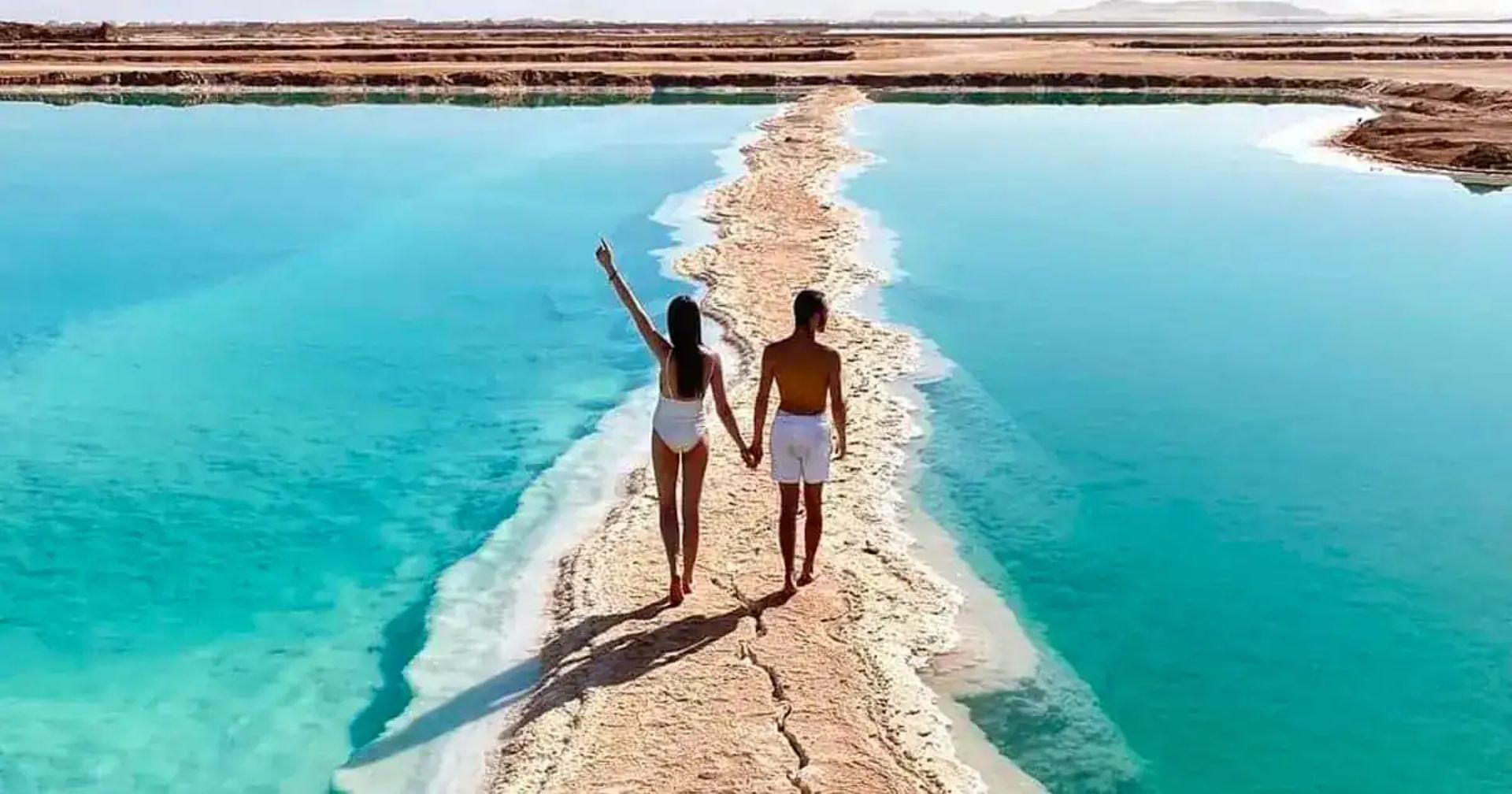
Toshka Lakes are desert lakes southwest of Lake Nasser, formed by overflow from the Aswan High Dam in the late 1990s. Toshka stands out because the water levels can change, and the setting feels unreal, with blue water cutting through pale desert ground.
Toshka is not a standard sightseeing stop, but it does interest travelers who want unusual landscapes and a look at how water moves through Egypt’s modern engineering projects.
What is Lake Qarun like in Fayoum?
Lake Qarun is one of the oldest natural lakes in Egypt and sits in the Fayoum Depression. The lake was once much larger and connected to the Nile. Today, Lake Qarun is saltwater and draws visitors for birdwatching, fossils, and easy access to Wadi El Rayan.
Fayoum works well for a day trip or overnight stay from Cairo if you want water, desert views, and a quieter pace than the major city stops. Lake Qarun usually fits travelers who like nature and archaeology in the same day.
What are the important bodies of water in Egypt’s north?
The important bodies of water in Egypt’s north are Lake Manzala, Lake Burullus, Lake Edku, and Lake Mariout. These Mediterranean coastal lakes are brackish and support fishing communities and migratory birds. Lake Burullus is especially known for its ecological value.
Travelers usually do not visit these lakes the way they visit a temple site, but they matter if you care about wetland life, bird migration, or how local communities depend on the coast.
What is Wadi El Rayan known for?
Wadi El Rayan is known for two connected lakes, waterfalls, dunes, and protected wildlife in the Fayoum region. The area was formed by agricultural drainage, which makes it different from Egypt’s older natural lakes. The setting is one of the most photogenic water-and-desert scenes in the country.
Visitors often pair Wadi El Rayan with Lake Qarun on the same trip. That combination gives you both a saltwater lake and a desert protected area without a long transfer.
When is the best time to visit Egyptian lakes?
The best time to visit Egyptian lakes is from October to April, when temperatures are easier for day trips and outdoor time. Winter is best for bird migration, while early mornings work well for photography and cooler air.
Summer can be very hot in southern Egypt, so travelers should plan lake visits early in the day and avoid long outdoor stretches in the afternoon. Fayoum and the northern lakes are usually easier to handle than desert areas, but timing still matters.
How can you include lakes in Egypt in a trip?
The easiest way to include lakes in Egypt is to pair them with nearby sightseeing instead of planning them as separate stand-alone trips. Lake Nasser works well with Aswan and Abu Simbel, while Lake Qarun and Wadi El Rayan fit neatly into a Fayoum day trip from Cairo.
Travelers who want a balanced plan can combine monuments with nature, then keep the lake visit short and focused. That keeps transit manageable and leaves time for the part most people actually want, the view and the setting.
- Aswan plus Lake Nasser
- Cairo plus Fayoum and Wadi El Rayan
- North Egypt birding trips for the coastal lagoons
What should you know before you go?
Lake visits in Egypt are better when you bring sun protection, water, and a local guide who knows the route and timing. Some lakes sit in remote or protected areas, so transport and pacing matter more than they do in city sightseeing.
If you want to add lakes to a broader vacation, look at related options like /destinations/, /day-tours/, or /guides/best-time-to-visit-Egypt. Those pages help you match the lake stop with the rest of your trip.
Plan with us
Lakes in Egypt: the main bodies of water travelers should know
Explore the main lakes in Egypt, from Lake Nasser to Fayoum and the northern lagoons, with practical travel advice for planning.