
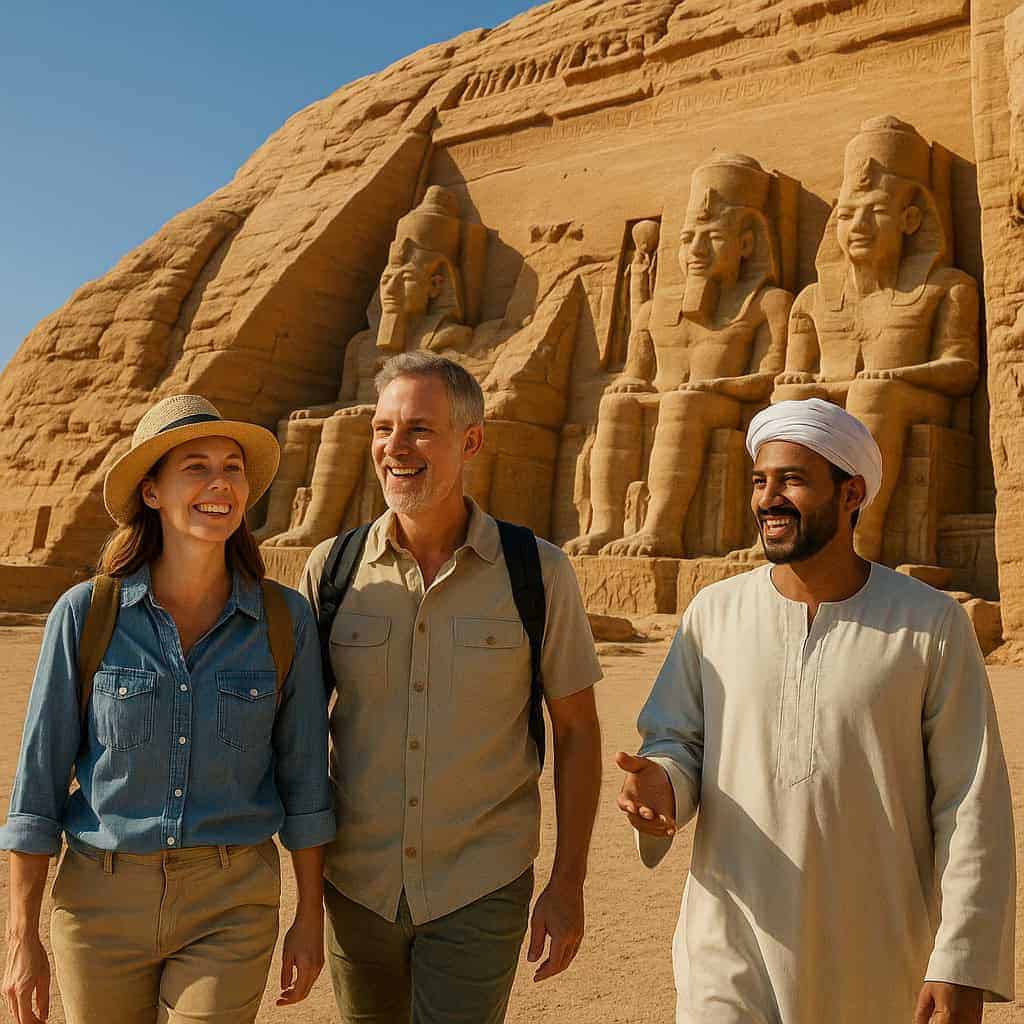
Is Egypt safe for American tourists in 2026? Yes – for most travelers who prepare, stay aware, and follow local guidance. Below you’ll find a concise summary of the current situation, practical precautions, advice for solo women travelers, transport tips, and how to get consular help if needed. Always check current details before travel.
Quick safety overview
Major tourist hubs – Cairo, Luxor, Aswan, and the Red Sea resorts – receive substantial security resources. You’ll see enhanced screening at airports, tourist police at key sites like the Giza Plateau and Luxor’s temples, and regular patrols in busy urban areas. The newly opened Grand Egyptian Museum is a major 2026 draw and is well-staffed and secured. Most visits are trouble-free when travelers follow basic precautions: stay alert, avoid demonstrations, and heed local authorities.
That said, security can vary by region and may shift quickly with unfolding events. Before you travel, review the U.S. Department of State travel advisory, CDC guidance, and other reliable sources – and sign up for travel alerts so you get updates while abroad.
Before you go: advisories, documents & insurance
Begin planning by checking official travel advisories and health notices. Enroll in the U.S. Department of State’s Smart Traveler Enrollment Program (STEP) so the embassy can reach you in an emergency. Make color and digital copies of your passport, visa, and insurance papers – keep one set in the cloud and leave another with someone at home.
Buy comprehensive travel insurance that includes emergency medical care and medical evacuation. Hospitals in Cairo and larger resort towns are generally better equipped than facilities in rural areas, so confirm your coverage limits and evacuation policy before you go. For U.S. departures, many travelers fly from JFK, IAD, SFO, ORD or LAX and use overnight connections through FRA, IST or DXB – factor jet lag from EST into your arrival plans.
Getting around: transport safety
Transport safety depends on the mode and location. Airports and main tourist routes are regularly patrolled and have visible security. Taxis, ride apps, private drivers, trains, and domestic flights are commonly used by visitors – choose reputable providers and exercise common-sense caution.
- Taxis & ride apps: Use metered taxis or well-known app services when available. If you hire a private driver, ask your hotel or an Egypt-based tour operator for vetted recommendations.
- Trains & long-distance buses: Trains between major cities are popular; daytime travel is often more comfortable and visible. Overnight options vary by route – check schedules and conditions before booking.
- Domestic flights: Security at major airports is robust. Arrive early to allow time for screenings and follow airline instructions.
- Nile cruises: Reputable Nile River cruises maintain solid safety and sanitation protocols. Book vessels with strong reviews and clear safety procedures.
Women travelers: practical safety and cultural tips
Many American women travel in Egypt every year without issue. The culture is generally conservative, so dressing modestly will help you blend in and reduce unwanted attention – covering shoulders and knees is a sensible default. A lightweight scarf is handy for entering mosques or visiting more conservative neighborhoods.
Good personal-safety habits benefit everyone and are especially useful for solo women: avoid walking alone late at night, stick to well-lit streets, use trusted transport, and be firm with persistent vendors or touts. If you ever feel unsafe, seek help from hotel staff or police.
Regional differences: where to take extra care
Egypt is diverse: big cities, the Nile Valley tourist corridor, and Red Sea resorts are well set up for visitors, while some border or remote regions can be volatile or have travel restrictions. Security conditions can change quickly in certain areas – monitor advisories and follow official guidance.
- Tourist belt (Cairo–Luxor–Aswan–Red Sea): Generally stable with strong security at key sites.
- Desert and remote areas: These spots are rewarding but need planning – travel with experienced guides and secure any required permits.
- Border zones: Some border regions are sensitive and may be off-limits or restricted; always check the latest advisories before planning travel.
Health, emergencies & consular support
Bring a basic first-aid kit, keep prescription medications in their original containers, and carry documentation of any medical conditions. Tap water is not always drinkable – use bottled water for drinking and brushing teeth when advised. Check routine vaccinations and CDC destination guidance before you travel.
If you need help, contact local emergency services and the nearest U.S. Embassy or consulate. The U.S. mission can assist with lost passports, arrests, or serious medical emergencies – save local emergency numbers and your embassy’s contact info before departure.
Choosing an operator and staying informed
Book with reputable Egypt travel specialists or an Egypt-based tour operator who offers vetted guides, safe transport, and local support. Good operators publish clear safety policies and contingency plans and can adapt itineraries if conditions change. For on-the-ground help, look for operators with a Cairo HQ and regional offices in Luxor, Aswan, Hurghada, Marsa Alam, and Sharm El Sheikh.
- Ask about emergency procedures and local contacts before you book.
- Confirm guides and drivers are licensed and that vehicles are well maintained.
- Choose small-group or private tours if you want greater control over timing and companions.
Final checklist for a safer visit
- Check official travel advisories and enroll in STEP before you leave.
- Carry travel insurance that includes medical evacuation and emergency medical care.
- Share your itinerary with someone at home and keep digital copies of important documents.
- Dress respectfully, especially at religious sites and in more conservative neighborhoods.
- Use trusted transport options and follow the guidance of local authorities during your stay.
Plan with us
Is Egypt Safe for American Tourists in 2026?
A practical 2026 safety guide for American travelers to Egypt – regional risks, women’s travel tips, transport advice, health and consular support. Plan with confidence.