
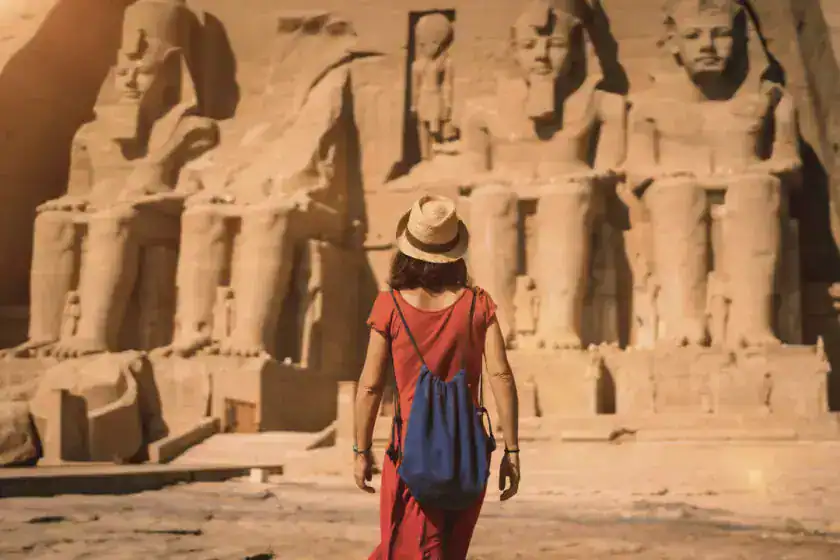
Mindful travel experiences in Egypt begin with a few everyday decisions that cut waste and channel your money to local people. Start by picking low-impact transport, shops that name their maker, and accommodations run by local hosts. Those choices shape how your trip affects monuments, neighborhoods, and the Nile.
Mindful travel experiences in Egypt?
Mindful travel experiences in Egypt mean traveling with attention to environmental and social impact: choose low-emission options, limit single-use plastic, support community-run projects, and follow site rules. Those actions help protect archaeological sites, freshwater resources, and living traditions that depend on tourism income.
Start practical habits before you leave home. Pack a refillable water bottle and a lightweight filter or purification tablets for long drives and desert stops. Carry a small first-aid kit and fast-drying clothes that cut laundry needs. On arrival, ask your guide about local recycling options, since collection varies by city.
Responsible travel Egypt?
Responsible travel in Egypt is about respect and clear choices: follow dress norms at religious sites, stay on marked paths in tombs, and never remove pieces of heritage. Book tours that limit group size and brief visitors on site rules to reduce wear on fragile surfaces.
At major sites such as the Giza plateau, the Valley of the Kings, and Abu Simbel, keep cameras off flash mode and avoid touching painted or carved surfaces. Carry a small pack for litter, and ask your guide where to leave waste. When a site has a designated route, use it; the routes were set to protect fragile areas.
Sustainable tourism in Egypt?
Sustainable tourism in Egypt combines environmental care with local benefit: choose lodgings that hire local staff, favor itineraries that spread visitors across regions, and support projects that hire artisans. Those choices reduce pressure on single sites and create more stable income for communities.
Look for accommodations described as locally owned guesthouses, mud-brick lodges in desert oases, or family-run lodges in Nubian areas. Ask your operator how they distribute revenue. If you choose a Nile experience, consider a felucca day sail for short river journeys, since feluccas use sails rather than engines and produce less noise and fuel use.
Eco tourism in Egypt?
Eco tourism in Egypt includes community homestays, small-group nature walks, and reef-aware snorkeling in the Red Sea. Choose operators that work with local communities and avoid tours that bring large coachloads to fragile natural areas.
In the Western Desert, stay in mud-brick guesthouses that use passive cooling and local materials. Near Aswan, consider a Nubian village homestay and learn local recipes and crafts directly from hosts. For Red Sea trips, select providers that follow reef-safe snorkeling rules, and ask about waste disposal practices on boats.
How to travel Egypt effectively?
To travel Egypt effectively, plan an itinerary that reduces back-and-forth travel, book Egyptologist-guided tours for historical context, and pick times of day that lower crowd exposure and heat stress. Efficient routing saves fuel and gives you calmer visits.
Ask your guide to group nearby sites on the same day rather than bouncing between cities. For museums and tomb interiors that restrict camera use, listen to the Egyptologist so you get the most from each room. If you need a visa, apply online where possible; many visitors can use the e-Visa service.
Sustainable resort in Egypt?
A sustainable resort in Egypt is one that reduces waste, uses local staff, and protects local ecosystems. When evaluating a resort, ask about water conservation, energy sources, staff hiring practices, and how the resort supports the surrounding community.
Resorts that hire local dive masters, buy produce from nearby farms, and run conservation programs for coral or desert plants give your stay a measurable benefit. If a resort lists community projects, ask for concrete examples and how guests can support them responsibly, not just through one-off donations.
How do people travel in Egypt?
People travel in Egypt using a mix of domestic flights, trains, private cars, coach tours, and boats. For short river crossings and relaxed Nile travel choose traditional felucca sails, and for longer city-to-city legs consider daytime trains or short flights to reduce road time.
When you consider transport, weigh time, emissions, and local benefit. A well-planned private transfer can support local drivers, while group rail travel concentrates fewer emissions per passenger. Discuss options with your Egyptologist guide to pick the least disruptive choice for each leg.
What should I expect on a mindful trip in Egypt?
Expect earlier starts, slower pacing at sites, and more time with local hosts than on rushed tours. Mindful trips often include small-group walks, shared meals in family homes, and longer stops to learn crafts or conservation work.
- Bring a refillable bottle and minimal single-use packaging.
- Book smaller group tours with an Egyptologist guide for context and site protection.
- Ask before photographing people, especially in rural and religious settings.
- Buy souvenirs directly from named artisans and ask how items are made.
Discovery Tours Egypt can arrange Egyptologist-guided small-group trips and tailor visits to community projects and felucca sails. If you want a sample route that keeps impact low and spreads tourism benefits, contact our Egypt-based team for options.
Plan with us
Mindful travel experiences in Egypt
Practical steps for mindful travel experiences in Egypt: low-impact transport, local stays, Egyptologist guides, and community-minded choices.