
What makes Egypt’s ancient monuments worth the trip?
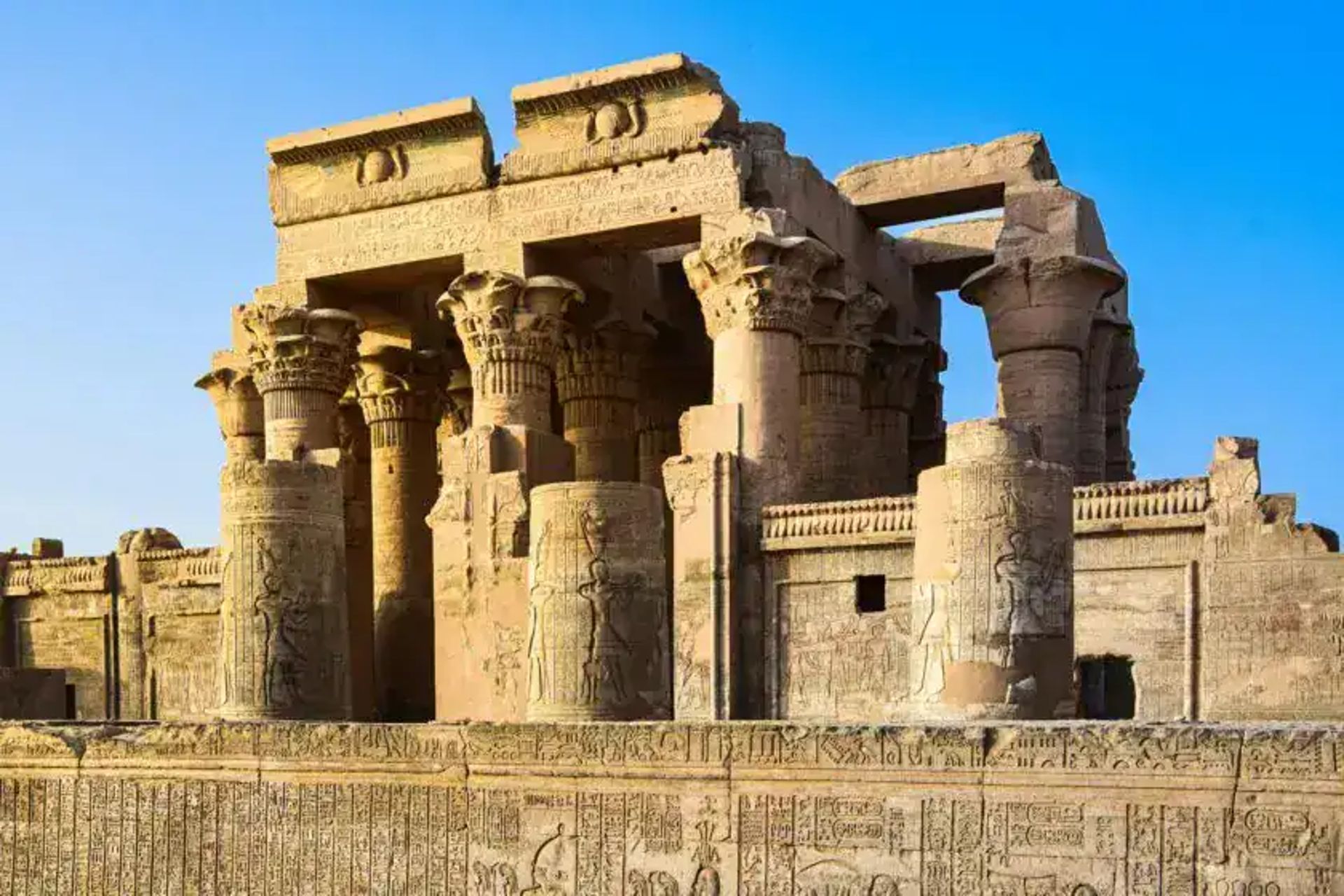
Exploring the Wonders of Egypt’s Ancient Monuments is worth the trip because the sites are large, well known, and still tied to real places people can visit today. Giza, Luxor, and Abu Simbel give you a direct look at the scale of ancient Egyptian building, not a museum version of it. The source article centers on that feeling of standing in front of stone that has survived for centuries.
Egypt’s monuments also work well for travelers who want a trip with clear highlights. You can see the pyramids outside Cairo, temples along the Nile, and the rock cut temples of Abu Simbel in the south. Each stop shows a different side of the same civilization, which makes the route feel varied without losing focus.
Why does the Great Pyramid of Giza matter so much?
The Great Pyramid of Giza matters because it is the most famous monument in Egypt and one of the strongest symbols of ancient engineering. The source article gives its height as 481 feet, and that scale explains why it still dominates the Giza Plateau. Visitors usually react to its size before they think about the details.
The pyramid is also powerful because it raises a simple question that still draws travelers in: how did ancient builders make something so precise? The exact methods are still debated, but the result is visible in the clean lines, massive stones, and the way the structure holds its shape after thousands of years.
What should you expect in Luxor?
Luxor gives you some of Egypt’s most concentrated temple visits, and the source article calls it an open air museum. That description fits because major monuments sit close to the modern city, especially the Temple of Karnak. Luxor works best for travelers who want to see large temple spaces and read the city through its ruins.
Karnak is known for its towering columns and carved walls, and the site rewards slow walking rather than a rushed stop. Early morning and late afternoon are the best times to go because the sun is softer and the stone shows more detail. Midday heat can flatten the experience, especially in open courtyards and broad stone avenues.
Luxor also helps explain why the Nile mattered. The monuments sit in a place where river life, royal power, and temple building all came together. That makes the city one of the easiest places in Egypt to understand the link between geography and history.
Why do travelers make the journey to Abu Simbel?
Abu Simbel matters because the temples combine royal power, deep carving, and a famous rescue story. The source article says the complex was commissioned by Ramesses II and also honors Queen Nefertari. That gives the site both political and personal meaning, which is rare for a monument of this scale.
The temples were carved into living rock, so the approach feels different from Giza or Luxor. The facades are the main event, and the setting adds to the effect because the site sits far south, away from the heavier tourist flow of Cairo and Luxor. Travelers usually remember Abu Simbel for its size, symmetry, and the fact that the whole complex was moved to save it from flooding.
When is the best time to visit Egypt’s monuments?
The best time to visit Egypt’s ancient monuments is early morning or late afternoon. The source article says these hours work best for Luxor, and the same logic applies to open air sites elsewhere in Egypt. Cooler light, fewer crowds, and softer shadows make the monuments easier to see and photograph.
Morning also helps with pacing. A traveler can usually cover more ground before the heat builds, then slow down later in the day. That matters at places like Giza and Luxor, where much of the visit happens outdoors and shade can be limited.
How should you plan a monument-focused trip?
A monument-focused trip in Egypt works best when you group sites by region instead of trying to scatter them across the country. Start with Cairo and Giza, continue south to Luxor, and add Abu Simbel if you want a stronger finish. That route follows the Nile corridor and keeps travel time more practical.
A knowledgeable guide is the biggest upgrade for this kind of trip. The source article is direct about this point, and it is right, because the names, gods, rulers, and construction details are easy to miss on your own. A good guide turns carved stone into a readable story.
- Start early at outdoor sites to avoid the strongest heat.
- Carry water for long walks between major structures.
- Wear comfortable clothing that also respects local expectations.
- Bring a camera, but plan time to look without it too.
- Use a guide when you want the stories behind the carvings and court scenes.
What should you skip if your time is short?
A short trip should focus on the monuments that give the clearest picture of ancient Egypt, not every possible stop. Giza, Luxor, and Abu Simbel are the strongest choices in the source article because they cover pyramids, temples, and royal rock cut architecture. That mix gives you the most value with the least repetition.
If your schedule is tight, spend more time at fewer major sites instead of rushing through many. The monuments are large, and the details matter. A longer look at one temple usually gives you more than a quick pass through several.
Plan with us
Exploring the Wonders of Egypt’s Ancient Monuments
Plan a smart visit to Egypt’s ancient monuments, from Giza and Luxor to Abu Simbel, with practical tips and local insight.