
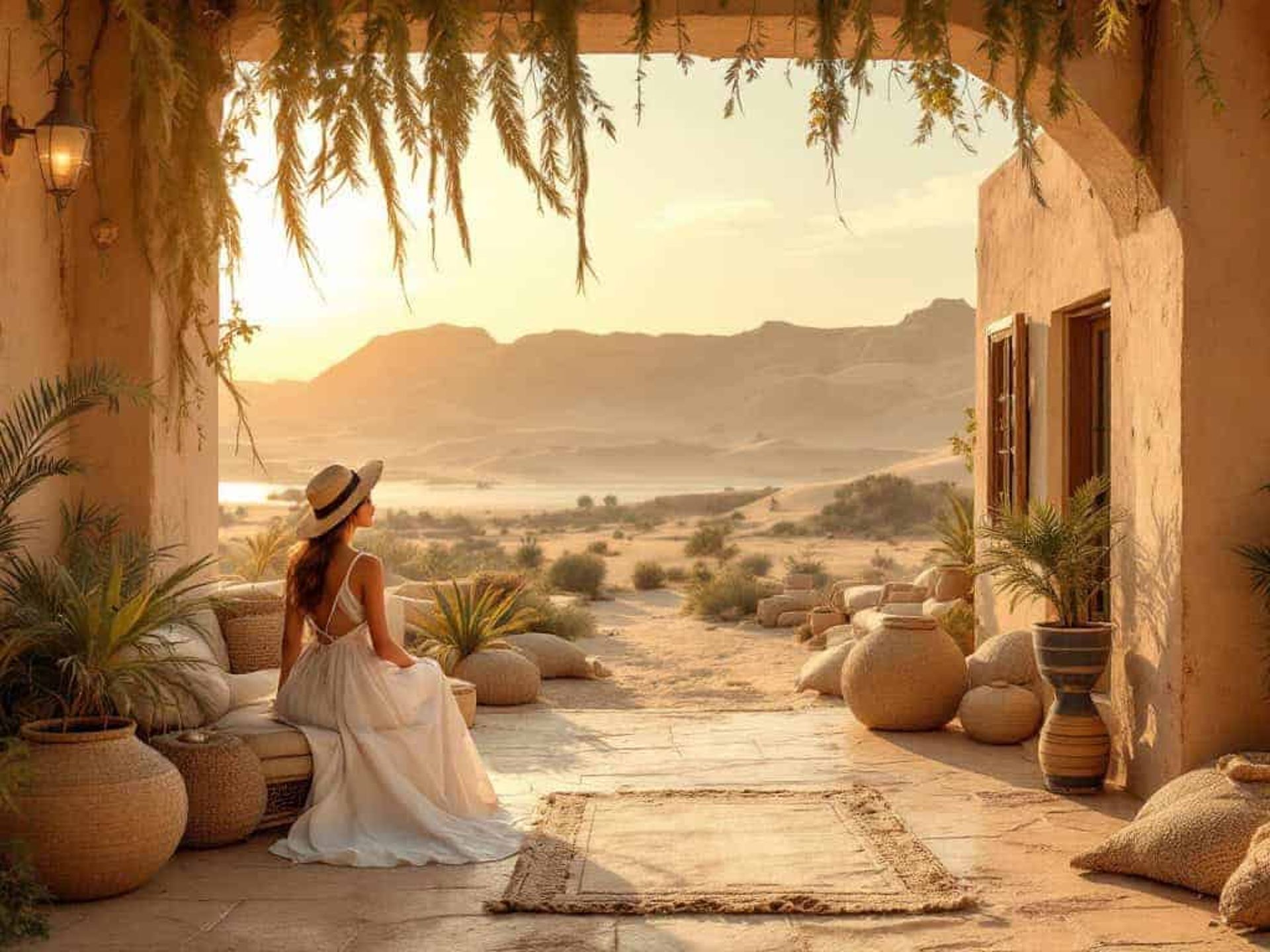
What makes Siwa Egypt worth the trip?
Siwa Egypt is worth the trip because it feels far from the rest of the country in the best way. The oasis mixes palm groves, salt lakes, natural springs, and a strong local culture that still shapes daily life. Travelers come for the quiet desert setting, but they remember the place for the people and the pace.
Siwa sits in Egypt’s Western Desert and has long drawn visitors who wanted something different from Cairo or the Nile Valley. The SOURCE article describes it as a hidden treasure, and that idea fits the experience on the ground. The roads are long, the horizon is wide, and the town feels tied to the land around it.
What should you see in Siwa Oasis?
Siwa Oasis has a short list of places that matter most, and each one gives you a different side of the oasis. Cleopatra’s Bath, Shali Fortress, the traditional market, and the Great Sand Sea are the core stops. Most travelers can cover the main sights without rushing if they plan the day well.
Why do travelers stop at Cleopatra’s Bath?
Cleopatra’s Bath is a natural spring pool that draws visitors who want a swim in clear water. The SOURCE says the water is mineral-rich and clear enough to see the sandy bottom. Palm fronds shade the pool, which makes the stop feel calm even when the desert heat rises.
Travelers usually visit for the setting as much as the water. The spring is one of the easiest places to connect Siwa’s desert setting with its sources of life, because the oasis itself depends on water. A short stop here works well before or after other sightseeing in town.
What is Shali Fortress like?
Shali Fortress is Siwa’s best-known historic site, and the SOURCE says it rises in the center of town like a sandcastle touched by time. The walls are made from kershef, a local mix of salt rock and mud-brick. The structure is weathered, uneven, and memorable because it shows how Siwa adapted building to desert conditions.
A walk around Shali is a good way to understand the old town layout and the local material tradition. The fortress does not feel polished, and that is part of its appeal. Travelers who like photographs should go when the light is soft, because the walls and passages show more texture then.
What is there to do in the Great Sand Sea?
The Great Sand Sea is where Siwa turns into a full desert experience. The SOURCE describes dune driving, sand surfing, and sunset views over the dunes. This is the part of the trip that feels most open and most remote, with long stretches of sand and very little else in view.
A guided desert outing makes sense here because the dunes can be difficult to navigate on your own. The best time for this part of the day is late afternoon, when the light softens and the desert color changes quickly. Travelers who want a slower pace can focus on the views instead of the adrenaline.
When is the best time to visit Siwa Oasis?
The best time to visit Siwa Oasis is October through April. The SOURCE gives those months as the ideal window, and that matches the practical reality of desert travel. Cooler weather makes walking, sightseeing, and desert outings easier than in the hottest months.
Siwa’s nights can feel very clear during the cooler season, which makes sunset and stargazing part of the appeal. Travelers planning a Siwa Egypt itinerary should avoid treating the oasis like a quick side stop. The drive is long, so the weather window matters more here than it does for many other destinations in Egypt.
What local culture will you notice in Siwa?
Siwa’s local culture is tied to the Amazigh people, also called Berber in the SOURCE, and that identity shows up in food, dress, jewelry, and everyday life. Travelers will notice hand-embroidered garments, silver jewelry, traditional bread, and a market that still feels local rather than built for mass tourism.
Siwan meals, salt-rock cooking, and the older building style give the oasis a strong regional character. The SOURCE also mentions therapeutic sand baths, which some visitors seek out as part of the desert experience. Those details matter because Siwa is not only about scenery, but about how people have lived in the desert for generations.
How should you plan a Siwa desert experience?
A good Siwa desert experience pairs town sights with at least one outing into the dunes. Most travelers do better when they divide the day into a morning of sightseeing and an afternoon desert drive. That keeps the schedule realistic and leaves time for a sunset stop.
Discovery Tours Egypt is a local company with Egyptologist-guided trips, which helps when you want context at historical and cultural stops. A guide can also help you pace the day, choose the right order for sights, and decide when to stay in town and when to head into the desert.
- Start with Shali Fortress before the day gets hot.
- Add Cleopatra’s Bath for a short swim or rest stop.
- Save the Great Sand Sea for late afternoon and sunset.
- Leave room for a market walk if you want local crafts and bread.
Why do travelers call Siwa one of Egypt’s hidden places?
Travelers call Siwa one of Egypt’s hidden places because the oasis is remote, distinctive, and slower than the country’s main tourist cities. The SOURCE uses that idea directly, and the setting supports it. Palm groves, springs, ruins, and desert all sit close together, but the mood stays quiet.
Siwa Egypt rewards travelers who want something more personal than a checklist stop. The place feels shaped by distance, water, and local tradition. That mix gives the oasis its appeal and explains why it keeps showing up in travel searches about Egypt hidden places.
Plan with us
Siwa Egypt: A travel guide to the oasis
Plan a Siwa Egypt trip with desert views, springs, ruins, and Amazigh culture. See the best time to visit and what to do.