
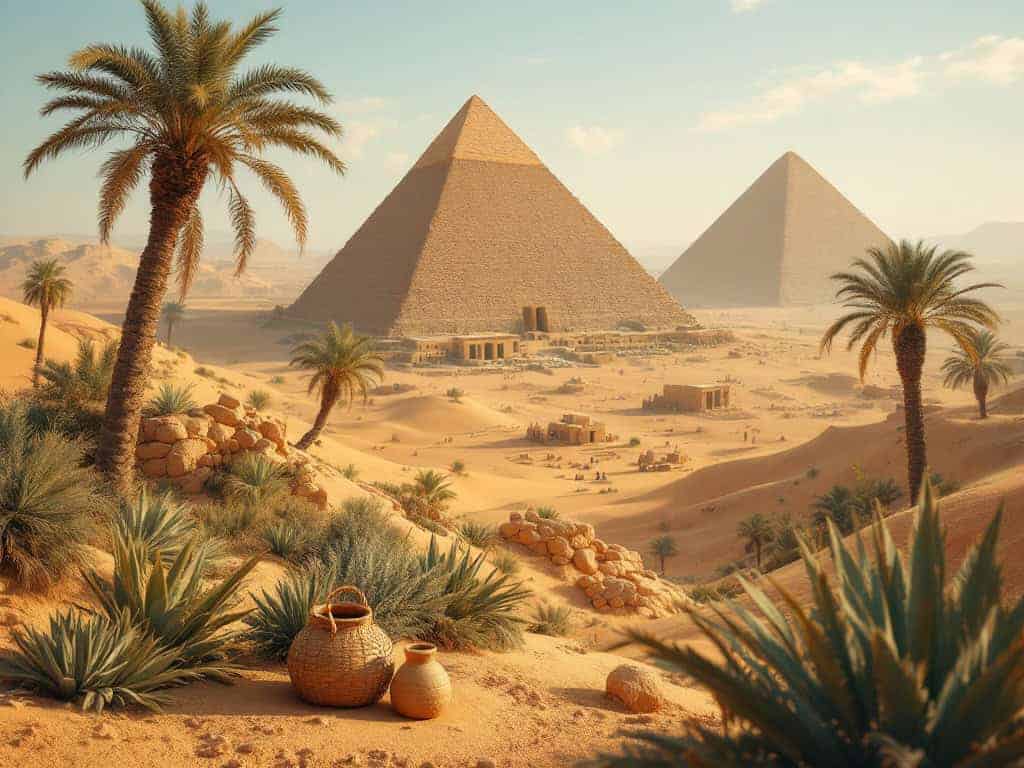
Egypt feels different depending on when you arrive: cool, crisp mornings along the Nile; blazing blue skies over the Red Sea; and endless golden light in the Western Desert. Your ideal month depends on what you want to do–temple visiting, Nile cruising, diving, beach time, or desert exploration–and how much heat and crowds you want to manage.
How Egypt’s seasons work
Egypt’s travel calendar is often grouped into three broad seasons–winter (peak), shoulder, and summer–but those labels play out differently across regions. A mild “winter” day in Cairo is not the same as winter on the Red Sea or in the desert. Knowing the patterns helps you match activities to the best windows.
Seasonal breakdown: what to expect
Winter (November–February) – peak season
Winter is the busiest season for first-time visitors and for Nile cruises. Day temperatures in Cairo and the Nile Valley are comfortable for walking and sightseeing, while evenings–on the Nile or in desert camps–can feel cool. Expect the largest crowds at major sites and lively activity in cities and resorts. This season also makes museum visits especially pleasant–note that the Grand Egyptian Museum, newly open in 2026, is a major draw for museum-goers.
- Ideal for temple visits, archaeological sites, and Nile cruises
- Soft, golden light at dawn and dusk–bring a light layer for cooler nights
- Book ahead: popular hotels and cruise cabins fill quickly
Shoulder seasons (March–April, September–October)
Shoulder months are often the smartest compromise: pleasant weather with fewer visitors. Spring can bring gusty khamsin winds and occasional sand, while autumn restores comfortable conditions across the Nile Valley and Red Sea after the hottest months.
- Smaller crowds at major sites
- Great balance for land touring and Red Sea diving
- Flexible option for photography and comfortable walks
Summer (May–August) – hot, quieter, and great for the Red Sea
Summer brings high temperatures across inland Egypt and the Nile Valley. Many travelers shift plans toward the Red Sea, where coastal breezes, warm water, and resort pools keep things comfortable. For land sightseeing, plan early-morning starts and shorter daytime itineraries to manage heat exposure.
- Best time for warm-water diving and snorkeling
- Fewer tourists at major archaeological sites
- Schedule outdoor activities for mornings and late afternoons
Region-by-region timing: match the place to the month
Egypt is long and varied. The Nile Valley (Cairo, Giza, Luxor, Aswan) has a different rhythm from the Red Sea coast and the deserts. Planning at the regional level makes a big difference to comfort and the experiences you can enjoy.
Cairo, Giza and the Nile Delta
Cairo and Giza are accessible year-round, but most visitors prefer late autumn through early spring for comfortable sightseeing and museum time. Winter brings cultural energy and long museum hours–especially attractive now that the Grand Egyptian Museum opened in 2026–while shoulder months offer fewer crowds and pleasant walking weather.
Luxor & Aswan (Upper Egypt and Nile cruising)
The Nile Valley through Luxor and Aswan is at its best in winter and the shoulder months. Summers are hot but manageable if you plan early-morning temple visits and shorter stops. If you want a relaxed cruise with comfortable onshore excursions, winter is the most agreeable season.
Red Sea resorts: Hurghada, Marsa Alam, Sharm El Sheikh
The Red Sea is a year-round diving destination. Summer offers the warmest water and typically calm seas; winter can have cooler surface temperatures but often superb underwater visibility. Resorts have their own microclimates, so plan around your priorities for water warmth, visibility, and resort activity.
Deserts and Sinai – experience vs endurance
Desert treks, bivouacs, and Sinai climbs are most comfortable in winter and the shoulder months. Summer days can be intensely hot even if nights cool down; if you’re after solitude and dramatic landscapes, work with experienced local guides and schedule activities for cooler times of day.
Festivals and special events–what to factor in
Egypt’s calendar includes religious observances, cultural festivals, and site-specific events that shape travelers’ experiences. Ramadan alters daily rhythms around the country and is a unique cultural moment to observe–some services and opening hours may differ during daylight. Seasonal ceremonies and spring festivals offer memorable spectacles; verify dates and arrangements before you travel.
Diving and snorkeling: windows and expectations
The Red Sea’s coral gardens are excellent year-round. Summer brings warmer sea temperatures and calm surface conditions; winter often offers outstanding underwater visibility and comfortable diving conditions with slightly cooler surface temps. From gentle house reefs to dramatic walls, the Red Sea has sites for every level. For liveaboards and specialized itineraries, check current schedules and talk with Egypt travel specialists when booking.
Practical planning: packing and pacing
Packing and pacing change with the season. Layer for the Nile Valley; bring breathable fabrics and strong sun protection for the Red Sea and deserts; and carry a light jacket for cooler evenings on boats and terraces. Comfortable walking shoes are essential at archaeological sites and in markets. Check CDC travel guidance, and carry any recommended vaccines or medications before departure.
- Sun hat, high-SPF sunscreen, and sunglasses year-round
- Light sweater or scarf for evenings and museums
- Reusable water bottle and electrolyte options for hot days
- Modest clothing for visiting religious sites and conservative areas
- Small daypack for water, snacks, camera, and local purchases
Crowds, costs and the tradeoffs
Peak season brings the most competition for rooms, guides, and cruise cabins–but it also offers the most reliable weather for long days outdoors. Shoulder months are a compromise: fewer crowds, often similar daylight quality, and more flexible availability. Summer provides the best value for logistics and is ideal for travelers focused on water activities who can handle the heat.
How to choose the right time for your trip
Start with priorities: is this a first-time highlights tour, a photography trip, a dive holiday, or a desert adventure? Match those activities to region and season. For comfortable first visits with lots of daylight for temples and museums, winter or the shoulder months are ideal. If snorkeling, diving, or resort relaxation is your focus, summer may suit you best.
Final thoughts: timing for your kind of Egypt
There’s no single best month to visit Egypt–only the best month for the experience you want. Winter is excellent for classic sightseeing and river cruises; shoulders deliver fewer crowds and good weather; summer rewards water lovers and travelers seeking quieter sites. With regional planning and a little flexibility, you can design a trip that delivers the moments you came for.
If you’d like help choosing dates or building an itinerary, contact our Egypt travel specialists. We’ll factor in seasonal events, regional weather, and your personal preferences to craft a plan that makes the most of every day–check current details before travel.
Plan with us
The Best Time to Visit Egypt: Seasonal Guide
Plan your Egypt trip with a region-by-region seasonal guide for U.S. travelers–weather, crowds, festivals, diving windows, packing tips, and practical tradeoffs. Start planning today.