
What makes Egyptian street food worth trying?
Egyptian street food is worth your time because it is cheap, filling, and tied to daily life. You taste the country in dishes locals eat for lunch, breakfast, and late-night meals. Cairo leads the scene, but Alexandria and other cities also have strong local food traditions.
Egyptian street food pulls from Mediterranean, Middle Eastern, and North African cooking. That mix gives you familiar foods with local twists, especially in the spices, sauces, and breads. The best meals often come from simple stalls where the line moves fast and the food keeps turning over.
What are the best Egyptian street foods to try?
The best Egyptian street foods are koshari, ta’ameya, shawarma, ful medames, and basbousa. These dishes give you a clear picture of what people eat across Egypt, from a full meal to a quick snack or sweet bite after dinner.
What is koshari?
Koshari is Egypt’s best-known street dish and one of the easiest meals to love. A typical bowl mixes rice, lentils, pasta, tomato sauce, fried onions, and vinegar. The result is hearty, vegetarian, and built to fill you up without costing much.
Koshari Abu Tarek in downtown Cairo is the name most travelers hear first. Expect a fast-moving line, large portions, and locals who know exactly what they want. Koshari works well for lunch, especially if you want one dish that feels like a full meal.
What is ta’ameya?
Ta’ameya is Egypt’s version of falafel, and it is made from crushed fava beans, not chickpeas. That gives it a softer flavor and a lighter green center when it is fried fresh. Most people eat it in pita with tahini and salad.
Ali Baba in Zamalek is a popular Cairo stop for fresh ta’ameya sandwiches. The sandwich works best when it is made to order, still hot, and packed with herbs. Many travelers find it one of the easiest breakfasts to order after arriving in Egypt.
What is shawarma in Egypt?
Shawarma in Egypt is shaved meat cooked on a vertical spit, usually chicken or beef, then wrapped in pita with garlic sauce, pickles, and tahini. The flavor is savory and direct, and the smell often reaches you before the stall does.
Shawarma El-Masry is a go-to name for many visitors looking for a quick bite. Shawarma works well when you need a fast meal between sightseeing stops, since it is easy to carry and eat on the move.
What is ful medames?
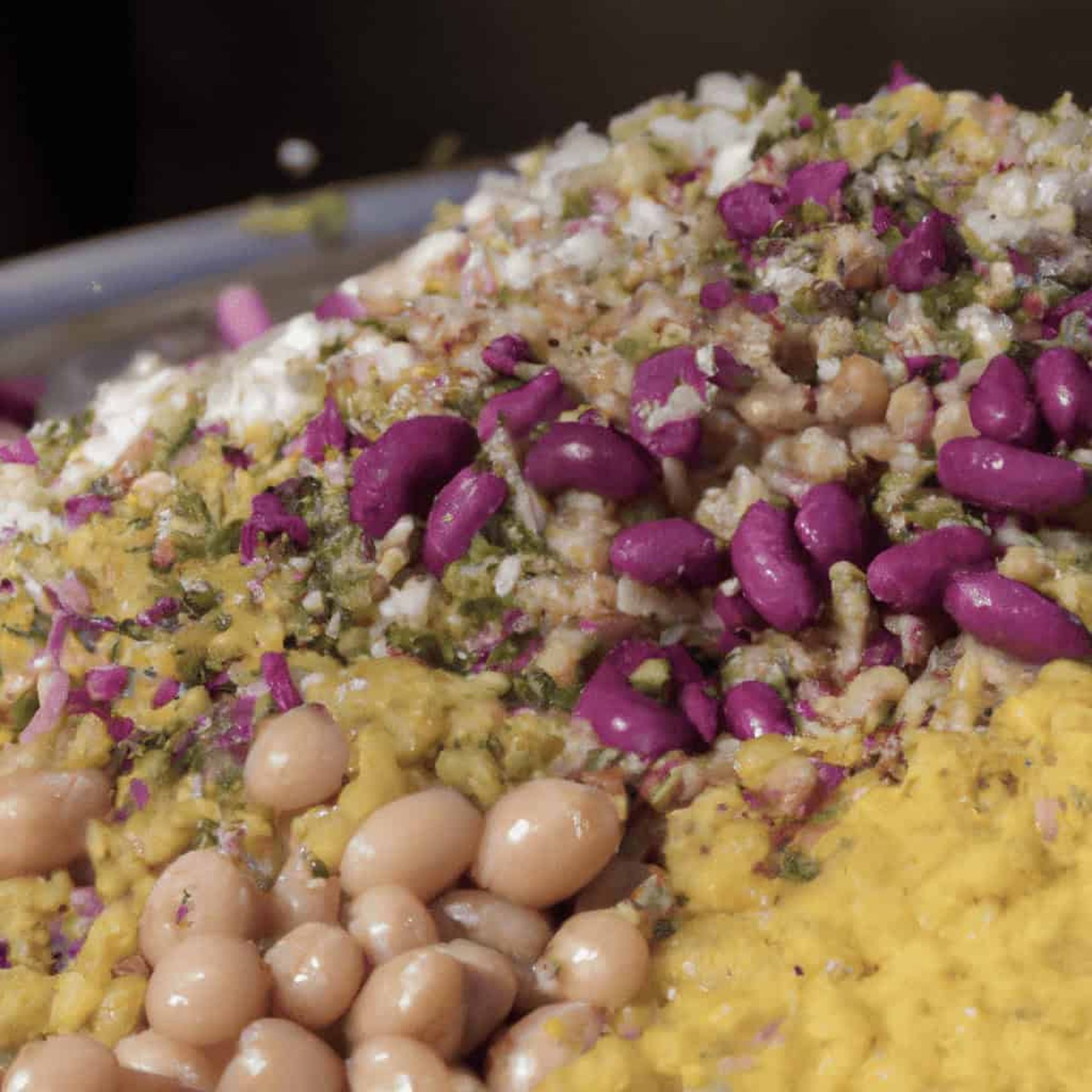
Ful medames is a classic Egyptian breakfast made from slow-cooked fava beans with olive oil, lemon, garlic, and spices. Locals eat it early, but you can find it through much of the day. The dish is simple, filling, and easy to recognize once you see it served in a bowl or sandwich.
El-Fishawy Café in Khan El-Khalili is a traditional place to try ful medames in one of Cairo’s best-known market settings. The area is busy and touristy, but it still gives you a useful look at a long-running Cairo food habit.
What is basbousa?
Basbousa is a semolina cake soaked in syrup and often topped with coconut or almonds. The texture is soft and sweet without feeling heavy. Travelers usually find it as a bakery treat or a dessert after a savory meal.
Local bakeries in Cairo and Alexandria are good places to look for fresh basbousa. Markets also sell it, especially later in the day. Ask for a small piece if you want to leave room after a full meal like koshari or shawarma.
Where should you eat street food in Cairo?
Cairo is the best city for street food in Egypt because the choice is wide and the pace is fast. Downtown Cairo, Zamalek, and Khan El-Khalili all have different food scenes, from no-frills local spots to more tourist-facing cafes.
Downtown Cairo is the right place for koshari and shawarma. Zamalek works well for ta’ameya and other casual meals. Khan El-Khalili is better for a market stop, a tea break, and ful medames in an old Cairo setting.
How do you choose a good street food stall?
A good street food stall in Egypt is busy, clean enough to trust at a glance, and moving food out quickly. Local traffic matters more than a fancy setup. The best signs are a steady line, fresh bread, and food made while you watch.
- Choose stalls with locals eating there, not empty ones.
- Look for food that is cooked or assembled fresh.
- Pick places where the busiest hour keeps the ingredients moving.
- Use a food tour if you want help ordering in Cairo.
Is Egyptian street food safe to eat?
Egyptian street food can be safe to eat when you choose busy vendors and food made fresh. A steady flow of customers usually means higher turnover and less time sitting out. Travelers should use common sense and avoid places that look dirty or slow-moving.
Many first-time visitors do best by starting with cooked dishes such as koshari, shawarma, and ful medames. Freshly fried ta’ameya is also a solid choice when it comes out hot. If you are unsure, ask your guide or choose a stall where local families are eating.
What should vegetarians order in Egypt?
Vegetarians have strong options in Egypt, and some of the best-known street dishes are plant-based. Koshari, ta’ameya, and ful medames are the three easiest orders for a meat-free meal. Each one is filling enough to work as lunch or breakfast.
Ask about sauces and sides if you want to keep the meal fully vegetarian. Most stalls understand these dishes well, but bread, pickles, and toppings can vary. A simple order is often the best order when you are traveling and trying a place for the first time.
What are the top foods in Egypt for first-time visitors?
First-time visitors should start with koshari, ta’ameya, shawarma, ful medames, and basbousa. That list gives you a main meal, a breakfast sandwich, a meat option, a bean dish, and a dessert. The range is enough to understand why Egyptian street food has such a strong following.
If you only have one food stop, choose koshari. If you want a morning meal, choose ta’ameya or ful medames. If you want something you can carry between sights, shawarma is the easiest pick.
Plan with us
Best Egyptian street food to try in Egypt
Try Egyptian street food in Cairo and beyond, from koshari to ta’ameya, with local advice on where and how to eat well.