

Why the River Nile Is Important to Ancient Egypt
The story of ancient Egypt cannot be told without the River Nile. For thousands of years, this mighty river shaped every aspect of Egyptian life, from agriculture and religion to trade, politics, and architecture. When historians ask why the river Nile is important, the answer goes far beyond water—it was the foundation of an entire civilization.
The River Nile was important to ancient Egypt because it provided fertile land, predictable seasons, and a natural highway connecting Upper and Lower Egypt. Without it, the pyramids, temples, and complex society we admire today would never have existed.
Even today, travelers sailing on modern Nile Cruises, and Luxury Nile Cruises follow the same ancient route once used by pharaohs, traders, and priests—proof of the Nile’s timeless importance.
Why the River Nile Was Important to Ancient Egypt
The Nile and Agriculture – Feeding a Civilization
One of the main reasons the river Nile was important to ancient Egypt was agriculture. Each year, between July and October, the Nile flooded its banks, depositing rich black silt known as kemet. This fertile soil allowed crops to grow abundantly.
Ancient Egyptians cultivated:
- Wheat and barley for bread and beer
- Flax for linen clothing
- Vegetables, fruits, and legumes
This agricultural surplus supported a growing population and freed people to become artisans, architects, priests, and scribes—roles essential for civilization.
Without the Nile’s floods, Egypt would have been a desert wasteland. With them, it became the breadbasket of the ancient world.
The Nile as a Source of Fresh Water
Fresh drinking water was another critical reason the river Nile was important. The Nile supplied water for:
- Drinking and cooking
- Bathing and hygiene
- Livestock
- Irrigation canals
Daily life revolved around the river. Villages were built close to its banks, and homes, temples, and cities aligned with its flow. Even today, most of Egypt’s population lives along the Nile, continuing an ancient pattern.
Transportation and Trade Along the Nile
The Nile was ancient Egypt’s main transportation route. Traveling by land through deserts was slow and dangerous, but the river offered a natural highway.
Thanks to predictable winds:
- Boats sailed south using the wind
- Boats drifted north using the current
This made trade efficient and safe. Goods such as gold, stone, grain, papyrus, and luxury items moved easily between regions. The Nile connected Egypt internally and linked it to Nubia, the Levant, and beyond.
Modern travelers experience this same route through nile river cruises, following paths used thousands of years ago.
The Nile’s Role in Religion and Mythology
Religion was deeply connected to nature, and no natural feature was more sacred than the Nile. The ancient Egyptians believed the river was a divine gift.
Key religious beliefs included:
- Hapi, the god of the Nile floods
- The belief that the Nile’s cycles mirrored life, death, and rebirth
- The idea that the afterlife reflected the fertile lands along the river
Many temples were built facing the Nile, and rituals were timed with its flooding. The river symbolized order (Ma’at) in a world surrounded by chaos.
Political Power and National Unity
The river Nile was important to ancient Egypt because it unified the country. The river flowed through both Upper and Lower Egypt, binding them into one kingdom.
Control of the Nile meant:
- Control of food supplies
- Economic stability
- Political legitimacy
Pharaohs were seen as divine rulers who maintained harmony between the gods, the Nile, and the people. When floods were good, the pharaoh was favored by the gods. When they failed, it threatened political stability.
Daily Life Along the Nile River
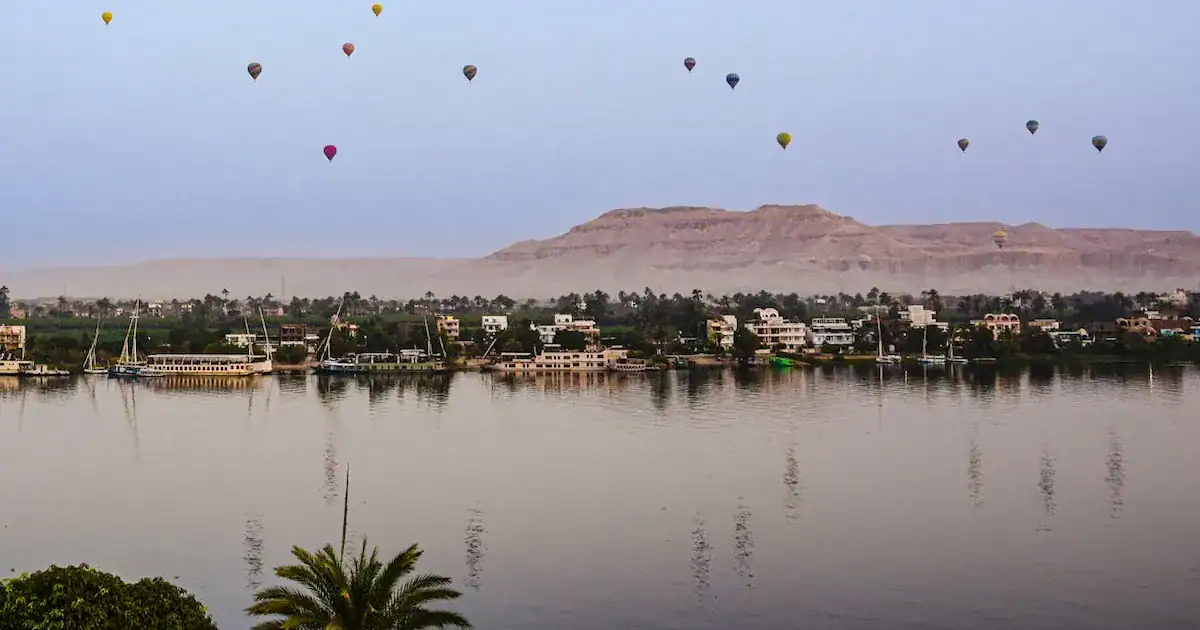
Life in ancient Egypt followed the rhythm of the Nile. The year was divided into three seasons:
- Akhet (Flooding season)
- Peret (Planting and growing)
- Shemu (Harvest)
Each season dictated work, festivals, and religious ceremonies. Fishing, farming, boat building, and trading all depended on the river’s cycles.
Today, visitors exploring Egypt through curated Egypt Tour Packages still see villages, farms, and traditions rooted in this ancient relationship with the Nile.
The Nile and Architecture – Building a Legacy
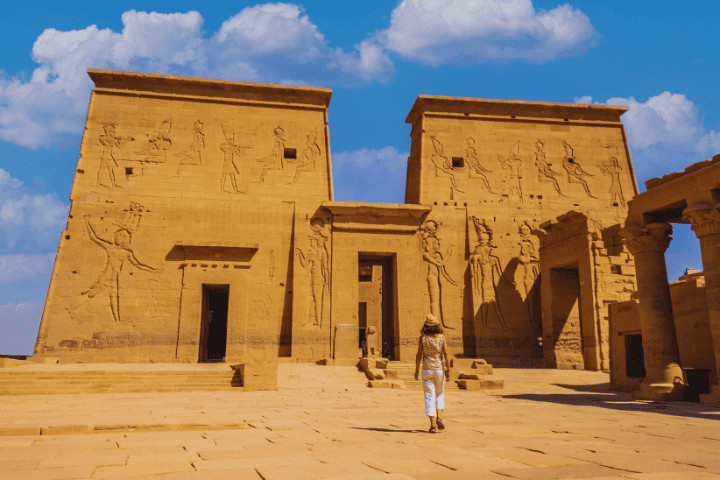
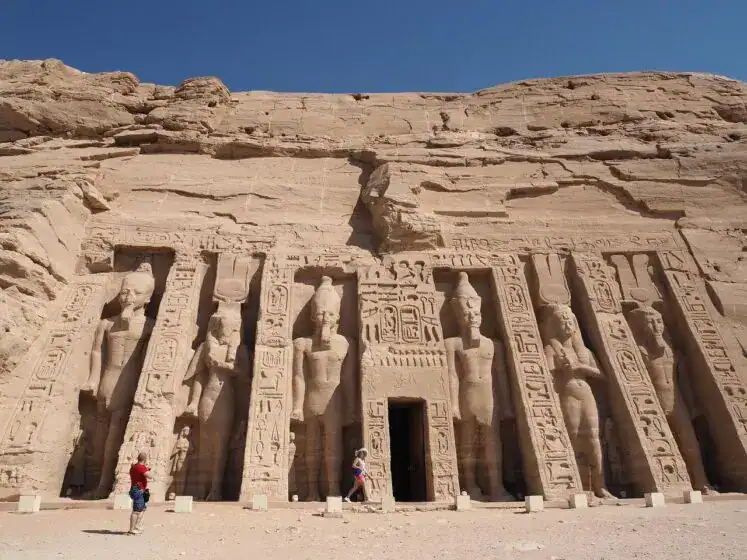
The Nile also enabled Egypt’s monumental architecture. Stone blocks for pyramids and temples were transported via the river, making large-scale construction possible.
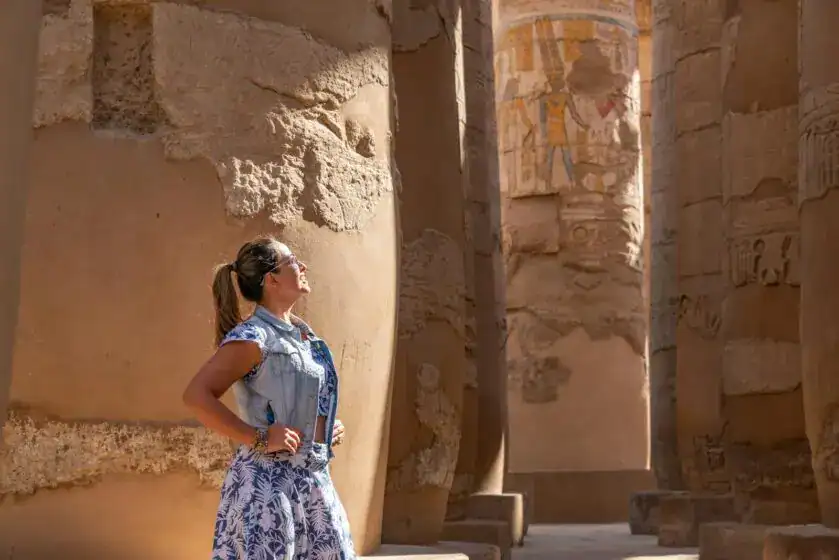
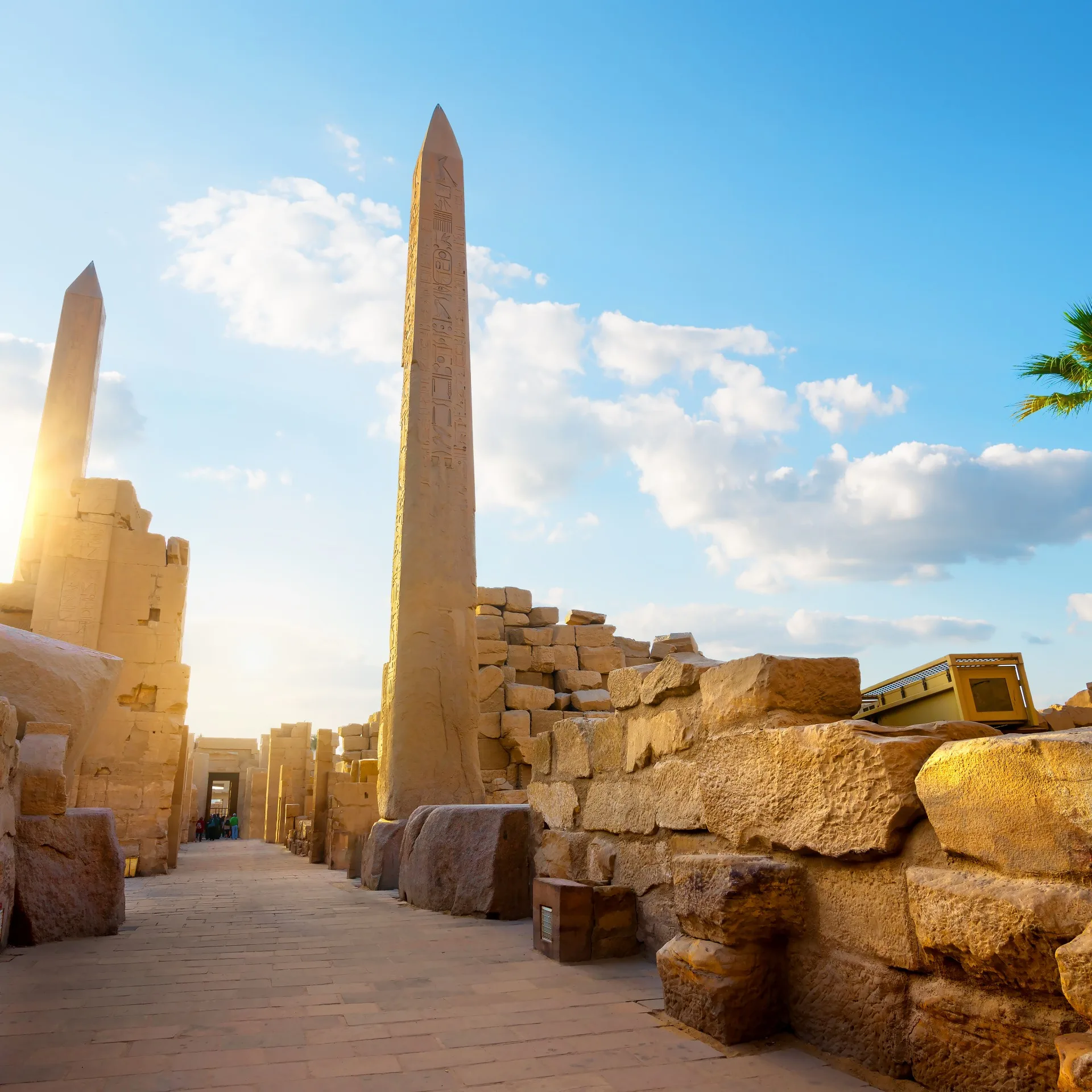
Major sites along the Nile include:
- Luxor and Karnak Temples
- Valley of the Kings
- Philae Temple
- Edfu and Kom Ombo
Many of these sites are best explored on a Dahabiya Nile Cruise, offering a slower, more traditional sailing experience similar to ancient boats.
Expert Insights & Practical Tips for Modern Travelers
If you want to truly understand why the river Nile is important, experiencing it firsthand is invaluable.
Travel Tips:
- Choose a cruise that includes historical lectures
- Visit temples at sunrise or sunset for context and atmosphere
- Combine river travel with land tours for deeper insight
Best Experiences:
- Nile Cruises for classic sightseeing
- Deluxe Nile Cruises for comfort and expert guides
- Luxury Nile Cruises for immersive, high-end experiences
Exploring the Nile is not just sightseeing—it’s stepping into living history.
External Historical Perspective
According to Wikipedia, the Nile was the backbone of ancient Egyptian civilization, enabling agriculture, trade, and centralized government for over 3,000 years. This historical consensus reinforces why scholars continue to study the river’s role in shaping human history.
Conclusion – Why the River Nile Still Matters
So, why was the river Nile important to ancient Egypt? Because it made life possible. It fed the people, connected the land, inspired religion, supported power, and created one of the world’s most remarkable civilizations.
Today, the Nile remains Egypt’s lifeline—just as it was thousands of years ago. Whether you explore it through history books or sail its waters on unforgettable nile river cruises, the story of Egypt always begins—and ends—with the Nile.
Explore curated Egypt Tour Packages or contact us to plan your journey along the legendary river.
FAQ Section – River Nile & Ancient Egypt
1. Why was the River Nile important to ancient Egypt?
The Nile provided water, fertile soil, transportation, and trade routes. Without it, ancient Egyptian civilization could not have survived.
2. How did the Nile flooding help farmers?
Annual floods deposited nutrient-rich silt, allowing farmers to grow crops consistently and support large populations.
3. Did religion influence how Egyptians viewed the Nile?
Yes, the Nile was considered sacred and associated with gods, rebirth, and divine order.
4. How did the Nile affect ancient Egyptian trade?
It acted as a natural highway, enabling easy transport of goods across the kingdom and beyond.
5. Can travelers still follow the ancient Nile route today?
Absolutely. Modern Nile Cruises follow the same paths used by ancient Egyptians.
6. What animals lived in the Nile during ancient times?
Crocodiles, hippos, fish, and birds were common and featured heavily in mythology.
7. Why were temples built along the Nile?
Temples were aligned with the river for religious, practical, and symbolic reasons.
8. What is the best way to explore Nile history today?
Combining Egypt Tour Packages with river cruises offers the most complete experience.