
Why is Egypt known as the Gift of the Nile? This famous phrase is more than a poetic description—it is a historical truth that explains how one river gave birth to one of the greatest civilizations the world has ever known. Without the Nile, Egypt would be nothing more than endless desert. With it, Egypt became a land of abundance, culture, power, and innovation.
The idea of Egypt as the Gift of the Nile reflects how deeply the river shaped Egyptian life—agriculture, religion, trade, politics, and even beliefs about the afterlife. For thousands of years, the Nile provided water, fertile soil, and a natural highway connecting Upper and Lower Egypt.
Today, travelers experience this living history through unforgettable Nile Cruises, elegant Luxury Nile Cruises, and authentic Dahabiya Nile Cruises, sailing the same waters that once sustained pharaohs and farmers alike.
Context & Background – Understanding the Meaning of “Gift of the Nile”
The phrase “Egypt is the Gift of the Nile” is attributed to the ancient Greek historian Herodotus, who visited Egypt in the 5th century BCE. When he observed the stark contrast between Egypt’s lush riverbanks and the surrounding desert, he understood something profound: Egypt existed because of the Nile.
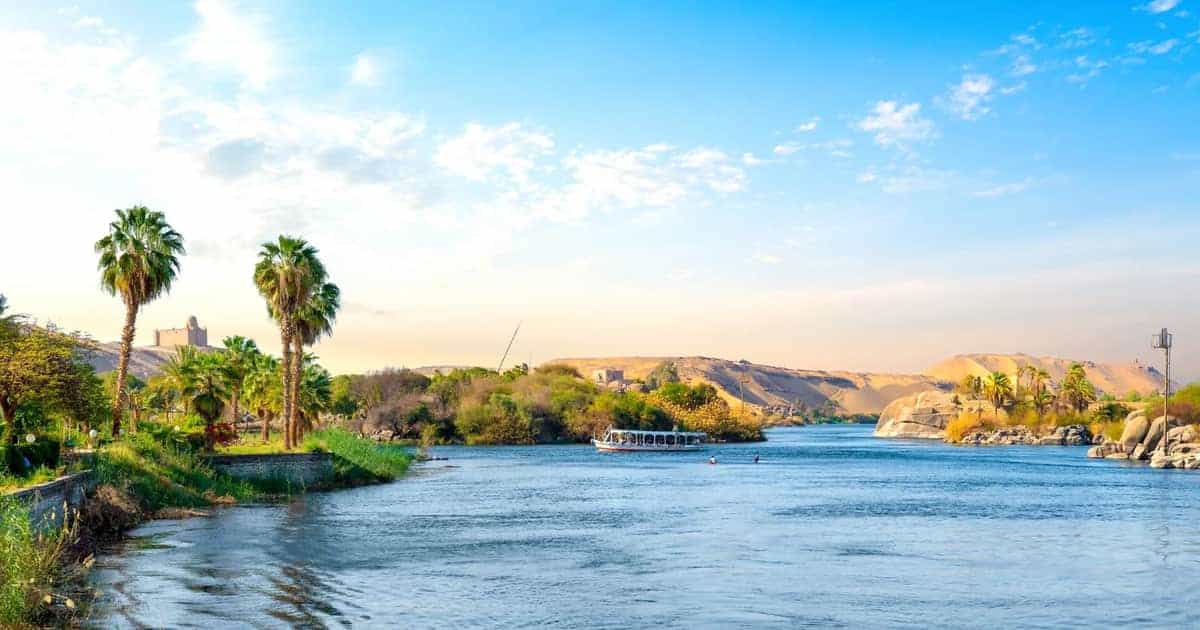
Geographically, over 95% of Egypt is desert. Rainfall is extremely limited, and without a permanent water source, large-scale settlement would have been impossible. The Nile changed everything. It transformed a harsh, lifeless environment into fertile land capable of supporting millions.
This is why the gift of the Nile is not symbolic—it is literal. The river gave Egypt:
- Life-sustaining water
- Fertile agricultural land
- Transportation and trade routes
- Stability and predictability
Every major ancient Egyptian city developed along the Nile, and even today, most of Egypt’s population lives close to its banks.
Why Egypt Is Known as the Gift of the Nile
The Nile and Agriculture – Feeding an Entire Civilization
The most important reason Egypt is called the Gift of the Nile lies in agriculture. Each year, the Nile flooded its banks during the summer months, depositing rich, dark silt known as kemet—the “black land.”
This natural fertilizer allowed ancient Egyptians to grow crops consistently, including:
- Wheat and barley for bread and beer
- Flax for linen
- Fruits, vegetables, and legumes
Unlike other ancient civilizations that suffered unpredictable floods or droughts, Egypt benefited from the Nile’s reliable cycle. This agricultural surplus supported population growth and allowed specialization in crafts, writing, science, and architecture.
Without the Nile’s floods, ancient Egypt could not have sustained its people—making the river the ultimate gift.
Water as Life – The Nile’s Daily Importance
Fresh water was rare in the ancient world, especially in desert regions. The Nile provided clean water for:
- Drinking and cooking
- Bathing and hygiene
- Irrigation canals
- Livestock
Daily life revolved around the river. Villages, farms, and cities were built close to its banks, and people structured their routines around its flow. Even today, this pattern remains unchanged, reinforcing why Egypt continues to be the Gift of the Nile.
The Nile as a Natural Highway for Trade and Unity
The Nile was ancient Egypt’s main transportation route. Traveling across deserts was slow and dangerous, but the river allowed goods and people to move efficiently.
Thanks to the Nile:
- Boats traveled south using wind power
- Boats traveled north using the river current
This made trade easier and cheaper. Stone, gold, grain, papyrus, and luxury items moved freely across the kingdom. The river unified Upper and Lower Egypt, strengthening political control and cultural identity.
Modern travelers still follow this ancient path on nile river cruises, experiencing Egypt exactly as it was meant to be seen—from the water.
Religion, Mythology, and the Sacred Nile
Religion was at the heart of ancient Egyptian life, and the Nile played a sacred role. Egyptians believed the river was a divine gift from the gods.
Key beliefs included:
- Hapi, the god of the Nile floods
- The idea that the Nile’s cycles represented death and rebirth
- The belief that the afterlife mirrored the fertile lands of Egypt
Many temples were built facing the river, and religious festivals were timed with the flooding season. The Nile was not just a river—it was a symbol of divine order and balance.
Political Power and Stability
Control of the Nile meant control of Egypt. Pharaohs were seen as divine rulers responsible for maintaining harmony between the gods, the land, and the people.
Good floods meant prosperity and political stability. Poor floods could lead to famine and unrest. This connection reinforced the belief that Egypt’s success—and survival—was a Gift of the Nile granted by divine favor.
Life Along the Nile – Seasons, Society, and Culture
Ancient Egyptians divided the year into three seasons based on the Nile:
- Akhet – Flooding season
- Peret – Growing season
- Shemu – Harvest season
These seasons governed work schedules, religious ceremonies, and social life. During floods, farmers repaired tools and built monuments. During harvest, the land flourished.
Visitors exploring Egypt through curated Egypt Tour Packages can still see this ancient rhythm reflected in modern farming communities along the river.
Architecture and Monuments – Built by the Nile
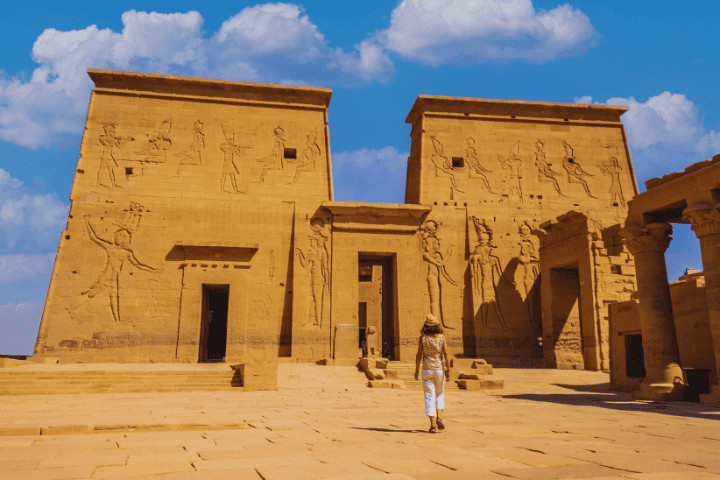
The Nile made Egypt’s monumental architecture possible. Massive stone blocks used for temples and pyramids were transported along the river, reducing effort and cost.
Iconic sites lining the Nile include:
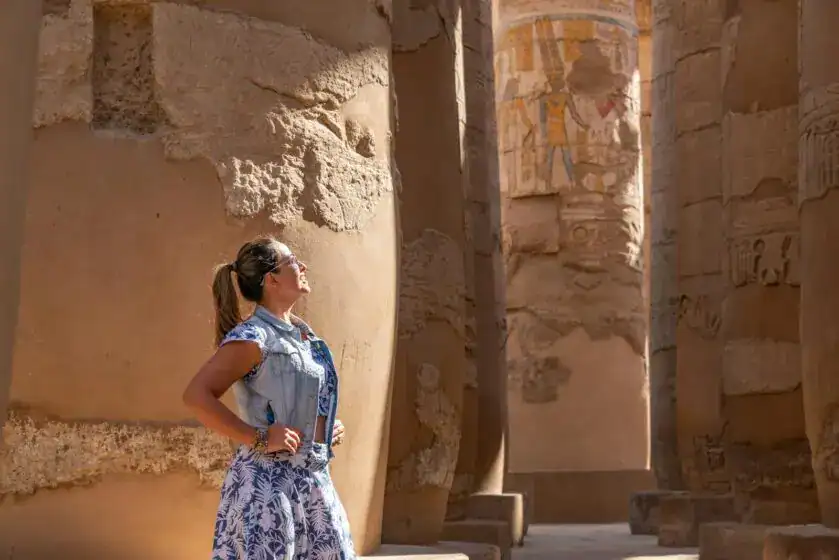
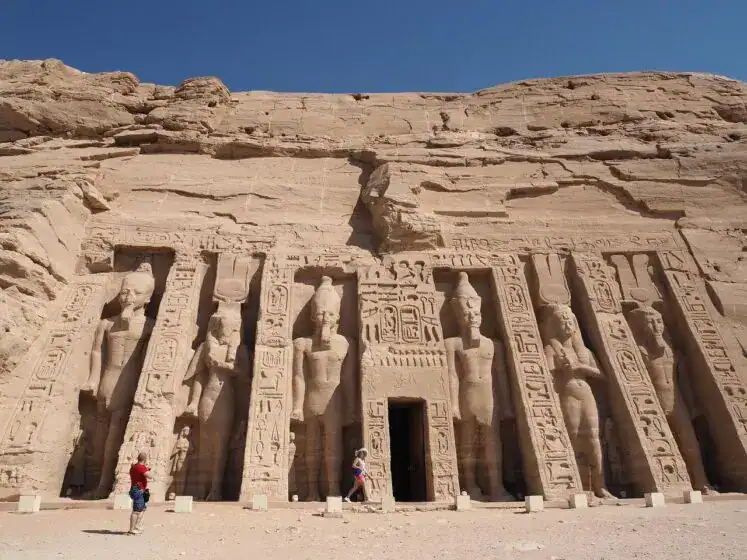
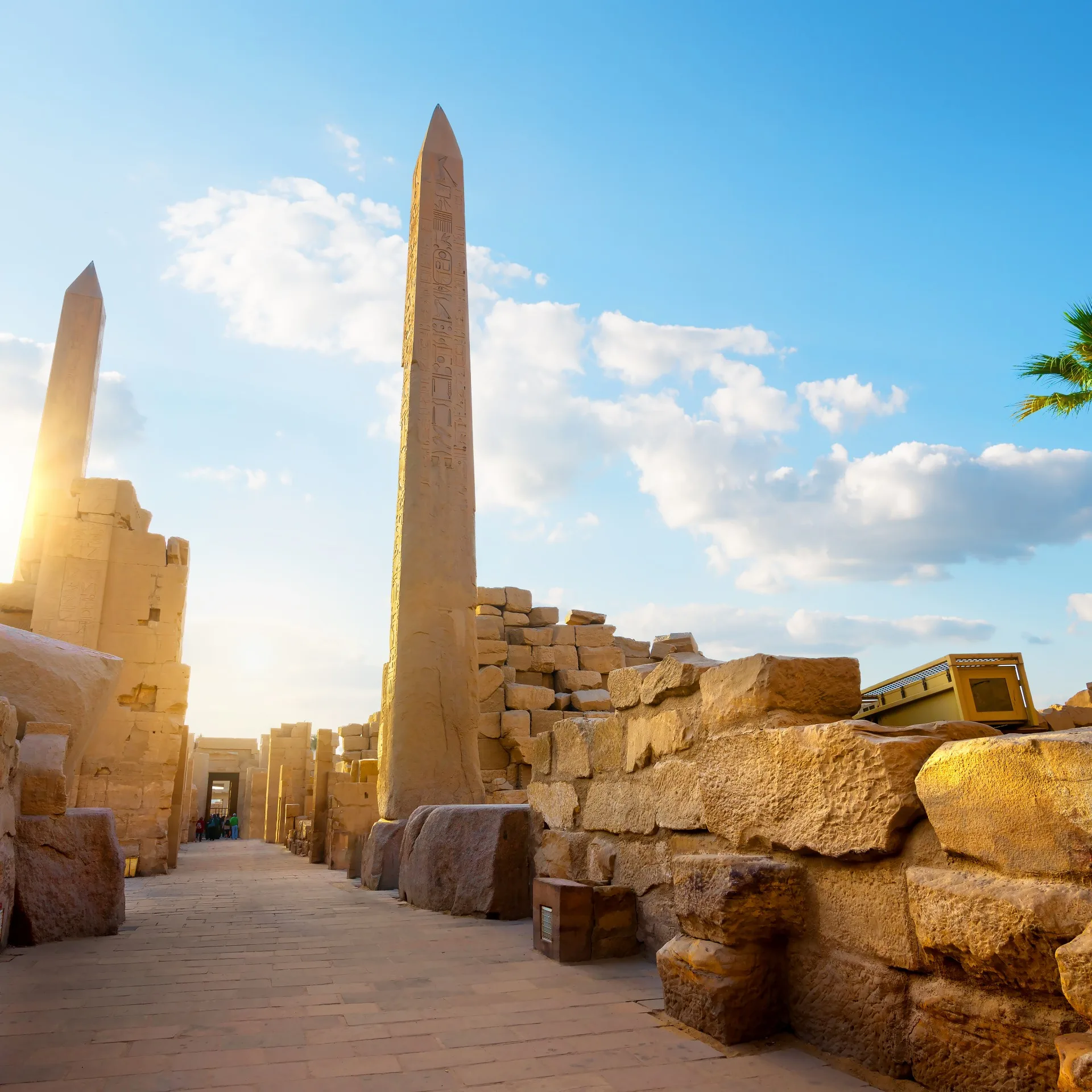
- Karnak and Luxor Temples
- Valley of the Kings
- Edfu and Kom Ombo
- Philae Temple
Many of these sites are best experienced on a Dahabiya Nile Cruise, offering a slower, more intimate journey similar to ancient sailing traditions.
Expert Insights & Practical Tips for Modern Travelers
Understanding why Egypt is the Gift of the Nile becomes even more powerful when you experience it firsthand.
Practical Travel Tips:
- Sail the Nile to understand Egypt’s geography
- Choose guided cruises with expert Egyptologists
- Visit temples early morning or late afternoon
Best Ways to Explore:
- Nile Cruises for classic sightseeing
- Luxury Nile Cruises for comfort and depth
- Dahabiya Nile Cruises for authenticity and exclusivity
Pair your river journey with immersive Egypt Tour Packages to see how ancient and modern Egypt connect seamlessly.
External Historical Perspective
According to Wikipedia, ancient Egypt developed as a civilization because of the Nile’s predictable flooding and fertile lands, which supported agriculture and centralized governance for over 3,000 years. This historical consensus confirms why Egypt is universally recognized as the Gift of the Nile.
Conclusion – The Timeless Gift of the Nile
So, why is Egypt known as the Gift of the Nile? Because the river gave Egypt everything—life, food, stability, culture, and legacy. It transformed desert into civilization and allowed one of humanity’s greatest societies to flourish.
Even today, the Nile remains Egypt’s lifeline. When you sail its waters, you’re not just traveling—you’re witnessing the reason Egypt exists at all.
Explore unforgettable journeys through nile river cruises, or plan your adventure with expertly designed Egypt Tour Packages. The gift is still flowing.
FAQ Section – Gift of the Nile
1. Why is Egypt called the Gift of the Nile?
Because the Nile provided water, fertile land, and stability that allowed Egyptian civilization to exist in an otherwise desert region.
2. Who first said Egypt is the Gift of the Nile?
The phrase is attributed to the Greek historian Herodotus in the 5th century BCE.
3. How did the Nile help ancient Egyptian farmers?
Annual floods deposited fertile soil, making farming reliable and productive.
4. Is the Nile still important to Egypt today?
Yes, most of Egypt’s population lives along the Nile, and it remains vital for agriculture and daily life.
5. Can tourists experience the Gift of the Nile today?
Absolutely. Nile Cruises offer a unique way to experience Egypt’s history and landscapes.
6. Why were temples built near the Nile?
The Nile was sacred and practical, providing water, transport, and spiritual symbolism.
7. What animals lived in the Nile in ancient times?
Crocodiles, hippos, fish, and birds were common and featured in religion and art.
8. What is the best way to explore Nile history?
Combining river cruises with curated Egypt Tour Packages offers the deepest insight.