
What Luxor Is Known For: Egypt’s Temple and Tomb Capital
Step into Luxor, where ancient history isn’t just preserved it’s alive. What Luxor Is Known For is its extraordinary collection of temples and tombs, unmatched anywhere else in Egypt. Located on the banks of the Nile, Luxor was once the ancient city of Thebes, the religious heart of the New Kingdom.
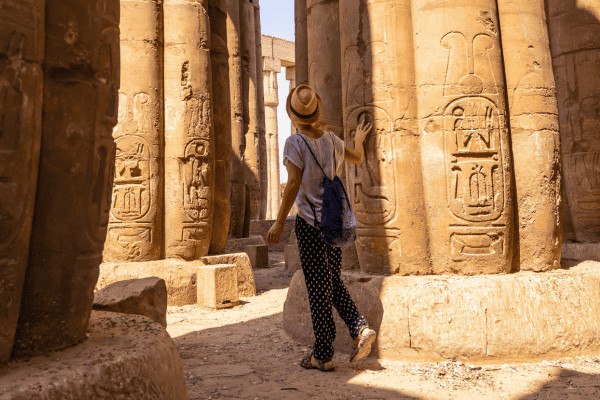
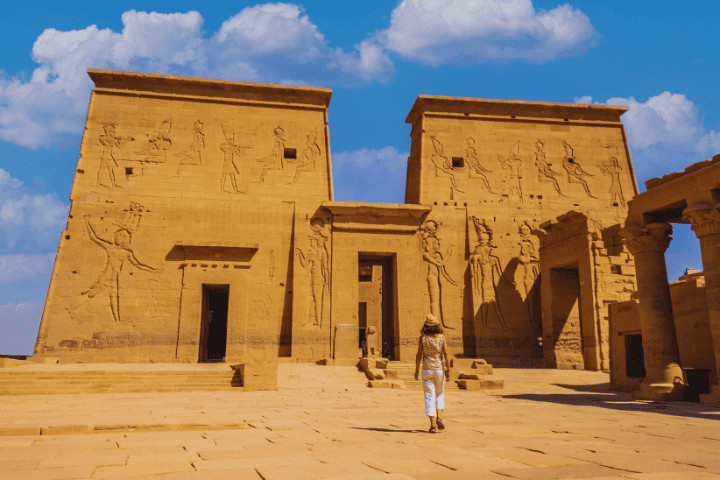
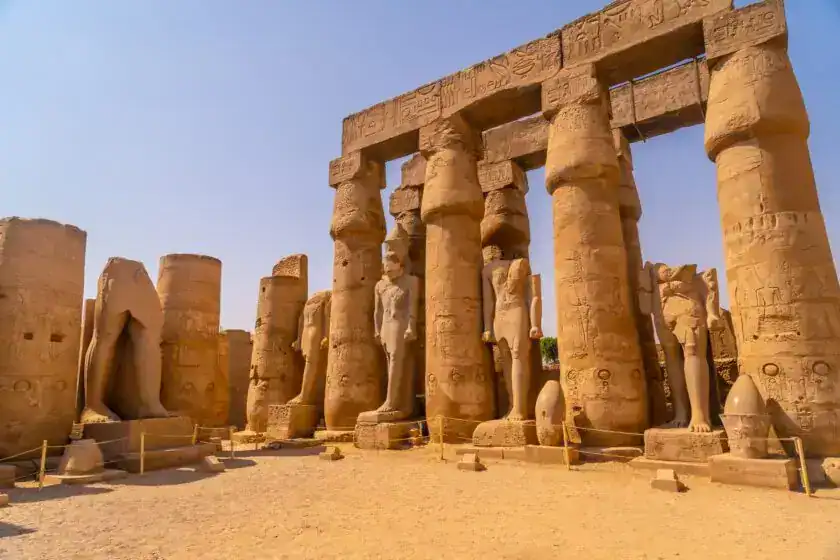
On the East Bank, you’ll encounter the monumental Luxor Temple and the vast Karnak Temple Complex, famous for its towering columns, obelisks, and sacred lake. Across the river, the West Bank holds the Valley of the Kings final resting place of pharaohs including Tutankhamun and the Valley of the Queens. These richly decorated tombs unveil Egypt’s royal secrets in vivid color and remarkable preservation.
Whether you’re drawn to hieroglyphs, mythological art, or architectural feats, Luxor’s archaeological wealth tells stories of gods, kings, and daily life over 3,000 years ago. This is not just a destination it’s a time capsule waiting to be explored.
Inside Luxor: East and West Bank Wonders Explained
Few places reveal the duality of ancient life like Luxor, where the East Bank and West Bank represent two distinct sides of Egyptian civilization life and afterlife. On the lively East Bank, the sprawling Karnak Temple Complex offers a mind-blowing walk through ceremonial halls, with its Hypostyle Hall alone containing 134 massive columns. Nearby, the Luxor Temple dazzles under evening lights, showcasing statues of Ramses II and intricate carvings from multiple dynasties.
Cross the Nile to the quieter West Bank, where you’ll encounter tombs and mortuary temples surrounded by desert cliffs. The Valley of the Kings houses more than 60 royal tombs, including King Tutankhamun’s famously discovered chamber. Nearby, the Mortuary Temple of Hatshepsut stands as a stunning tribute to one of Egypt’s rare female pharaohs.
Together, these sites form the historical core of what Luxor is known for a living archive of ancient belief, royal tradition, and architectural genius carved into stone and sand.
Which Pyramid Is Best to See Inside? A Visitor’s Guide
Though Luxor is famed for its temples and tombs, many travellers wonder: which pyramid is best to see inside when heading north to Cairo? The answer is the Great Pyramid of Khufu at Giza. It’s the largest and oldest of the trio and offers access to a steep internal shaft leading to the King’s Chamber, where visitors experience the raw majesty of ancient engineering.
A ticket for internal access must be purchased separately and is limited daily to protect the site. Inside, you’ll climb narrow passages that once protected royal secrets. While there’s no treasure left within, the thrill of standing where ancient priests once did is unforgettable.
For those seeking fewer crowds, the Red Pyramid of Dahshur provides a quieter but equally impressive experience. Its corbelled ceilings and open access make it ideal for those with mobility and time.
Pair this visit with Luxor’s grand temples for a complete picture of Egypt’s architectural mastery.
Why Is Luxor Closed? Understanding Temporary Site Closures
If you’ve searched “Why is Luxor closed?” recently, you’re not alone. While Luxor itself is very much open to visitors, specific archaeological sites within the city may temporarily close due to preservation efforts, excavation projects, or scheduled maintenance.
For example, tombs in the Valley of the Kings or chambers in Karnak Temple may be restricted for short periods. These proactive closures are vital to safeguard ancient art and structures from weathering, overuse, and time. Occasionally, closures are also related to national holidays or VIP state visits, which restrict general access.
However, these are never full-scale shutdowns of the entire city. Most of Luxor’s key attractions remain accessible, and tours are updated in real-time to accommodate changes. Before visiting, check with trusted sources like Discovery Tours Egypt, which keeps travellers informed of open sites and alternatives.
Temporary restrictions are a small price to pay to protect Egypt’s irreplaceable heritage for future generations.
Can You Go Inside the Sphinx? What You Need to Know
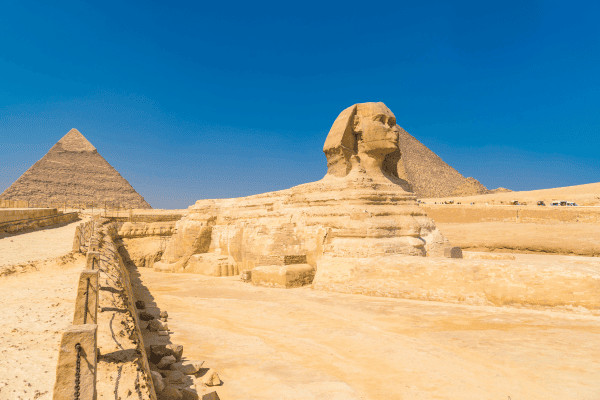
Visitors often ask: Can you go inside the Sphinx? Unfortunately, no. The Great Sphinx of Giza is carved from a single block of limestone and remains a solid structure, with no interior spaces accessible to the public. Preservation efforts prevent any interior entry for safety and conservation reasons.
That said, the Sphinx is still a highlight of any Egyptian journey. From the viewing platform, travellers can study its massive paws, weathered face, and the mysterious alignment with the pyramids of Giza. Historians continue to debate its original purpose and the identity of the pharaoh it represents most believe it depicts Khafre, whose pyramid stands nearby.
For deeper exploration, nearby attractions like the Solar Boat Museum and the Great Pyramid offer walk-in experiences. Combine your Giza visit with Luxor’s temples and tombs for a complete look at Egypt’s spiritual and architectural legacy.
Even from the outside, the Sphinx remains one of the most powerful images of ancient Egypt.
Best Day to Visit the Pyramids: When to Go for Fewer Crowds
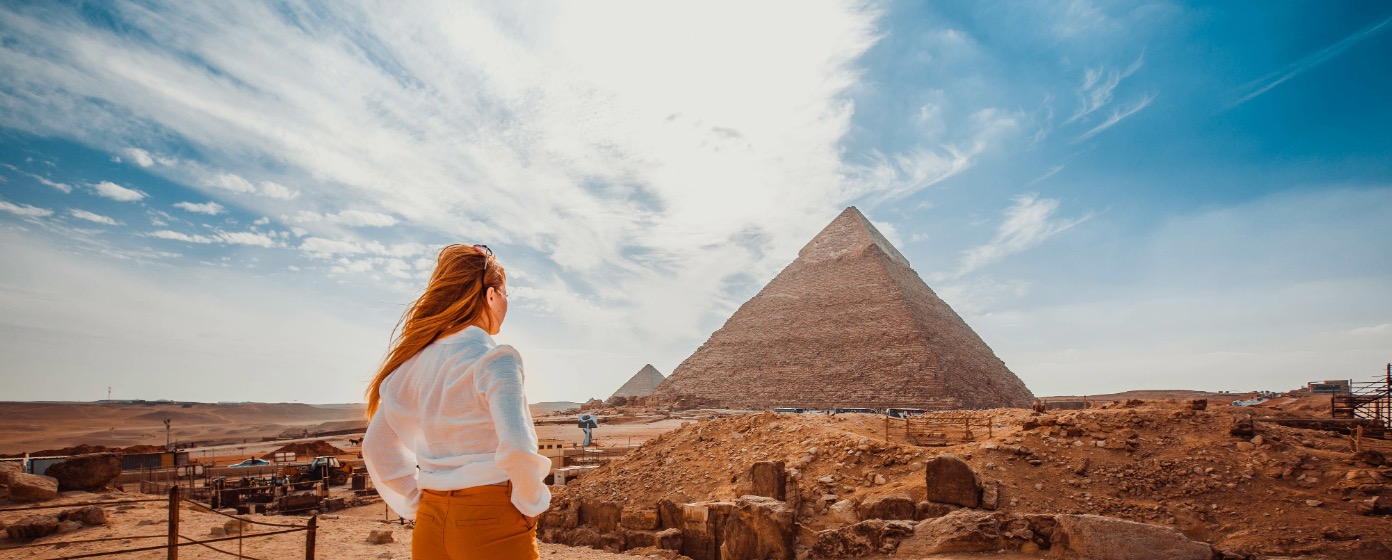
To avoid the crowds and the heat, timing your visit to the Pyramids of Giza is key. The best day to visit the pyramids is mid-week Tuesday or Wednesday when there are fewer local tours and school trips. Arriving early, right at opening time (8:00 AM), ensures a more peaceful experience, better lighting for photos, and cooler temperatures.
Weekends in Egypt (Friday and Saturday) are typically the busiest. Public holidays also draw large crowds, especially during festival seasons. For the best results, plan for a mid-week, early morning visit followed by entry into the Great Pyramid of Khufu or nearby Khafre’s pyramid, depending on availability.
If you’re working with a tour provider like Discovery Tours Egypt, they’ll often pre-book timed tickets, allowing you to bypass long queues and optimize your time. Combine your Giza adventure with a Luxor itinerary to balance crowds and experience the full breadth of ancient Egypt without the rush.
Plan Your Egypt Adventure with Discovery Tours Egypt
When it comes to unlocking the wonders of ancient Egypt, few providers match the quality and personalization of Discovery Tours Egypt. Whether you’re exploring what Luxor is known for its grand temples and royal tombs or venturing to the Pyramids of Giza, Discovery Tours creates curated experiences that balance education, comfort, and adventure.
Each itinerary is tailored to your interests: Nile River cruises, exclusive tomb entries, private Egyptologist guides, and seamless travel coordination from Cairo to Aswan. Their strong local partnerships and insider knowledge mean you’ll access hidden gems, avoid the crowds, and learn the rich context behind each site.
As tourism rebounds in 2026, having a trusted tour operator ensures you make the most of every moment especially during site closures, high season surges, or special events.
Whether it’s sailing the Nile or standing in awe beneath Karnak’s pillars, Discovery Tours Egypt delivers a trip worth remembering for a lifetime.