
To truly understand Egypt, one must explore what is the history of the Red Sea—a body of water that has shaped civilizations, religions, trade, and global exploration for thousands of years. Far more than a scenic coastline, the Red Sea has served as a lifeline between Africa and Asia, a sacred landscape in religious traditions, and a gateway connecting the ancient world to global commerce.
From the earliest Egyptian expeditions to legendary biblical events and modern maritime trade, the Red Sea has always played a central role in human history. Travelers today encounter this legacy not only through archaeology and texts but also while sailing, diving, or exploring coastal cities as part of Egypt Classic Tours or high-end Luxury Egypt Tours.
In this guide, we dive deep into what is the history of the Red Sea, tracing its geological origins, ancient civilizations, religious significance, and modern global importance.
Context & Background: Why the Red Sea Matters
A Sea Between Worlds
The Red Sea is one of the most historically significant bodies of water on Earth. Stretching between northeastern Africa and the Arabian Peninsula, it has long functioned as a natural corridor linking Egypt, the Levant, Arabia, and the Indian Ocean world.
Understanding what is the history of the Red Sea means recognizing it as:
- A trade highway for spices, gold, incense, and textiles
- A religious and mythological landscape
- A strategic military and commercial route
- A unique marine ecosystem shaped by millions of years of geology
Few seas in the world combine natural beauty, religious symbolism, and geopolitical relevance so seamlessly.
Geological Origins of the Red Sea
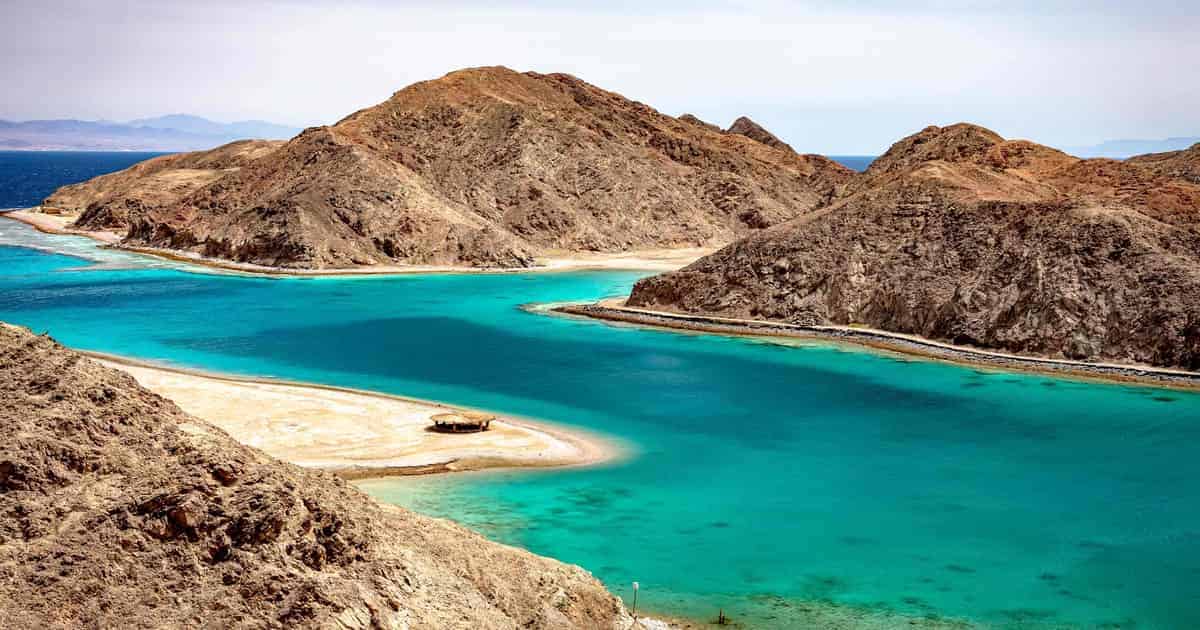
The Red Sea is geologically young. It began forming around 30 million years ago due to tectonic plate movement separating the African and Arabian plates. This rift created a long, narrow sea characterized by deep basins, volcanic activity, and exceptionally clear waters.
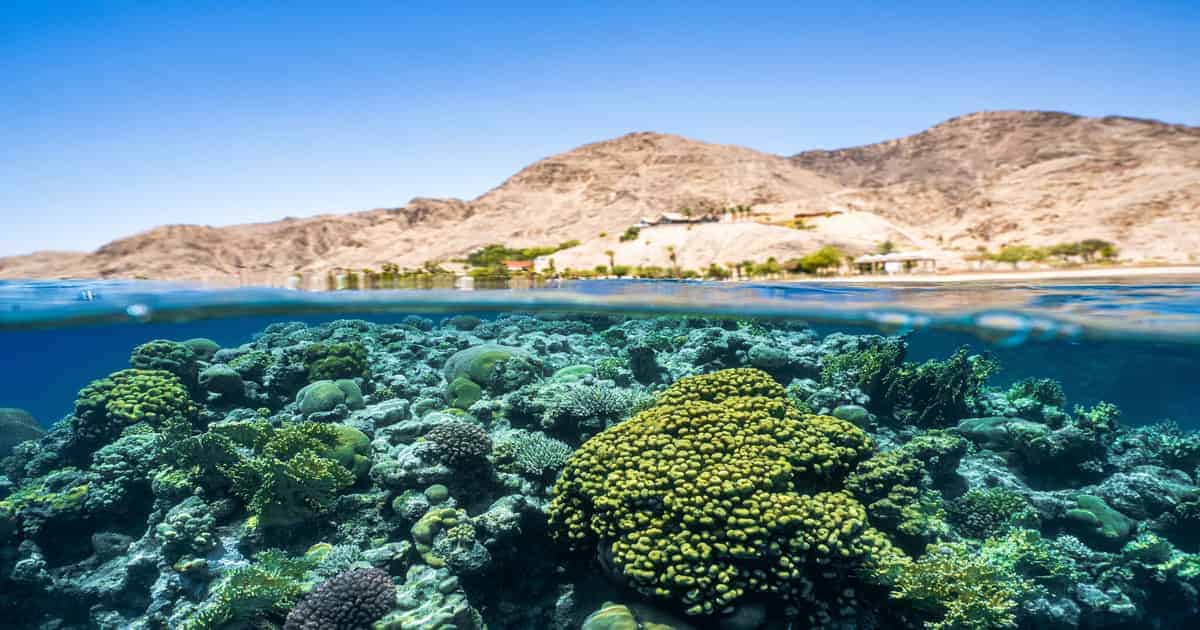
Its isolation and warm temperatures led to the development of one of the richest coral reef systems on Earth—an ecosystem that still attracts travelers today and enhances coastal experiences included in many Luxury Egypt Tours.
What Is the History of the Red Sea? A Journey Through Time
The Red Sea in Ancient Egypt
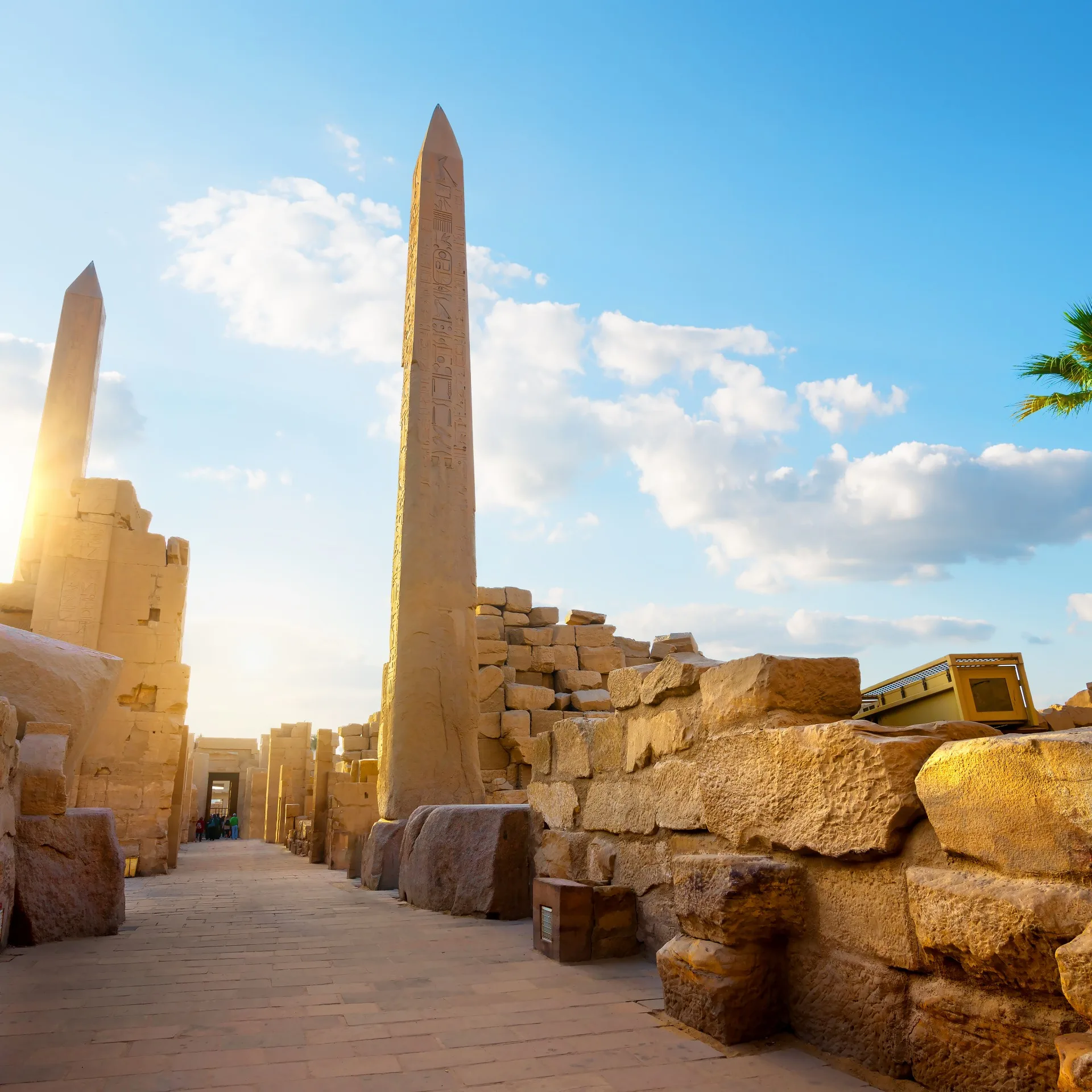
Ancient Egyptians referred to the Red Sea as the “Great Green” and recognized it as a vital gateway to distant lands. From ports like Wadi el-Jarf and Berenice, Egyptian expeditions sailed south toward the legendary Land of Punt—believed to be in present-day Eritrea or Somalia.
Goods traded via the Red Sea included:
- Gold and ivory
- Frankincense and myrrh
- Exotic animals and plants
Wall reliefs from Queen Hatshepsut’s reign depict Red Sea voyages in remarkable detail, proving Egypt’s early maritime sophistication.
Biblical and Religious Significance
One of the most famous stories associated with the Red Sea is the biblical Exodus. According to religious tradition, Moses parted the sea to allow the Israelites to escape Egypt—a story deeply rooted in Jewish, Christian, and Islamic traditions.
While scholars debate the exact location and interpretation, the Red Sea remains a sacred symbol of liberation and divine intervention. This spiritual dimension adds depth to cultural itineraries found in many Egypt Classic Tours.
Greek and Roman Influence
By the Hellenistic and Roman periods, the Red Sea had become a major artery for global trade. Greek and Roman merchants used Red Sea ports to access Indian Ocean trade networks.
Roman Egypt relied heavily on Red Sea commerce to import:
- Spices from India
- Silk from Asia
- Precious stones from Africa
The Periplus of the Erythraean Sea, a first-century Greek maritime guide, offers detailed insight into Red Sea navigation and trade routes.
The Islamic Golden Age and the Red Sea
Following the rise of Islam in the 7th century, the Red Sea gained renewed importance. It connected Islamic cities across Arabia, North Africa, and East Africa.
Key roles during this era:
- Pilgrimage route to Mecca via Egyptian ports
- Expansion of Islamic trade networks
- Cultural exchange between Africa and Arabia
Cities like Jeddah flourished, while Egypt strengthened its position as a central hub between continents.
Medieval & Ottoman Control
During medieval times, the Red Sea was fiercely contested by regional powers seeking control over trade routes. Later, the Ottoman Empire recognized the sea’s strategic importance and fortified its ports to protect pilgrimage routes and commercial interests.
European powers sought access but were largely blocked until technological advances in navigation and shipbuilding.
The Suez Canal and Modern Transformation
The opening of the Suez Canal in 1869 fundamentally transformed the Red Sea’s role in world history. Suddenly, Europe and Asia were directly connected without sailing around Africa.
This turned the Red Sea into:
- One of the world’s busiest shipping lanes
- A pillar of global trade and energy transport
- A geopolitical hotspot
Today, nearly 10% of global maritime trade passes through the Red Sea, underscoring its ongoing relevance.
The Red Sea in the Modern World
In the 20th and 21st centuries, the Red Sea has been shaped by:
- Regional conflicts
- Energy transport routes
- Tourism development
Egypt’s Red Sea coast—home to destinations like Hurghada and Marsa Alam—has become a global tourism center, blending history with leisure experiences offered through Luxury Egypt Tours.
Marine History and Natural Wonders
Beyond human history, the Red Sea tells a story of natural evolution. Its coral reefs are among the most resilient in the world, surviving temperature changes that devastate other ecosystems.
This makes the Red Sea a living museum—where history exists both above and below the waterline.
Expert Insights & Practical Travel Tips
Best Ways to Experience Red Sea History
Travelers can explore the Red Sea’s past through:
- Coastal archaeological sites
- Museums in Cairo and Alexandria
- Guided Red Sea cruises
- Desert monasteries and ancient ports
These experiences are often integrated into extended Egypt Classic Tours.
Best Time to Visit the Red Sea
- October to April: Ideal weather for sightseeing and cultural exploration
- May to September: Best for diving and marine activities
Recommended Itineraries
For travelers interested in history:
- Cairo → Red Sea Coast → Luxor
- Nile Cruise + Red Sea relaxation
- Private Red Sea exploration via Luxury Egypt Tours
Travel Tips
- Combine cultural sites with coastal relaxation
- Choose expert-guided tours for historical context
- Visit museums before coastal excursions for deeper understanding
Conclusion – Why the Red Sea’s History Still Matters
Understanding what is the history of the Red Sea reveals a story that stretches from prehistoric geology to ancient empires, sacred texts, and modern global trade. Few places on Earth have influenced human movement, belief, and commerce so profoundly.
Today, the Red Sea continues to shape Egypt’s identity—both as a historical crossroads and a modern destination for exploration and luxury travel. Whether you experience it through Egypt Classic Tours or tailor-made Luxury Egypt Tours, the Red Sea remains a timeless bridge between past and present.
Ready to explore Egypt’s Red Sea heritage? Discover our curated tours, contact our experts, or begin planning your journey today.
FAQ – What Is the History of the Red Sea?
1. Why is the Red Sea historically important?
The Red Sea has served as a major trade route, religious symbol, and strategic corridor linking Africa, Asia, and Europe for thousands of years.
2. Did ancient Egyptians use the Red Sea?
Yes. Ancient Egyptians launched expeditions from Red Sea ports to trade with distant lands such as Punt, importing luxury goods and resources.
3. Is the Red Sea mentioned in the Bible?
Yes. The Red Sea is central to the biblical Exodus story, symbolizing liberation and divine intervention in Jewish, Christian, and Islamic traditions.
4. How did the Suez Canal change the Red Sea?
The Suez Canal transformed the Red Sea into a global trade artery, dramatically increasing its economic and geopolitical importance.
5. Can I explore Red Sea history during my trip to Egypt?
Absolutely. Many Egypt Classic Tours and Luxury Egypt Tours include museums, coastal sites, and expert-guided experiences related to the Red Sea.