
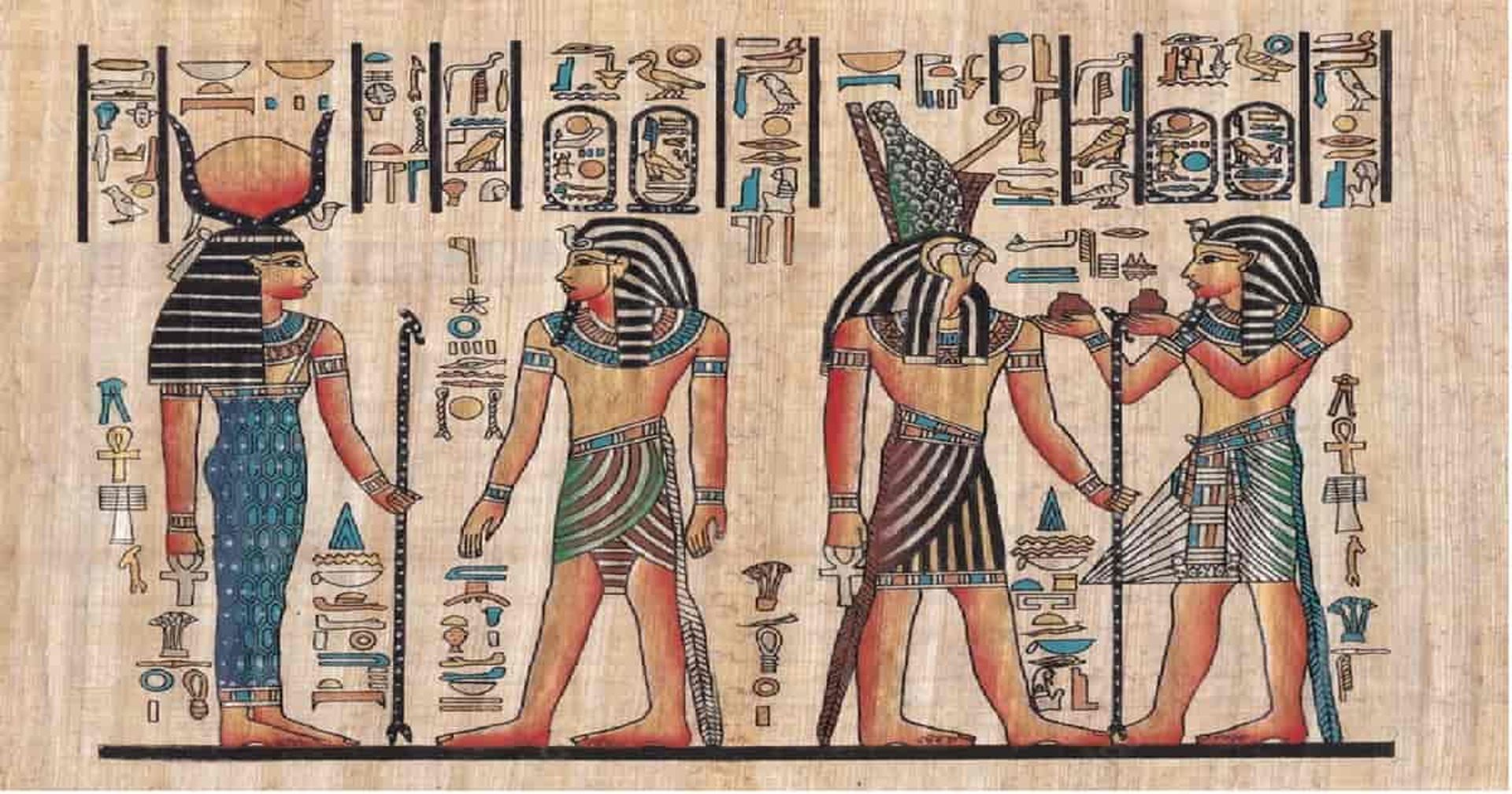
What did Pharaohs wear to show their power?
Pharaohs wore specific garments, colors, and accessories to display divine authority and maintain Ma'at, the cosmic order. Common people wore simple linen, while Pharaohs dressed in refined, symbolic clothing that set them apart as living gods on earth.
Clothing in ancient Egypt was a language of status, religion, and cosmic order. Every fabric choice, color, and accessory carried meaning tied to beliefs about life, death, and the gods. Understanding what did Pharaohs wear offers insight into how tradition in Egypt shaped identity, authority, and spirituality for over three thousand years. Pharaohs acted as intermediaries between humans and the divine. Their clothing reflected this heavy burden. The arid climate influenced materials and styles, but the Pharaoh's wardrobe went far beyond climate control. The garments communicated purity, eternity, and divine right.
Egyptologists learn about Pharaoh attire from tomb paintings, reliefs, statues, and temple carvings. Archaeological finds such as jewelry, sandals, and crowns provide physical evidence. Ancient texts and inscriptions describe materials and rituals. Major discoveries, including the tomb of Tutankhamun, provided well-preserved examples of royal clothing and accessories.
What did ancient Egyptian Pharaohs wear for daily clothing?
For daily clothing, ancient Egyptian Pharaohs wore the shendyt, a finely pleated linen kilt wrapped around the waist, paired with a bare chest or a short-sleeved linen tunic. Royal linen was ultra-fine, smooth, and often translucent.
The foundation of pharaonic clothing was linen, made from flax grown along the Nile. Linen symbolized cleanliness, light, and moral purity. Pharaohs wore ultra-fine linen, often translucent, and used multiple layers for ceremonial occasions. Royal linen was smoother, whiter, and lighter than the clothing of ordinary Egyptians. Garments were frequently pleated or starched to hold their shape.
The shendyt is the most recognizable garment. The wrapped kilt worn around the waist symbolized kingship and authority. For Pharaohs the shendyt was finely pleated and structured, often decorated with gold thread. Over time the shendyt evolved from simple cloth to an elaborate royal garment worn during ceremonies, battles, and official appearances.
Early depictions show Pharaohs bare-chested. Later periods introduced short-sleeved linen tunics. Pharaohs wore ceremonial cloaks for rituals and transparent overlays during religious festivals.
What colors and meanings appeared in Pharaoh attire?
Pharaoh attire used specific colors to communicate power and religious beliefs, including white for purity, gold for the flesh of the gods, and blue for divine protection. Every color in the Pharaoh's wardrobe had an assigned spiritual meaning.
White represented purity, holiness, and ritual cleanliness. Gold symbolized the flesh of the gods, eternity, and immortality. Blue meant protection, divinity, and the heavens. Red signaled power, chaos, and strength. Green represented regeneration and rebirth. Pharaohs selected these colors intentionally for specific rituals and appearances to align themselves with the correct divine forces.
What crowns and headdresses did the Pharaoh wear?
The Pharaoh wore specific crowns and headdresses to represent different regions and roles, including the Hedjet for Upper Egypt, the Deshret for Lower Egypt, and the Nemes headdress for royal appearances. Each headpiece carried distinct religious meaning.
- White Crown (Hedjet): represented Upper Egypt
- Red Crown (Deshret): represented Lower Egypt
- Double Crown (Pschent): symbolized the unity of Egypt
- Blue Crown (Khepresh): worn in battle and ceremonies
- Nemes Headdress: striped cloth crown, most famously worn by Tutankhamun
Travelers can see these distinct crowns carved into temple walls throughout Egypt. The Nemes headdress, draped over the head and falling down beside the face, is the most recognizable headpiece today because of the golden death mask of Tutankhamun.
What do Pharaohs wear for jewelry and accessories?
Pharaohs wore extensive jewelry and accessories for spiritual protection and status, including broad Usekh collars, gold bracelets, amulets of gods like Horus, and false beards representing divine masculinity. Materials like gold and lapis lazuli held symbolic power.
Broad collars, known as Usekh, covered the chest and shoulders. Pharaohs wore gold bracelets and anklets. Rings were engraved with royal cartouches. Amulets depicted gods like Horus, Anubis, and Isis. Materials such as gold, lapis lazuli, turquoise, and carnelian were chosen for their spiritual properties, not just their appearance.
Footwear included sandals made from leather, papyrus, or gold for ceremonial use. Some royal sandals depicted enemies on the soles, symbolizing the Pharaoh's dominance over conquered peoples with every step. Other accessories included false beards representing divine masculinity, scepters and staffs, sacred belts, and ceremonial aprons.
What did a Pharaoh wear in the afterlife?
A Pharaoh wore ritual linen wrappings, protective amulets, and golden masks in the afterlife to ensure rebirth and eternal life. The golden mask of Tutankhamun is the most famous example of this royal burial clothing.
Pharaohs were buried in garments meant to ensure rebirth. Mummification garments included ritual wrappings and protective amulets placed between layers of linen. Golden masks and chest plates protected the spirit. The golden mask of Tutankhamun remains the ultimate symbol of royal Egyptian fashion and the deep belief in eternal life.
Where can you see Pharaoh clothes in Egypt today?
You can see authentic Pharaoh clothes today at the Egyptian Museum in Cairo, the Grand Egyptian Museum, and in the tomb paintings of the Valley of the Kings. Temple reliefs at Luxor and Karnak also depict royal attire.
Travelers can visit the Egyptian Museum in Cairo and the Grand Egyptian Museum to view preserved garments, jewelry, and ceremonial items. The Luxor Temple and Karnak reliefs show Pharaohs wearing their ceremonial best. The Valley of the Kings tomb paintings provide colorful depictions of royal dress. Discovery Tours Egypt provides local Egyptologist guides who explain the symbolism of these garments on site. Standard site entrance fees are normally included on guided tours, though pyramid interiors and premium tombs cost extra. Our <a href="/egypt-tours/">Egypt tours</a> visit these museums and temples with a guide.
Plan with us
What did Pharaohs wear
What did Pharaohs wear? Explore the shendyt kilt, Nemes headdress, and the linen, crowns, and colors that defined ancient Egyptian royalty.